




Implementujte lokalizovanú 3D tlač pre náhradné diely a nástroje už teraz, aby ste dramaticky znížili diaľkovú distribúciu a skrátili dodacie lehoty. Pre spoločnosť, ktorá chce zlepšiť svoje potreby pre rýchlejšiu odozvu, zriaďte regionálne centrá s účelovo navrhnutými strojmi, ktoré sú navrhnuté na výrobu bežne požadovaných dielov na požiadanie. Tento technologický posun udržuje prevádzky efektívne a umožňuje tímom plánovať dopredu s menším trením.
Konkrétne údaje podporujú tento prístup: dodacie lehoty pre bežné náhradné diely sa môžu skrátiť z 2-4 týždňov na 3-7 dní a náklady na diaľkovú distribúciu sa môžu znížiť o 20-40%, čím sa výrazne zvýši príjem. Presunutie výroby bližšie k výrobným linkám umožňuje presun kapitálu z veľkých skladových zásob do aktivít s vyššou hodnotou, čím sa zlepšuje peňažný tok a dostupnosť produktov.
Na implementáciu štandardizujte návrhy a správu súborov. Vaše potreby by mali byť zladené s knižnicou kalibrovaných CAD a STL súborov a bezpečným pracovným postupom na ochranu duševného vlastníctva. Tieto kroky si vyžadujú medzifunkčné zosúladenie. Plán technologickej pripravenosti vyžaduje spoľahlivé materiály, overené nastavenia tlače a robustné následné spracovanie, pričom kvalitatívne metriky sú sledované v každom kroku.
Prevádzkové kroky: investujte do niekoľkých modulárnych tlačiarní v regionálnych centrách, diverzifikujte materiálové možnosti pre funkčné diely a integrujte vrstvu 3D tlače s ERP a plánovaním zásob. Toto zosúladenie by malo pomôcť výrobným tímom rýchlo reagovať na potreby, najmä pri náhradných dieloch a nástrojoch, ktoré predtým vyžadovali týždne dodacej lehoty. Sledujte metriky, ako je včasné dodanie, úrovne zásob a kvalita dielov, aby ste posúdili vplyv na príjem a spokojnosť zákazníkov.
Dlhodobá stratégia: vybudujte mapu schopností spájajúcu návrh, materiály a distribúciu s obchodnými výsledkami. Zameraním sa na vedúce postupy môžete rozšíriť ponuku z kľúčových dielov na vlastné prípravky a šablóny, čo umožní rýchlejší napredovanie a plynulejšie výrobné toky.
Praktická implementácia 3D tlače v dodávateľských reťazcoch výroby
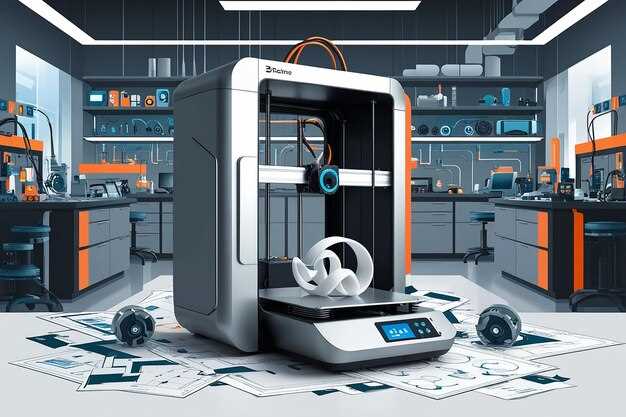
Odporúčanie: Začnite 60-dňovým pilotným projektom na tlač kritických náhradných dielov na požiadanie na troch až piatich miestach, zameraným na položky s dlhými dodacími lehotami od dodávateľov a vysokým rizikom prestojov. Očakávajte 40–60% rýchlejšiu dostupnosť dielov a 20–40% zníženie skladových zásob na mieste, pričom prototypy budú hotové v dňoch namiesto týždňov.
Počas prerušení spôsobených koronavírusom sa 3D tlač na mieste preukázala ako odolná vďaka zníženiu externých závislostí. Na replikáciu tejto odolnosti vybudujte základňu opakovane použiteľných dielov, overených návrhov a jasného riadenia, ktoré sa škáluje z jedného tlačiarne na regionálny vozový park.
- Identifikujte diely riadené dopytom: zoznam položiek, ktoré sa zriedka skladujú vo veľkom, ale sú požadované denne na údržbu, nástroje a zmeny liniek. Uprednostnite prototypy, prípravky, tesnenia a malé kryty, ktoré sa zmestia do štandardných možností tlačiarne. Zvážte aj zriedkavé, ale kritické položky, ktoré spôsobia zastavenie linky, ak nie sú k dispozícii.
- Uprednostnite prototypy a validáciu: vyviňte CAD modely alebo upravte existujúce návrhy pre aditívnu výrobu. Vytlačte viacero iterácií na overenie vhodnosti, funkcie a trvanlivosti v reálnych testoch. Použite rýchle spätné väzby na zjednotenie robustného návrhu na opätovné použitie na viacerých miestach.
- Starostlivo vyberte materiály a procesy: pre rýchle iterácie začnite s technickými polymérmi (PLA, PETG alebo materiály podobné ABS) pre nenamáhané diely, potom prejdite na odolné polyamidy (PA12) alebo vysokoteplotné polyméry pre funkčné komponenty. Pre pevnosť podobnú kovom preskúmajte binder jetting alebo DMLS, ak je to opodstatnené hodnotou a objemom dielu.
- Integrujte s návrhom pre 3D tlač a procesom dodávky: ukladajte súbory pripravené na tlač do centralizovanej knižnice, označte diely kontrolou revízií a pripojte odkazy na kusovníky. Zosúlaďte tlačové úlohy so systémami ERP/PM, aby operátori mohli získavať pracovné príkazy, sledovať použitie a spúšťať automatické dotlače, keď zásoby klesnú pod prahové hodnoty dopytu.
- Škálovajte prostredníctvom implementácie na mieste a procesov: vybavte vyhradený tlačový kút na každej prevádzke alebo stredisku údržby. Zaviedť postupy následného spracovania (odstránenie podpôr, vytvrdzovanie, povrchové úpravy) a štandardizujte školenie operátorov, aby sa zabezpečila predvídateľná a bezpečná priepustnosť.
- Zaviesť kontroly kvality, rizika a dodržiavania predpisov: implementujte dimenzionálne kontroly pre kritické uloženia, funkčné testy pre pohyblivé diely a formálne riadenie zmien pre aktualizácie návrhov. Udržujte sledovateľnosť tlačí, materiálov a výsledkov testov na podporu auditov a neustáleho zlepšovania.
- Modelujte náklady a hodnotu: vypočítajte skutočné náklady na diel vrátane ceny vlákna/materiálu, amortizácie tlačiarne, energie, práce a následného spracovania. Porovnajte s konvenčnými dodávateľmi; pre jednoduché alebo hromadné položky môže tlač v hromadných dávkach znížiť čas nastavenia a náklady na jednotku a zároveň podporovať potreby masového trhu.
- Definujte výkonnostné metriky a riadenie: sledujte zníženie dodacej lehoty, miery porúch, odpad a vplyv prestojov. Mesačne preskúmajte poznatky, upravte prioritu dielov a rozšírte pôsobnosť, keď pilotné projekty dosiahnu ciele, pričom udržujte stabilné tempo zlepšovania naprieč procesmi.
Kľúčové úvahy: začnite s položkami, ktoré ponúkajú najvyššiu návratnosť investícií, ako sú prípravky s rýchlym obratom alebo prípravky, ktoré zlepšujú prevádzkyschopnosť strojov. Súbory návrhov by mali byť navrhnuté tak, aby spoľahlivo tlačili na vybraných tlačiarňach, čím sa zníži potreba následného spracovania. Tiež pozorne sledujte duševné vlastníctvo a licencie pre akékoľvek diely, ktoré môžu vyžadovať schválenie pred hromadnou tlačou.
Príklady praktických výsledkov zahŕňajú tlač rukovätí nástrojov, prípravkov na montáž a ochranných krytov, ktoré predtým vyžadovali dlhé dodacie lehoty. Motory programu sa spoliehajú na stály prúd overených prototypov, spoľahlivú knižnicu súborov a medzifunkčnú spoluprácu medzi oddeleniami návrhu, údržby a obstarávania, aby sa zabezpečilo každodenné využitie hodnoty.
Základom prístupu je malá sada osvedčených dielov pripravených pre masový trh, kde je dopyt vysoký a variabilita nízka, čo umožňuje hladký prechod od ad hoc tlače k integrovanej podpore výroby. Ideálne program prináša rýchlejšie iterácie, lepšie uloženie dielov a zníženú závislosť od externých dodávateľov, čo vedie k odolnejšiemu a cenovo uvedomelejšiemu dodávateľskému reťazcu.
Tlač náhradných dielov na požiadanie na minimalizáciu zásob
Začnite 90-dňovým pilotným projektom na tlač niekoľkých kritických náhradných dielov na požiadanie s cieľom minimalizovať zásoby a zmenšiť skladovacie priestory, pričom porovnajte náklady a prestoje pred a po implementácii s tradičným skladovaním.
Vytvorte jednotnú digitálnu knižnicu schválených súborov náhradných dielov s kontrolou verzií a jasnými špecifikáciami tlače (materiál, tolerancie, následné spracovanie). Vykonajte rozsiahle testovanie na overenie vhodnosti, pevnosti a životnosti na mnohých tlačiarňach a miestach, aby ste zabezpečili, že použitie je v súlade s okennými časmi údržby pre pokračujúce prevádzky. Myslite v pojmoch prevádzkyschopnosti a kontinuity linky pri škálovaní.
Zamerajte sa na náhradné diely s vysokým dopadom: pre položky s ročným dopytom 1–20 kusov a časom tlače pod 8 hodín, cesta na požiadanie znižuje vyššie úrovne služieb a celkové náklady, čím umožňuje rozhodný prístup k skladovým zásobám. Poprední výrobcovia hlásia 20–40% zníženie skladových zásob na ruke a dlhšie prevádzky. Typické náklady na tlač sa pohybujú od 5 do 200 USD za kus, v závislosti od materiálu a geometrie, zatiaľ čo náklady na skladovanie pridávajú poplatky za priestor a manipuláciu. Týmto prístupom znížite plytvanie nadmernými zásobami a uchováte užitočné, zriedka potrebné diely prístupné všade, čím sa vyhnete dlhodobým výpadkom zásob a priblížite diely k linke.
Sledujte KPI súvisiace s použitím: získané prevádzky na diel, dodacia lehota tlače a dostupnosť, plus náklady na diel za 12 mesiacov. Tento prístup umožňuje bližšiu spoluprácu s dodávateľmi. Použite kontajnery na udržanie štíhlej prevádzky a začnite s dvoma dodávateľmi, aby ste porovnali výkon materiálu a plniacu kapacitu. Ak pilotný projekt ukáže 20–60% zníženie nákladov na skladovanie a 30–70% rýchlejšie doplnenie, plánujte rozšíriť na viac dielov a miest.
Skrátenie dodacej lehoty pre kritické komponenty pomocou lokalizovanej 3D tlače
Vytvorte centrá 3D tlače na požiadanie, lokalizované blízko kritických výrobných liniek, aby ste urýchlili vstup na trh pre vysoko prioritné komponenty. Vytvorte základnú knižnicu požadovaných modelov dielov a repozitár modelov pripravených na tlač, aby operátori mohli tlačiť komponenty pripravené na použitie s minimálnym nastavením. Štandardizujte parametre tlače a vytvorte stručný kontrolný zoznam validácie, aby ste sa uistili o vhodnosti a funkčnosti pred integráciou. Lokálna tlač skracuje dodacie lehoty z týždňov na dni nahradením externých dodávateľských cyklov okamžitou výrobou.
Návrh pre aditívnu výrobu uprednostňuje znižovanie prekážok a urýchľovanie iterácií. Pre zložité geometrie použite dobre zdokumentovaný model, ktorý spoľahlivo tlačí s vhodnými podporami a jasnými krokmi následného spracovania. Zaviedť jednoduchý pracovný postup na správu požiadaviek, frontov tlače a kontrol, a udržujte históriu revízií spojenú s modelom dielu. Či už je komponent prototypom alebo požadovaným dielom pre servis, rýchlo ho vytlačte, otestujte a schváľte.
Decentralizujte výrobu do regionálnych centier, aby ste znížili prepravný čas, znížili uhlíkovú stopu a zlepšili rýchlosť vstupu na trh. Tento prístup robí diely odolnejšími a časom cenovo výhodnejšími, čím prináša kumulatívne zníženie celkovej dodacej lehoty. Keď je diel potrebný, tlačte lokálne a dokončite obrábaním, ak je potrebná vysoká presnosť.
Integrujte digitálnu knižnicu modelov s prepojeniami ERP/PLM, aby ste zaistili, že požadovaný model je k dispozícii pre dielňu. Používajte štandardné formáty súborov, ako sú STEP alebo STL, a udržujte jasnú kontrolu revízií. Sledujte metriky, ako je rýchlosť vstupu na trh, výťažnosť tlače a čas cyklu, na usmernenie neustáleho zlepšovania. Tlač na požiadanie podporuje rýchle aktualizácie, keď sa menia motory alebo iné kritické komponenty.
Vyberte materiály, ktoré vyvažujú pevnosť, odolnosť voči teplote a obrábateľnosť. Pre vysoko výkonné komponenty môžu lokálne tlačené uhlíkovo plnené polyméry alebo ľahké kovové zliatiny znížiť potrebu rozsiahleho obrábania neskôr. Zložité zostavy s prísnejšími toleranciami profitujú z hybridného prístupu, ktorý kombinuje tlač a následné obrábanie na dosiahnutie konečných rozmerov.
Eliminácia zastaraných dielov pomocou digitálnych knižníc a tlače na požiadanie
Odporúčanie: Vybudujte centralizovanú digitálnu knižnicu geometrie dielov a sieť tlače na požiadanie na elimináciu zastaraných komponentov. Tento problém sa zhoršuje, keď sa vyradené položky objavujú v CAD modeloch a kusovníkoch; model, ktorý spája geometriu, triedu materiálu a schopnosti tlačiarne vám pomáha rýchlo produkovať potrebné položky, čím sa znižuje plytvanie skladovaním a dlhé dodacie lehoty. Distribuovaná sieť tlačiarní – regionálne centrá a partnerské dielne – vám umožňuje skrátiť časy cyklov a znížiť energiu na diel tým, že tlačíte iba to, čo je potrebné, keď je to potrebné.
Dnes začnite s rozsiahlym katalógom geometrie a tlačových profilov, priraďte každý zastaraný diel k jednému alebo viacerým tlačeným variantom a pripojte dáta ERP k vrstve na požiadanie. Ďalším kľúčovým krokom je nastavenie pracovného postupu riadenia pre kontrolu kvality a cenové ponuky od dodávateľov. Tento prístup vytvára väčšiu odolnosť vo výrobe a umožňuje im prejsť od veľkých statických zásob k agilnejšiemu, distribuovanému modelu.
Na minimalizáciu rizika a maximalizáciu opätovného použitia zachyťte históriu každého dielu vrátane tolerancií, povrchovej úpravy a kompatibility materiálu. Digitálna knižnica by mala podporovať verzovanie, prístup z viacerých geografických lokalít a jednoduché vyhľadávanie podľa geometrie alebo funkcie. Dlhodobým cieľom je vylepšiť knižnicu tak, aby väčšina starších komponentov mala aspoň jednu vysoko vernú tlačiteľnú geometriu, ideálne s overenou vhodnosťou v zostavách.
V praxi prepojte knižnicu s flotilou kompatibilných 3D tlačiarní a tonerových materiálov. Motory a pomocné zostavy často zdieľajú bežné základné geometrie, takže repozitár by mal obsahovať varianty pre rôzne motory a štandardy. Umožnenie dizajnérom nahradiť kompatibilné geometrie im pomáha vyhnúť sa prepracovaniam pri zachovaní výkonu a urýchľuje dostupnosť dielov pre servisné cykly.
Konkrétny príklad ukazuje, ako to funguje: zastaraný chladiaci ventil na staršom motore je nahradený overenou vytlačenou verziou. Tím načíta geometriu, vytlačí dávku na testovanie a pomocou cenovej ponuky od dodávateľa potvrdí materiál a tolerancie. Po validácii môžete škálovať tlač, aby ste spĺňali servisné intervaly. Po úspešnom teste sa servisné plány presunú na tlač na požiadanie, čím sa znížia prestoje a náklady na zásoby.
| Krok | Akcia | Metriky |
|---|---|---|
| Katalogizácia | Označte zastarané diely, zachyťte históriu, uložte geometrie a tolerancie | Dodacia lehota k dostupnosti, pokrytie knižnice |
| Integrácia pracovného postupu | Prepojte ERP/MRP s tlačou na požiadanie a kontrolami QA | Miera včasného dodania, čas prechodu |
| Monitorovanie výkonu | Sledujte energiu, odpad a cenové ponuky | Energia na diel, % odpadu, celkové výdavky |
| Optimalizácia | Upravte geometrie a materiály na základe spätnej väzby | Stredný čas medzi poruchami, presnosť uloženia |
Prijatie tohto prístupu prináša väčšiu flexibilitu dnes a buduje dlhodobú schopnosť znižovať odpad a energiu v celom dodávateľskom reťazci. Sieťový efekt rozširuje prístup k potrebným geometriám a znižuje prestoje, čo umožňuje výrobcom prejsť k udržateľnejšiemu a responzívnejšiemu prevádzkovému modelu.
Zabezpečenie kvality a certifikácia pre 3D tlačené komponenty
Prijmite formálny rámec zabezpečenia kvality v súlade so štandardmi ISO/ASTM a vyžadujte certifikáciu na úrovni dávky pred distribúciou. Existuje jasné prepojenie medzi validáciou procesu a konečnou certifikáciou, preto zaznamenávajte šaržu materiálu, ID tlačiarne, orientáciu stavby, výšku vrstvy a záznamy o následnom spracovaní pre každú vytlačenú položku a ukladajte ich do sledovateľnej evidencie, ktorá umožňuje okamžité audity a sledovateľnosť počas celej životnosti produktu, skutočne.
Vytvorte rozsiahly certifikačný balík na dávku: certifikáty materiálov (MTR, šarža dodávateľa), validácia procesu (model tlačiarne, nástroje, veľkosť trysky, orientácia stavby, výška vrstvy) a overenie následného spracovania (povrchová úprava, čistenie, vytvrdzovanie). Tento balík odpovedá na to, aké vlastnosti diel vykazuje a podporuje distribúciu zákazníkom. Pre kritické komponenty zahrňte dodatočné testy, ako sú CT skeny alebo mechanické testy; zabezpečte, aby dokumentácia pokrývala všetky položky vyrobené v dávke.
Testovanie používa rozsiahle, viacmetodické hodnotenie: CT skeny na vnútornú pórovitosť, mechanické testy (ťahové, ohybové, nárazové) na reprezentatívnych vzorkách a dimenzionálne overenie pomocou CMM. Definujte kritériá prijatia: dimenzionálna odchýlka v rámci ±0,20 mm pre prvky pod 30 mm, ±0,50 % pre väčšie prvky; drsnosť povrchu Ra ≤ 6,3 μm po následnom spracovaní; pórovitosť pod 0,25 % objemu. Inline AOI a občasné deštruktívne prierezy pomáhajú včas zachytiť posuny; tento prístup sa nespolieha na jeden test a znižuje odpad.
Implementujte štíhly pracovný postup zabezpečenia kvality: kontrolný zoznam validácie návrhu, plán stavby, monitorovanie v procese s panelmi SPC, kontrola po stavbe, generovanie certifikátov a archivácia v PLM. Pracovný postup je umožnený automatickým zberom dát z tlačiarní a nástrojov a umožňuje sledovanie rizík v reálnom čase a okamžité rozhodnutia o uvoľnení pre nízkorizikové položky. Pre položky s vyšším rizikom vynúťte audit druhou stranou a nezávislé overenie.
Riziká a obmedzenia: anizotropia vytvára pevnosť závislú od orientácie a premenlivú tepelnú históriu; pórovitosť a povrchové defekty sa môžu vyhnúť včasným kontrolám; existujú obmedzenia v rozlíšení zobrazovania pre malé prvky. Na zmiernenie vyberajte vzorky so zameraním na kritické geometrie a spájajte nedestruktívne testovanie s deštruktívnymi vzorkami, ak je to možné. Ďalším zmiernením je použitie GD&T na sprísnenie tolerancií a zavedenie formálneho systému hodnotenia rizík na stanovenie priority akcií a eskaláciu v prípade potreby; jasný rámec rizika pomáha riadiť zostávajúce neistoty.
Dáta a riadenie: udržujte prehľadávateľný register certifikátov s metadátami: číslo dielu, revízia, materiál, šarža, tlačiareň, parametre stavby, kroky následného spracovania, výsledky testov a overenia. Integrujte s ERP/PLM na podporu sledovateľnosti naprieč distribučnými kanálmi; vydávajte strojovo čitateľné certifikáty (QR kódy alebo UDI), ktoré môžu dodávatelia a zákazníci naskenovať na potvrdenie súladu. Tento prístup zaisťuje rozsiahlu viditeľnosť naprieč priemyslom a zlepšuje riadenie kvality dodávateľského reťazca naprieč položkami a rozširuje schopnosti naprieč distribučnými sieťami a využitím nástrojov.
Náklady a ROI: Kedy sa 3D tlač oplatí pre náhradné diely
Začnite šesť až dvanásťtýždňovým pilotným projektom na 10–15 kritických náhradných dieloch, ktoré spôsobujú významné prestoje, so zameraním na položky so strednou zložitosťou a stabilným dopytom. Toto vynaložené úsilie vám umožní porovnať externé dodávky s internou alebo lokálnou tlačou, kvantifikovať dodacie lehoty a posúdiť ROI na základe úspor z prestojov, nákladov na diely a požiadaviek na skladovanie. Sledujte: náklady na daný diel, využitie tlačiarne, spotrebu energie a zmeny zásob na vypracovanie dôveryhodného obchodného prípadu.
Nákladová štruktúra a model ROI: počiatočná investícia do tlačiarne sa pohybuje od 10 000 do 120 000 USD v závislosti od materiálov a schopností. Prevádzkové náklady na materiál sa zvyčajne pohybujú od 0,50–5,00 USD za diel pre bežné polyméry; materiály s vysokým výkonom ich zvyšujú na 5–20 USD za diel. Spotreba energie na tlač je skromná; 1-hodinová tlač na 70-wattovej tlačiarni spotrebuje približne 0,07 kWh, škáluje sa podľa veľkosti dielu. Porovnajte to s prepravou, manipuláciou a minimálnymi odbermi (MOQ) pre tradičných dodávateľov, ktoré často pridávajú 10–30 % k jednotkovej cene pri zohľadnení prepravy a minimálnych objednávok.
Z hľadiska prestojov môžu 3D tlačené diely znížiť dodacie lehoty z 2–8 týždňov na 1–5 dní pre bežné komponenty, čím sa dosiahnu významné úspory v rýchlosti výroby, najmä pre motory a iné vysokohodnotné vybavenie. Tam, kde sú diely potrebné rýchlo, tlač na požiadanie eliminuje objednávky na poslednú chvíľu a náklady na nadčasy. To je praktická línia obrany proti externým šokom a šumu v dodávateľskom reťazci.
Tipy na výpočet ROI: ročné čisté úspory sa rovnajú zníženým nákladom na skladovanie, nižším poplatkom za urýchlenú prepravu, menším nákladom na prepravu dielov a zníženiu spotreby energie, mínus akákoľvek prevádzková údržba tlačiarne. Pri dieloch, ktoré stoja 25–100 USD za kus a vyžadujú 20–30 tlačí ročne, sa návratnosť často pohybuje v horizonte 12–24 mesiacov. Pri veľmi nízkoobjemových položkách sa návratnosť predlžuje na 2–3 roky, ale prístup znižuje riziko výpadkov a poskytuje vám politickú odolnosť a odolnosť voči externým udalostiam. Tímy údržby, ktoré tlačiareň používajú sami, môžu rýchlo iterovať zmeny návrhu.
Zdrojové údaje z priemyselných štúdií poukazujú na 30–60% pokles úrovne zásob, keď sa diely vyrábajú na požiadanie, a spotreba energie na jednotku klesá, keď sú diely ľahšie alebo jednoduchšie. Medzi rôznymi prostrediami sú zisky najsilnejšie pre dlhodobé diely používané v motoroch a strojoch. Použitie malého skladu alebo interných kapacít dáva jednotlivým závodom flexibilitu rýchlo sa prispôsobiť a zmenšiť celkovú prevádzkovú plochu.
Kedy pokračovať: vyberte položky so stabilným dopytom, strednou zložitosťou a prísnymi toleranciami, ktoré môže 3D tlač splniť. Vyhodnoťte rôzne materiály a nastavenia tlačiarní, odhadnite celkové náklady na vlastníctvo a stanovte šesťmesačnú míľnik na preskúmanie výsledkov. Ak pilot ukáže návratnosť pod 18 mesiacov a zmysluplne zníži prestoje, rozšírte ponuku na širšiu podmnožinu dielov.