


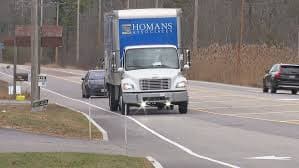

Lagförslaget som lagts fram av senator Jim Banks (R-Indiana) skulle kräva att stater slutar utfärda eller förnya yrkesförarkörkort (CDL) till alla som inte är amerikanska medborgare eller lagliga stadigvarande bosatta, och tvinga alla stater att omcertifiera befintliga CDL-innehavare inom 180 dagar, inklusive en kontroll av engelskkunskaper.
Viktiga bestämmelser i det föreslagna "Dalilah Law"
Lagen, som i offentliga uttalanden kallas "Dalilah Law", innehåller flera specifika regleringsåtgärder som syftar till att skärpa behörigheten och efterlevnaden av CDL:
- Behörighetsbegränsning: Förbjuder utfärdande av CDL till icke-medborgare och icke-lagliga stadigvarande bosatta.
- Livstidsförbud: Inför ett livstidsförbud för att köra kommersiella fordon för individer som var obehöriga när de erhöll eller körde med ett CDL.
- Omcertifieringsfönster: Ålägger statlig omcertifiering av alla CDL-innehavare inom 180 dagar, inklusive verifiering av engelskkunskaper.
- Provspråk: Kräver att alla CDL-prov administreras enbart på engelska.
Bakgrund: befintliga FMCSA-regler och visumundantag
Lagen överensstämmer med delar av en slutlig regel från FMCSA som begränsade CDL för vissa icke-bosatta sökande till specifika visumkategorier som H-2A, H-2B och E-2. Förespråkare pekar på den regeln som ett prejudikat, medan kritiker noterar operationella konsekvenser och konsekvenser för arbetskraften om behörigheten minskas ytterligare.
Påståenden som ligger till grund för lagstiftningen och federala svar
Senator Banks ramade in lagen kring fallet som citerats av president Donald Trump, som involverade Dalilah Coleman, som svårt skadades i en kollision med en 18-hjulig dragbil. Banks och andra anhängare hävdar att strängare CDL-behörighet skulle förhindra liknande incidenter. Separat meddelade senator John Cornyn (R-Texas) planer på att lägga fram liknande lagstiftning och kritiserade vissa staters praxis gällande CDL-utfärdande.
Lagen uppmanar också till federal tillsyn: Banks skickade ett brev till FMCSA:s administratör Derek Barrs där han begärde en utredning av anklagelser om "kamouflagetransporter"-verksamhet i Indiana – nätverk där många transportörer registrerar sig snabbt, ibland under samma efternamn, vilket väcker frågor om skalbolag och kringgående av regelverk.
Anklagelser och data som citeras av sponsorer
För att stödja granskningen pekade Banks på offentligt tillgängliga registreringsdata som visar nästan 10 000 transportföretag baserade i Indiana som lagts till i DOT-databasen under sex år; anklagelser inkluderade mer än 2 000 transportörer registrerade under två efternamn, och ovanligt höga koncentrationer av transportörer i små grannskap som Greenwood och University Park. Senatorer hänvisade till medieuppgifter som kopplade illegala invandrarförare till flera dödliga olyckor i Indiana, även om dessa siffror och kopplingar har ifrågasatts i den offentliga debatten.
Operationella konsekvenser för transportörer och logistikkedjor
Ur ett logistikperspektiv kan lagförslagets operationella effekter vara omedelbara och omfattande:
| Bestämmelse | Kortsiktig logistisk effekt | Medellångsiktig effekt på leveranskedjan |
|---|---|---|
| 180-dagars omcertifiering | Administrativ ökning vid statliga DMV:er; köer vid provcenter | Möjliga körkortsavstängningar; förarbrist; omdirigering av gods |
| Enbart engelska prov | Högre misslyckandefrekvens; behov av tolktjänster eller kompletterande utbildning | Minskad arbetskraftspool; press på transportörer att rekrytera engelskspråkiga förare |
| Livstidsförbud för obehöriga förare | Omedelbar borttagning av förare från vissa fordonsflottor | Ökade rekryteringskostnader; beroende av tillfälliga eller internationella förare |
Vad transportörer och speditörer bör göra nu
- Granska förarregister och dokumentation för att säkerställa aktuell efterlevnad.
- Planera för beredskap med personal och utbildningsprogram för att täcka brister.
- Samordna med statliga DMV:er och branschorganisationer för provkapacitet och tidsramar.
- Uppdatera kontrakt och leveransfönster med kunder för att tillåta buffertid för eventuella förseningar.
Berättelse från verkligheten
Jag minns att en regional dispatchers sa till mig: "När ett DMV går in i larmberedskap, går dina laster också in i larmberedskap." Det stämmer här – om staterna står inför ett administrativt snöoväder och provrestriktioner, kommer godset och leveransscheman att känna av det snabbt. Det är den typen av dominoeffekt som gör den politiska debatten mer än en abstrakt politisk strid.
Bredare leveranskedje- och internationella överväganden
Även om lagen är USA-fokuserad, är krusningseffekter möjliga. Ändringar i den inhemska förarpoolen kan påverka:
- Lastkapacitet över gränserna till Kanada och Mexiko
- Intermodala överlämningar där lastbilarnas tidsscheman är viktiga för container- och pallflöden
- Spotmarknadspriser för gods när transportörer budar för att täcka laster med färre behöriga förare
Regleringssammanstötningar vs. säkerhetsmål
Lagstiftare presenterar åtgärderna som säkerhet först; branschorganisationer varnar för operativa svårigheter. Utmaningen för logistikchefer blir att balansera de omedelbara säkerhets- och efterlevnadsskyldigheterna mot behovet av att hålla varor i rörelse – oavsett om det gäller paket, pallar, containrar eller skrymmande hushållsvaror vid en flytt eller kommersiell omflyttning.
Slutsatser och vad man ska bevaka
Kortsiktiga indikatorer att bevaka:
- Statliga DMV-riktlinjer om tidsramar för omcertifiering och provplatser
- FMCSA:s tillsynsriktlinjer och svar på kongressbrev
- Transportörers tillkännagivanden om uppsägningar, anställningsstopp eller intensiv rekrytering
- Rörelse av spotpriser för gods och omförhandlingar av kontrakt
Ge en kort prognos om hur dessa nyheter kan påverka den globala logistiken. Den sannolika globala påverkan är begränsad: lagen påverkar främst amerikanska inhemska reglerings- och arbetskraftsförhållanden, men regionala godstransportmarknader och gränsöverskridande transporter kan känna sekundära effekter. Det är dock relevant för oss, eftersom GetTransport.com strävar efter att hålla sig à jour med all utveckling och hålla jämna steg med den föränderliga världen. Börja planera din nästa leverans och säkra din last med GetTransport.com. På GetTransport.com kan du beställa din godstransport till bästa globala priser till rimliga priser. Boka nu GetTransport.com.com
Höjdpunkter: detta förslag skulle skärpa CDL-behörigheten, kräva snabb statlig omcertifiering, införa obligatorisk provtagning enbart på engelska och införa stränga straff för obehörig körning. Förslaget kan förvärra förarbristen och öka kostnaderna för gods, frakt, spedition och transporter, vilket påverkar distribution, budtjänster samt flytt- och relocationsföretag. Men även de bästa recensionerna och den ärligaste feedbacken kan inte riktigt jämföras med personlig erfarenhet. På GetTransport.com kan du beställa din godstransport till bästa globala priser till rimliga priser. Detta gör det möjligt för dig att fatta det mest välgrundade beslutet utan onödiga kostnader eller besvikelser. Dra nytta av plattformens bekvämlighet, prisvärdhet och breda utbud – transparent, användarvänlig och lämplig för paket, pallar, containrar, skrymmande gods, fordonstransporter och hushållsflyttar. Boka din resa GetTransport.com.com
Sammanfattningsvis skulle de föreslagna ändringarna prioritera strängare CDL-behörighet och snabb omcertifiering, samtidigt som de skapar praktiska utmaningar för transportörer, DMV och speditörer. Balansen mellan säkerhetstillsyn och upprätthållande av en pålitlig transportarbetskraft kommer att vara central för resultaten. För lastchefer, godsplannerare och logistikoperatörer kan detta innebära en högre administrativ börda, potentiell personalomsättning bland förare och ökad press på godsscheman. Plattformar som GetTransport.com kan hjälpa till att överbrygga tillfälliga luckor – och erbjuda kostnadseffektiva, globala transportlösningar för transporter, leveranser, flyttar och relocationbehov, oavsett om du flyttar ett hus, skickar pallar, arrangerar internationella containertransporter eller organiserar skrymmande gods. GetTransport.com:s blandning av prisvärdhet och mångsidighet gör det till ett användbart verktyg när vägen framåt blir stenig.