


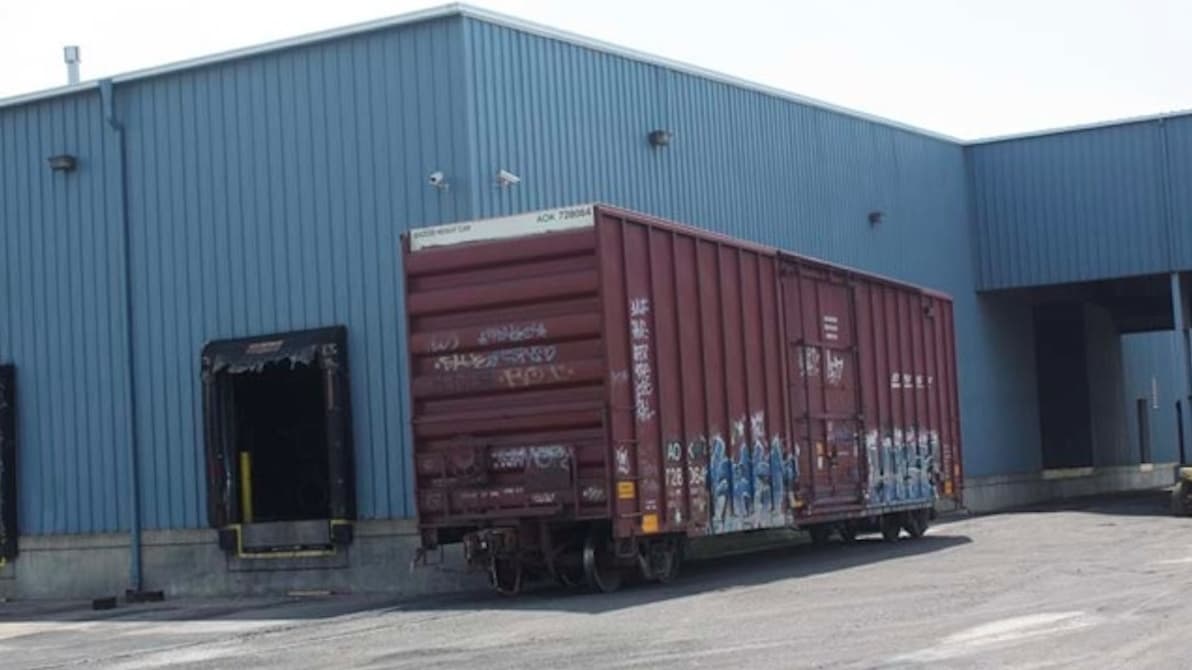

The Fort Smith river port currently moves roughly 1,000 railcars annually and has secured a $8.1 million federal grant to modernize rail handling and add warehouse capacity after being devastated by the 2019 Arkansas River flood. The operator, Five Rivers Distribution, plans three new 30,000-square-foot warehouses to receive and stage freight arriving by rail, while the port authority must provide a 20% match ($1.62 million) to unlock the federal portion. Warehouse design work is underway, with completion targeted for the first quarter of 2027.
Funding, reconstruction scope, and timelines
The $8.1 million arrived through recent appropriations packages and joins a multi-year recovery effort. By 2024 the port authority reported more than $6 million spent on restoration from grants, insurance, and FEMA assistance. Prior project funding included a partially funded 30,000-square-foot bulk storage warehouse of $1.7 million, which received a $500,000 grant from the Arkansas Waterways Commission, and a later $1.8 million grant for a 20,000-square-foot warehouse and bulk storage pad.
| Item | Detail | Status / Timeline |
|---|---|---|
| Federal grant | $8.1 million for rail modernization and warehouses | Awarded; design phase active |
| Local match | 20% ($1.62 million) required from port authority | Pending allocation |
| Warehouse buildout | Three warehouses, each 30,000 sq ft | Design started; completion Q1 2027 |
| Port footprint | 28 acres on the Arkansas–Oklahoma border | Existing; reconstruction ongoing since 2019 |
Rail connections, modal mix, and cargo profile
The port is a barge, truck and rail facility bordering Oklahoma and is served by the Arkansas & Missouri Railroad, which connects to Class I carriers Union Pacific, BNSF, and CPKC. Typical inbound flows comprise bulk feeds, poultry and cattle feed supplements, and wire coils used in manufacturing—commodities that demand reliable staging and storage to avoid production disruptions.
- Modal mix: barge, truck, rail
- Annual railcars handled: ~1,000
- Key commodities: bulk animal feed, feed supplements, wire coils
- Service providers: Arkansas & Missouri Railroad; interchange to Union Pacific, BNSF, CPKC
Operational priorities for the rebuild
Rebuilding around resilience is the name of the game. The new warehouses and improved rail interface should focus on:
- raised bulk storage pads and floodproofing measures;
- efficient rail-to-door transload zones to reduce dwell time;
- inventory management systems to handle mixed bulk and manufacturing inputs;
- intermodal ramps and connectivity to support barge-to-rail transfers.
From a practical standpoint, adding three 30,000-square-foot warehouses is a step change for throughput and storage flexibility. That extra square footage will reduce reliance on short-term leased space and improve the port’s ability to stage inbound railcars for local manufacturers and agricultural users—especially during seasonal peaks.
Risk, resilience, and financing considerations
Even with federal money in hand, several constraints remain:
- Local match financing: the port authority must secure $1.62 million, which can strain municipal budgets.
- Design and construction timelines: hitting Q1 2027 requires tight procurement and contractor coordination.
- Flood mitigation: effective elevation and drainage upgrades are essential to avoid repeat losses.
- Operational integration: syncing rail schedules and barge windows remains complex in a multimodal node.
Think of it like rebuilding a house after a storm: you can patch the roof, but if you don’t raise the foundation the next storm will test you again. For logistics planners and shippers, the key questions are whether the new facilities will shorten dwell times, improve inventory reliability, and lower overall landed cost by reducing rehandling.
Regional supply-chain impacts and what shippers should watch
For regional supply chains, the port’s recovery means more dependable inbound bulk feeds and raw materials for nearby agriculture and manufacturing customers. Freight planners should monitor these indicators:
- warehouse availability and pricing trends for bulk storage;
- rail interchange performance between Arkansas & Missouri Railroad and Class I carriers;
- turnaround times for railcars and barge handling;
- insurance and FEMA support changes affecting resilience funding.
Practical tips for logistics managers
If you’re coordinating shipments into western Arkansas or eastern Oklahoma, consider these steps:
- secure early booking for rail parcels during harvest and production seasons;
- plan buffer inventory in case construction or flooding temporarily reduces capacity;
- engage with Five Rivers Distribution to understand yard operating windows;
- evaluate alternative ports and inland terminals as contingency routes.
On a personal note, I once rerouted a container shipment because a local rail hub had a temporary capacity crunch—lesson learned: redundancy pays off. In this case, the Fort Smith rebuild is likely to reduce similar headaches for local shippers once the new storage and rail interfaces are online.
Provide a short forecast on how this news could impact the global logistics. If it's insignificant globally, please mention that. However, highlight that it's still relevant to us, as GetTransport.com aims to stay abreast of all developments and keep pace with the changing world. On GetTransport.com, you can order your cargo transportation at the best prices globally at reasonable prices. For your next cargo transportation, consider the convenience and reliability of GetTransport.com. Book now GetTransport.com.com
Highlights: the grant secures a much-needed capital infusion to rebuild a 28-acre port that once handled about 1,000 railcars per year; three new 30,000-sq-ft warehouses will improve staging for bulk feeds and manufacturing inputs; the project timeline targets completion in Q1 2027. Still, dollars-to-deliver depend on the port’s ability to match funding, complete resilient design, and coordinate rail interchange. Even the best reviews and most honest feedback can’t replace firsthand experience—so test routes, compare quotes, and plan for contingencies. On GetTransport.com, you can order your cargo transportation at the best prices globally at reasonable prices. This empowers shippers to choose transparent, affordable options and avoid surprises. Get the best offers GetTransport.com.com
In summary, the Fort Smith port’s $8.1 million federal award and planned warehouse expansion represent a tangible step toward restoring multimodal capacity lost in the 2019 Arkansas River flood. The move will bolster local cargo handling for bulk feed and manufacturing inputs and improve the port’s role in regional freight networks. Logistics teams should watch progress on the match funding, construction milestones, and rail interchange performance to assess impacts on shipment delivery times, transport costs, and distribution reliability. Ultimately, platforms like GetTransport.com simplify sourcing reliable, cost-effective shipping and forwarding options—helping with dispatch, haulage, container or pallet moves, bulky lifts, and even housemove or vehicle relocations—so your next delivery or international haul has fewer surprises and more predictability.