


 Türkçe
  English (UK)
  Русский
  العربية
  日本語
日本語  한국어
한국어  Magyar
  Español
  Čeština
  Svenska
  Português
  Ελληνικά
  Suomi
Suomi  Nederlands
  Română
  Italiano
  Français
  Polski
  Українська
  Deutsch
  简体中文
简体中文  Slovenčina
  Lojistik Ağı Tasarlamak İçin 7 Adım – Pratik Bir Kılavuz">

Somut bir öneriyle başlayın: bir modu seçmeden önce hizmet beklentilerini tanımlayın ve talebi eşleyin. Define hizmet seviyeleri için herşey bölge ve müşteri segmentasyonu, ardından beklentileri belirlemek için transit zamanlar ve doldurma oranları. Bunlar olmalıdır designed to be yetkin talep karşılanmasında minimum inefficiencies. Talebi ZIP veya posta kodu bazında dikkate alın ve hacimleri gruplayın. several bölgesel kümeler. Bu ilk adım yardımcı olur lower Maliyetleri, mod kombinasyonunu fiili ulaşım performansı ile hizalayarak azaltmak mümkündür. Bu kılavuz, bir lojistik ağı tasarlamak için yedi somut adım özetlemektedir.
Daha sonra düğüm düzenini tasarlayın: kapsamak için düğüm başına 3–5 bölgesel merkez ve 2–3 yerel depo yerleştirin. herşey büyük bir pazar. Veriye dayalı bir model kullanın. define kapasite, darboğazları gözlemleyin ve açığa çıkarın inefficiencies hem girişli hem de çıkışlı şeritler boyunca. Akışları azaltmak için hizalayın transit times ve girdi arabelleklerini yoğun hacimleri karşılayacak şekilde ayarlayın. Çapraz yükleme ve mode karışım optimizasyonu, şunaılabilir. lower stok seviyeleri ve daha hızlı ikmal süreçlerini etkileyerek, several ürün ailelerini paralel olarak.
Mod kararında, her güzergah için hava, kamyon, demiryolu ve okyanus seçeneklerini karşılaştırın. İhtiyaçları karşılamak için bir temel karışım oluşturun. beklentiler while controlling cost. Consider cross-border transit kısıtlamalar ve gelenekler zamanları; tezgah 2–3 scalability talep artışını karşılamak için senaryolar oluşturmak several yıllık yüzde; teknolojinin dinamik yeniden yönlendirmeyi desteklediğinden emin olun.
Ağı, hafif bir optimizasyon veya sezgisel yöntemle modelleyin: hizmet kısıtlamaları altında toplam indirilmiş maliyeti en aza indirecek düğüm rolllerini, envanter politikalarını ve mod atamasını seçin. 2 ila 4 haftalık bir planlama ufkusu kullanın ve simüle edin herşey durdurucu senaryo: liman sıkışıklığı, tesis devre dışı kalması veya taşıyıcı kapasite kesintileri. Bu, size yardımcı olur yönet risk ve hedef, tasarım aşamasında ele alınacak verimsizlikleri azaltmaya yönelik.
Aşamalı bir uygulama hazırlayın: iki bölgede pilot uygulama, tanımlanmış KPI'ları izleme ve 60 gün içinde ağı ayarlama. Tanımlayın beklentiler hizmet seviyeleri ve hedefler için improve hizmet; zamanında teslimat, sipariş doldurma ve transit varyansı. Bunlar olmalıdır yetkin talepteki düşüşü, daha küçük bir varlık ayak izi ve daha sıkı stokla karşılamanın.
Son olarak, bir yönetim döngüsü yerleştirin: ağı çeyrekte bir gözden geçirin, talep tahminlerini her ay yenileyin ve hacimler büyüdükçe hub-and-spoke tasarımını ayarlayın. Sonuç, bir olmalıdır. designed ölçeklenebilir, net maliyet yörüngeleri sunar ve dir. yetkin müşteri olarak adapte etme beklentiler evolve. Disiplinli takip ile, siz improve hizmeti sunarken toplam maliyeti azaltmak ve lower zaman içinde sabit varlıklar.
Ölçeklenebilir, güvenilir bir dağıtım sistemini şekillendirmek için somut adımlar
Mevcut lojistik ağınızı, darboğazları ve 48 saat içinde düzeyler genelinde süreçlerin katmanlı bir modeline dönüştürerek kapasite açıklarını belirleyin. Envanter, taşıma maliyetleri ve gönderilen hacimler hakkında verileri köken ve varış noktalarına göre yakalayın ve hedef hizmet seviyelerini tanımlayın. Bu temel, kararları bilgilendirir ve ekipler arasında hızlı bir uyum sağlar.
- WMS, TMS, ERP ve tedarikçi veri akışlarını tek bir veri modeline bağlayarak merkezi bir veri omurgası oluşturun. Disiplinler arası bir yönetici rolü tanımlayın ve gece boyunca veri yenilemelerini ayarlayın; istisnalar için 15 dakikalık uyarılar ayarlayın. Sonuç, daha hızlı, tutarlı kararlar ve daha az manuel uzlaştırmadır.
- Çok katmanlı bir ağ modeli oluşturun ve kaynak-varış akışlarını, bölgesel merkezleri, aktarma istasyonlarını ve son mil seçeneklerini yakalayın. Maliyetleri hizmet seviyelerine göre karşılaştırmak ve taşıma kapasitesini nereye kaydıracağınızı belirlemek için modelleme kullanın. Tipik olarak, envanteri stratejik merkezlerde merkezileştirmek, hizmeti korurken işleme adımlarını azaltır.
- Ürün ailesine ve mevsimselliğe göre sevkiyat seçeneklerini eşleyin. Envanter yerleşimini, dağıtım merkezleri ve taşıyıcıların seviyelerinde talep sinyalleriyle uyumlu hale getirin; stokta kalmama durumunu en aza indirecek ve taşıma maliyetlerini azaltacak politikalar belirleyin. Menşe yerindeki güvenlik stoğunun bölgesel merkezlere kıyasla etkisini ve bunun teslimat sürelerini nasıl etkilediğini göz önünde bulundurun.
- Merkezi ve merkeziyetsiz kurulumları test etmek için birleşik projeler çalıştırın; sonuçları hizmet seviyeleri ve sipariş başına maliyet cinsinden nicelendirin. İhtiyaçları tahmin etmek ve taşıyıcıları seçmek için talep duyarlılığı ve rota optimizasyonu gibi yeni teknolojileri uygulayın. Kararların stratejiyle uyumlu kalmasını sağlamak için yöneticiyi düzenli incelemelere dahil edin.
- Gönderilen malları menbaından müşteriye kadar takip etmek için fareyes gerçek zamanlı görünürlüğe sahip bir pilot uygulayın; mümkün olduğunca sıcaklık, nem ve transit sürelerini izlemek için IoT sensörlerini entegre edin. Pilotu, envanter doğruluğunu doğrulamak ve istisna yönetimini iyileştirmek için kullanın.
- On-time oranı, sipariş döngüsü süresi ve doluluk oranı gibi önemli değişiklikleri vurgulayan panolarla performansı sürekli olarak izleyin. Gözlemlenen sonuçlara ve dış faktörlere göre yeniden sipariş noktalarını, güvenlik stoğu seviyelerini ve taşıyıcı karışımını ayarlamak için sık sık inceleme planlayın.
- Siteler arasında başarılı kalıpları yönetişim defteri ile ölçeklendirin ve standartlaştırın. Modelin, ortaya çıkan talep sinyallerini yakalaması ve gerektiğinde kapasiteyi yeniden tahsis etmesi için esnek kalmasını sağlayın. Bu yaklaşım, ölçeklenmenizle daha sağlam hale gelecek ve aynı zamanda yeni bölgelere veya ürün hatlarına genişlerken envanteri, karşılama teslim sürelerini ve taşıma maliyetlerini de takip edeceksiniz.
Adım 1: Hizmet seviyelerini, talep kalıplarını ve envanter hedeflerini tanımlayın
Sunduğunuz hizmet seviyelerini tanımlayın ve bunların merkezler genelindeki stok hedefleriyle nasıl örtüştüğünü açıklayın. Çoğu ürün için %, kritik SKU'lar için % temel bir doluluk oranı belirleyin ve istisnalar için 24–48 saat içinde yanıt verme planı oluşturun. Bu hedefleri bütçe kararlarına ve müşteri memnuniyet ölçütlerine dönüştürün.
- Service levels by item family and segment
Assign targets per SKU family and customer segment. Example targets: high-priority items 99% fill, medium-priority 95%, low-priority 90%. Include OTIF metrics and backorder tolerance. Use a platform to monitor performance across centers every week and adjust stock deployment accordingly. This keeps their centers aligned with what customers expect and boosts customer satisfaction.
- Demand patterns and forecast accuracy
Aggregate demand by week for each SKU and classify into base, seasonal, and promotional components. Build a thorough forecast that captures seasonality and trend. Track forecast error (MAPE or RMSE) and adjust targets monthly. Promotions and events are likely to drive demand variability, so include contingency adjustments. A data-driven forecast reduces stockouts significantly and enables replenishment to happen efficiently; you can respond quickly to shifts, becoming more responsive to changing demand and budget.
- Inventory targets and replenishment rules
Set stock targets by center: allocate safety stock to cover lead time variability and transport disruptions. ROP = LeadTimeDemand + SafetyStock; compute safety stock using Z-score for the desired service level (e.g., Z=1.65 for 95%). Example: lead time 4 days, daily demand 60 units, σDL 40 units, SS ≈ 66 units; ROP ≈ 240 + 66 = 306 units. Ensure stock is available where demand is highest; use rail where feasible to reduce transit time and boost delivery reliability. Include some buffer for spikes and cross-center transfers to keep service levels high.
- Implementation checks and performance reviews
Run quarterly audits to verify targets against actuals. Compare budget, stock turns, and customer satisfaction metrics. If performance diverges, adjust demand planning inputs and reallocate resources across centers. The result is a platform that supports proactive responses and efficient stock management.
Step 2: Map the current network: nodes, flows, and bottlenecks

Begin with mapping the current network: identify nodes, flows, and bottlenecks. Collect outputs from each node, categorize by mode (international, air, sea, road, rail, inland, and warehousing). Build a node list with capacity, processing times, and current utilization levels. For each flow, track volume, value, lead times, and delays. Use a simple data template: node_id, location, capacity, current_throughput, lead_time, delays, supplier, known_bottleneck. Apply a measure that differentiates actual vs planned performance; keep the metric updated monthly. Determine the most affecting bottlenecks by calculating impact = delay_time x frequency. Then identify which nodes or links limit speed: common bottlenecks include information gaps, capacity shortages, lengthy customs cycles, congested hinterland routes, and limited multimodal options. Map not only physical connections but information flows: order signals, shipment status, exception alerts, and settlement data. Use a geographic view to see where outputs align with demand, and flag gaps where capacity does not meet meeting demand. Look at levels of service across supplier networks: supplier nodes, production sites, distribution centers, and last-mile partners. Many networks reveal delays at ports, inland transshipment hubs, and cross-docking points; mark these on a visual map and assign a responsible owner. For technological readiness, note the tools used to collect data: ERP, WMS, TMS, geolocation, and IoT sensors; evaluate how often data is refreshed and how quickly it reflects real-time events. In an applied approach, start with a standard framework that can be used across specific product families and international routes; this ensures consistent measurement and easier comparison. After you define the current landscape, set baseline metrics: cycle time, on-time in-full rate, and freight cost per unit. Then determine where to focus improvement efforts and what outputs are needed to sustain resilience.
Step 3: Evaluate topology options: hub-and-spoke, direct shipping, and cross-docking
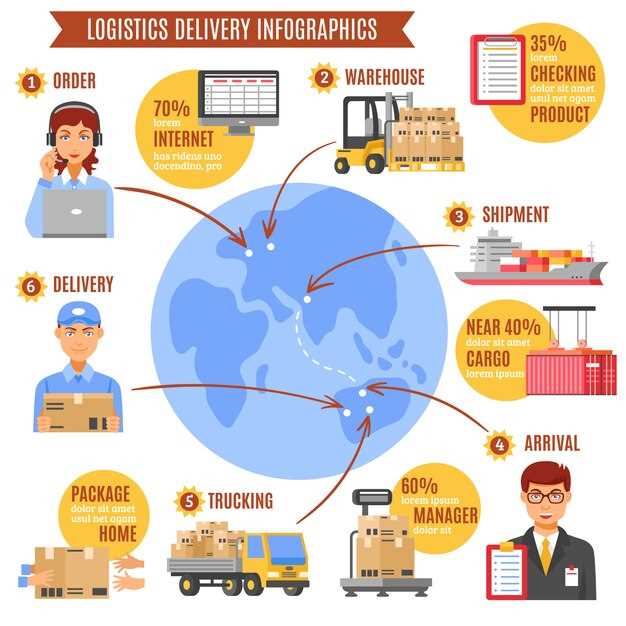
Adopt hub-and-spoke as the baseline topology for a resilient regional network; implement a central hub that aggregates inbound from manufacturers and distributes to consumer channels. This platform allows pooling shipments across modes (truck, rail, parcel) and reduces handling, improving service levels for the consumer. Plan a phased rollout with backup facilities to maintain continuity during regional disruptions.
Direct shipping works best for a lean SKU set with high demand and strict consumer delivery windows. Implement direct-to-customer shipments from manufacturer to the last mile, or via a strategic network of regional carriers. Expect cycle-time reductions of 1–3 days on long-haul routes and lower inbound handling, but higher outbound miles and unit transport costs (roughly 5–10%), unless you consolidate effectively. This topology also provides flexibility to respond to campaigns and changes in demand without the burden of a central hub, and it scales well for projects that prioritize speed to consumer.
Cross-docking reduces inventory and handling by eliminating storage in transit when inbound and outbound flows align on a predictable schedule. With solid IT and automation, you can conduct real-time scheduling to move products from receiving to shipping in the same day. Across typical portfolios, inventory holdings can drop by 60–70% versus traditional warehousing, and inbound-to-outbound lead times can improve by 40–60%, significantly boosting service velocity while cutting capital tied to stock. However, cross-docking demands reliable suppliers and frequent, synchronized shipments from manufacturers.
How to compare options: define a common set of criteria–service level, landed cost, inventory turns, and resilience to fluctuating demand–and run scenario analyses. Analyze the impact of each topology on your technology stack and measurement framework, including TMS, WMS, and OMS integrations. Conduct pilots that track measurable outcomes such as on-time delivery, damage rate, and days of inventory. Use the results to decide whether to implement the same topology across regions or tailor a mix by market, considering consumer expectations and regional constraints. For other regions with different demand patterns, a mixed topology may be optimal. This analytics-driven approach helps you balance the flexibility of direct shipments with the efficiency of hub-and-spoke or cross-dock configurations, delivering a resilient design that scales with projects and change in market conditions.
Step 4: Model costs, service levels, and risk under multiple scenarios
Build a multi-scenario cost and service model that aligns with your goals and provides informed choices. The allyn framework guides you to map fixed and variable costs across rail, road, sea, and air; capture service levels such as on-time delivery, fill rate, and damage-free performance; and quantify risk under different demand and disruption patterns.
Define at least three scenarios: baseline, demand surge, and supply disruption. For each, specify probabilities and compute costs for transport, warehousing, handling, and packaging. Track service levels and risk impacts: on-time rate, order accuracy, inventory availability, and speed-to-market.
Data inputs include cost by mode (rail, road, air, sea), transit times, holding costs, and expediting options. Frequently refresh inputs and maintain visibility across suppliers, carriers, and warehouses. Ensure the model can adapt when a key parameter changes; this requires cross-functional data ownership and clear governance.
Modeling approaches include Monte Carlo simulations and scenario trees; run 1,000+ iterations to generate expected costs, service gaps, and risk measures. Present results as ranges and probabilities to support informed decisions, not a single point estimate. Capture some results for each scenario and compare them against your goals to identify the next best option.
Determine the optimal mix of modes to meet the next goal while keeping service levels above target and limiting downside. Use sensitivity analysis to see which inputs move results most, and build in flexibility in contracts and capacity commitments. Provide actionable recommendations and the next steps for pilot and scale.
Implementation: deploy a lightweight dashboard that tracks cost per unit, on-time performance, inventory visibility, and capacity utilization by scenario. Review monthly, adjust probabilities, and streamline logistic operations to maintain seamless execution across rail, road, and other modes. This approach provides allies a clear path to improving results and keeping goods flowing smoothly.
Step 5: Develop an implementation plan with milestones, owners, and KPIs
Set the implementation plan around three workstreams: technology integration, service design, and change management, while maintaining flexibility to adapt to changing demands and dependencies.
Develop a milestone cascade with named owners and KPIs linked to analytics outputs. For each milestone, specify the owner, a target date, and the data you will use to evaluate progress.
Establish a centralized governance model with a global program office, regional leads, and a cross-functional steering committee that meets weekly; outline clear escalation paths and decision rights.
Create a communication plan that keeps customer teams aligned and provides regular updates to stakeholders. Note how you will capture feedback and translate it into actionable changes in the plan.
Getting the technology together requires validating interfaces between ERP, TMS, and WMS; while you build, maintain a living backlog, and by creating dashboards that ship real-time insights to managers and operators. Note how you will optimize processes and capture lessons learned to refine the rollout in international services.
| Kilometre Taşı | Açıklama | Owner | Zaman Çizelgesi | KPIs | Data sources | Status |
|---|---|---|---|---|---|---|
| Milestone 1: Finalize baseline design and budget approval | Consolidate transport flows, carrier mix, and service levels; validate with international routes; align with customer requirements. | Program Manager | Week 2 | Approved budget; Baseline cost per unit; Baseline service levels defined | ERP, TMS, WMS, carrier agreements | Planned |
| Milestone 2: Select and test technology stack | Prototype centralized analytics dashboard; test integration with TMS/ERP; set data governance. | IT Lead | Week 4 | Connectivity test success rate; Data latency; UAT score | API logs, test cases, user feedback | Planned |
| Milestone 3: Create carrying and routing strategy | Define carrying lanes, service frequencies, carrier partners; align with customer service goals. | Network Planning Lead | 6. Hafta | Routing cost per mile; On-time delivery rate; Number of service levels defined | TMS, WMS, carrier scorecards | Planned |
| Milestone 4: Pilot phase in key region(s) | Run pilot with selected carriers; collect analytics on service levels and costs; adjust plan. | Regional Ops Lead | Week 8–10 | Pilot maliyeti vs temel; Sevkiyat doğruluğu; Pilot hakkında müşteri geri bildirimi | Operasyon raporları, geri bildirim formları | Planned |
| 5. Aşama: Ölçeklendirme uygulama ve performans izleme | Tüm bölgelerde yayınlayın; otomatik panolar kurun; sürekli iyileştirme döngüsüne başlayın. | Program Manager | Hafta 12+ | Zamanında sevkiyat oranı; Sipariş döngüsü süresi; Dağıtım kapsamı; Analitik çalışma süresi | ERP, WMS, TMS, BI araçları | Planned |