


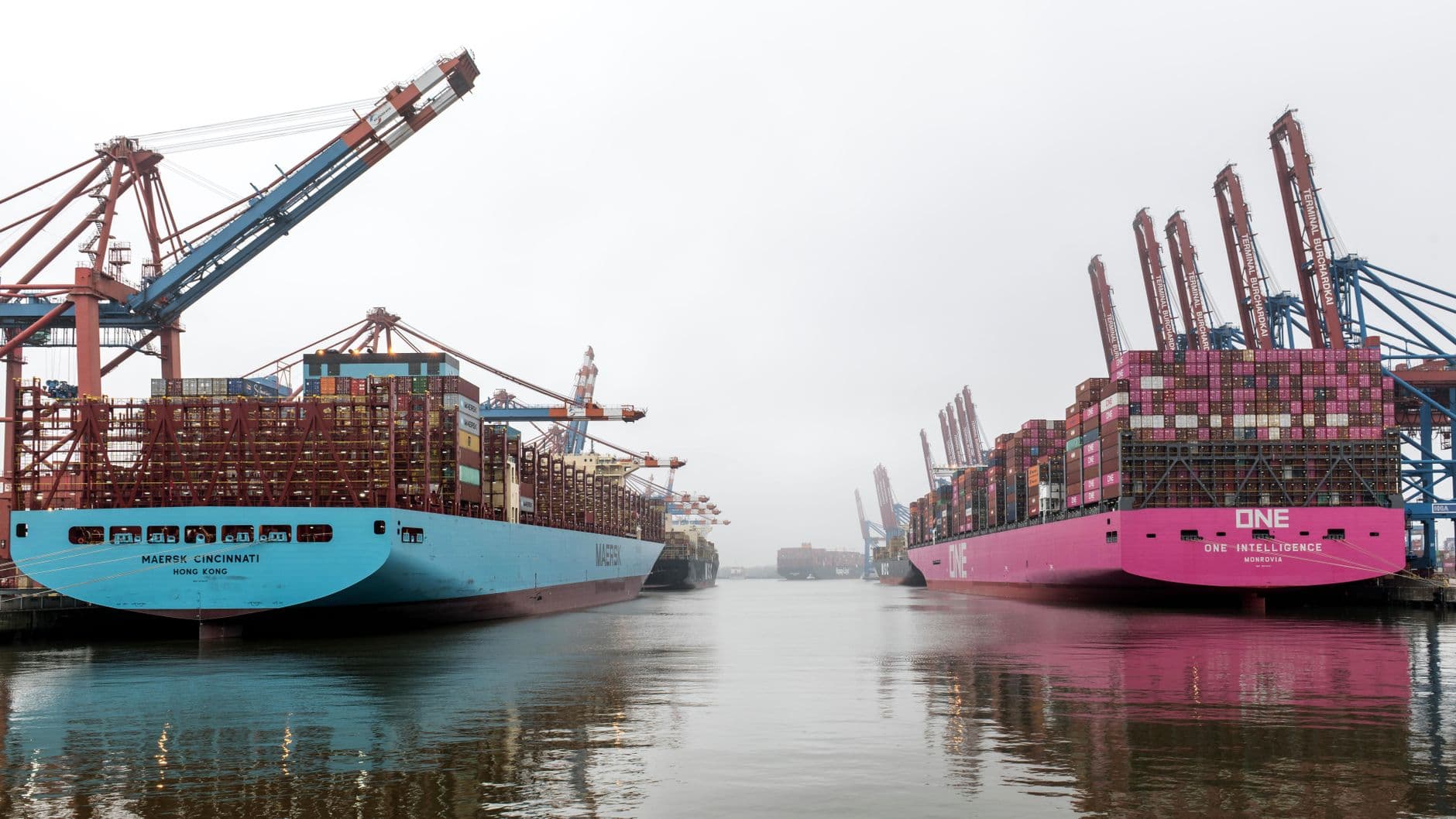

إذا كنت تستورد بضائع إلى الولايات المتحدة عن طريق البحر، فإن تقديم إقرار أمن المستورد (ISF) هو الخطوة الأولى للامتثال التي يجب أن تتم بشكل صحيح، ويتم ذلك قبل أسابيع من وصول حاويتك إلى أي رصيف أمريكي. في حجوزات الشحن البحري المتجهة إلى الولايات المتحدة، يقوم مكتب الامتثال لدينا في GetTransport.com بتنسيق إقرار أمن المستورد (ISF) جنبًا إلى جنب مع الحجز نفسه، لأن البيانات يجب أن تكون نهائية قبل وقت طويل من إبحار السفينة. سيرشدك هذا الدليل إلى ماهية الإقرار، واثنتي عشرة نقطة بيانات وراء اسم "10+2"، والموعد النهائي الذي يربك المستوردين الجدد، والعقوبات المترتبة على ارتكاب خطأ فيه.
ماهي "10+2" الخاصة بـ ISF بالفعل
يرد الإقرار الأمني للمستورد، والذي يُختصر عالميًا إلى ISF أو قاعدة "10+2"، كتقديم إلكتروني إلزامي يتطلبه مكتب الجمارك وحماية الحدود الأمريكية (CBP) للشحنات البحرية المتجهة إلى الولايات المتحدة. وفقًا لمكتب الجمارك وحماية الحدود الأمريكية، نشأت القاعدة من قانون ميناء آمن (SAFE Port Act) وتم نشرها كقاعدة نهائية في نوفمبر 2008. دخلت حيز التنفيذ في 26 يناير 2009، تلتها فترة اثني عشر شهرًا من الإنفاذ المقيد انتهت في 26 يناير 2010. ثم شدد مكتب الجمارك وحماية الحدود الأمريكية من نهجه على مراحل، وأصبح نظام العقوبات أكثر صرامة بعد بضع سنوات من ذلك.
اللقب حرفي. المستورد مسؤول عن عشرة عناصر بيانات، ويضيف الناقل البحري عنصرين آخرين. عشرة زائد اثنين. الغرض هو تقييم المخاطر: تستخدم الجمارك وحماية الحدود (CBP) الإيداع لفحص الشحنات بحثًا عن تهديدات أمنية قبل التحميل، بدلاً من بعد عبور الشحنة للمحيط بالفعل. إنه برنامج أمني أولاً وبرنامج تجاري ثانيًا.
12 عناصر بيانات في لمحة سريعة
ها هي المجموعة الكاملة. العناصر العشرة الخاصة بالمستورد هي تلك التي تتحكم فيها أنت ووسيطك؛ العناصر الخاصة بشركة الشحن يتم تقديمها بواسطة خط السفن البخارية.
| الجهة المسؤولة | عنصر البيانات |
|---|---|
| مستورد (1) | اسم وعنوان البائع (المالك) |
| مستورد (2) | اسم وعنوان المشتري (المالك) |
| مستورد (3) | رقم المستورد المسؤول أو رقم تعريف مقدم طلب المنطقة الحرة |
| مستورد (4) | أرقام المستلمين |
| مستورد (5) | اسم وعنوان الشركة المصنعة (المورد) |
| مستورد (6) | اسم وعنوان جهة الشحن |
| ٠مستورد (7) | بلد المنشأ |
| المستورد (8) | رقم النظام المنسق للسلع (6 أرقام على الأقل) |
| مستورد (9) | مكان ملء الحاوية |
| مستورد (10) | اسم وعنوان الموحد (المعدّ) |
| شركة الاتصالات (+1) | خطة تخزين السفينة |
| حامل (+2) | رسائل حالة الحاوية (CSM) |
فارق دقيق مفيد يغفل عنه العديد من المستوردين للمرة الأولى: ليست كل العناصر تحمل نفس الموعد النهائي. تعامل الجمارك وحماية الحدود الأمريكية (CBP) أربعة من العناصر العشرة على أنها مرنة. يمكنك تقديم أفضل البيانات المتاحة لديك لدى الشركة المصنعة، والطرف المستلم للشحن، وبلد المنشأ، ورقم HTSUS في الموعد النهائي الأولي، ثم تحديثها فور وصول معلومات أكثر تأكيدًا. يمكن أيضًا توفير موقع ملء الحاوية والجهة المجمعة لاحقًا، على الرغم من أنه لا يتجاوز 24 ساعة قبل وصول السفينة إلى الولايات المتحدة.
متى يجب تقديم ISF؟
هذا هو الجزء الأكثر سوء فهمًا للقاعدة. يجب على المستوردين نقل العناصر العشرة الخاصة بهم إلى هيئة الجمارك وحماية الحدود في موعد لا يتجاوز 24 ساعة قبل تحميل البضائع على السفينة في الميناء الأجنبي. ليس قبل 24 ساعة من الوصول إلى الولايات المتحدة. أربعة وعشرون ساعة قبل التحميل في الخارج.
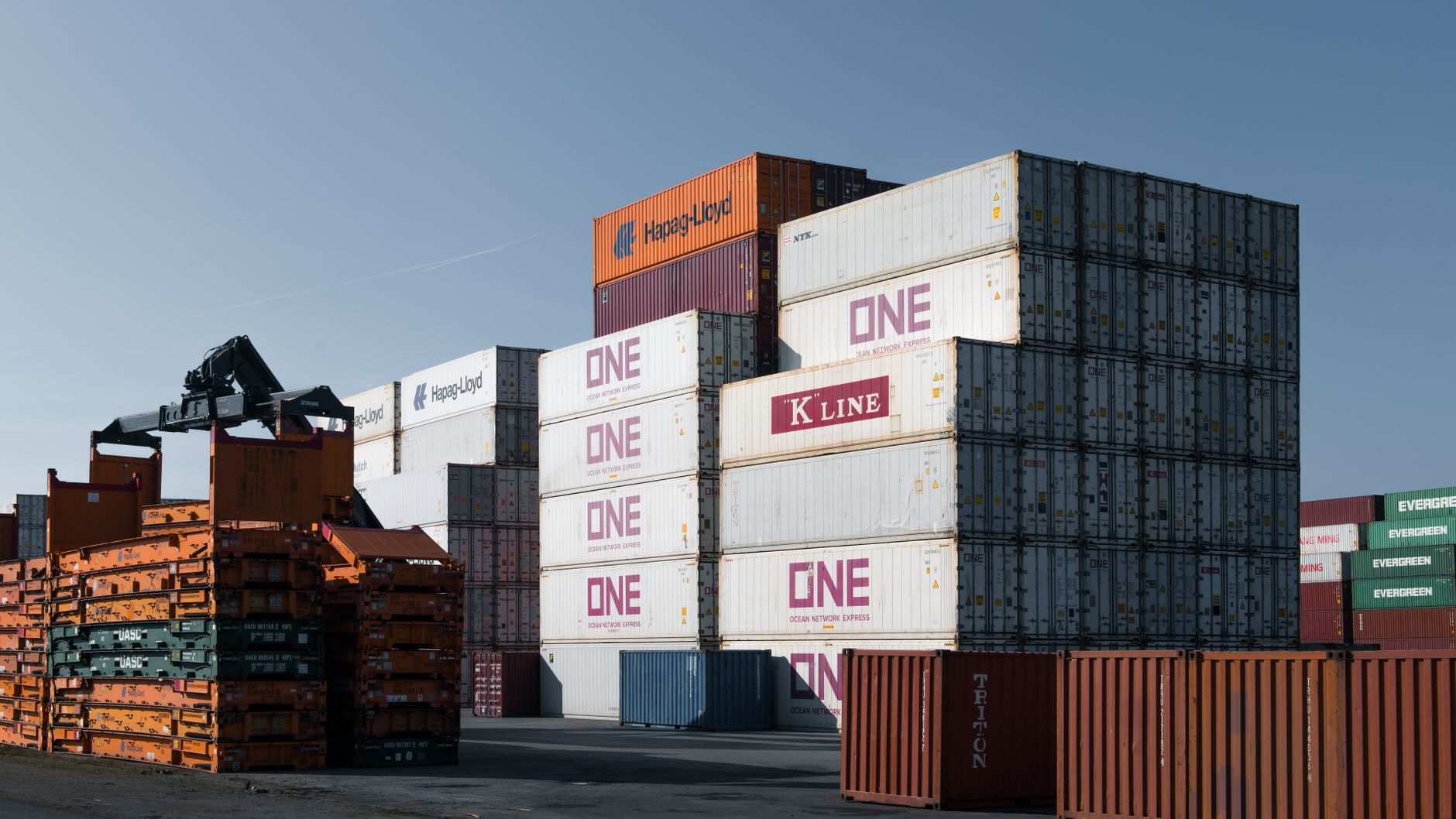
في الواقع، هذا يعني أن تقديم المستندات الخاصة بك غالبًا ما يكون محددًا قبل أسابيع من وصول السفينة إلى ميناء أمريكي، لأن رحلات المحيط من آسيا أو الخليج يمكن أن تستغرق من أسبوعين إلى أربعة أسابيع. ينظر الناقل إلى عنصرين مختلفين: خطة تحميل السفينة مستحقة في موعد لا يتجاوز 48 ساعة بعد المغادرة من آخر ميناء أجنبي، وتتدفق رسائل حالة الحاويات فور وقوع الأحداث. إذا كنت جديدًا في مجال الشحن البحري، فإن نظرتنا الشاملة لـ أساسيات التخليص الجمركي للمستوردين هي قراءة مصاحبة جيدة.
من يقوم بتقديم طلب ISF، ومن المسؤول عنه؟
الطرف المسؤول قانونًا هو "مستورد ASFE"، الذي تعرفه الجمارك وحماية الحدود بأنه الطرف الذي يتسبب في وصول البضائع إلى الولايات المتحدة عن طريق السفينة. بالنسبة لمعظم الشحنات، يكون ذلك هو المستورد المسجل، أو المالك، أو المشتري، أو المرسل إليه. يتحمل هذا الطرف المسؤولية سواء قام بإدخال البيانات بنفسه أو لا.
لا يقوم به أحد تقريبًا بنفسه. في الغالبية العظمى من الحالات، يقوم وسيط جمارك مرخص أو وكيل شحن لديه وسيط داخلي بتقديم إقرار ISF نيابة عن المستورد، باستخدام وكالة صالحة وسند ISF. هذا الترتيب طبيعي ومشجع. هناك نقطة واحدة جديرة بالتصحيح، مع ذلك: تفويض تقديم الإقرار لا يفوض المسؤولية. إذا قدم الوسيط الإقرار متأخرًا أو أخطأ في ترميز HTSUS، فإن CBP لا تزال تبحث عن المستورد ISF لتطبيق العقوبة. تنتقل الأوراق، لا تنتقل المسؤولية.
الغرامات: التعويضات المقطوعة وكيفية التخفيف منها
تنفذ الجمارك وحماية الحدود (CBP) متطلبات خطة أمن الشحن (ISF) من خلال التعويضات المحددة، وهي غرامات تعاقدية مرتبطة بكفالة الجمارك الخاصة بك بدلاً من الغرامات الجنائية. وفقًا لإرشادات الجمارك وحماية الحدود (CBP) بشأن العقوبات، فإن التقييم القياسي هو 5,000 دولار لكل انتهاك لمتطلبات خطة أمن الشحن (ISF) إذا كانت متأخرة أو غير دقيقة أو غير كاملة أو لم يتم سحبها أبدًا عند إلغاء الشحنة. نظرًا لأن شحنة واحدة يمكن أن تنتهك القاعدة بأكثر من طريقة، على سبيل المثال تم تقديمها متأخرة وربما بتحتوي على بيانات خاطئة، يمكن أن يصل إجمالي التعرض لشحنة واحدة إلى 10,000 دولار.
تصلبت إجراءات الإنفاذ على مراحل. كانت نقطة الانطلاق الناعمة في عام 2010، عندما انتهت الفترة المرنة. أما النقطة الأكثر صرامة فقد حلت في 9 يوليو 2013، عندما انتقلت الجمارك وحماية الحدود الأمريكية (CBP) إلى مرحلة الأضرار السائلة بحزم، وبدأت في إصدار رسائل "لا تحمل" (Do Not Load) للموانئ الأجنبية، وبدأت في فرض قيود الشحن في نظام ACE (Automated Commercial Environment) على الشحنات غير الملتزمة. ومع ذلك، فإن الكثير من إجراءات الإنفاذ اليومية تعتمد على تقدير الموانئ المحلية. تقرر الموانئ ما يعتبر "تأخيراً كبيراً" وغالباً ما تحذر أولاً. قد يقيم أحد الموانئ الأضرار فقط عندما يتأخر تقديم إخطار أمن الشحن (ISF) بأكثر من 10 أيام أو يتم تقديمه قبل الوصول بأقل من 48 ساعة، بينما يضع ميناء آخر حداً أكثر صرامة.
الخبر السار هو أن الرقم الأولي نادرًا ما يكون الرقم النهائي. تسمح مبادئ الجمارك وحماية الحدود (CBP) للمستورد بالتماس التخفيف، وحيث تجد الوكالة أنه لم يتم المساس بأي هدف لإنفاذ القانون، يتم عادةً إلغاء المطالبة عند دفع مبلغ يتراوح بين 1000 دولار و 2000 دولار، اعتمادًا على العوامل المخففة والمشددة. بغض النظر عن الأموال، فإن قائمة معلومات الشحن (ISF) السيئة تستدعي متاعب تشغيلية: فحوصات مكثفة من قبل الجمارك وحماية الحدود وتعليق في المحطات التي تؤخر الشحنة بأكملها. غالبًا ما تتجاوز تكاليف التأخير العقوبة نفسها.
كيف نحافظ على نظافة إيداعات ISF
إن حالات عدم التطابق في إقرار المعلومات الجمركية (ISF) التي نراها تحدث دائمًا تقريبًا بسبب مشاكل في البيانات، وليس بسبب مشاكل في آلية التقديم. يغير المورد مصنع التصنيع ولا يقوم أحد بتحديث إقرار المعلومات الجمركية. فاتورة تجارية تسرد رمز النظام المنسق ذو الأرقام الستة الذي لا يتطابق مع الإدخال. يتم إعادة تحميل حاوية في موقع مختلف عن الذي افترضته الحجز. لا شيء من هذه الأمور غريب. إنها انحرافات عادية في سلسلة التوريد، وتصبح عقوبات عندما لا يقوم أحد بتسوية البيانات قبل الموعد النهائي.
بعض الممارسات التي نعتمد عليها، ونوصي بها لأي مستورد يشحن عبر ممرات المحيطات الأمريكية:
- قدم مبكرًا، وحدّث بتأنٍ. قدم الطلب حالما يكون الحجز مؤكدًا، ثم استخدم العناصر المرنة للتحسين بدلًا من أن تكون عذرًا للانتظار.
- مطابقة معلومات ISF مع الفاتورة التجارية وقائمة التعبئة. يجب أن تتفق معلومات البائع والمشتري والشركة المصنعة و HTSUS عبر المستندات الثلاثة قبل إرسالها.
- احتفظ بوكالة الطاقة وسند ISF ساري المفعول. قد يؤدي انتهاء صلاحية السند إلى إيقاف تقديم الطلب تمامًا في أسوأ الأوقات.
- **إلغاء الحجوزات الملغاة.** الشحنة التي لا تبحر أبدًا لا تزال بحاجة إلى سحب إقرار المعلومات الجمركية (ISF)، وإلا فإنها تُحتسب كـ انتهاك.
- طابق توقيت ISF مع استراتيجية مسؤوليتك. إذا كانت البضائع ستنتقل إلى مستودع قبل التسجيل، فنسق عملية التقديم مع مستودع مجمرك وخطة تأجيل الرسوم الجمركية الخاص بك حتى لا يحدث أي تعارض لاحقًا.
تختلف قواعد الامتثال أيضًا بشكل حاد حسب الوجهة، لذا يتعين على الفريق الذي يستورد إلى أكثر من سوق تتبع المزيد من النظام الأمريكي. إذا كانت شبكتك تمس أيضًا أمريكا اللاتينية، فإن التعديل الأخير الذي تم تناوله في دليل إصلاح قانون الجمارك المكسيكي الخاص بنا هو تذكير بأن "نحن نقدم ISF" ليس هو نفس الشيء مثل "نحن متوافقون في كل مكان".
أسئلة متكررة
ما هو ISF 10+2؟
ISF 10+2 هو تقديم أمن المستورد، وهو تقديم إلكتروني إلزامي إلى الجمارك وحماية الحدود الأمريكية للشحنات البحرية التي تدخل الولايات المتحدة. يقوم المستورد بتوفير 10 عناصر بيانات ويقوم الناقل البحري بتوفير عنصرين، ومن هنا يأتي اسم "10+2". انتهت فترة التطبيق المرنة في 26 يناير 2010، وشّددت الجمارك وحماية الحدود العقوبات بشكل أكبر من 9 يوليو 2013.
متى يجب تقديم ISF؟
يجب أن تصل بيانات المستورد إلى الجمارك وحماية الحدود (CBP) قبل 24 ساعة على الأقل من تحميل البضائع على السفينة في الميناء الأجنبي. هذا يعني قبل 24 ساعة من التحميل في الخارج، وليس قبل الوصول إلى الولايات المتحدة، لذلك غالبًا ما يتم تقديم الطلب قبل أسابيع من رسو السفينة في الولايات المتحدة.
ما هي العقوبات على تقديم إقرار معلومات الشحن (ISF) متأخرًا أو غير دقيق؟
وفقًا لهيئة الجمارك وحماية الحدود (CBP)، تبلغ غرامات الأضرار المصّفية 5000 دولار لكل مخالفة في حال تقديم طلب متأخر أو غير دقيق أو غير مكتمل، مع إمكانية تعرض شحنة واحدة لمبلغ يصل إلى 10000 دولار. يمكن للمستوردين تقديم التماس للتخفيف، وغالباً ما يتم إلغاء المطالبات عند دفع مبلغ يتراوح بين 1000 دولار و 2000 دولار عندما لم يتم المساس بأهداف أمنية.
من يقدم ملف ISF؟
الطرف المسؤول قانونيًا هو المستورد ISF، وعادة ما يكون مستورد السجل، أو المالك، أو المشتري، أو المرسل إليه. يقوم وسيط جمارك مرخص أو وكيل شحن عادةً بإرسال الإيداع بموجب وكالة، لكن يظل المستورد مسؤولاً قانونيًا حتى عندما يقوم شخص آخر بالإيداع.
ما هي البيانات الموجودة في الإيداع 10+2؟
العناصر المستوردة العشرة هي: البائع، والمشتري، ورقم المستورد السجل، ورقم المستلم، والشركة المصنعة، والجهة المرسل إليها، وبلد المنشأ، ورقم HTSUS، وموقع تعبئة الحاويات، والموحد. عنصرا الناقل هما: خطة ترحيل السفينة ورسائل حالة الحاويات.
ما هو ISF-5، وكيف يختلف؟
ISF-5 هو النموذج المختصر للشحنات التي تعبر الولايات المتحدة بدلاً من دخولها في تجارتها، مثل الشحن الذي يظل على متن السفينة (FROB) وعمليات التصدير الفوري. كما يوحي الاسم، فإنه يتطلب 5 عناصر بيانات فقط بدلاً من 10 التي يقدمها المستورد للبضائع التي يتم استيرادها فعليًا. يتعامل معظم المستوردين الأمريكيين مع ISF-10 القياسي.
هل تطبق ISF على الشحنات الجوية أو الشحنات بالشاحنات؟
لا. تنطبق قاعدة ISF 10+2 فقط على الشحن البحري الذي يصل إلى الولايات المتحدة. لا يخضع الشحن الجوي، والبضائع التي تدخل عن طريق الشاحنات أو السكك الحديدية عبر الحدود البرية، لقاعدة ISF، على الرغم من أنها تحمل متطلبات بيانات مسبقة خاصة بها.