


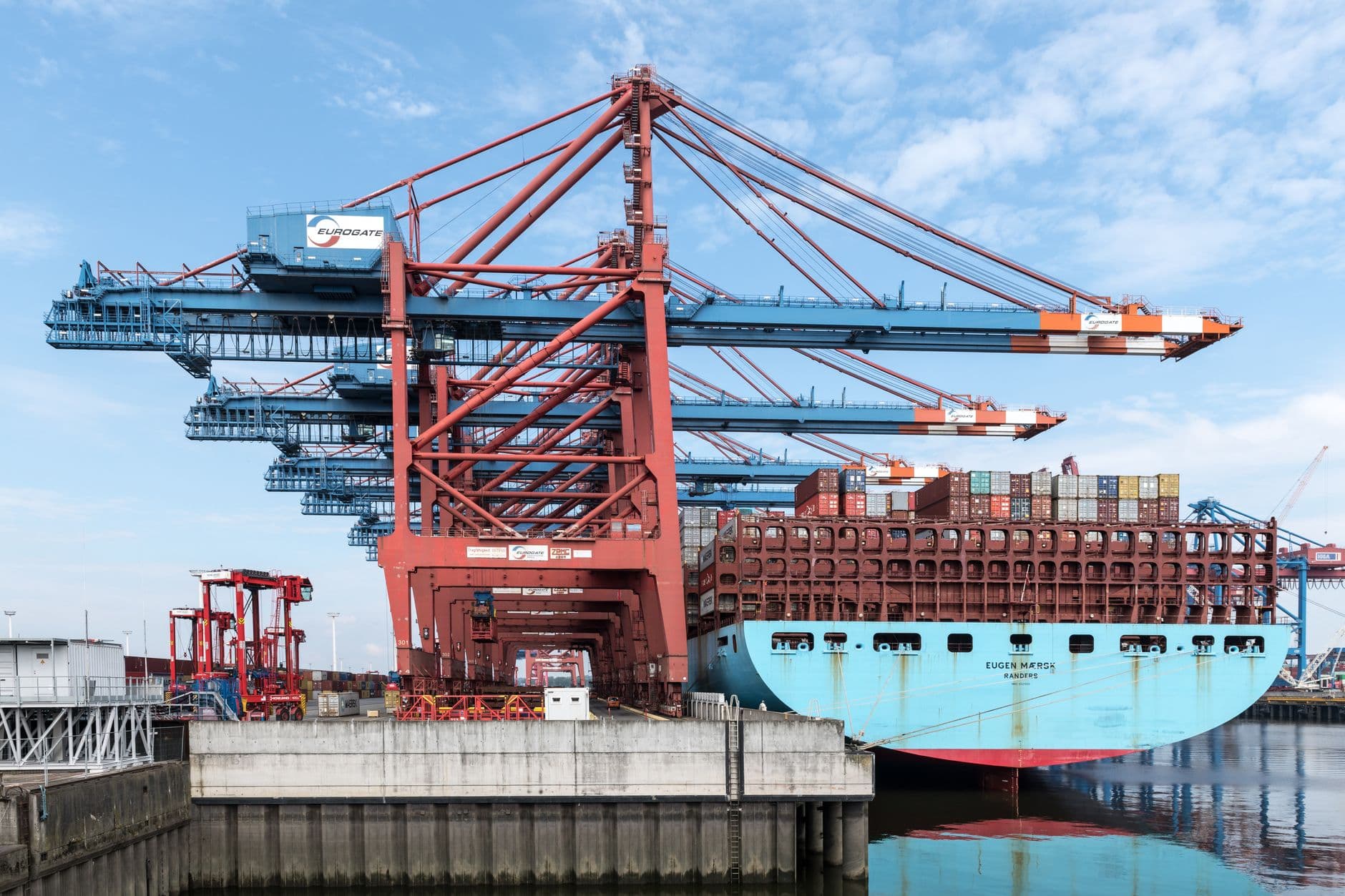

Σε κρατημένες κρατήσεις που χειρίζεται το τμήμα μας, προκύπτει ξανά και ξανά η ίδια δυσκολία χρηματοδότησης εμπορίου: τα μέρη πωλούν με FCA (Franko Carried Forward), τα εμπορεύματα μετακινούνται δια θαλάσσης, και στη συνέχεια η τράπεζα αρνείται να πληρώσει επειδή η πιστωτική επιστολή ζητάει φορτωτική επί του πλοίου (on-board bill of lading) την οποία ο πωλητής δεν μπορεί να αποκτήσει. Είναι ένα ελλιπές έγγραφο, όχι ένα φυσικό κενό. Το φορτίο έχει φορτωθεί και τα χρήματα είναι έτοιμα, ωστόσο μια μοναδική ελλιπής σημείωση καθυστερεί τη συμφωνία. Οι Incoterms 2020 πρόσθεσαν μια συγκεκριμένη λύση, και αξίζει να τη γνωρίζετε πριν την επόμενη πώλησή σας με FCA υπό πίστωση.
FCA σημαίνει Free Carrier (Ελεύθερος Μεταφορέας) στους Incoterms 2020.
Το FCA σημαίνει Free Carrier. Είναι ένας από τους έντεκα κανόνες του συνόλου Incoterms 2020 του ICC, ο οποίος τέθηκε σε ισχύ την 1η Ιανουαρίου 2020 ως η ένατη αναθεώρηση από τότε που οι όροι δημοσιεύτηκαν για πρώτη φορά το 1936. Επτά από αυτούς τους κανόνες λειτουργούν για οποιονδήποτε τρόπο μεταφοράς: EXW, FCA, CPT, CIP, DAP, DPU και DDP. Οι άλλοι τέσσερις είναι γραμμένοι μόνο για θαλάσσιες και εσωτερικές πλωτές μεταφορές, και το FOB βρίσκεται σε αυτή την ομάδα δίπλα στα FAS, CFR και CIF.
Σύμφωνα με τον όρο FCA, ο πωλητής παραδίδει τα εμπορεύματα σε έναν μεταφορέα που έχει ορίσει ο αγοραστής σε ένα ονομασμένο τόπο, και ο κίνδυνος μεταβιβάζεται σε εκείνο το σημείο. Οι κανόνες Incoterms 2020 του ICC περιγράφουν δύο καταστάσεις. Εάν ο ονομασμένος τόπος είναι ο ίδιος ο χώρος του πωλητή, ο κίνδυνος μεταβιβάζεται μόλις τα εμπορεύματα φορτωθούν στο όχημα συλλογής του αγοραστή. Εάν είναι κάπου αλλού, π.χ. ένας τερματικός σταθμός εμπορευματοκιβωτίων στο λιμάνι, ο πωλητής έχει παραδώσει όταν τα εμπορεύματα φτάσουν έτοιμα για εκφόρτωση από τη δική του μεταφορά. Σε κάθε περίπτωση, ο αγοραστής κανονίζει την κύρια μεταφορά. Αυτό το χαρακτηριστικό καθιστά τον FCA κατάλληλο για τη σύγχρονη εφοδιαστική εμπορευματοκιβωτίων, και είναι επίσης η ρίζα του προβλήματος της γραφειοκρατίας.
Γιατί μια τραπεζική εγγύηση απαιτεί φορτωτική επί του πλοίου
Η πιστωτική επιστολή είναι μια υπόσχεση της τράπεζας να πληρώσει τον πωλητή μόλις παρουσιαστούν τα καθορισμένα έγγραφα. Αυτά τα έγγραφα διέπονται από τους UCP 600, τους Ενιαίους Κανόνες και Πρακτικές για Πιστωτικές Επιστολές του ICC που δημοσιεύθηκαν το 2007 και εξακολουθούν να εφαρμόζονται από τις περισσότερες τράπεζες χρηματοδότησης εμπορίου. Το Άρθρο 20 των UCP 600 ορίζει τι πρέπει να αναγράφεται στην φορτωτική: ότι τα εμπορεύματα έχουν φορτωθεί επί του σκάφους σε συγκεκριμένο πλοίο στο λιμάνι φόρτωσης της πίστωσης, είτε μέσω προεκτυπωμένου κειμένου είτε μέσω σημείωσης επί του σκάφους που φέρει την ημερομηνία αποστολής.
Οι τράπεζες στηρίζονται σε αυτό το αποδεικτικό στοιχείο για κάποιο λόγο. Αποδεικνύει ότι τα εμπορεύματα έχουν πράγματι φύγει, όχι απλώς ότι ένας μεταφορέας τα παρέλαβε για μελλοντική αποστολή. Ένα έγγραφο «παραληφθέν για αποστολή» δεν πληροί αυτήν την προϋπόθεση. Έτσι, μια πίστωση που απαιτεί φορτωτική «on board» (επί του πλοίου) αναγκάζει τον πωλητή να παρουσιάσει ένα έγγραφο που μόνο ο θαλάσσιος μεταφορέας μπορεί να σφραγίσει, και μόνο αφού φορτωθεί το κοντέινερ. Αν παραλειφθεί η σημείωση, η τράπεζα επισημαίνει μια αναντιστοιχία.
Το χάσμα που δημιούργησε η FCA πριν από το 2020
Εδώ συγκρούονταν παλαιότερα η FCA και η πιστωτική επιστολή. Σύμφωνα με την FCA, ο αγοραστής συμβάλλεται με τον θαλάσσιο μεταφορέα, οπότε πελάτης του μεταφορέα είναι ο αγοραστής, όχι ο πωλητής. Όταν φορτωθεί το κοντέινερ, ο μεταφορέας εκδίδει τη φορτωτική επί του πλοίου σε όποιον έκανε την κράτηση του χώρου, συνήθως στον αγοραστή ή στον ναυτιλιακό του πράκτορα. Ο πωλητής, ο οποίος χρειάζεται ακριβώς αυτό το έγγραφο για να αντλήσει κεφάλαια από την πίστωση, δεν έχει άμεσο δικαίωμα σε αυτό.
Έτσι, ο πωλητής είχε κολλήσει. Είχε κάνει ό,τι απαιτούσε η FCA, παραδίδοντας το φορτίο στο τερματικό, αλλά δεν μπορούσε να λάβει το έγγραφο που ήθελε η τράπεζα. Οι πωλητές συνηθίζουν να παρακάμπτουν αυτό το πρόβλημα επιστρέφοντας στο FOB, ή δρομολογώντας την κράτηση μέσω του δικού τους μεταφορέα ώστε ένα φορτωτικό να εκδοθεί στο όνομά τους. Και οι δύο λύσεις είχαν ένα κόστος, και η οδός FOB φέρνει την αναντιστοιχία των εμπορευματοκιβωτίων που καλύπτουμε παρακάτω. Η πιο καθαρή απάντηση ήταν να κάνει η ίδια η FCA να παράγει το σωστό έγγραφο.
Τι άλλαξε στα Incoterms 2020 για τον όρο FCA
Οι κανόνες Incoterms 2020 του ICC πρόσθεσαν μια προαιρετική διάταξη εντός του FCA, στα άρθρα A6/B6 σχετικά με το έγγραφο μεταφοράς, που στοχεύει ευθέως στην περίπτωση της πιστωτικής επιστολής. Ο αγοραστής και ο πωλητής μπορούν να συμφωνήσουν στη σύμβαση πώλησης ότι ο αγοραστής θα δώσει οδηγίες στον μεταφορέα του να εκδώσει μια φορτωτική επί του πλοίου στον πωλητή μόλις φορτωθούν τα αγαθά. Στη συνέχεια, ο πωλητής παρουσιάζει αυτό το έγγραφο στην τράπεζα και πληρώνεται, ενώ ο κίνδυνος εξακολουθεί να μεταφέρεται νωρίτερα στον ονομαστικό τόπο.
Δύο πράγματα αξίζει να τονιστούν. Ο μηχανισμός είναι προαιρετικός, οπότε λειτουργεί μόνο αν τον συμπεριλάβετε στη σύμβαση. Και ο μεταφορέας δεν υποχρεούται νομικά να συμμορφωθεί μόνο επειδή το ζητά ο αγοραστής. Όταν η ομάδα μας συντονίζει αυτές τις κρατήσεις, επιβεβαιώνουμε ότι η γραμμή θα τιμήσει το αίτημα επί του πλοίου πριν δεσμευτεί ο πωλητής, επειδή μια άρνηση μετά τη φόρτωση είναι η χειρότερη στιγμή για να το ανακαλύψετε. Αξιόπιστοι μεταφορείς το χειρίζονται συνήθως, αλλά η επιβεβαίωση πρέπει να γίνει εκ των προτέρων.
FCA εναντίον FOB: γιατί το FCA είναι ο σωστός όρος για τα εμπορευματοκιβώτια
Το FOB είναι ένας από τους παλαιότερους όρους στο σύνολο, και η λογική του ανήκει στα φορτία γενικού φορτίου (break-bulk cargo) που ο πωλητής μπορούσε να δει να περνά πάνω από το πλοίο. Σύμφωνα με το FOB, ο κίνδυνος παραμένει στον πωλητή μέχρι τα εμπορεύματα να βρεθούν στο πλοίο στο λιμάνι φόρτωσης. Το μοντέλο υποθέτει ότι ο πωλητής ελέγχει το φορτίο μέχρι εκείνη τη στιγμή.
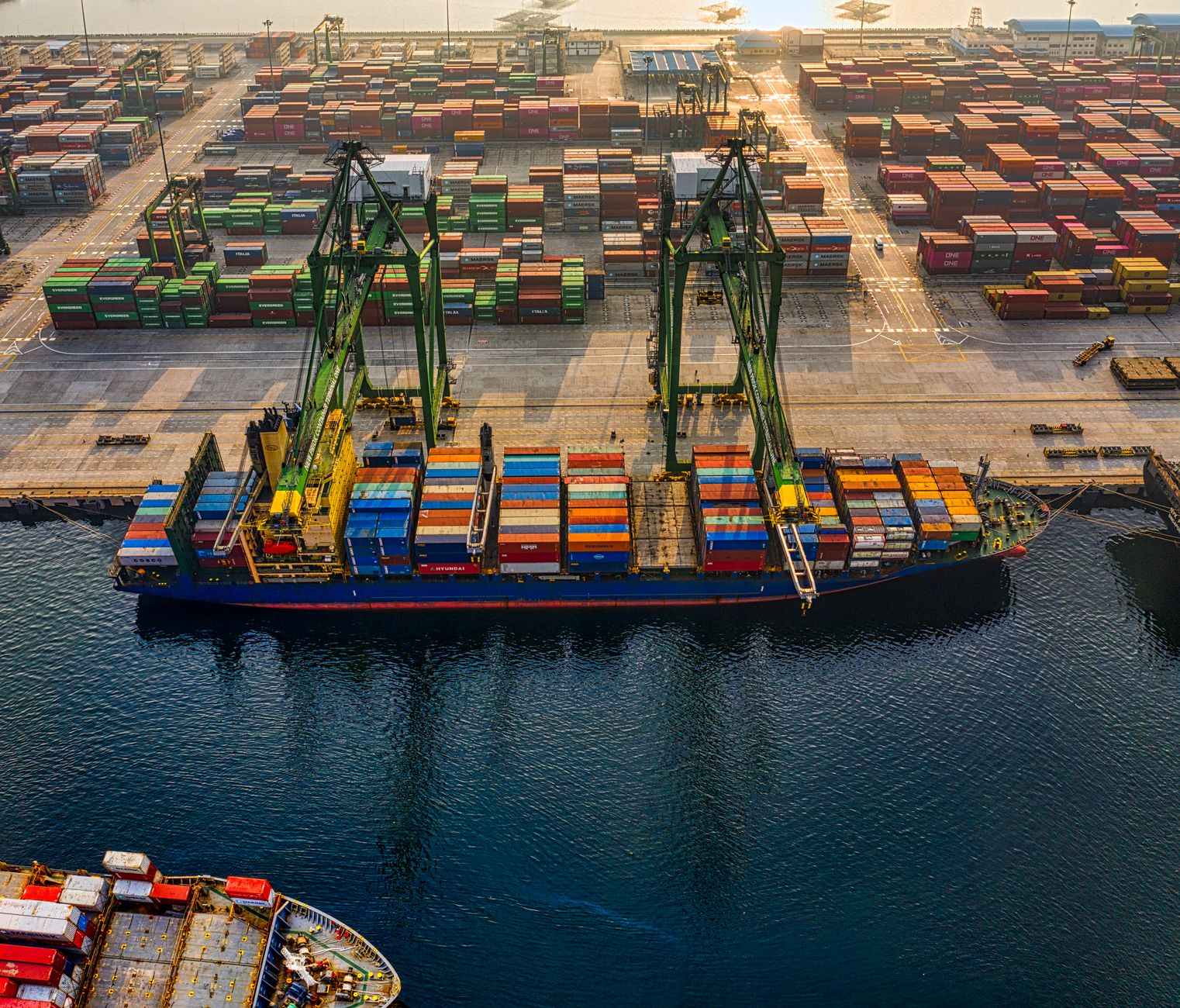
Τα κοντέινερ δεν λειτουργούν έτσι. Ο αποστολέας παραδίδει το κιβώτιο στον τερματικό σταθμό ημέρες πριν φτάσει το πλοίο, και ο διαχειριστής του τερματικού σταθμού και η γραμμή ελέγχουν τα πάντα μετά από αυτό. Κατά τη διάρκεια αυτών των ημερών, το κοντέινερ είναι εκτός των χεριών του πωλητή, ωστόσο, σύμφωνα με τους όρους FOB, ο πωλητής εξακολουθεί να φέρει τον κίνδυνο. Εάν καταρρεύσει μια στοίβα ή ξεσπάσει πυρκαγιά στον τερματικό σταθμό πριν από τη φόρτωση, αυτή η απώλεια θα βαρύνει τον λογαριασμό του πωλητή. Ο όρος FCA κλείνει αυτό το παράθυρο, μεταβιβάζοντας τον κίνδυνο στον τερματικό σταθμό, όπου ουσιαστικά τελειώνει ο έλεγχος του πωλητή.
Ένα σημείο που αξίζει διόρθωσης: η κοινή πεποίθηση ότι το FOB είναι απλώς ο "κανονικός" όρος για οποιαδήποτε θαλάσσια αποστολή, συμπεριλαμβανομένων των εμπορευματοκιβωτίων. Δεν είναι. Το ICC αναφέρει ξεκάθαρα ότι για εμπορεύματα σε εμπορευματοκιβώτια οι σωστές επιλογές είναι FCA, CPT ή CIP, και όχι FOB, CFR ή CIF. Η επιλογή του όρου είναι μια απόφαση κόστους όσο και κινδύνου, και τροφοδοτεί τον τρόπο που λειτουργεί η Οι επιλογές εφοδιαστικής διαμορφώνουν το τελικό κόστος ενός προϊόντος. Η επιλογή του FOB για ένα κιβώτιο επειδή "όλοι το κάνουν" είναι ο τρόπος με τον οποίο οι πωλητές καταλήγουν να ασφαλίζουν έναν κίνδυνο που δεν ελέγχουν πλέον.
| Δυνατότητα | FCA (Ελεύθερος Μεταφορέας) | FOB (Ελεύθερο κατά πλοίο) |
|---|---|---|
| Εφαρμοστέα μεταφορά | Οποιαδήποτε κατάσταση λειτουργίας, συμπεριλαμβανομένης της πολυτροπικής και της κοντέινερ | Θαλάσσια και εσωτερική πλωτή οδός μόνο |
| Πού μεταβιβάζεται ο κίνδυνος | Στον συμφωνημένο τόπο: εγκαταστάσεις του πωλητή κατά τη φόρτωση, ή στον τερματικό σταθμό έτοιμος για εκφόρτωση | Όταν τα εμπορεύματα βρίσκονται επί του πλοίου στο λιμάνι φόρτωσης |
| Σωστή εφαρμογή για κοντέινερ | Ναι, και η επιλογή που προτείνεται από τη ΔΟΕ | Όχι, αφήνει ένα κενό τερματικού-αυλής |
| Εν πλω φορτωτική για πίστωση | Προαιρετική οδηγία αγοραστή προς τον μεταφορέα (Incoterms 2020 A6/B6) | Ενσωματωμένο στον όρο, αγαθά παραδοθέντα επί του πλοίου |
Πώς να ρυθμίσετε στην πράξη τη διάταξη της ενσωματωμένης FCA
Το να το κάνεις σωστά έχει κυρίως να κάνει με την αντιστοίχιση τριών εγγράφων ώστε να μην αντιμάχονται το ένα το άλλο. Ξεκίνα με το συμβόλαιο πώλησης. Καθόρισε το συμφωνημένο μέρος FCA, έπειτα πρόσθεσε τη ρητή ρήτρα ότι ο αγοραστής πρέπει να δώσει εντολή στον μεταφορέα του να εκδώσει ένα επί του πλοίου φορτωτικό στον πωλητή μετά τη φόρτωση. Η αόριστη διατύπωση είναι αυτό που οι τράπεζες αναλύουν.
- Στη σύμβαση πώλησης, ορίστε με ακρίβεια τον τόπο παράδοσης FCA και δηλώστε ότι ο αγοραστής θα προμηθεύσει στον πωλητή φορτωτική επί του πλοίου.
- Ζητήστε από τον αγοραστή να υποβάλει αίτηση για την πιστωτική επιστολή, έτσι ώστε οι όροι της να αντικατοπτρίζουν το συμβόλαιο, απαιτώντας τη φορτωτική επί του πλοίου που ο μεταφορέας θα εκδώσει στην πραγματικότητα.
- Επιβεβαιώστε με τη ναυτιλιακή εταιρεία, πριν φορτωθεί το φορτίο, ότι θα αναφέρει τον πωλητή ως αποστολέα ή δικαιούχο στο έγγραφο εν πλω.
- Ελέγξτε τις προθεσμίες παρουσίασης των πιστώσεων σε σχέση με τους ρεαλιστικούς χρόνους τερματικού και πλοίου, ώστε η σημείωση επί του σκάφους να εμπίπτει στο χρονικό παράθυρο.
Το χρονικό περιθώριο είναι αυτό που υποτιμούν οι πωλητές. Ένα κοντέινερ μπορεί να περιμένει μέρες στον χώρο αναμονής για τη θέση του, και οι χρεώσεις καθυστέρησης (demurrage) ή αποθήκευσης μπορεί να συσσωρευτούν ενώ τα έγγραφα προλαβαίνουν. Αυτές οι χρεώσεις που μετακυλίονται αξίζει να μοντελοποιηθούν νωρίς, και ο οδηγός μας για το συμπληρωματικές χρεώσεις εμπορευμάτων αναλύει από πού προέρχονται. Αν η συμφωνία σας αφορά επίσης δασμούς, η αντιστάθμιση μεταξύ DDP και DAP και ποιος πληρώνει τον δασμό ακολουθεί την ίδια πειθαρχία: αντιστοιχίστε τον όρο με αυτόν που πραγματικά ελέγχει κάθε στάδιο. Όταν κάνουμε κράτηση εμπορευματικής μεταφοράς κοντέινερ μέσω του GetTransport.com, ευθυγραμμίζουμε πρώτα αυτά τα τρία έγγραφα, διότι μια πίστωση που απορρίπτεται για τυπικούς λόγους κοστίζει περισσότερο από οποιοδήποτε ναύλο που εξοικονομείται.
Συχνές ερωτήσεις
Το FCA (Free Carrier) στα Incoterms 2020 σημαίνει ότι ο πωλητής παραδίδει τα εμπορεύματα στον μεταφορέα ή σε άλλο πρόσωπο που ορίζεται από τον αγοραστή, στο σημείο που ορίζεται και είναι έτοιμα για εξαγωγή, και αν χρειαστεί, εκτελωνισμένα για εξαγωγή.
Το FCA, ή Free Carrier, είναι ένας από τους έντεκα κανόνες Incoterms 2020 και ένας από τους επτά που ισχύουν για οποιονδήποτε τρόπο μεταφοράς. Ο πωλητής παραδίδει τα εμπορεύματα σε έναν μεταφορέα που ορίζεται από τον αγοραστή σε καθορισμένο τόπο, και ο κίνδυνος μεταβιβάζεται στον αγοραστή σε εκείνο το σημείο. Ο αγοραστής διευθετεί και πληρώνει την κύρια διεθνή μεταφορά.
Γιατί η πιστωτική επιστολή χρειάζεται ένα επιβίβασης φορτωτική;
Επειδή το έγγραφο στο πλοίο αποδεικνύει ότι τα εμπορεύματα φορτώθηκαν όντως, όχι απλώς παραλήφθηκαν για μεταγενέστερη φόρτωση. Σύμφωνα με το Άρθρο 20 των UCP 600, η φορτωτική πρέπει να δείχνει τα εμπορεύματα φορτωμένα στο πλοίο σε ένα συγκεκριμένο πλοίο στο λιμάνι φόρτωσης της πίστωσης, είτε με προεκτυπωμένη διατύπωση είτε με σημείωση φόρτωσης στο πλοίο με ημερομηνία. Χωρίς αυτό, η τράπεζα αντιμετωπίζει την παρουσίαση ως προβληματική.
Τι άλλαξε για την FCA στα Incoterms 2020;
Το Incoterms 2020 πρόσθεσε μια προαιρετική διάταξη στο FCA. Εάν τα μέρη συμφωνήσουν στη σύμβαση πώλησης, ο αγοραστής δίνει εντολή στον μεταφορέα του να εκδώσει στον πωλητή, μετά τη φόρτωση, φορτωτική εν πλω (on-board bill of lading), η οποία επιτρέπει στον πωλητή να ικανοποιήσει μια πιστωτική επιστολή. Η διάταξη είναι προαιρετική και δεν υποχρεώνει τον μεταφορέα να συμμορφωθεί, επομένως απαιτείται διατύπωση στη σύμβαση πλέον επιβεβαίωση από τον μεταφορέα.
Είναι καλύτερη η FCA από την FOB για τις αποστολές εμπορευματοκιβωτίων;
Για εμπορευματοκιβώτια, ναι. Το FOB διατηρεί τον κίνδυνο στον πωλητή μέχρι τα αγαθά να είναι επί του πλοίου, αλλά ο πωλητής παραδίδει το κιβώτιο στον τερματικό σταθμό ημέρες νωρίτερα και δεν το ελέγχει πλέον. Το FCA μεταφέρει τον κίνδυνο στον τερματικό σταθμό, αντικατοπτρίζοντας την πραγματικότητα. Ο ICC συνιστά FCA, CPT ή CIP για φορτίο σε εμπορευματοκιβώτια αντί για FOB, CFR ή CIF.
Μπορώ να χρησιμοποιήσω ακόμη το FOB αν ο αγοραστής μου επιμένει;
Μπορείτε, καθώς ο FOB παραμένει ένας έγκυρος κανόνας Incoterms 2020 για θαλάσσιες μεταφορές. Η παγίδα είναι ότι αφήνει τον πωλητή να φέρει τον κίνδυνο κατά τη διάρκεια της περιόδου στο λιμάνι, την οποία δεν μπορεί να ελέγξει. Εάν ο στόχος ήταν απλώς μια φορτωτική εν πλω για πίστωση, η διάταξη FCA το επιτυγχάνει χωρίς την έκθεση στο κενό του τερματικού σταθμού.