


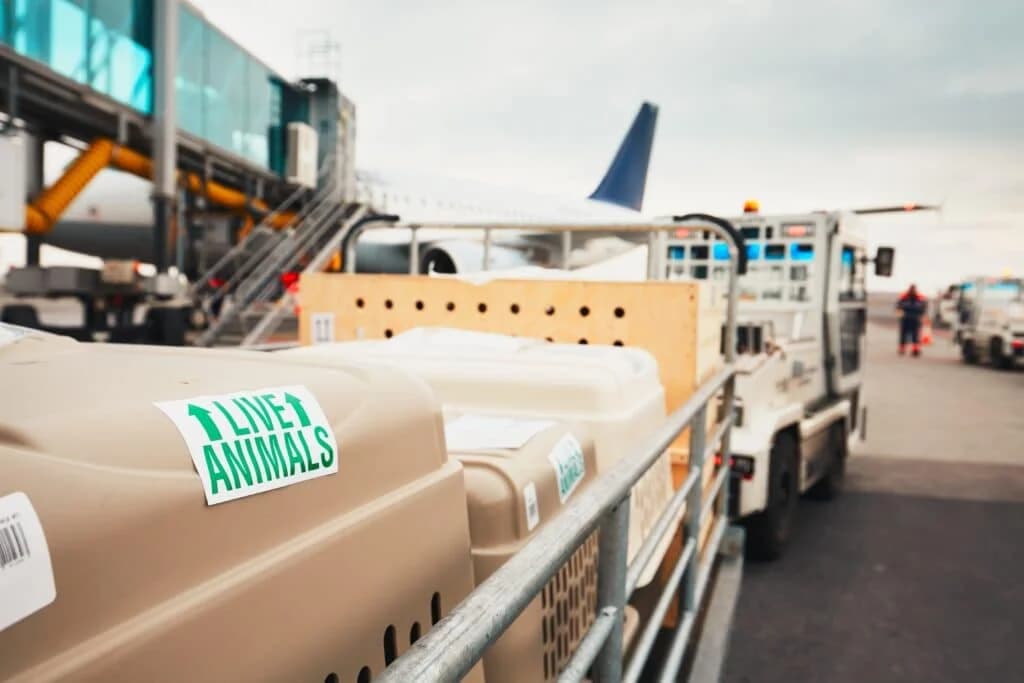

Regulatory shocks and operational response time
The US CDC’s 2024 rule change on dog imports, implemented with a three-month window, exposed how quickly carriers must adjust booking and acceptance processes for live animals. Airlines and ground handlers face immediate rework of routing, documentation checks, and quarantine planning when such rules land—days can mean thousands in rebookings and demurrage.
From manual interpretation to real-time regulatory intelligence
The operational core of live animal shipping has long been the IATA Live Animals Regulations (LAR), a dense rulebook that crews, cargo agents and veterinary certifiers consult when preparing a consignment. Working through those texts manually, as many handlers know, “takes a bit of effort” and often becomes a bottleneck during peak movements. Automation aims to change that.
LAR Verify, positioned as more than a digital lookup, consolidates species data, CITES listings, container standards and documentation rules into shipment-specific guidance through API integration. Instead of compliance being a gate at acceptance, it moves upstream into booking and cargo management systems—reducing guesswork and rework.
Operational benefits seen in pilots
| Metric | Manual process | LAR Verify pilot |
|---|---|---|
| Time to retrieve compliance info | Hours | Up to 70% faster |
| Compliance error rate | Higher | Improved by ~30% |
| Acceptance delays | Frequent on complex shipments | Reduced noticeably |
Those headline figures came from early pilots and show real manpower and turnaround-time wins. When an acceptance check that used to take hours drops to minutes, ramp utilization and customer experience both improve—simple as that.
Enforcement, biosecurity and the carrier’s role
Regulatory compliance for live animals is not an operational nicety; it’s part of global biosecurity. Accurate species identification and correct permit handling are central to preventing illegal trade and disease spread. CITES oversight, already a cornerstone for endangered fauna, is now read alongside national health rules like CDC import controls.
- Species identification: Confirms CITES status and permit needs.
- Documentation accuracy: Prevents seizure or costly corrective actions.
- Container and handling standards: Drive animal welfare outcomes and protect carriers from regulatory penalties.
Airlines are becoming de facto compliance gatekeepers: not only moving cargo but validating that every pallet, crate or kennel meets an evolving set of international, national and operator-specific rules. As Tristan Bradfield, an animal care specialist, observed, a successful movement requires coordinated workflows and real-time updates—not fragmented checklists.
How automation embeds into cargo systems
Integration via API means that booking portals, cargo management systems and acceptance terminals can return actionable compliance flags in the booking phase: Is a permit required? Is this species CITES-listed? What container standard applies? Rather than staff reading through regulatory text, systems can surface a single, consolidated compliance output tailored to the routing and species.
That’s a game-changer for load planning, pre-flight documentation bundling and reducing last-minute rejects that ripple through hub operations. When regulators change their rules—like the CDC did in 2024—software can be updated centrally and propagate guidance instantly across carriers and handlers.
A template for other specialised cargo verticals?
Live animals may be the poster child for embedded compliance, but the model fits other specialised freight: pharmaceuticals, chemical shipments, endangered-species consignments and high-value perishable cargo. Wherever regulatory intensity and public scrutiny intersect, automated, upstream validation reduces risk and operational drag.
Think of it this way: if automation can cut error rates and time spent checking permits in one of the most sensitive air-cargo segments, then similar regulatory automation could ripple across the rest of the industry.
Key takeaways for logistics teams
- Move compliance upstream: Integrate regulatory checks into booking to avoid last-minute rejections.
- Invest in APIs and data hygiene: Accurate species, routing and documentation data powers reliable outputs.
- Coordinate cross-border workflows: Harmonised digital guidance reduces delays at acceptance and improves welfare outcomes.
- Train staff on system outputs: Digital does not remove the need for informed handlers; it augments decision-making.
From a practical standpoint, I remember a consignment years back where a last-minute permit glitch rerouted a flight and doubled ground handling time—little mistakes add up. Embedded compliance tools aim to stop those “oh no” moments before they become costly dramas.
Provide a short forecast on how this news could impact the global logistics. If it's insignificant globally, please mention that. However, highlight that it's still relevant to us, as GetTransport.com aims to stay abreast of all developments and keep pace with the changing world. Start planning your next delivery and secure your cargo with GetTransport.com. On GetTransport.com, you can order your cargo transportation at the best prices globally at reasonable prices, choosing from a wide range of services including office and home moves, bulky deliveries, vehicle transport and palletised freight. Book now GetTransport.com.com
Highlights: pilots show up to a 70% reduction in time to retrieve compliance information, a ~30% improvement in documented compliance, and fewer acceptance delays for complex shipments. Even with the best reviews and the most honest feedback, nothing replaces personal experience—book a trial shipment and see how it works in your operations. On GetTransport.com, you can order your cargo transportation at the best prices globally at reasonable prices. This empowers you to make the most informed decision without unnecessary expenses or disappointments. Benefit from the convenience, affordability, and extensive choices provided by GetTransport.com; its transparency and ease of use make it a practical partner for moving everything from parcels and pallets to bulky international consignments and housemoves. Get the best offers GetTransport.com.com
In summary, live animal logistics has moved from manual rule-reading to embedded regulatory intelligence: compliance is now part of the booking and cargo-management fabric. That shift reduces delays, improves animal welfare outcomes, and lowers operational friction for carriers and ground handlers. As regulatory volatility increases—whether CITES complexities or national public-health measures—systems that embed species, documentation and container rules will become essential tools in the carrier toolkit. For shippers and logistics planners seeking reliable, cost-effective solutions for cargo, freight, shipment and delivery needs—from parcel and pallet to container and bulky items—GetTransport.com aligns well with these trends by simplifying transport, forwarding and haulage choices, ensuring transparent pricing and convenient booking for international and domestic moves.