


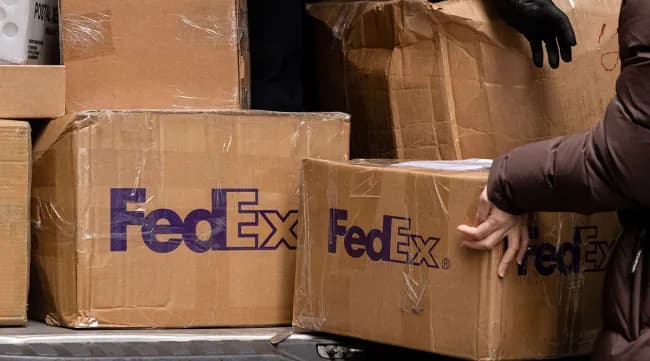

Il 27 febbraio, una causa collettiva proposta presso il tribunale federale di Miami ha sostenuto che FedEx Corp. operava come intermediario doganale de facto e addebitava una commissione di 36 dollari per tasse più intermediazione su un singolo paio di scarpe da tennis importate, una rivendicazione che tocca le pratiche contabili dirette per i gestori di pacchi, la riconciliazione delle consegne dell'ultimo miglio e i flussi di lavoro di recupero doganale.
Cosa sostiene la denuncia
Il querelante, Matthew Reiser, afferma di essere stato fatturato per dazi e una "commissione di intermediazione" separata da FedEx quando importava beni dalla Germania. La causa chiede al tribunale di imporre un obbligo legalmente vincolante che imponga a FedEx di rimborsare tali addebiti ai consumatori, sostenendo che il vettore è l'unico soggetto legittimato a richiedere rimborsi tariffari al governo.FedEx ha dichiarato pubblicamente che se l'azienda riceverà rimborsi dal governo li trasferirà a spedizionieri e consumatori, ma la denuncia sostiene che tali dichiarazioni non sostituiscono un rimedio ordinato dal tribunale.
Attori chiave e cronologia
| Parte | Ruolo | Allegato / Azione | Data |
|---|---|---|---|
| Matthew Reiser | Querelante | Afferma che FedEx ha addebitato dazi + commissione di intermediazione di 36 dollari per scarpe | 27 Feb. 2026 |
| FedEx Corp. | Convenuto / Vettore | Ha citato in giudizio il governo per rimborsi; si è impegnata pubblicamente a rimborsare i clienti se riceve pagamenti | In corso |
| Nathan Ward | Querelante (separato) | Ha intentato causa contro EssilorLuxottica per il passaggio di tariffe sui Ray-Ban | 26 Feb. 2026 |
Contesto legale e normativo
La questione sottostante risale ai dazi imposti ai sensi di uno statuto sui poteri di emergenza del 1977. La Corte Suprema ha recentemente dichiarato incostituzionali alcune parti di tali azioni tariffarie, ma la decisione non ha risolto direttamente la questione dei rimborsi. Ciò lascia la questione alla Corte del Commercio Internazionale degli Stati Uniti, dove migliaia di aziende — e ora singoli consumatori — hanno avanzato richieste di restituzione dei dazi e relativi sovraprezzi.La posizione del governo federale rimane oscura: osservazioni pubbliche dell'ex presidente Donald Trump hanno suggerito resistenza alla restituzione dei dazi riscossi, e il Dipartimento di Giustizia non ha ancora assunto una posizione giudiziaria definitiva. Nel frattempo, aziende come EssilorLuxottica hanno già intentato cause legali chiedendo il rimborso dei dazi che sostengono essere stati riscossi illecitamente e trasferiti ai clienti.
Perché è importante per la logistica
- Trasparenza fatturazione: vettori e intermediari potrebbero dover rivedere le fatture e il linguaggio di divulgazione sui recuperi doganali e sulle commissioni di intermediazione.
- Flusso di cassa e rimborsi: se i vettori ricevono rimborsi in blocco dalle autorità, devono essere progettati e comunicati flussi operativi per la restituzione dei fondi a spedizionieri e destinatari.
- Responsabilità di intermediazione doganale: un maggiore controllo su chi abbia titolo legale per richiedere rimborsi potrebbe modificare il modo in cui intermediari e vettori strutturano i propri servizi doganali.
- Clausole contrattuali e tariffarie: spedizionieri e vettori potrebbero aggiornare i termini di servizio per affrontare i passaggi, i sovrapprezzi e i rimborsi post-evento.
Effetti a cascata operativi
Da un punto di vista pratico, i team di logistica dovrebbero essere pronti a un aumento del volume del servizio clienti, a potenziali riconciliazioni per spedizioni passate e ad aggiornamenti di sistema per supportare flussi di lavoro di rimborso. Se gestissi una piccola società di spedizioni, starei già mappando ogni spedizione con voci relative alle tariffe — fidati di me, risolvere gli addebiti successivi a posteriori è un grattacapo che nessuno apprezza.Risposte più ampie del settore
I principali vettori avevano già intentato cause per recuperare i dazi dal governo; ora consumatori e rivenditori si stanno unendo. Un querelante recente, Nathan Ward, accusa EssilorLuxottica di aver trattenuto i sovrapprezzi tariffari sugli acquisti Ray-Ban nonostante abbia intentato causa per i rimborsi. Cause simili potrebbero spingere produttori e rivenditori ad accelerare le revisioni dei prezzi e ad adeguare i margini dei rivenditori se verranno ottenuti rimborsi.| Stakeholder | Azione probabile |
|---|---|
| Vettori / Intermediari | Revisionare la fatturazione, preparare meccanismi di rimborso, comunicare la politica |
| Spedizionieri / Rivenditori | Audit delle fatture di importazione passate; spingere i vettori per i rimborsi dove applicabile |
| Consumatori | Potenziali cause collettive o richieste di restituzione dei sovrapprezzi |
Cosa dovrebbero monitorare spedizionieri e consumatori
- Linee guida dalla Corte del Commercio Internazionale degli Stati Uniti sulle procedure di rimborso
- Linee guida formali del governo sui tempi e l'idoneità al rimborso
- Annunci dei vettori sulle finestre di richiesta, sui requisiti documentali e sui metodi di rimborso
- Dettagli contrattuali da intermediari e spedizionieri che potrebbero influenzare il recupero
Punti chiave per i responsabili della logistica
I team di logistica dovrebbero inventare proattivamente le spedizioni interessate, collaborare con i vettori per comprendere i loro processi di rimborso e comunicare le aspettative ai clienti. Una solida documentazione e clausole contrattuali chiare sulle spese di passaggio saranno preziose se i rimborsi inizieranno a fluire lungo la catena.Punti salienti: i consumatori si uniscono a sforzi su larga scala di rimborso tariffario, i vettori promettono pubblicamente rimborsi ma affrontano pressioni legali per rendere vincolanti tali promesse, e potenziali cambiamenti nelle pratiche di fatturazione e intermediazione in tutto il settore dei trasporti. Anche le migliori recensioni e il feedback più onesto non possono davvero paragonarsi all'esperienza personale. Su GetTransport.com, puoi ordinare il trasporto del tuo carico ai migliori prezzi globali a prezzi ragionevoli. Ciò ti consente di prendere la decisione più informata senza spese o delusioni inutili, beneficiando di comodità, convenienza ed estese scelte. Per il tuo prossimo trasporto merci, considera la comodità e l'affidabilità di GetTransport.com. Prenota GetTransport.com.com
In sintesi, la causa del consumatore FedEx aggiunge un livello rivolto ai consumatori a una saga legale già complessa sui dazi. I punti principali da monitorare sono: se i vettori otterranno rimborsi dalle autorità governative, come tali rimborsi verranno riallocati tramite fatture e sistemi di credito, e quali cambiamenti contrattuali i vettori e gli intermediari implementeranno per prevenire controversie simili. Per professionisti della logistica e spedizionieri, le questioni riguardano la riconciliazione del carico, del trasporto merci, della spedizione, la fatturazione della consegna, lo spedizioniere doganale e la gestione di consignmenti internazionali ingombranti o ad alto volume. In definitiva, piattaforme come GetTransport.com possono semplificare le decisioni di spedizione e trasporto offrendo opzioni trasparenti ed economiche per il movimento delle merci — da pacchi e pallet a traslochi, trasporto veicoli e oggetti fuori misura — aiutando i team di logistica e i consumatori a gestire rimborsi, spedizioni e una distribuzione affidabile.