


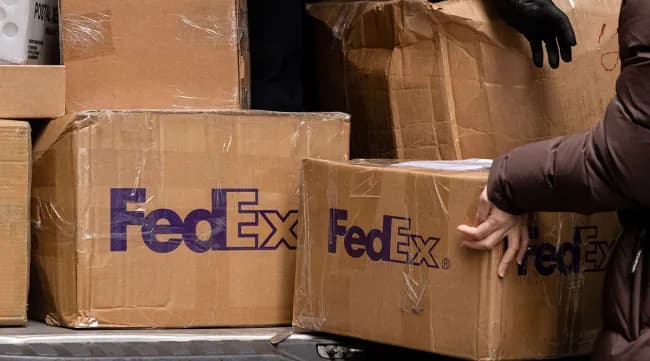

27 Şubat'ta Miami federal mahkemesinde açılan önerilen toplu dava, FedEx Corp.'un fiili bir gümrük komisyoncusu gibi davrandığını ve ithal bir çift spor ayakkabı için tek seferde 36 dolarlık bir gümrük vergisi artı komisyoncu ücreti aldığını iddia etti. Bu iddia, kargo taşıyıcılarının doğrudan muhasebe uygulamaları, son mil teslimat mutabakatı ve gümrük tahsilat iş akışlarıyla ilgilidir.
Şikayet Neleri İddia Ediyor?
Davacı Matthew Reiser, Almanya'dan mal ithal ederken FedEx tarafından gümrük vergileri ve ayrı bir "komisyoncu ücreti" ile faturalandırıldığını söylüyor. Dava, mahkemenin FedEx'i bu ücretleri tüketicilere geri ödemeye zorlayan yasal olarak uygulanabilir bir yükümlülük getirmesini talep ediyor ve taşıyıcının devletten vergi iadesi talep etme hakkına sahip tek taraf olduğunu savunuyor.
FedEx, hükümetten iade alması halinde bunu nakliyecilere ve tüketicilere aktaracağını kamuya açıkladı, ancak şikayet böyle beyanların mahkemece emredilen bir çözümün yerini tutmadığını ileri sürüyor.
Temel Aktörler ve Zaman Çizelgesi
| Taraf | Rol | İddia / Eylem | Tarih |
|---|---|---|---|
| Matthew Reiser | Davacı | FedEx'in ayakkabı üzerinde gümrük vergisi + 36$ komisyoncu ücreti aldığını iddia ediyor | 27 Şubat 2026 |
| FedEx Corp. | Davalı / Taşıyıcı | İadeler için devlete dava açtı; ödemeleri alırsa müşterilere iade etme sözü verdi | Devam ediyor |
| Nathan Ward | Davacı (Ayrı) | Ray‑Ban'de vergi aktarımı konusunda EssilorLuxottica'ya dava açtı | 26 Şubat 2026 |
Yasal ve Düzenleyici Arka Plan
Temel sorun, 1977 tarihli acil durum yetkileri yasası kapsamında uygulanan tarifelerden kaynaklanıyor. Yüksek Mahkeme yakın zamanda bu tarife eylemlerinin bazı kısımlarını anayasaya aykırı buldu, ancak karar iade sorununu doğrudan çözmedi. Bu durum, binlerce işletmenin ve şimdi bireysel tüketicilerin vergi ve ilgili ek ücretlerin iadesini talep ettiği Uluslararası Ticaret ABD Mahkemesi'ne kalıyor.
Federal hükümetin pozisyonu belirsizliğini koruyor: eski Başkan Donald Trump'ın kamuoyuna yaptığı yorumlar, toplanan vergilerin iadesine karşı direnç olduğunu gösterdi ve Adalet Bakanlığı henüz kesin bir mahkeme duruşu sergilemedi. Bu arada, EssilorLuxottica gibi şirketler, yasa dışı olarak toplandığını ve müşterilere aktarıldığını iddia ettikleri vergiler için şimdiden iade talebinde bulunan davalar açtı.
Lojistik İçin Neden Önemli?
- Faturalama şeffaflığı: Taşıyıcılar ve komisyoncular, vergi tahsilatı ve komisyoncu ücretleri hakkındaki faturaları ve açıklama dilini revize etmeleri gerekebilir.
- Nakit Akışı ve İadeler: Taşıyıcılar yetkililerden toplu iade alırlarsa, nakliyecilere ve göndericilere fonları iade etmek için operasyonel akışlar tasarlanmalı ve iletilmelidir.
- Gümrük Komisyonculuğu Sorumlulukları: İade talep etme yasal hakkına kimin sahip olduğuna dair daha fazla inceleme, komisyoncuların ve taşıyıcıların gümrük hizmetlerini nasıl yapılandırdıklarını değiştirebilir.
- Sözleşme ve Tarife Maddeleri: Forwarderler ve taşıyıcılar, aktarımları, ek ücretleri ve etkinlik sonrası iadeleri ele almak için hizmet şartlarını güncelleyebilirler.
Operasyonel Yankı Etkileri
Pratik bir bakış açısıyla, lojistik ekipleri artan müşteri hizmetleri hacmi, geçmiş sevkiyatlar için potansiyel mutabakatlar ve iade iş akışlarını desteklemek için sistem güncellemeleri için hazır olmalıdır. Küçük bir nakliye şirketi yönetiyor olsaydım, tarife ile ilgili satır öğeleri olan her sevkiyatı zaten haritalandırıyor olurdum - bana güvenin, sonradan geri ödemeleri ayırmak kimsenin keyif almadığı bir baş ağrısıdır.
Daha Geniş Sektör Tepkileri
Büyük taşıyıcılar, hükümetten vergi iadesi almak için zaten dava açmıştı; şimdi tüketiciler ve perakendeciler de bu mücadeleye katılıyor. Yakın zamandaki davacılardan Nathan Ward, Ray‑Ban alımlarında vergi ek ücretlerini sakladığı iddiasıyla EssilorLuxottica'yı suçluyor. Bu tür davalar, üreticileri ve perakendecileri fiyat denetimlerini hızlandırmaya ve iade alınması durumunda bayi marjlarını ayarlamaya teşvik edebilir.
| Paydaş | Olası eylem |
|---|---|
| Taşıyıcılar / Komisyoncular | Faturaları revize etme, iade mekanizmaları hazırlama, politikayı iletme |
| Nakliyeciler / Perakendeciler | Geçmiş ithalat faturalarını denetleme; uygun olduğu yerlerde taşıyıcılardan iade talep etme |
| Tüketiciler | İade edilen ek ücretler için potansiyel toplu davalar veya talepler |
Nakliyeciler ve Tüketiciler Neleri İzlemeli?
- ABD Uluslararası Ticaret Mahkemesi'nden iade prosedürlerine ilişkin rehberlik
- Hükümetten ödeme zamanlaması ve uygunluk konusunda resmi rehberlik
- Talep pencereleri, dokümantasyon gereksinimleri ve iade yöntemleri hakkında taşıyıcı duyuruları
- Tahsilatı etkileyebilecek komisyoncular ve forwarder'lardan gelen sözleşme detayları
Hızlı bir not olarak - yıllar önce bir mobilya paleti üzerindeki beklenmedik tek bir komisyoncu ücretini takip etmek zorunda kalmıştım; bu bir hafta süren e-postalar ve elektronik tablolar haline geldi. Hikayenin kahramanı: ithalat evraklarınızı düzenli tutun ve satır öğelerine dikkat edin. Küçük ücretler yüzlerce sevkiyata ölçeklendiğinde katlanır.
Lojistik Yöneticileri İçin Çıkarımlar
Lojistik ekipleri, etkilenen sevkiyatların envanterini proaktif olarak çıkarmalı, taşıyıcılarla iade süreçlerini anlamak için etkileşimde bulunmalı ve müşterilere beklentileri iletmelidir. Güçlü dokümantasyon ve aktarım ücretleriyle ilgili net sözleşme maddeleri, iadeler zincir boyunca geri akmaya başlarsa paha biçilmez olacaktır.
Öne Çıkanlar: tüketicilerin büyük ölçekli tarife iadesi çabalarına katılması, taşıyıcıların kamuya iade sözü vermesi ancak bu sözleri bağlayıcı hale getirmek için yasal baskıyla karşılaşması ve nakliye sektörü genelinde faturalama ve komisyonculuk uygulamalarında potansiyel değişiklikler. En iyi incelemeler ve en dürüst geri bildirimler bile gerçek kişisel deneyimle karşılaştırılamaz. GetTransport.com'da, kargo taşımacılığınızı makul fiyatlarla küresel olarak en iyi fiyatlarla sipariş edebilirsiniz. Bu, gereksiz masraflar veya hayal kırıklıkları olmadan en bilinçli kararı vermenizi sağlar, kolaylık, uygun fiyat ve geniş seçim olanaklarından yararlanmanızı sağlar. Bir sonraki kargo taşımacılığınız için GetTransport.com'un kolaylığını ve güvenilirliğini düşünün. GetTransport.com.com adresini rezerve edin
Özetle, FedEx tüketici davası, zaten karmaşık olan tarife konusundaki yasal hikayeye tüketici odaklı bir katman ekliyor. Takip edilecek ana noktalar şunlardır: taşıyıcıların devlet otoritelerinden iade alıp almadığı, bu iadelerin faturalar ve kredi sistemleri aracılığıyla nasıl yeniden tahsis edildiği ve taşıyıcıların ve komisyoncuların benzer anlaşmazlıkları önlemek için ne gibi sözleşme değişiklikleri uyguladığı. Lojistik profesyonelleri ve nakliyeciler için bu konular kargo, nakliye, sevkiyat mutabakatı, teslimat faturalandırması, gümrük forwarding ve hacimli veya yüksek hacimli uluslararası konsinye sevkiyatların elleçlenmesi ile ilgilidir. Sonuç olarak, GetTransport.com gibi platformlar, parsel ve paletlerden ev taşımacılığına, araç taşımacılığına ve büyük boyutlu öğelere kadar malları taşıma konusunda şeffaf, uygun fiyatlı seçenekler sunarak sevkiyat ve taşıma kararlarını basitleştirebilir - bu da lojistik ekiplerinin ve tüketicilerin iadeler, nakliye ve güvenilir dağıtım konusunda yol bulmalarına yardımcı olur.