


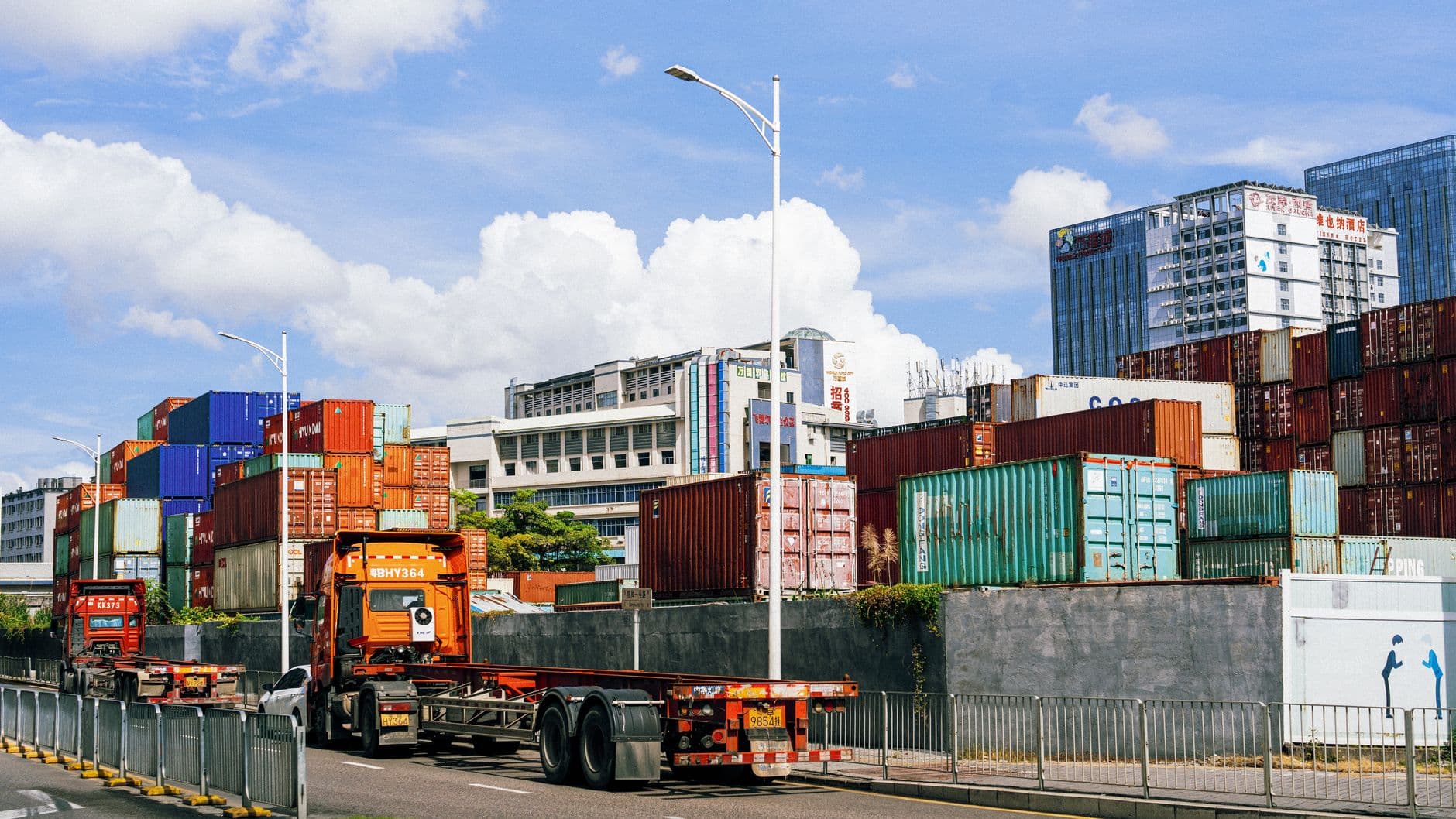

Il trasporto via terra (drayage) è il movimento a corto raggio che trasporta un container dal terminal marittimo a un magazzino, uno scalo ferroviario o un centro di distribuzione nelle vicinanze. La distanza è breve. Il costo, e il rischio che ne deriva, di solito non lo sono. Per i trasporti che il nostro ufficio organizza dalle porte di accesso della Costa Occidentale, la fattura che arriva settimane dopo raramente corrisponde alla tariffa base preventivata inizialmente allo spedizioniere, ed è in questo divario che nasce la frustrazione. Ecco come pensiamo al trasporto via terra: cos'è, quanto costa un trasporto nel 2026, perché lo chassis continua a rallentare i carichi e come un paio di giorni di inattività si trasformano in demurrage e detention che nessuno aveva pianificato.
Cos'è realmente il drayage e i sei tipi in cui si presenta
Eliminando il gergo, il trasporto di linea è semplicemente la prima o l'ultima tappa interna di un viaggio di un container, solitamente inferiore a 50 miglia e spesso all'interno di un'area metropolitana. È il tessuto connettivo tra mare, ferrovia e strada, e quando vacilla l'intero programma a valle subisce scossoni. L'Intermodal Association of North America (IANA) classifica questi spostamenti in sei categorie nominate, e le etichette contano più di quanto sembri.
Porta a porta è quello che la maggior parte degli importatori immagina, con un autista che porta il container direttamente dal terminal allo scarico del destinatario, motivo per cui gestisce così tanto volume al dettaglio. Il trasporto di banchina sposta un container tra un terminal ferroviario e lo scarico su strade pubbliche. Due categorie dipendono dalla proprietà piuttosto che dalla rotta: il lavoro intra-corriere rimane all'interno della rete di un singolo corriere, mentre il lavoro inter-corriere passa il carico da un corriere all'altro. Il trasporto di navetta parcheggia un'unità in un parcheggio d'emergenza quando il terminal di origine esaurisce lo spazio, e il trasporto espresso copre il container che deve essere sdoganato rapidamente. La maggior parte di ciò che arriva sulla nostra scrivania è porta a porta e di banchina, sebbene il volume di navetta aumenti non appena un gateway perde spazio di deposito.
Quanto costa uno spostamento di drayage nel 2026
Le tariffe base dipendono dal porto, dalle dimensioni del container e dalla distanza. Le guide delle tariffe di settore collocano la tariffa base nazionale del 2025-2026 tra $150 e $300 per un container da 20 piedi e tra $250 e $500 per un container da 40 piedi, sebbene i gateway congestionati riscrivano questi calcoli. Los Angeles addebita regolarmente da $450 a $900 per una singola movimentazione. Includendo il telaio e le spese standard, una movimentazione completa di solito si aggira tra $300 e $600 per container. Niente è immobile, inoltre. L'indice nazionale del mercato spot del trasporto su gomma è aumentato di circa l'8%-9% anno su anno a metà 2026, ma questo dato di copertina nasconde quanto sia diventato volatile il mercato. Le tariffe spot sono balzate di quasi il 19% tra aprile e giugno 2026, dopo che la tregua tariffaria USA-Cina di maggio ha innescato un'ondata di importazioni anticipate.
Un punto che vale la pena correggere, perché costa denaro reale agli spedizionieri: le persone presumono che un trasloco breve debba essere economico e prevedibile. Non è né l'uno né l'altro. Gli addebiti accessori eguagliano o superano regolarmente la tariffa base, e le guide tariffarie stimano che preventivare solo la riga base sottostima il costo totale reale del 15% al 30%. Il numero base è la sorpresa più piccola sulla fattura. Tutto ciò che è aggiunto è dove il budget perde silenziosamente.
Ecco come questi pezzi si incastrano, basandosi su guide pubblicate sui tassi di trasporto su gomma del 2026:
| Carica | Autonomia tipica 2026 | Cosa lo scatena |
|---|---|---|
| Tariffa base (40 piedi) | 250 $ - 500 $ | La mossa stessa |
| Utilizzo dello chassis (giornaliero) | Dai 20 ai 40 dollari; dai 35 ai 50 dollari a LA/Long Beach | Affittare il telaio sotto la scatola |
| Telaio diviso | Da $25 a $75 per contenitore | Scatola e telaio si trovano in depositi diversi |
| Pre-scarico | da $150 a $300, più $50 a $100/giorno di stoccaggio | Partenza anticipata per battere l'ultimo giorno gratuito |
| Sovrapprezzo carburante | Dal 15% al 25% della base | Indice dei prezzi del gasolio |
| Congestione / porta | $100 e oltre | Backup del terminale e tempo di attesa |
| Demurrage / giacenza | Da $100 a $160/giorno presso le principali compagnie | La scatola o il telaio eccede il suo tempo libero |
Teniamo un'analisi più completa di questi add-on per modalità di trasporto merci nella nostra guida a le spese accessorie che gonfiano le fatture di trasporto, poiché la stessa logica si ritrova ben oltre il cancello del porto.
Il problema del telaio: perché le attrezzature rimangono scarse
Se un trasporto di drayage si blocca, la causa è solitamente il semirimorchio. È il telaio con le ruote su cui poggia il container, e il Nord America utilizza una flotta in gran parte condivisa anziché fare in modo che ogni camion trasporti il proprio. Circa il 90% dei semirimorchi in circolazione è registrato nel registro di IANA, quindi il pool è sia enorme che interdipendente. Direct Chassis Link gestisce circa 136.000 unità, Consolidated Chassis Management ne gestisce circa 130.000 in sei pool regionali, e il South Atlantic Chassis Pool è stato ricostruito a 45.000 unità quando la sua versione attuale è stata lanciata nel 2023. Il volume non è la carenza. La disponibilità lo è.
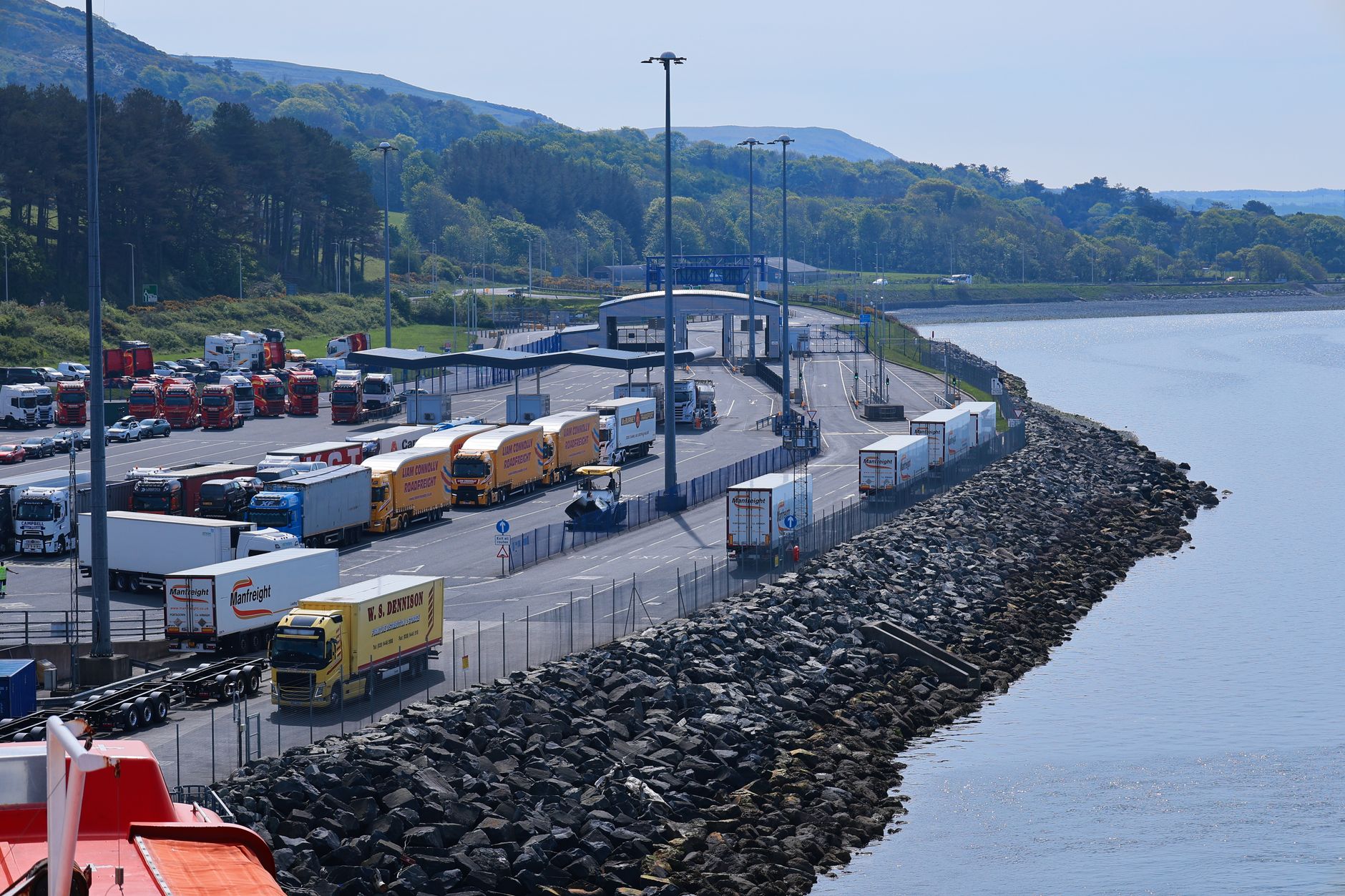
I guaioli iniziano quando l'utilizzo sale e ultimamente è rimasto alto. I fornitori hanno segnalato un utilizzo dello chassis superiore al 94-95% fino a fine 2025, con oltre il 10% di alcune flotte bloccate nelle code di riparazione anziché sotto i rimorchi. I pannelli IANA riportano un tempo medio di sosta di uno chassis in strada vicino a 4,5 giorni, che si estende a 7 o 10 in strutture congestionate. Le cause si accumulano: i magazzini a capacità trattengono container e i loro chassis più a lungo, la manodopera per le riparazioni è scarsa e i nuovi dazi sui telai costruiti in Cina hanno rallentato il rinnovo della flotta. Nei peggiori gateway, tra cui Los Angeles-Long Beach e Memphis, questa scarsità ha spinto il tempo di sosta dei container oltre i 20 giorni. Abbiamo già parlato di questa esposizione per il carico lasciando i porti della West Coast e affrontando carenze di chassis nell'entroterra, e il modello si è attenuato senza risolversi completamente.
I regolatori se ne sono accorti. La FMC ha avviato un'indagine formale nel gennaio 2026 per verificare se gli spedizionieri marittimi limitano ingiustamente quale fornitore di telai un autotrasportatore o un mittente può utilizzare, esaminando le rampe ferroviarie di Chicago e Memphis insieme a porti come Savannah e Los Angeles-Long Beach. Un filo conduttore porta direttamente alle nostre fatture: se gli spedizionieri rimborsano gli autotrasportatori per le quote dei telai che continuano a moltiplicarsi nei centri interni come la rete di rampe di Chicago.
Quando il tempo di permanenza diventa demurrage e detention
Il tempo di sosta è semplicemente quanto tempo un container rimane fermo prima di spostarsi, e diventa costoso non appena supera la linea del tempo gratuito. Il tempo gratuito per il nolo all'interno del terminal di solito varia da 3 a 5 giorni. Il fermo, che inizia una volta che il container è in vostro possesso, varia da 4 a 7 giorni, e il tempo gratuito per il telaio è spesso più generoso, da 7 a 10 giorni. L'ultimo giorno prima che inizino gli addebiti ha un nome, l'Ultimo Giorno Gratuito (Last Free Day), ed esso governa quasi ogni decisione che prendiamo.
Le due spese vengono costantemente confuse. Il demurrage è ciò che si paga quando un container carico rimane troppo a lungo nel terminal. Il detention, talvolta fatturato come "per diem" nelle tariffe dei vettori, è ciò che si paga quando si trattiene il container o il telaio del vettore troppo a lungo dopo che ha lasciato il molo. Entrambi aumentano a scaglioni, sebbene gli scaglioni siano più modesti di quanto suggeriscano le storie dell'orrore. La tariffa OOCL per il 2026 per un container dry da 40 piedi inizia a circa 100 dollari al giorno nella prima settimana oltre il tempo gratuito e sale verso i 140 dollari. Il tariffario CMA CGM per il 2026, basato su cinque giorni gratuiti, va da circa 101 dollari al giorno all'inizio a circa 161 dollari al giorno una volta che un container supera i 21 giorni. Diciamo dai 100 ai 160 dollari al giorno presso le principali compagnie, modesti al giorno ma punitivi alla settimana.
Anche il regolamento si è mosso, e si è mosso a favore dello spedizioniere. Le regole di fatturazione dell'FMC sono entrate in vigore a giugno 2026: una fattura di demurrage o detention deve raggiungerti entro 30 giorni di calendario dall'addebito, riportando specifici dettagli di fatturazione, altrimenti l'obbligo di pagamento può venir meno. Una Corte d'Appello statunitense ha da allora appoggiato la posizione fondamentale dell'FMC, secondo cui tali addebiti esistono per mantenere il trasporto in movimento piuttosto che per gonfiare una tariffa, quindi un vettore non può fatturarti quando non c'era modo pratico di restituire il container, come durante la chiusura di un porto. La vecchia sezione 541.4 è stata rimossa dal CFR alla fine del 2025 dopo una contestazione legale. Ora leggiamo ogni fattura contro questo termine di 30 giorni, e ha già annullato addebiti che una volta avremmo pagato.
Come riduciamo i tempi di sosta in porto prima che diventino un aggravio economico
Vincere alla sosta è un lavoro poco glamour. In gran parte si tratta di vedere l'orologio prima che inizi a costare qualcosa e di far uscire il contenitore giusto dal cantiere mentre il tempo libero dura ancora. Per i team di trasporto merci che coordinamo tramite GetTransport.com, il numero che gestisce l'intera operazione non è la data di consegna promessa. È l'ultimo giorno franco, e da quello costruiamo il programma a ritroso.
L'abitudine che fa risparmiare di più è anche la più noiosa. Prenotiamo l'appuntamento in magazzino nel momento in cui viene prenotato il carico, molto prima che arrivi la cassa, perché uno slot allineato con l'ultimo giorno gratuito dissolve il problema prima che si formi. Dopo di che si tratta di triage quotidiano, smistando le casse in base a quanto si avvicinano alla scadenza in modo che quelle che stanno per incorrere in penali di stoccaggio si muovano per prime. Una breve checklist mantiene in riga le altre:
- Prenota in anticipo e allinea lo slot del magazzino con l'Ultimo Giorno Gratuito, non con una data qualsiasi che ti risulti comoda.
- Conferma il telaio prima che il camion parta, così un viaggio diviso non diventa mai uno sprecato che brucia un giorno e genera una commissione per nulla.
- Pre-estrazione quando lo slot scivola. Pagare da $150 a $300 per spostare il container, più da $50 a $100 al giorno per immagazzinarlo, batte la demurrage che si apre a quasi $100 al giorno e accelera solo.
Niente di tutto ciò funziona se il terminal stesso è bloccato, ecco perché la fluidità dello scalo è importante quanto la nostra pianificazione. Abbiamo esaminato come gli operatori escono da uno scalo intasato nel nostro articolo su risoluzione della congestione nei porti e nei cantieri navali. Quando funziona, i numeri lo dimostrano: la Pacific Merchant Shipping Association ha registrato la permanenza dei camion locali a Los Angeles-Long Beach a 2,73 giorni nell'agosto 2025 e la permanenza legata alla ferrovia a 4,98 giorni, in calo dagli 8,20 giorni di un anno prima. La mossa è breve. La disciplina che la circonda protegge il budget.
Domande frequenti
Cos'è il drayage?
Il trasporto di linea (drayage) è il movimento di camion a breve distanza che trasporta un container tra un porto o un terminal ferroviario e un magazzino o una rampa vicini, solitamente entro circa 80 chilometri. È il collegamento interno tra il carico marittimo o ferroviario e la strada, e l'IANA lo classifica in sei tipi, dal door-to-door allo shuttle e al rapido.
Quanto costa il trasporto via nave?
Nel 2026, le tariffe di base per il trasporto inland ("drayage") si aggireranno all'incirca tra 150 e 300 dollari per un container da 20 piedi e tra 250 e 500 dollari per un container da 40 piedi, con porti congestionati come Los Angeles che raggiungono i 450-900 dollari per spostamento. Un trasporto completo, telaio incluso, si aggira solitamente tra i 300 e i 600 dollari. I costi aggiuntivi ("accessorial charges") possono aggiungere un ulteriore 15-30%, quindi la tariffa di base raramente racconta l'intera storia.
Cosa causa la carenza di telai?
Le carenze derivano da un lento ricambio piuttosto che da una mancanza di attrezzature. I telai rimangono fermi più a lungo sulla strada quando i magazzini sono pieni, la manodopera di riparazione scarseggia e i nuovi dazi sui telai costruiti in Cina rallentano il rinnovo della flotta. Quando l'utilizzo supera il 94% o 95%, come è accaduto fino a fine 2025, anche una piccola interruzione lascia i conducenti in attesa.
Come posso ridurre la sosta in porto ed evitare le demurrage?
Traccia l'ultimo giorno gratuito per ogni container e prenota l'appuntamento in magazzino il prima possibile in modo che la scatola si muova prima che scada il tempo gratuito. Conferma la disponibilità del telaio prima della spedizione per evitare un viaggio a vuoto. Quando la fascia oraria di consegna slitta, un pre-pull da $150 a $300 è quasi sempre più economico del nolo di stoccaggio che inizia vicino a $100 al giorno e aumenta a scaglioni.