


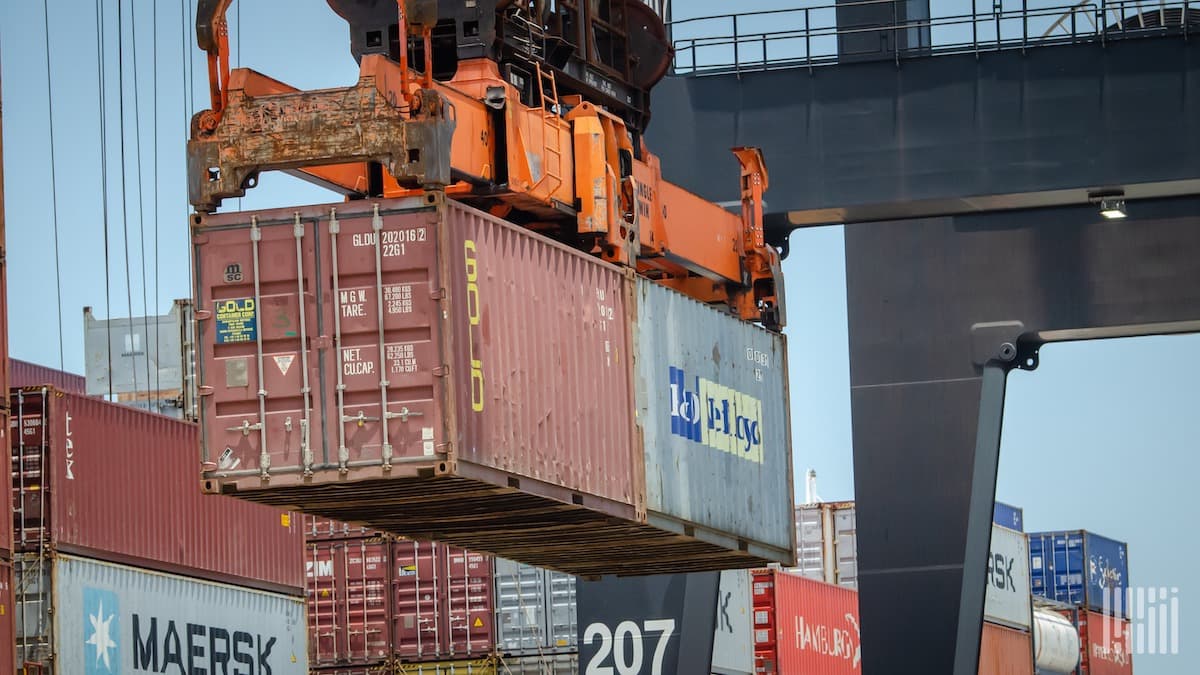

Frontloading Imports to Sidestep Tariffs
Amid growing concerns over tariffs and potential port labor disruptions, retailers made a strategic move to bring merchandise into U.S. ports earlier than usual in 2025. This frontloading has resulted in well-stocked store shelves just in time for the holiday season, softening the blow of price hikes on consumers.
Containers imported in September 2025 totaled around 2.1 million TEUs (twenty-foot equivalent units), reflecting a 9.3% drop from the prior month and a 7.4% year-on-year decrease. Forecasts predict continued declines through the end of the year, with October volumes expected to fall 11.5% compared to 2024, November down 14.4%, and December dipping as much as 17.9%. This trend points towards a slowdown that retail and logistics insiders have been closely monitoring.
Monthly Container Volume Estimates for Late 2025
| Month | Forecast Volume (Million TEUs) | Year-on-Year Change |
|---|---|---|
| September | 2.1 | -7.4% |
| October | 1.99 | -11.5% |
| November | 1.85 | -14.4% |
| December | 1.75 | -17.9% |
Challenges Posed by Tariff Uncertainty
The ongoing unpredictability around tariffs, especially between the U.S. and China, plays a critical role in complicating long-term import strategies. Retailers and ocean carriers alike face a tough landscape when it comes to forecasting and planning shipments. This tariff see-saw has led to a cautious approach, driving import volumes down notably after earlier surges.
A high-level outlook suggests a modest import volume drop in 2025 compared to 2024, with an even steeper decline expected in early 2026. January is projected at 1.98 million TEUs (-11.1%), February at 1.85 million (-9%), and March at 1.79 million TEUs (-16.7%). The ripple effect means fewer containers coming ashore will impact ports, warehousing, and associated logistics services.
Forecasted U.S. Port Container Volumes Early 2026
- January: 1.98 million TEUs (-11.1%)
- February: 1.85 million TEUs (-9%)
- March: 1.79 million TEUs (-16.7%)
Holiday Sales Forecasts Offer a Silver Lining
Despite the anticipated decline in container imports, retail sales during the 2025 holiday season are expected to see a healthy uplift of approximately 3.7% to 4.2%, breaking the trillion-dollar mark. This optimistic sales outlook comes after retailers took proactive measures such as importing early when tariffs were either low or delayed, or absorbing cost increases to shield customers. Essentially, the strategy helped keep shelves stocked without passing on hefty price rises.
According to industry experts, these mitigation tactics have largely lessened the inflationary impact on consumers, who should find themselves able to purchase the desired holiday goods at reasonable prices. This careful balancing act highlights the intricate coordination between supply chain management and pricing strategies within retail logistics.
Global Shipping Trends and Industry Adaptations
On the broader shipping front, even with economic pressures like inflation and employment cuts in the U.S., container shipping volumes have held steady for the most part. Carriers remain optimistic, placing unprecedented orders for new vessels, while discussions continue on launching mega-container ships, including a proposed 27,000-TEU giant which would set records.
Moreover, after a hiatus due to maritime security concerns, talks are underway for Maersk, one of the world's leading shipping operators, to return to the Red Sea route, long avoided since late 2023. Such developments underscore the ongoing strategic shifts within global logistics routes, influencing freight forwarding, haulage, and supply chain decisions worldwide.
Key Container Shipping Industry Highlights
- Robust orders for new container vessels continue despite market challenges
- Potential debut of the largest-ever container ship with 27,000 TEUs capacity
- Possible resumption of the crucial Red Sea shipping lane by major carriers
What Does This Mean for Logistics?
The cycle of tariff-driven frontloading followed by a slowdown creates a "feast or famine" rhythm in container arrivals, which poses a unique challenge for logistics operations. Warehousing facilities see sudden peaks in volume that require intensive handling and then face troughs of reduced activity. Such fluctuations demand agility from freight forwarders, port operators, and transport companies to avoid bottlenecks or underutilization.
Importers, retailers, and logistics providers must navigate these swings carefully, optimizing routes, storage, and delivery schedules to maintain efficiency and cost-effectiveness. Platforms like GetTransport.com help smooth these peaks and valleys by connecting users with versatile transportation options worldwide. Whether moving bulky items, vehicles, full freight loads, or managing house or office relocations, the platform's global reach and affordability are vital assets in this uneven trade climate.
Container Import Volume Trends and Logistics Impact
| Trend | Logistics Implication |
|---|---|
| Frontloaded container imports spike | Temporary surge in warehousing and distribution needs |
| Accelerated import decline in early 2026 | Reduced throughput at ports, potential cost savings in storage |
| Trade route shifts | Adjustment in freight and shipping routes, requiring flexibility |
Making the Most of Reviews and Real Experience
While industry forecasts and expert commentary provide valuable insights, nothing beats experiencing these logistics realities firsthand. Factors like tariffs, labor disputes, and shipping routes can shift rapidly, making hands-on engagement indispensable.
Through GetTransport.com, users have access to competitive, transparent pricing on a wide range of cargo transportation services, making it easier than ever to plan and adapt to changing market conditions. The platform’s straightforward booking process and extensive global network enable cost-effective, reliable shipments whether for commercial cargo or household moves. This convenience helps prevent costly surprises and allows customers to confidently manage their freight needs.
Book your Ride at GetTransport.com to discover how seamless cargo transport can be.
Summary and Outlook
The retail and container import landscape in the U.S. is poised for notable shifts in 2025-2026. Early import frontloading has ensured holiday readiness and curbed consumer price hikes, yet it sets the stage for a sharper volume drop in containers handled at ports early next year. Persistent tariff unpredictability continues to cloud long-term importing strategies, resonating through the global logistics ecosystem with challenges for shipment planning, freight forwarding, and distribution networks.
Meanwhile, global shipping players push forward with vessel modernization and route reconsiderations, aiming to adapt to evolving market and geopolitical conditions. For logistics professionals and businesses involved in importing and moving goods internationally, these dynamics call for flexible, reliable transportation solutions.
GetTransport.com stands out as a valuable partner offering affordable, global cargo transportation options tailored to various needs—from bulky freight and pallets to household relocations—all designed to help streamline logistics and reduce costs amid an ever-changing trade environment.