


 日本語
日本語  English (UK)
  Русский
  العربية
  한국어
한국어  Magyar
  Türkçe
  Español
  Čeština
  Svenska
  Português
  Ελληνικά
  Suomi
Suomi  Nederlands
  Română
  Italiano
  Français
  Polski
  Українська
  Deutsch
  简体中文
简体中文  Slovenčina
 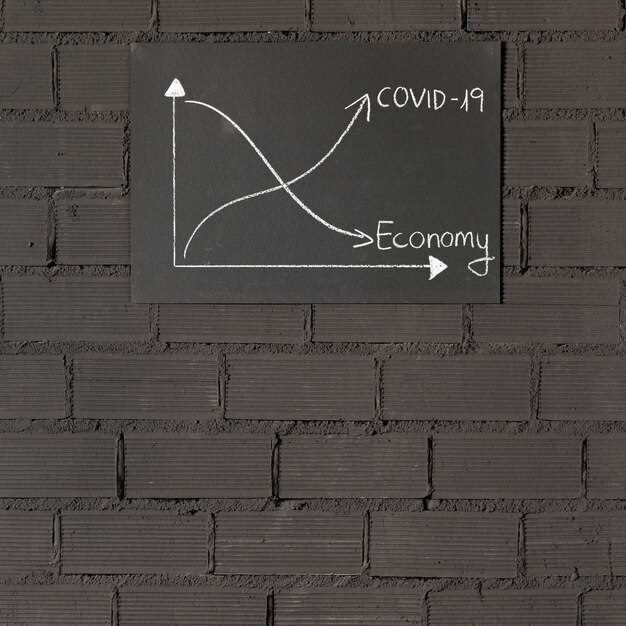 Economic Outlook for 2022 – Slowdown and Structural Changes">

Take a cautious budgeting approach for 2022: prioritize essential expenditures and build liquidity buffers. The responses from policymakers and businesses will shape the outlook, as shown by the eurozone data and global trends.
Global growth cooled in 2022, with inflation staying elevated and monetary policy tightening. In the eurozone, inflation averaged about 8–9%, energy costs remained volatile, and GDP growth reached roughly 3.5% for the year; unemployment hovered near 6.7% by year-end.
Policy responses combined tighter monetary conditions with targeted fiscal measures. Bankers tightened credit conditions, while governments deployed policies to cushion households from energy spikes and supply disruptions, causing tighter margins for many firms.
Structural changes are analyzed across sectors: automation, reshoring, and green investment reconfigure demand and productivity. The issue of energy transition costs is affecting investment patterns and expenditures across industries, though some regions accelerate decarbonization faster than others.
Labor markets have become increasingly dynamic: hiring in services cools while logistics tightens. Strikes and wage negotiations are going up in the hardest-hit sectors, affecting project timelines and staffing plans. The eurozone’s path to resilience rests on productivity gains, retraining, and prudent public finance management.
Recommendations for going into 2022 include: take a structured approach to risk management and effort to align expenditures with demand, diversify supply chains and preserve liquidity, accelerate digital investments to lift efficiency, monitor wage dynamics and inflation pass-through, and align policies with growth-friendly reforms that support investment.
Sectors most exposed to the slowdown and structural changes
Prioritize diversification of suppliers and flexible production capacity now to blunt the impact on the most exposed sectors. Begin by mapping bottlenecks in transportation chains, especially at port hubs, and renegotiate contracts to include adjustable delivery windows for high-value inputs. Secure liquidity with the bank for the coming months to weather demand swings and rising financing costs. As khanna notes, this subject requires practical steps that translate into lasting resilience by reducing exposure to single suppliers and tight margins, helping those firms facing the joint challenge of slowdown and structural changes avoid a slide back to pre-pandemic volatility.
Exposure by sector
- Transportation and logistics face persistent bottlenecks at port hubs and along corridors, with brexit frictions and container shortages pushing costs higher over months, as waves of outbreaks disrupt port operations.
- Automotive and general manufacturing rely on just-in-time contracts; exposure grows when input suppliers miss milestones, making flexible plans and supplier diversification essential.
- Consumer goods and retail show income volatility as households reallocate budgets; cross-border trade slows among market countries, requiring updated contracts that manage price swings.
- Construction and real estate endure funding constraints and planning delays; banks and bankers watch liquidity, raising lead times and project risk when material supply tightens.
- Energy, utilities, and related services face price cycles and demand shifts; the phenomena of price spikes call for tighter risk management and longer-term planning.
Modeling quarterly revenue scenarios and building cash buffers
Adopt a three-scenario quarterly revenue model linked to a cash-buffer policy and set concrete reforecast triggers. The model should anchor revenue into base, upside, and downside paths, and tie liquidity decisions to a defined buffer.
Inputs and drivers: unit volumes, product mix, pricing, FX, and supplier costs. Track issues in the supply chain, including bottlenecks and truck disruptions that would shift working capital needs. Include exposures such as soybeans and emissions-related costs in capacity planning. The usual approach combines market data with internal trajectory analysis.
Published industry data show that rates and incentives from policy changes can affect demand, adding volatility to quarterly results. This would influence both topline assumptions and the sensitivity of liquidity needs across scenarios, so align the model with macro and sector-specific signals.
Example scenario (quarterly): Base-case revenue = 100m; gross margin 30% → gross profit 30m; fixed operating costs 20m; EBITDA 10m. Downside: revenue 94m; gross profit 28.2m; EBITDA 8.2m. Upside: revenue 108m; gross profit 32.4m; EBITDA 12.4m.
Buffer policy: target reserves equal two quarters of fixed costs (2 × 20m = 40m) plus a working-capital cushion of 5m, totaling 45m. Maintain access to an undrawn revolver of 25m to cover gaps if needed and to absorb short-term disruptions without forcing abrupt cuts. This structure supports over-ride buffers during periods of higher risk or slower-than-expected receipts.
Decision rules: if cash balance falls below the 45m threshold, implement cost controls, cap discretionary spend, pause nonessential hiring, and renegotiate supplier terms to stretch payables. Reforecast within two weeks, and shift emphasis toward high-velocity revenue initiatives while preserving core capabilities. The approach would rely on clear triggers and rapid execution to preserve safety margins.
Risk management and mitigation: disruptions in logistics, such as truck delays or container shortages, can be mitigated by diversifying suppliers, nearshoring where feasible, and inventory pooling for critical components. Advanced analytics help forecast bottlenecks earlier, enabling proactive capacity adjustments. Emissions-related costs and regulatory shifts should be accounted for in supplier contracts and pricing strategies, with incentives for efficiency improvements that reduce overall exposure. In this setup, efficiency gains, disciplined capital allocation, and timely decisions are key to reducing the impact of adverse conditions.
Analysis cadence and governance: run quarterly reviews that compare actuals to the three scenarios, publish the results to leadership, and adjust assumptions based on observed trends. Use the insights to refine rates, incentives, and risk buffers, ensuring the model remains aligned with actual liquidity pressures and operational performance. This practice supports helping teams translate numbers into concrete actions and keeps the organization vigilant over overexposure to any single risk.
Labor market risks: unemployment, productivity, and wage dynamics
Open routes to reduce unemployment: implement targeted hiring subsidies for sectors facing shortage in talent, expand practical training linked to production chains, and improve job matching through efficient sourcing platforms. Over years, persistence and a well-structured approach can deliver results within months, then support is strengthened as the election cycle unfolds. Prioritize open, performance-based measures that secure skills for open roles and minimize usual delays in hiring.
Unemployment risk remains elevated in the eurozone, with shortage of skilled labor in health, logistics, and manufacturing contributing to slower job fill. The estimate for the coming quarter points to modest gains in jobs; then policy clarity supports hiring. Months of uncertainty can surge volatility, so stability matters. Because firms compete for a limited pool of qualified workers, wage dynamics begin to rise in open segments, which keeps inflation expectations in focus. Early indicators show that better alignment between training and employer needs reduces the time to secure a match and supports smoother payroll costs across long supply chains.
Wage dynamics have an increasing trend as slack narrows; in the latest months, estimated wage growth in open sectors rose to around 3-4% year-on-year, while productivity gains lag in several long production chains. Shortage of skilled workers persists in some segments, which adds pressure on wages and margins. This misalignment limits real income gains, urging firms to invest in upskilling and retention strategies. To secure higher performance, employers should offer modular training, flexible work arrangements, and faster internal promotion routes, which reduce turnover and build durable wage trajectories.
政策対応

Direct subsidies for hiring in shortage sectors; expand apprenticeship programs with bank-backed funding; connect trainees with employers through efficient sourcing platforms; align training with long production chains to build durable pipelines; simplify entry for critical roles in health and logistics; monitor the estimate for the upcoming quarter and adjust budgets in early months; the bank view informs forecast updates; ensure durable results by tracking vacancy rates, time-to-fill, and wage indicators.
Monitoring indicators
Track the unemployment risk by sector and region; monitor the evolution of wages in open roles; observe productivity trends across key chains and production lines; watch the coming quarter estimate and monthly data; coordinate with eurozone authorities to calibrate policy; maintain an ongoing dialogue with industry groups to adjust routes for training and sourcing as needed.
Capex prioritization: defer vs accelerate under slower growth
Make deferral of non-core capex and targeted acceleration of high-ROI, risk-mitigating projects the default stance as deceleration bites revenue and cash flow. Use a 12-month payback threshold and examined ROI across scenarios, including supply-chain shocks and lockdowns, to ensure decisions respond to developments in the global market. Keep the mandate to preserve liquidity while supporting output and consumer-facing capabilities.
In practice, categorize projects into four buckets: maintenance and safety, productivity enablers, resilience against supplies and materials volatility, and demand-led enhancements. Some portfolios should shift toward securing critical inputs and delivery reliability, lowering costs through smarter sourcing, and aligning capex with fiscal policies that support essential sectors. allianz notes that policy shifts can alter ROI on cross-border investments, so executives should revisit plans on a regular cadence. khanna adds that explicit scenario testing improves the ability to respond to uncertainty and to adjust the portfolio when deceleration widens. Track output by region and customer segment to ensure alignment with consumer demand and to keep the portfolio adaptable.
| オプション | アクション | Rationale | メトリクス |
|---|---|---|---|
| Defer | Delay non-mandate capex and preserve cash | Markets face massive deceleration; ROI is uncertain; supply chains remain fragile; reduces downside risk while preserving optionality for later delivery | Cash balance, deferred capex, risk-adjusted ROI |
| Accelerate | Prioritize high-ROI, output-enabling capex with clear payback | Where projects relieve bottlenecks in materials and supplies, strengthen resilience against lockdowns, and improve consumer access to products | Incremental output, payback period, cost savings, risk reduction |
ポートフォリオ選考基準
既存ポートフォリオとの戦略的な適合性、回収期間、グローバルな混乱に対する回復力で絞り込む。サプライチェーン、特に資材調達と契約がリードタイムを短縮できる分野で実績のある改善が見られるプロジェクトを優先する。保守的なコスト予測と、インフレや物流の変化が納期に与える影響を把握するための堅牢な感度分析を求める。.
金融工学とリスク管理
フリーキャッシュフローを原資として、優先度の高い投資のために少額の予備費を割り当て、流動性を保護するために加速された設備投資をポートフォリオの一定割合に制限します。四半期ごとのレビューを義務付け、実績と計画を比較し、政策変更を調整し、消費者需要とマクロ経済の状況の変化に伴ってROIが変動する場合はリソースを再配分します。このアプローチにより、戦略は不確実性に対応し、生産量と長期的な価値を守るという使命と一致します。.
サプライチェーンとインフレ指標:タイムリーな調整のために注目すべき点
毎週の供給リスクレビューを実施し、価格高騰を抑制し、供給不足を回避するために、重要なインプットに対して6〜8週間の材料バッファを確保する。リードタイム、キャパシティ、および支払いに基づいて明確な再注文トリガーを設定し、変動に対するオペレーションの回復力を維持する。.
市場が注目するインフレ指標を追跡する:エネルギー価格、運賃、サプライヤーへの支払い。エネルギーコストが上昇し、コンテナ運賃が上昇する場合は、利益率を保護するために調達および価格戦略を調整する。.
複数のシグナル(注文、受注残、港湾の混雑、船舶や物流に影響を与える事象)を監視します。リショアリングやサプライヤーの多様化の進展は、単一の地域への依存を減らし、全体的な回復力を強化する可能性があります。.
より長期的な視点で資金計画を立てましょう。債券利回りや金利予想は、資本配分を導くのに役立ちます。短期的な考え方に頼らず、流動性バッファーを構築し、景気変動を緩和し、突然の変化にも対応できるようにしましょう。.
注目すべき主要指標
物価上昇率、輸送コスト、エネルギー先物の指数は、サプライチェーン全体への圧力の初期兆候を示します。価格サイクルの底を追跡し、複数の市場に波及する可能性のある供給不足を監視します。サプライヤーの能力、納期、支払条件を見直し、イベントによって残りのバッファーが逼迫する前に、ストレスポイントを特定します。.
企業戦略的行動
重要なインプットそれぞれについて少なくとも2つの市場にサプライヤー基盤を分散させ、長期契約を追求して価格と出荷枠を確保する。国内の生産能力が需要の変化を吸収できる態勢にある場合は、リショアリングの選択肢を検討する。キャッシュフローを安定させるために、稼働率と支払い条件の継続的な見直しを正式なものとし、シナリオプランニングを用いてエネルギーショックや運賃変動の影響を測定する。 このアプローチは、最大のリスクを管理可能な状態に保ち、オペレーションの回復力を維持するのに役立ちます。.