



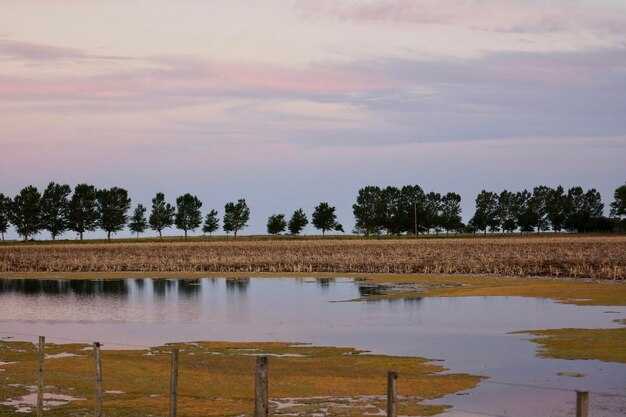
Lock in buyers now to protect income in the short term, before river lows tighten margins. Along the main channel, this week’s readings reached 4.9 feet, narrowing the window for loads and raising transport costs. Farmers can keep cash flow steady by signing forward contracts and securing storage space, which reduces risks against volatile shipments, while you adjust.
When levels reached a new low, farmers could shift harvest to earlier weeks and arrange second shipments under forward contracts. A two-week planning horizon helps along buyers and barns, while contingencies for rail or inland routes cut delays and protect margins. Look ahead to the coming week to adjust schedules and minimize exposure.
In louis markets, buyers seek flexibility, so offer partial deliveries and additional options that keep cash flowing. Build a buffer with loads-ready freight and keep the switch to rail as a backup while river drafts drop below critical thresholds.
To manage risks against volatile markets, couple price hedges with diversified outlets, including direct sales to regional co-ops and buyers in rural processors. Continue planning now, keep a close eye on river conditions, and adjust harvest windows so that farmers avoid bottlenecks when river flow remains low and navigation remains constrained.
Low Mississippi River Levels: Practical Implications for Farmers, Harvest Planners, and Shippers
Act now to shield cash flow: adjust harvest and shipping plans as levels fell and barge availability tightened. Rework the line of loads and bids to secure fair prices and avoid gaps in deliveries. Track these changes against local demand and export schedules to minimize worse outcomes.
For farmers, align production with current river constraints and drought forecasts. Use data to set acreage and input timing, and target sales when local cash prices are favorable. These moves help reduce risk of price swings between highs and lower prices and support better margins even as exports compete for the same routes. Consider pilots with marketing groups to lock in contracts with those buyers who balance supply and demand along the river corridor.
Harvest planners should shift schedules to capture volumes when the line is passable and elevators can take on more volume. Coordinate with buyers to lock in bids early and avoid reserve storage. Use a simple system to compare bids by price, delivery window, and vessel type, then make a clear choice for the week. This approach reduces risk if levels rise or fall again within a season.
Shippers should diversify routes and modes: favor rail when a section is aground or river levels stay low, and keep a higher share of contracted volumes to protect against tariff swings. Monitor exports and sales windows, renegotiate terms with end users, and shift between local and distant markets to minimize price gaps. Even for salt cargos or other essentials, route flexibility pays off. Quick action on these adjustments preserves volumes and helps keep margins from eroding when demand shifts and prices vary.
Maintain a live dashboard that tracks levels, drought alerts, and the performance of each route. Use this data to adjust stocking, add or cut bids, and time shipments to match demand. This disciplined approach reduces risk, supports steadier production planning, and helps those who rely on a stable system to stay solvent in tough years.
Monitor Mississippi River stage and forecasts to time harvest activities
Check the Mississippi River stage every morning and lock a harvest window based on the next 3–5 days of forecasted stage. Start with soybeans and wheat when forecasts show a stable window and barge availability, and switch to trucks for near-term moves if rate conditions or river mix limit barges. This plan helps maximize cash sales and minimize field losses.
- Gauges and flow: watch the Mississippi stage at Memphis and Cairo, plus the confluence area where the Ohio River meets the Mississippi–the river artery for grain movement. When stage is above typical baselines near these points, barges gain capacity; when stage pulls back, operations shift toward short-haul trucks or local elevators.
- Forecast window: rely on USACE and NOAA guidance for 7–14 days, updated daily. If forecasts show a sustained window, align harvest blocks to start this week and push deliveries through the most reliable routes first. If a dip is expected, secure near-term cash sales while leaving some load capacity open for later flow.
- Logistics options: plan between modes to guard against bottlenecks. If barge service tightens, move heavier shipments by trucks to local buyers or create a mixed plan with rail where available. Those choices help keep grain moving and avoid backlogs that raise storage costs.
- Pricing and cash flow: monitor current cash rate signals and price opportunities near the forecast window to capture gains on more per-bushel sales. Near-term sales could take advantage of higher prices when river traffic improves, while longer stretches of lower water may require stored grain or staged shipments.
Harvest timing by crop helps optimize returns. This section outlines practical steps for soybeans, wheat, and grains between fields and markets:
- Soybeans: target a harvest block when moisture is comfortable and the forecast shows a stable river window for the next half-day to full day. Prioritize local buyers first, then consider outbound barges if capacity opens, maximizing near-term cash flow.
- Wheat: coordinate early harvest to align with rising river capacity and favorable truck availability. If barge slots are constrained, split loads across days and use local markets to maintain momentum.
- Grains (general): plan shipments to keep the pipeline moving between field and market hubs. When river conditions allow, push more to market outlets and use a mix of trucks and barges to reduce storage periods and price risk. Those actions help increase overall sales and stabilize revenue streams.
Past patterns show that timely planning near forecasted highs helps avoid delays and keeps logistics tight. The current issue remains the stochastic nature of river levels; stay flexible, track updates, and adjust plans quickly. This approach minimizes exposure to lower transport rates and improves overall efficiency for local deliveries and midstream sales.
Quantify potential farm income loss under current prices and low-water scenarios
Lock in forward sales for the majority of the forecast harvest and route shipments by rail or truck when river levels fall. Build a diversified transport plan to protect cash receipts, using the Mississippi artery as a backbone while moving above the low drafts when needed. This planning explains how water levels drive barge movements, capacity, and freight rates, and it helps agriculture continue operating even as exporters adjust to tighter capacity. Through flexible planning and a buffer for costs, farmers have better tools to weather week‑to‑week shifts as rates climb.
Take a representative farm: 1,000 acres of corn (175 bu/acre) and 400 acres of soy (40 bu/acre). At current prices–corn $6.50/bu, soy $14.50/bu–gross cash receipts reach about $1,369,500.
Low-water disruptions can force up to 40% of total bushels to move by higher-cost modes, adding $0.25-$0.50 per bushel. The resulting extra cash cost is roughly $19,100-$38,200 for the season, reducing net receipts to about $1,331,300-$1,350,400. In percentage terms, that range is roughly 1.4% to 2.8% of gross revenue. If a week of severe drought persists and the share moved by costly modes climbs to 60%, the incremental cost could reach about $68,760-$91,680, pushing potential losses into the mid six figures for a single year. Over a three-year planning horizon, the annual effect compounds to roughly $60k-$95k per year, totaling about $180k-$285k if disruptions remain persistent.
Alert notes: a long spell of reduced draft on barges lowers capacity and elevates freight rates, with movements concentrated on a smaller pool of capable vessels. Some shipments to Ohio exporters may be redirected to alternate routes, before capacity constraints on the main artery stress the entire supply chain. Higher fuel costs and longer transit times can absorb a portion of value, while persistent bottlenecks raise the risk that price signals in the market climb faster than harvest planning can adapt.
Adjust harvest scheduling and logistics to minimize losses and delays
Coordinate harvest timing with river height forecasts and lock in shipping capacity early to reduce losses. A report notes three-year planning helps stabilize volumes and dampen highs facing market shifts. When water levels are shrinking, adopt a phased harvest approach that splits field work into smaller blocks, smoothing workloads and reducing waste. This plan will help reduce losses and will also support buyers with more reliable deliveries.
In drought periods, prioritize near-term shipments and push less urgent loads to markets with flexible timing. Maintain a daily dashboard that tracks river height, barge availability, and buyer schedules; this supports faster decision-making and reduces idle equipment costs. Use this data to adjust harvest blocks so that volumes move in calmer windows, avoiding bottlenecks in loading and unloading.
Develop a logistics playbook that lists shipping options (rail, truck) and inland terminals capable of absorbing shifted volumes when low water curtails barge moves. Communicate changes promptly with buyers to align expectations and minimize delay risk. A concise post-harvest report helps validate the three-year plan and informs the next cycle with clearer risk flags.
Evaluate barge route options, schedules, and freight costs under low-water constraints
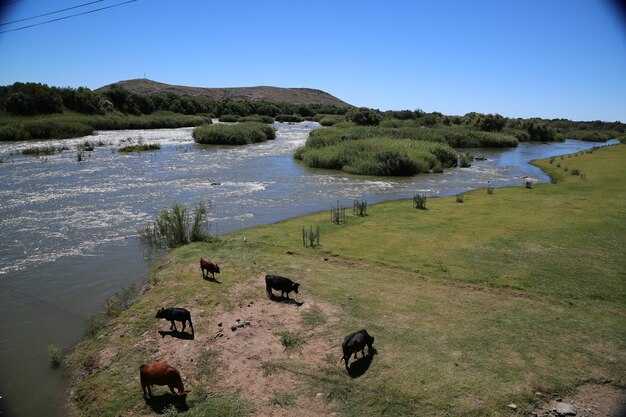
Adopt a mixed-modal plan: move more tons by rail during the deepest low-water weeks and rely on barge when the draft allows. This will limit the shrinking window and keep cash flow from stalling for farmers.
Route options include the mainstem Mississippi path from St. Louis downstream toward the Gulf, which offers the most capacity but draft restrictions this year have narrowed the window to short and consecutive trips. If the last leg of the journey cannot maintain draft, move those loads via Illinois Waterway connectors to access rail hubs and speed transfers. The spot market will react quickly to water shifts, and this analysis explains why those routes matter to farmers and shippers from the perspective of risk and cost. Loads that were moved last drought illustrate the practical option when drafts tighten.
Schedules: align departures to capture every chance when draft recovers; expect short windows for barge moves and long windows for lock availability. Consecutive days of acceptable draft become a critical gauge, and planning must cover over a two-week window to avoid missed slots.
Freight costs: under low water, cost per ton climbs as much as 15-25% on the main route and can rise further when transfers add handling. Many shipments will be absorbed by carriers, but others get passed to spot buyers or farmers through higher cash prices. This can lead to half of the planned tonnage staying on the water, while the rest moves by rail to keep cash flows steady. This dynamic will continue during the peak shrinking period, and prices will climb quickly again as droughts persist.
Impacts and strategy: this three-year cycle shows prices climbing quickly during droughts; the last and current stretch demonstrate how farmers facing tighter margins. Those who moved some tonnage to rail earlier avoided the worst impacts; again we expect this approach to become more common as droughts persist, and continue to show that those with diversified routing maintain resilience.
Action steps: monitor river gauges daily and adjust plans accordingly; run a quick scenario that compares barge-only, rail-inclusive, and mixed routes; lock in forward pricing for a portion of expected tonnage to reduce cash volatility; plan to re-evaluate after every consecutive week of drought.
Implement risk mitigation: storage options, forward contracts, and revenue protection tools
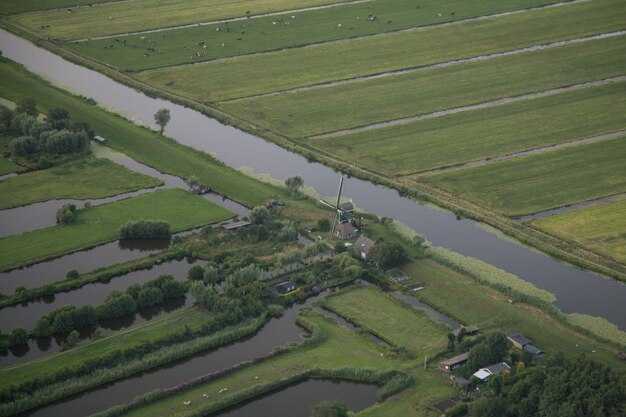
Lock in storage and hedges now to stabilize cash flow as river levels stay depressed. Begin with two concrete moves: secure storage capacity and pair forward contracts with revenue protection tools to guard margins across crops such as grain, soybeans, and barley.
Storage options that minimize handling costs and maintain grain quality include on-farm storage, local cooperative facilities, and third-party warehouses operated by reputable corps or shippers. Compare costs and risk by requesting bids from at least three providers and evaluating moisture control, pest protection, and insurance. Expect costs to vary by service level, storage duration, and handling charges. For grain, including soybeans and barley, choose facilities with ventilation and aeration to protect quality. For salt or other specialty items, confirm storage specifics. Plan for exports or domestic sales: if river constraints limit shipments, storage buys time to explore marketing options with local buyers and potential partners like Mexico. Use local options as benchmark levels for pricing and service.
Forward contracts give you price certainty across delivery windows. Start by locking in three to six months of pricing in the most liquid modes, then extend to a three-year horizon for core crops where possible. Work with bids from shippers and brokers to obtain competitive pricing, and choose contracts that align with harvest timing and your storage plan. Use bids to set a benchmark price and compare against current levels; for example, locking in a substantial portion of expected exports or sales can reduce downside more than relying on price moves alone. Keep in mind that forward pricing limits upside, so pair with revenue protection tools to maintain upside after river conditions improve.
Revenue protection tools combine price guarantees with yield protection. Use revenue protection that covers both the crop and the year’s price risk; set a target revenue based on planning levels and margin needs. For each crop–grain, soybeans, barley–select a coverage level such as 70–85 percent for downside risk; pair with futures or options to lock in a floor while leaving room to benefit from favorable price moves. If river levels improve, you still benefit from the downside protection while continuing sales to local markets and shippers. Review benchmark levels and reconsider coverage with current market bids after shifts in fuel costs or global demand, including imports from Mexico and transport constraints related to salt logistics.
Implementation steps: inventory and storage capacity review; set risk limits; engage at least three storage providers; align forward contracts by crop; document the revenue protection target as a percent of expected revenue; monitor levels and adjust as needed. Use last year’s sales data to set a target, and plan for second-year planning; ensure you have a clear exit strategy if river levels rebound quickly. The means to manage risk come from combining these tools and staying disciplined with bids and benchmarks.
| Option | Benefits | Typical Costs | When to Use | Notes |
|---|---|---|---|---|
| On-farm storage | Low fixed costs; quick access; reduces handling | Low to moderate; depends on equipment | Short- to mid-term storage; near harvest | Monitor moisture and pest risk; maintain inventory records |
| Local cooperative/warehousing | Scale advantages; specialized handling | Moderate; includes handling and insurance | Mid- to long-term; marketing flexibility | Check shippers network; ensure above river constraints |
| Bonded/private corps facilities | Export-ready storage; supports international sales | Higher; longer contracts | Seasonal peaks; exports windows | Verify insurance and temperature controls |
| Forward contracts | Price certainty; aligns with storage plan | Opportunity cost; margin exposure | Harvest window; when river constraints limit market access | Coordinate with revenue protection |
| Revenue protection tools (RP) | Floor protection; margin safeguard | Premiums; complexity | Annual planning; core crops | Pair with forward prices to optimize risk |