


 Nederlands
  English (UK)
  Русский
  العربية
  日本語
日本語  한국어
한국어  Magyar
  Türkçe
  Español
  Čeština
  Svenska
  Português
  Ελληνικά
  Suomi
Suomi  Română
  Italiano
  Français
  Polski
  Українська
  Deutsch
  简体中文
简体中文  Slovenčina
 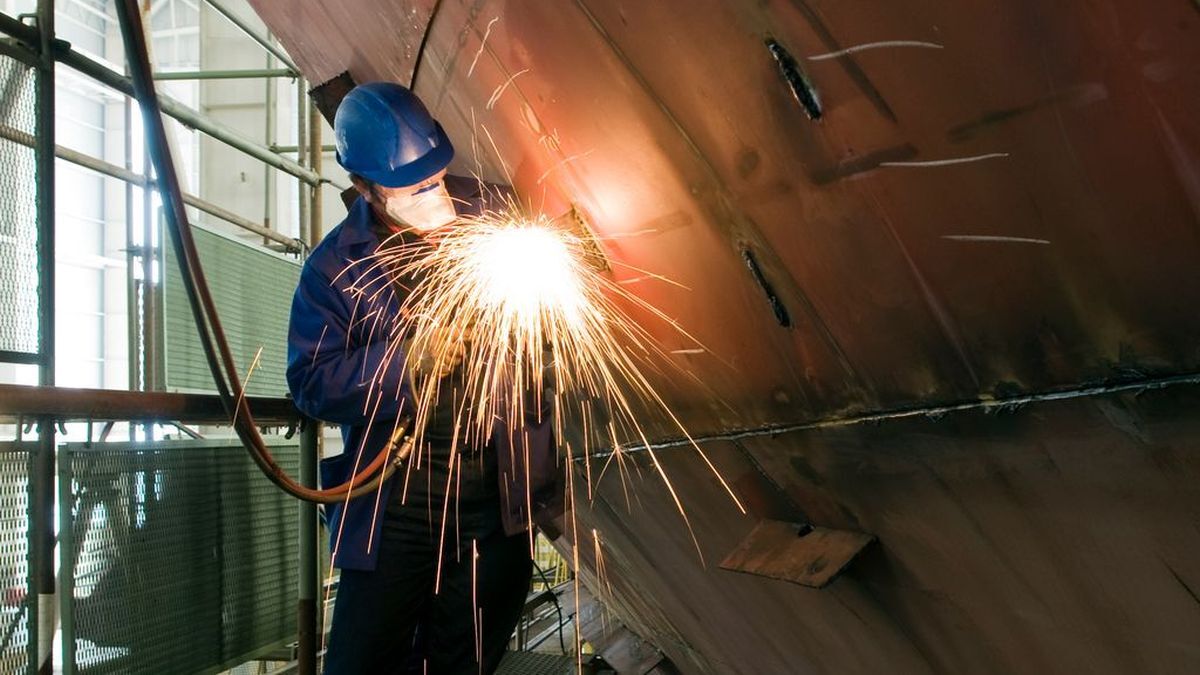 Het aanpakken van verborgen staaluitstoot in de scheepsbouw: Een stap voorwaarts voor duurzame maritieme transporten">

The Overlooked Carbon Cost of Shipbuilding Steel
When we think about decarbonizing ships, the spotlight usually shines on the fuel they burn on the water. But here’s the kicker: the steel that forms the backbone of these vessels is a hefty contributor to emissions, often flying under the radar. Steel production for shipbuilding hit a staggering 72.2 million tonnes of CO2 equivalent emissions between 2021 and 2022, accounting for about 4% of the total emissions linked to international shipping. That’s not pocket change in the climate stakes!
Steel isn’t just a minor player—it makes up 75-85% of a ship’s weight. The lifecycle emissions don’t just come from the shipyards but trace back upstream through mining, production, transportation, and recycling processes. Oddly enough, these embedded emissions tend to be left out of existing regulations, leaving a significant blind spot in the global decarbonization strategy for shipping.
Heading Towards a Heavier Carbon Burden
If we keep cruising down the current path, emissions from shipbuilding steel are projected to swell by 25% come 2050. Why? Most of the steel production still happens in countries relying on carbon-intensive methods. Ships built today have a lifespan extending towards 2050, which means the environmental print we ink now will linger for decades. It’s like writing a tale that future generations have to read—only this one’s about carbon footprints.
Three Pathways to Steel Emissions Reduction
The Sustainable Shipping Initiative breaks down three main approaches to tackling steel emissions in this critical sector. Spoiler: easy wins are in short supply.
- Virgin Green Steel: This high-tech marvel is created via hydrogen-based direct reduction combined with renewable energy-powered electric arc furnaces. Sounds futuristic, right? While technically possible, it’s commercial feasibility is a steep mountain to climb. Green steel relies on scarce, high-grade ore and affordable green hydrogen, which is currently up to 10 times pricier than traditional fossil routes. This means limited production scale and prohibitive costs for shipping companies that operate on razor-thin margins.
- Recycled Steel: Here lies a more immediate and practical opportunity. Recycled marine-grade steel is beginning to match conventional steel in cost and is already being incorporated into newbuilds. Ship recycling over the next decade alone could free up to 150 million tonnes of usable steel. However, mixed scrap contamination can degrade essential properties like weldability and fatigue resistance, putting a damper on how extensively recycled steel can be used in shipbuilding.
- Circular Design Strategies: Probably the most scalable game-changer, circular design includes modular construction and disassembly-friendly ships. This approach not only preserves material value but also slashes demand for fresh steel. Real-world applications show promise, but fragmented adoption, lack of standardization, and poor procurement coordination mean the sector hasn’t fully pulled together yet.
Regulatory Innovation: Bringing Steel Into the Emissions Spotlight
To really shake things up, there’s a call to extend the International Maritime Organization’s greenhouse gas strategies to cover emissions embedded in materials—starting with steel. The proposal includes two practical tools:
| Gereedschap | Function |
|---|---|
| Material Intensity Indicator (MII) | Measures lifecycle emissions specifically tied to steel used in shipbuilding. |
| Lifecycle Design Index (LDI) | Assesses vessel design circularity by evaluating recycled content, traceability, and readiness for reuse. |
These innovations align snugly with existing IMO measures like the Carbon Intensity Indicator and Energy Efficiency Existing Ship Index, making integration feasible. Plus, they pave the way for new opportunities around carbon pricing, climate-conscious finance, and sustainable procurement—all missing pieces in today’s emission puzzles.
Early Wins and Industry Momentum
Despite challenges, momentum is building. Noteworthy is the emergence of oceangoing vessels constructed with certified recycled-content steel, confirming the technical viability of greener materials. Collaborative buying groups, especially in Japan, are scaling the delivery of such steel by pooling resources to handle premium costs. This shared approach is a smart workaround for the financial hurdles facing greener shipbuilding materials.
What the Implementation Roadmap Looks Like
- Voluntary data collection: Encouraging early players to report steel’s lifecycle emissions.
- Standard alignment: Defining and harmonizing metrics with frameworks like ResponsibleSteel.
- IMO system integration: Folding new indicators into existing regulatory structures.
- Full regulatory adoption: Formalizing measures under international conventions.
- Linking with carbon pricing: Connecting performance data to finance incentives and market pricing.
Stakeholder Roles and Economic Implications
From shipyards to classification societies, everyone in the chain has a part to play. Shipowners need to specify recycled or low-emission steel standards. Steel makers should seek certification for marine-grade recycled products, while recyclers are tasked with accurate steel grade documentation. Failure to coordinate these efforts risks missing out on huge carbon savings—and let’s face it, the economic stakes are high.
| Factor | Potentiële impact |
|---|---|
| Steel reuse per vessel (tonnes) | 30,000 |
| Equivalent CO2 avoided (tonnes) | 30,000 |
| Carbon price per tonne (USD) | $100 |
| Total emissions cost saved per ship | $3 miljoen |
This is a compelling financial carrot, encouraging traceability and circular use to move from niche to mainstream maritime decarbonisation practices.
Breaking Through Barriers
The big hurdles? Twofold:
- The absence of effective regulations to upscale circular steel use, despite its demonstrated success.
- The lack of coordinated demand and supply for certified, high-quality recovered steel suited for shipbuilding.
With an anticipated release of up to 150 million tonnes of ship-recycled steel by 2032, the perfect storm for systemic change is brewing.
Why Steel Emissions Matter in Logistics and Shipping Transport
Decarbonizing shipbuilding steel has a ripple effect on the broader realm of logistiek en vrachtvervoer. Aangezien schepen de ruggengraat vormen van het wereldwijde vrachtvervoer, verminderen schonere scheepsbouwprocessen de koolstofvoetafdruk die in elke ton scheepscapaciteit is ingebed. Deze verschuiving bevordert een duurzamere vracht leveringsketens, waardoor het geheel verzending en doorsturen sector groener—van containervervoer tot het transport van stukgoed.
Voor logistieke dienstverleners en bedrijven die wereldwijde toeleveringsketens coördineren, is het belangrijk om rekening te houden met de levenscyclusuitstoot die verband houdt met schepen, wat keuzes kan beïnvloeden met betrekking tot transporteurs, routes en partnerschappen. Dit voegt een extra dimensie van verantwoordelijkheid toe aan de vergelijking, naast energie-efficiëntie, en omvat scheepsontwerp, materiaalinkoop en recyclingeind-van-levensduur.
Belangrijkste conclusies over het aanpakken van staaluitstoot in de scheepsbouw
- De in schepen gebruikte staal is een aanzienlijke, maar over het hoofd geziene bron van broeikasgassen, gedreven door mijnbouw, productie en recycling stadia.
- Huidige staalproductiemethoden in belangrijke markten blijven sterk koolstofintensief, met een verwachte toename van emissies, tenzij er maatregelen worden genomen.
- Groen, onbewerkt staal, hoewel veelbelovend, staat voor economische en geografische uitdagingen die de impact op korte termijn beperken.
- Recycle staal en circulaire ontwerpmethoden bieden meer directe mogelijkheden om materiaaluitstoot te verminderen.
- Er zijn nieuwe regelgevingskaders nodig die emissies over de levenscyclus van staal integreren, om bestaande hiaten te dichten en circulair scheepvaartmateriaal te stimuleren.
- Succesvolle decarbonisatie vereist gecoördineerd optreden van scheepsbouwers, eigenaren, staalproducenten, recyclers en toezichthouders.
- Het integreren van deze inspanningen sluit rechtstreeks aan bij de doelstellingen van de logistiek op het gebied van efficiëntie, duurzaamheid en betrouwbaarheid. vrachtvervoer.
Weloverwogen Vervoersbeslissingen nemen met GetTransport.com
Zelfs de beste brancherapporten en feedback kunnen niet op tegen het zelf zien en voelen van het verschil. On GetTransport.com, u kunt uw vrachtvervoer wereldwijd regelen tegen zeer concurrerende tarieven, waardoor u toegang heeft tot praktische logistieke oplossingen zonder uw budget te overschrijden. Het platform biedt ongeëvenaarde keuzes voor het verplaatsen van alles, van kantoor- en woonverhuizingen tot het vervoeren van omvangrijke goederen zoals meubels, voertuigen en zwaar transport.
Deze transparantie en het gemak betekent dat u de mogelijkheid heeft om slimme transportbeslissingen te nemen die zijn afgestemd op uw unieke vrachtbehoeften. Het extra voordeel? Alle complexiteiten van het transportlogistiek worden voor u afgehandeld, waardoor u gemoedsrust heeft om u op wat belangrijk is te concentreren.
Begin met het plannen van je volgende levering en beveilig je vracht met GetTransport.com. Boek je rit met GetTransport.com
Conclusie
Naarmate de wereldwijde scheepvaart zich naar duurzaamheid beweegt, is het duidelijk dat de ingebedde koolstof in staal geen kleine vis in een grote vijver is. Pogingen om staalgerelateerde emissies te reguleren en te verminderen beloven de strijd tegen klimaatverandering te versterken, terwijl ze de scheepsbouw en maritieme logistiek ingrijpend opnieuw vormgeven. Door circulair ontwerp en gerecyclede materialen te omarmen, naast innovatieve regelgevingskaders, kan de industrie haar koolstofvoetafdruk verminderen zonder het levensvatbaarheid op te offeren.
Voor logistieke en transportbedrijven betekent deze evolutie meer verantwoordelijk verzending en doorsturen opties, waardoor de drang naar schonker, slimmere goederentransporten wereldwijd wordt versterkt. Platforms zoals GetTransport.com bevinden zich precies op het kruispunt van deze trends, waardoor zendingen worden verbonden met efficiënte, kosteneffectieve wereldwijde vrachtoplossingen die de toekomst van duurzame logistiek belichamen.