


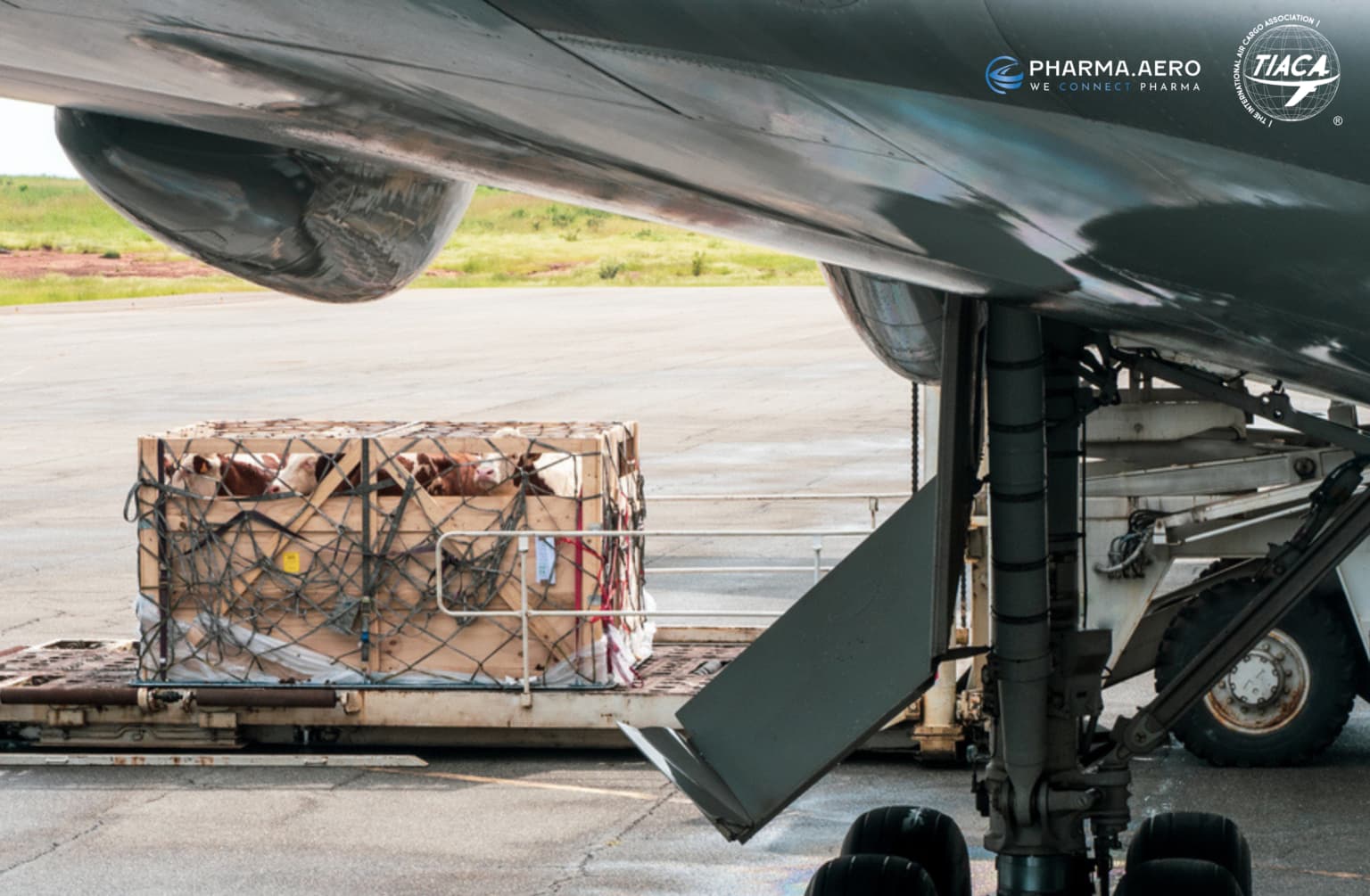

The Critical Role of Air Cargo in Sub-Saharan Africa’s Development
Sub-Saharan Africa is at a crossroads where the lack of sufficient air cargo capacity severely impedes its economic potential and healthcare access. Despite being a rapidly growing region, it currently receives a mere 2% of the world's global air cargo availability. This restricted capacity doesn’t just delay the delivery of medicines—especially temperature-sensitive pharmaceuticals—it also stifles the export of high-value agricultural goods that could significantly improve local economies.
A comprehensive analysis spanning a decade of market trends highlights how expanding bidirectional airfreight routes can create a multi-billion dollar ripple effect throughout the region. This includes fortifying supply chains, scaling agricultural exports, and most critically, improving the delivery of essential healthcare products to millions.
Structural Gaps Limiting Growth
- Insufficient cargo capacity: Increasing population and higher demand for medicines call for more available airlift, yet the capacity remains strikingly low.
- Heavy reliance on airfreight for healthcare: Up to 90% of critical drugs and vaccines arrive by air, making reliable air cargo a lifeline.
- Stagnant agricultural exports: While Asia and Latin America see strong growth in perishables shipment, Africa lags behind, missing job and foreign-exchange opportunities.
- Seasonal healthcare challenges: Predictable spikes in vaccine and medical supply needs during disease outbreaks require flexible and dependable transport uplift capacity.
- Competitive pressure: Countries like China and India are investing heavily in Africa’s logistics hubs, upping the ante for global players to keep pace.
- Economic and public health synergy: Optimizing inbound pharmaceutical cargo alongside outbound perishables promises a win-win for both economic development and health outcomes.
Why This Matters for Logistics and Supply Chains
From a logistics perspective, the imbalance in air cargo capacity to and from Sub-Saharan Africa is not just a number on paper—it translates directly into challenges in freight forwarding, haulage, and distribution. Limited airfreight options reduce the flexibility and reliability that shippers and supply chain managers demand, especially in handling sensitive healthcare cargo and perishable goods.
Expanding air cargo networks will lead to improved shipment timing, reduced delays, and enhanced cold chain logistics. These improvements are essential not just for healthcare shipments requiring precise temperature controls but also for agricultural products that must reach international markets quickly to retain freshness and market value.
Operational and Strategic Considerations
| Aspect | Current Challenges | Potential Improvements |
|---|---|---|
| Cargo Capacity | Severe underallocation compared to demand growth | Increase flight frequency and cargo space in key trade lanes |
| Supply Chain Resilience | Inconsistent capacity causes bottlenecks during peak demand | Develop flexible, weather and outbreak-responsive cargo services |
| Healthcare Access | Limited airfreight limits timely delivery of vaccines and medicines | Strengthen pharma-dedicated cargo routes with improved cold chain handling |
| Agricultural Export Growth | Exports stagnating due to poor shipping options | Enhance outbound cargo capacity for perishables, improving market reach |
Industry Insights and Calls to Action
Leaders in the sector emphasize this state of affairs as a wake-up call. The limited allocation of cargo capacity creates both economic and social consequences. Expanding air cargo capacity offers a rare dual opportunity: boosting local economies by scaling exports while concurrently ensuring critical medicines reach those in need.
Stakeholders ranging from airlines and airports to freight forwarders and pharmaceutical firms are urged to tailor capacity strategies and supply chain solutions to this emerging market’s unique challenges. Governments are equally encouraged to coordinate industrial policies that balance both economic and health priorities.
Key Recommendations for Stakeholders
- Airlines should develop targeted cargo capacity plans focused on emerging African markets.
- Freight forwarders need to customize trade lane services prioritizing health-critical and perishable cargo.
- Pharmaceutical companies ought to cultivate more resilient, temperature-controlled supply chains.
- Government bodies should design industrial and healthcare policies facilitating smoother air cargo flows.
Why Personal Experience Outweighs All Reviews
Even the most thorough white papers and industry reports can't replace the value of experiencing the cargo transport system firsthand. On platforms like GetTransport.com, users can book reliable cargo transportation at competitive rates worldwide—empowering them to make decisions based on their own logistics requirements without hidden costs or unpleasant surprises.
The platform's extensive selection, user-friendly booking process, and transparent pricing simplify complex freight needs. Whether moving office equipment, bulky goods, vehicles, or sensitive cargo, GetTransport.com makes navigating the global transport landscape hassle-free and affordable. Book your Ride now at GetTransport.com to experience the difference.
Looking Ahead: The Logistics Impact
While the undercapacity of air cargo in Sub-Saharan Africa may not disrupt global logistics overnight, it’s a pressing issue within regional and international trade networks. For companies involved in international shipping, freight forwarding, and relocation, understanding these trends is crucial. Aligning with emerging logistics hubs and expanding capacity to and from Africa can create new opportunities and bolster supply chain reliability globally.
Start planning your next delivery and secure your cargo with GetTransport.com. The platform is dedicated to staying ahead of such developments, ensuring shippers can adapt to a changing world with confidence.
Conclusion: Unlocking Potential Through Enhanced Air Cargo Connectivity
Sub-Saharan Africa’s current air cargo capacity shortages restrict economic growth and healthcare accessibility, yet, as shown by detailed data analyses, addressing these gaps can unlock substantial multi-billion dollar benefits. Strengthening air freight connections improves the flow of essential pharmaceuticals and high-value perishables, driving positive impacts on public health and rural incomes alike.
From a logistics and transport perspective, the challenge and opportunity lie in upgrading infrastructure, increasing cargo capacity, and fostering cross-sector coordination. Reliable and efficient air freight services are critical for the timely and safe delivery of temperature-sensitive goods and exports, directly influencing the region’s integration into global supply chains.
GetTransport.com offers a comprehensive solution aligned with these needs—providing affordable, global transport options for a range of shipment types, from office moves to bulky freight. It simplifies logistics by connecting users to trusted providers, ensuring shipment reliability without breaking the bank. For anyone involved in moving cargo to or from Africa, leveraging the platform’s network streamlines operations and supports growth in emerging markets.