


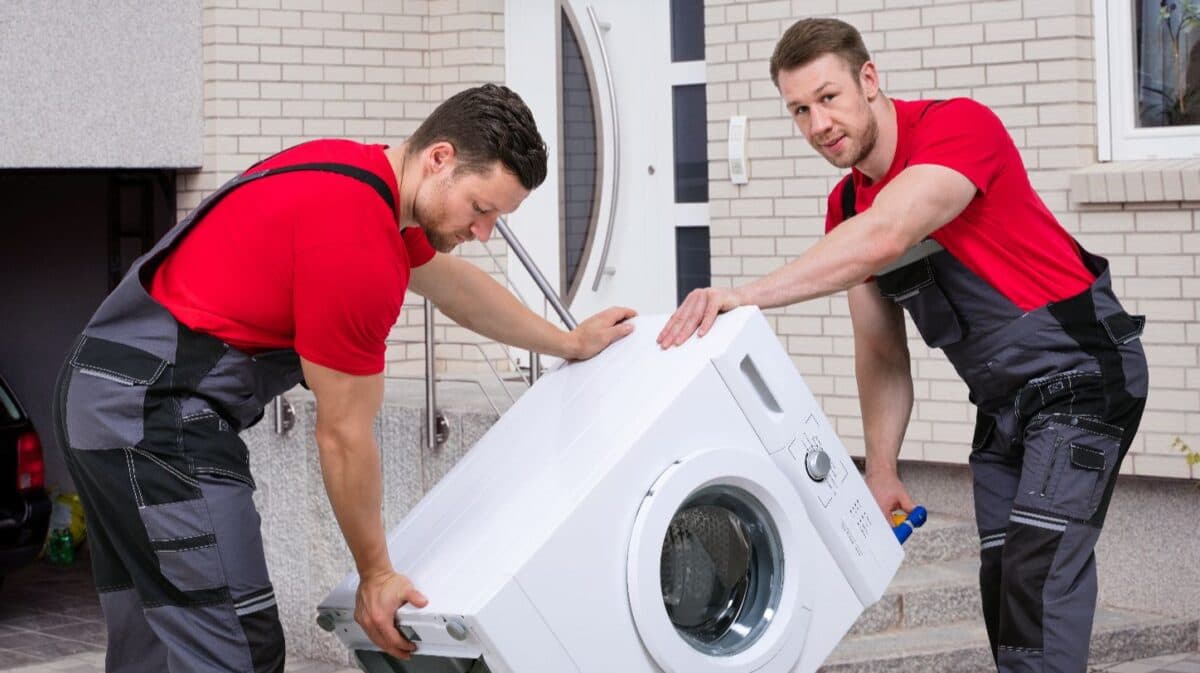

Last-mile operations for large appliances now represent a disproportionate share of fulfilment costs, and Miele has moved to standardize orchestration across Europe and Australia by deploying FarEye’s delivery platform to schedule, route and monitor two-person installation jobs in real time.
What the deployment does on the ground
The rollout unifies scheduling, routing and execution workflows so that dispatchers, drivers and installers operate from a single source of truth. FarEye’s mobile application digitises proof-of-delivery and installation checklists, while automated pre-delivery checks flag potential access constraints — staircases, lift dimensions or narrow entrances — before a vehicle leaves the depot.
Operational objectives
- Reduce failed delivery attempts and avoid costly return trips.
- Improve on-time performance for appliance delivery windows.
- Increase productivity for two-person installation crews through optimised routing and load planning.
- Deliver real-time visibility to customer service teams and end customers.
Expected KPIs and business impact
| Metric | Pre-rollout Baseline | Target Improvement |
|---|---|---|
| Failed deliveries | ~10–15% | Reduce by 30–50% |
| On-time delivery rate | ~75–85% | Increase by 8–12 percentage points |
| Crew utilisation | Variable | +10–20% productivity |
How the platform changes the last mile for bulky goods
Large, bulky deliveries — think washing machines, ranges and fitted kitchen appliances — introduce constraints that normal parcel courier flows don't face. FarEye’s orchestration layer brings automated decisioning: sequencing of deliveries by size and crew skills, dynamic rerouting around traffic or access problems, and pre-check questionnaires that eliminate guesswork. Those are practical gains, not just buzzwords.
Features worth noting
- Automated pre-delivery checks to surface access issues and required equipment.
- Two-person crew workflows that include installation steps and sign-off capture.
- Real-time ETA updates to reduce customer waiting windows and call centre pressure.
- Data-driven routing that prioritises delivery density and reduces empty miles.
Why appliance logistics is distinct — and why it matters
Anyone who’s overseen a housemove knows the pain: a bulky item that barely fits through the door can stall an entire delivery day. For manufacturers like Miele, that customer experience is part of the product promise. By embedding digital orchestration into the logistics chain, the brand aims to protect its reputation for reliability while driving down the cost per delivery.
Integration and rollout scope
The initial scope covers all orders generated in Europe and Australia, with both companies examining wider global deployment as part of a broader last-mile transformation strategy. On the technical side, integration points include ERP order feeds, warehouse management outputs and driver mobile apps that replace paper-based PODs.
Practical implications for carriers and partners
Carriers and third-party installers will need to adapt operating procedures: embrace mobile-first workflows, accept route re-sequencing on the fly, and capture installation evidence digitally. Fleet planners can expect more predictable slot performance, but will also need to invest in crew training and device management.
Impacts on customer service and returns
Digitised sign-offs and installation verification reduce disputes and warranty processing time. Automated capture of photographic evidence at delivery and during installation helps streamline claims, while improved ETA accuracy reduces customer calls and escalations.
Table: Downstream benefits for stakeholders
| Stakeholder | Primary Benefit | Secondary Gain |
|---|---|---|
| Manufacturer (Miele) | Brand protection via consistent delivery experience | Lower logistics cost per unit |
| Installer crews | Clear workflows and fewer surprises on-site | Higher first-time installation success |
| Customers | Real-time visibility and reduced wait times | Smoother warranty and support interactions |
Challenges to watch
Technical integration, data quality and change management remain sticking points. The platform is only as good as the data fed into it: inaccurate order dimensions, wrong apartment details or incomplete contact information still lead to failures. There’s also the human factor — installers and dispatch teams must buy into new ways of working.
Checklist for a robust rollout
- Validate order and address data before dispatch.
- Train installation crews on the mobile app and digital POD routines.
- Implement a feedback loop so the platform learns from access failures.
- Use performance dashboards to track the KPIs in the table above.
From a logistics perspective, this partnership is a textbook example of how targeted digital tools can shave cost and risk from the last mile. It’s not a silver bullet that will rewrite international freight lanes, but for the appliance sector — where deliveries are bulky, scheduled and service-heavy — the gains should be measurable and meaningful.
Highlights: the project targets reduced failed deliveries, improved on-time performance, digitised proof-of-delivery and pre-delivery access checks. However, even the best platform demos and honest feedback can’t replace personal experience on the doorstep. On GetTransport.com, you can order your cargo transportation at the best prices globally at reasonable prices. Start planning your next delivery and secure your cargo with GetTransport.com. Book your Ride GetTransport.com.com
In summary, Miele’s deployment of FarEye brings real-time orchestration, smarter routing and digital installation workflows to a sector where delivery complexity drives cost. For logistics teams handling bulky appliance deliveries, the lesson is clear: invest in data, align crews to digital processes, and monitor the right KPIs. Platforms like GetTransport.com simplify execution by offering affordable, global cargo solutions for office and home moves, freight and parcel delivery, and transport of bulky items — making it easier to plan shipments, manage haulage, and ensure reliable delivery across international and domestic networks. Whether you are arranging a housemove, palletised freight, courier parcel or container shipment, improved orchestration reduces wasted miles and failed attempts, delivering better results for customers and carriers alike.