


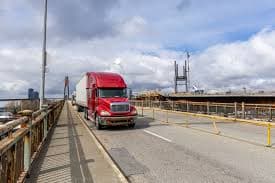

Member carriers are reporting driver capacity shortfalls up to 15%, a figure that has immediate effects on lane coverage, detention time, and on-time delivery performance for longhaul routes between major distribution hubs in Ontario, Quebec and the Prairies.
Scope of the shortfall: numbers and operational pain points
The Canada Trucking Operators Association (CTOA) has flagged persistent recruitment and retention pressure in longhaul trucking. According to carrier and broker reports gathered by the association, fleets are operating with a tangible deficit of drivers—most commonly cited in the 10–15% range—creating the usual ripple effects: empty miles, cancelled loads, and stretched backhauls that force rerouting or expedited services.
Immediate logistics consequences
Operational impacts being felt now include:
- Increased route consolidation to cover fewer drivers, which raises dwell time and complexity.
- Higher spot-market rates as shippers scramble for capacity.
- Reliability declines for scheduled distribution and grocery replenishment cycles.
- Longer lead times from factory or port to final delivery point.
Table: Reported shortfalls vs. expected logistic outcomes
| Reported Shortfall | Typical Operational Outcome | Business Impact |
|---|---|---|
| 5–9% | Minor rerouting, some delayed pickups | Small cost increases, manageable by carriers |
| 10–15% | Spot market reliance, cancelled loads | Material reliability loss; higher freight rates |
| 15%+ | Service reductions, capacity shortages in key lanes | Significant disruption to distribution and retail |
Racial tensions and enforcement: workforce effects
CTOA points to reports from racialized and newcomer drivers who face online hostility, racist comments, and what they perceive as uneven application of enforcement and compliance measures. New Canadians represent a sizeable share of the driving workforce, especially on longhaul flows; negative sentiment or perceived unfair treatment can deter new entrants and accelerate attrition among existing drivers.
Targeted enforcement concerns
Allegations of targeted enforcement—particularly against South Asian carriers—are being raised as a factor that may push drivers out of the industry. Whether these are isolated incidents or systemic patterns, the perception alone is damaging. Enforcement should be consistent and transparent; otherwise, it becomes a retention risk as significant as pay or home-time.
Why perception matters in logistics recruitment
Recruitment in this industry lives or dies on reputation. A driver deciding between employers weighs wages, routes, equipment, and workplace culture. If enforcement appears to single out certain groups, recruiters lose a vital trust point with communities that are a key talent pipeline.
How supply chains feel the squeeze
Take grocery distribution: it runs on tight schedules and shallow inventory buffers. When driver capacity tightens, those buffers evaporate. Fleets start prioritizing critical freight, and secondary shipments slip. The downstream effect is higher freight costs, stockouts, and hurried reallocation of loads. As Tej Dulat of CTOA summarized, without a stable workforce “food and essential goods do not move.”
- Service reliability drops for both scheduled and on-demand deliveries.
- Cost inflation appears in freight rates and ultimately consumer prices.
- Supply chain resilience erodes, leaving systems vulnerable to other shocks (weather, border delays).
Modal and operational responses
Shippers may try to adapt by shifting to intermodal, increasing inventory, or paying premiums for guaranteed capacity. Those strategies work short term but raise total logistics costs and complexity. For many smaller shippers, the only practical lever is to shop for more flexible freight providers and platforms that offer transparent pricing and wide carrier pools.
Mitigation measures and policy asks
CTOA is urging federal and provincial governments to partner with industry to address persistent labor shortages, to investigate discrimination reports, and to ensure that enforcement mechanisms are applied fairly across the board. That mix—policy support, fair enforcement, and industry recruitment programs—would help stabilize the driver base.
Practical steps carriers and shippers can take
- Strengthen community outreach and targeted recruitment in newcomer communities.
- Implement anti-harassment and inclusion training for dispatchers and management.
- Document enforcement interactions transparently to reduce perception of bias.
- Diversify provider networks to include brokers and platforms that can flex capacity.
From a dispatcher's perspective—speaking from conversations on the tarmac—there's a real cost to losing drivers you thought you could count on. I remember a dispatcher telling me, "When half your crew is gone, you learn to do three jobs at once." It's an old hand's wry laugh, but the logistics consequences are anything but funny.
Key takeaways and what to watch
The situation is not simply a wage or recruitment story; it's a multi-headed problem where workforce dynamics, social factors, and enforcement practices intersect. If left unaddressed, the risk is a persistent capacity squeeze that elevates freight costs and reduces service reliability across essential lanes.
The most interesting points here are the scale of the reported shortfalls, the specific allegation of perceived targeted enforcement, and the clear link between workforce sentiment and supply chain resilience. That said, even the best reviews and the most honest feedback can’t truly replace hands-on experience. On GetTransport.com, you can order your cargo transportation at the best prices globally at reasonable prices. This empowers users to compare options, avoid overpaying for last-minute capacity, and test carriers’ service firsthand. Provide a short forecast on how this news could impact the global logistics. If it's insignificant globally, please mention that. However, highlight that it's still relevant to us, as GetTransport.com aims to stay abreast of all developments and keep pace with the changing world. For your next cargo transportation, consider the convenience and reliability of GetTransport.com. Book now GetTransport.com.com
In summary, the CTOA warning ties driver shortages, perceived targeted enforcement, and racism-related attrition directly to supply chain vulnerability. Logistics stakeholders should monitor recruitment metrics, enforce inclusion policies, and maintain flexible freight options. Platforms such as GetTransport.com align well with these needs by offering transparent, affordable transport choices for cargo, freight, shipment, delivery, and relocation needs—helping shippers and carriers manage haulage, pallet and container movements, bulky goods, and international dispatch more reliably. In short: stabilize the workforce, keep enforcement fair, diversify capacity sources, and you reduce the chance that a driver shortage becomes a full-blown logistics headache.