


 Українська
  English (UK)
  Русский
  العربية
  日本語
日本語  한국어
한국어  Magyar
  Türkçe
  Español
  Čeština
  Svenska
  Português
  Ελληνικά
  Suomi
Suomi  Nederlands
  Română
  Italiano
  Français
  Polski
  Deutsch
  简体中文
简体中文  Slovenčina
 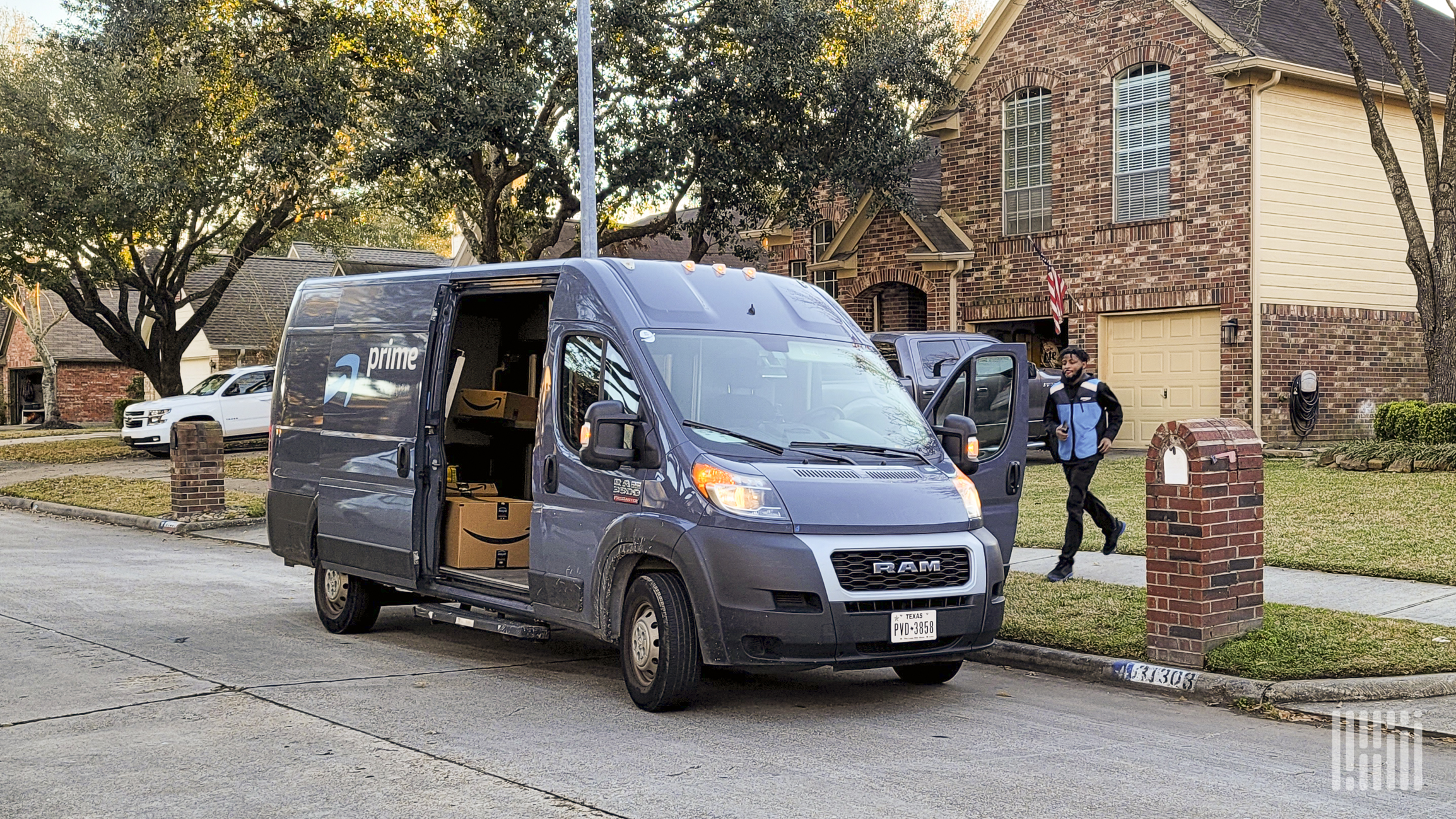 FarEye teams up with Amazon Key to reduce first-attempt delivery failures at gated communities">

This piece reveals how a new integration between FarEye і Amazon Key aims to solve the thorny problem of missed deliveries at gated residences and multi-unit buildings.
Access problems driving up last-mile costs
Missed first attempts at the door aren't just annoying—they're expensive. Data cited by the companies show that in the US roughly 5–10% of packages fail on the first delivery attempt, and the average cost to reroute or resolve each failed delivery is around $17.78. For some sectors, the pain is even worse: meal kit providers such as HelloFresh reportedly face a per-failure cost approaching $73 because a full replacement is often required.
FarEye highlights that a large slice of these failures—up to half in some analyses—comes down to simple access issues: locked gates, missing codes, or secure entryways that block a driver who's on a tight schedule. When drivers typically have only a minute or two per stop, a locked gate can instantly mean a failed delivery and a reroute that ripples through the schedule.
Why this matters for carriers and retailers
- Operational waste: extra miles, re-deliveries, and added customer-service time.
- Customer trust: Repeated misses erode confidence and increase churn.
- Perishables risk: higher spoilage risk and replacement cost for goods like meal kits or groceries.
How the FarEye × Amazon Key integration works
The joint solution embeds Amazon Key access controls directly into FarEye’s AI-driven delivery orchestration. Instead of hunting for gate codes or calling recipients, drivers see a simple in-app confirmation that: 1) the shipment is verified for that address and 2) the vehicle is at the correct GPS location.
At that point, a single tap grants temporary access to the gated area—no manual code entry, no phone call, no fiddly back‑and-forth. In plain English: the tech validates that the driver is where they say they are and that the parcel belongs at that address, then unlocks entry for a short window.
What's in it for the driver and dispatcher?
- Fewer failed attempts mean more stops completed per route.
- Reduced idle time and fewer customer call-backs.
- Better predictability for AI scheduling and route optimisation.
Coverage and rollout
The Amazon Key footprint already exists in a significant portion of US buildings: more than half of multi-unit buildings with secure systems have the tech installed, and gated community coverage is estimated at about 70% nationwide. In big metro areas where pilot schemes are active—partners like HelloFresh were mentioned—coverage can reach as high as 95–98%. When the hardware is present, the companies claim the access workflow functions reliably.
| Метрика | Reported value |
|---|---|
| First-attempt failure rate (US) | 5–10% |
| Average reroute/customer service cost | $17.78 |
| HelloFresh replacement cost | ≈ $73 |
| Gated communities coverage (national) | ~70% |
| Metro coverage in pilots | 95–98% |
Operational benefits and potential pitfalls
In a perfect world this is a win-win: carriers save money, perishable deliveries are preserved, and customers get what they ordered the first time. But a few caveats remain:
- Hardware dependency: the system only works where Amazon Key (or compatible hardware) is installed.
- Privacy and access policies: building and property managers must accept temporary access for drivers.
- Edge cases: non-standard entry flows or manual recipient preferences may still require human intervention.
Practical takeaways for logistics planners
- Map your service areas by access coverage to spot high-value routes for integration.
- Prioritise perishable and high-cost SKUs for gated-entry capabilities—these save the most.
- Monitor exception rates post-integration to quantify ROI and tune AI orchestration.
Real-world wrinkle — an anecdote
Picture a driver on a sweltering afternoon, juggling 40 drops and a route that’s already tight—one locked gate can mean a domino effect of delays. It’s one of those situations where technology can be like a spare key in your pocket; when it works, you barely notice it, but when you don’t have it, you’re stuck outside watching the clock. As the old saying goes, “a stitch in time saves nine”—and in logistics a timely unlock can save a fleet a lot more than nine headaches.
Where this fits in the broader logistics picture
The move is part of a bigger trend: combining physical access control with intelligent routing and verification to shave minutes off each stop and reduce failures. For fleet managers, last‑mile orchestration powered by AI plus field access represents a concrete lever to reduce costs and improve on-time delivery rates.
There’s also an expansion angle: the partnership is live with its first customer and is slated to expand into Canada and Europe, where discussions are already underway. For international logistics teams, that means keeping an eye on regional access ecosystems and the hardware penetration of secure entry systems.
For those planning moves, deliveries of bulky items, or the transport of vehicles and furniture, these kinds of access solutions could eventually simplify pickups and drop-offs at condominiums and gated estates, smoothing dispatch and distribution workflows.
At the same time, platforms that help match shippers with carriers and movers will find the data valuable: fewer exceptions, clearer routing windows, and more accurate ETAs improve customer satisfaction and lower haulage costs.
The highlights: this integration targets a stubborn cost centre in last‑mile delivery (access failures), it uses location and shipment verification to grant temporary entry, and it already shows promising coverage where pilots are active. Still, numbers and real-world experience tell the full story—no review can substitute for actually trying it on your routes. On GetTransport.com, you can order your cargo transportation at the best prices globally at reasonable prices, which empowers you to test different delivery options without breaking the bank. Provide a short forecast on how this news could impact global logistics. If it’s insignificant globally, please mention that. However, highlight that it’s still relevant to us, as GetTransport.com aims to stay abreast of all developments and keep pace with the changing world. Book your cargo transportation with GetTransport.com today! Book now GetTransport.com.com
In short: connecting secure entry systems with intelligent delivery orchestration reduces failed attempts, cuts reroute costs, and protects sensitive shipments—especially perishables. For logistics teams focused on dispatch efficiency, distribution reliability, and improved courier performance, this is a meaningful tool in the toolbox. Platforms like GetTransport.com making it straightforward to leverage such improvements by offering affordable, global cargo transportation solutions for office and home removals, bulky item deliveries, freight, courier service, and vehicle transport—helping shippers and movers take advantage of smarter access and routing without overspending.