


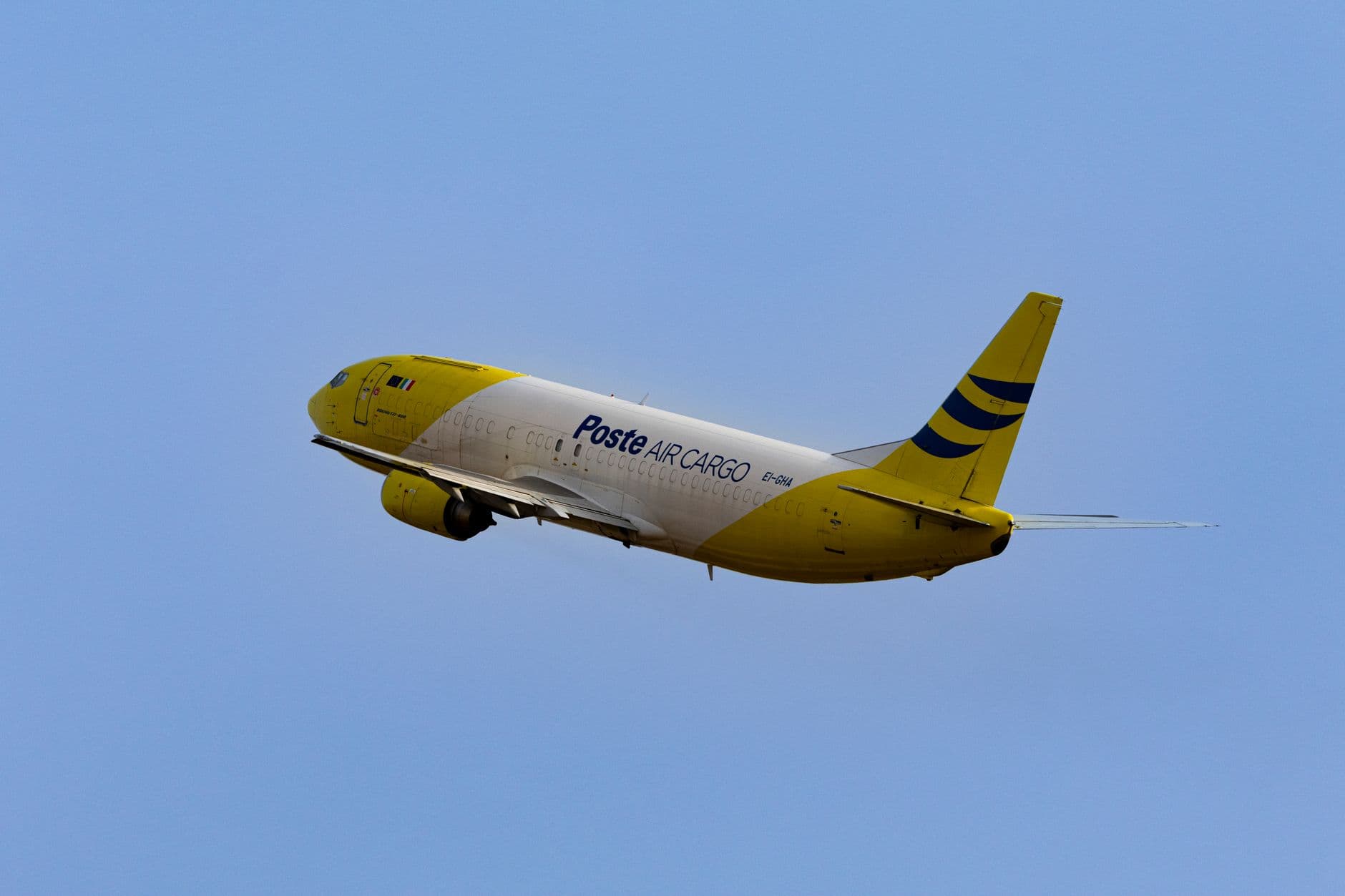

Коли клієнт телефонує нам щодо перевезення трансформатора, вертольота чи заводського преса повітрям, перша названа ними цифра майже завжди неправильна. Вони запитують літак із найбільшим корисним навантаженням, тоді як насправді визначальним фактором є те, чи поміститься вантаж у двері та в трюм цілим. У GetTransport.com ми досить часто організовуємо чартерні авіаперевезення великогабаритних та важких вантажів, щоб знати, що корисне навантаження, внутрішній об'єм та розмір головного вантажного люка — це три окремі обмеження, і літак, який виграє за тоннажем, часто програє за формою. Отже, ось рейтинг найбільших вантажних літаків за максимальним корисним навантаженням на 2026 рік, складений на основі специфікацій виробників та довідкових даних, а також реальність об'єму та розмірів дверей, яка визначає, що ви дійсно можете завантажити.
Рейтинг за максимальним корисним навантаженням
Наведені нижче цифри — це максимальні структурні корисні навантаження, опубліковані виробниками літаків та зібрані у стандартних довідниках, таких як таблиці вантажних літаків Вікіпедії. Розглядайте їх як граничні значення. Реальні вантажі майже завжди менші, враховуючи паливо для маршруту, резерви на випадок поганої погоди та обмеження центру мас, про що ми згадуємо, коли клієнт зосереджується на загальній тоннажності.
| Рейтинг | Літак | Тип / статус | Макс. корисне навантаження (від виробника / посилання) |
|---|---|---|---|
| 1 | Антонов Ан-225 «Мрія» | Позаду; один літак, знищений 2022 року | близько 250 тонн |
| 2 | Антонов Ан-124 "Руслан" | Видатний статутний робочий кінь; в експлуатації | до близько 150 тонн (конструктивні) |
| 3 | Boeing 747-8F | Найбільший вантажний літак серійного виробництва; в експлуатації | приблизно 134 тонни |
| 4 | Lockheed C-5 Galaxy | Військовий розмір; на службі | близько 122 тонн |
| 5 | Airbus A350F | Вантажний літак нового покоління; запуск тепер очікується наприкінці 2027 року | близько 111 тонн |
| 6 | Boeing 777F | Робоча конячка для далеких перевезень; виробництво завершується наприкінці 2026 року. | близько 103 тонн |
| 7 | McDonnell Douglas MD-11F | Вантажний Trijet; UPS вивела з експлуатації свій флот, FedEx повернула деякі у 2026 році. | близько 92 тонн |
| 8 | Boeing C-17 Globemaster III | Військовий транспортний літак; в експлуатації | близько 77 тонн |
| 9 | Boeing 767-300F | Середній широкофюзеляжний вантажний літак; в експлуатації | близько 53 тонн |
Дві з чотирьох перших не є літаками, які комерційний відправник може просто забронювати за розкладом. Ан-225 більше не існує, а C-5 є військовим активом. Залишається Ан-124 як практичний варіант для негабаритних перевезень, а 747-8F — найбільший серійний вантажний літак, на який ви можете замовити чи купити місце, тому саме вони виконують більшу частину важкої роботи в нашому світі.
Ан-225, і чому рекордсмен більше не літає
Антонов Ан-225 «Мрія» тримав усі відповідні рекорди. Він був побудований як єдиний літак у радянську епоху для перевезення космічного корабля «Буран», і з максимальною корисним навантаженням близько 250 тонн міг піднімати вантажі, які не могли впоратися жодні інші літаки. Він був знищений у лютому 2022 року в аеропорту Гостомеля поблизу Києва на початкових етапах війни в Україні. Ми згадуємо його, тому що клієнти досі запитують його на ім'я, і чесна відповідь полягає в тому, що єдиного у світі найбільшого вантажного літака більше немає, хоча про реконструкцію говорять, але вона не здійснена.
Його втрата реально зменшила потужності на ринку надгабаритних вантажів. Вантажі, які раніше вміщувалися в Ан-225 за один рейс, тепер доводиться розбивати, ділити між двома рейсами Ан-124 або перевозити морем і сушею. Така зміна ситуації на верхівці ринку є реальною причиною, яку ми враховуємо, коли вантаж перевищує можливості Ан-124.
Ан-124, робоча конячка негабаритних чартерних перевезень
З відсутнім Ан-225, Ан-124 «Руслан» є літаком, до якого ми звертаємося, коли вантаж не вміщається у стандартний вантажний літак. Структурні показники «Антонова» вказують, що його стеля становить близько 150 тонн, хоча типові комерційні вантажі, з урахуванням палива та резервів, становлять близько 120 тонн. Що відрізняє Ан-124, це не тільки вага. Він має носову частину, що відкривається, задню рампу, бортову кран-систему та вантажний відсік, розрахований на справді великі окремі одиниці, тому він може самостійно завантажити генератор або локомотив, які жоден вантажний літак з бічними дверима не зміг би прийняти.
Складність полягає в доступності та вартості. Загальний парк Ан-124 невеликий і тепер розділений між кількома операторами, причому українські та російські літаки розділені війною, а їхні ланцюги технічного обслуговування та підтримки зазнають напруги, тому доступна потужність є обмеженішою та менш передбачуваною, ніж будь-коли раніше. Вартість чартеру висока, а терміни виконання замовлень збільшуються, коли попит зростає навколо енергетичних проєктів або надання допомоги в разі стихійних лих, тому ми розглядаємо його як спеціалізований інструмент, ціна якого встановлюється та бронюється заздалегідь, а не як щось, що можна викликати в короткий термін.
747-8F, найбільший серійний вантажний літак, який ви можете реально забронювати
Для палетованих і контейнерних авіаперевезень, а не для окремих великогабаритних вантажів, Boeing 747-8F є найбільшим варіантом у регулярних та чартерних перевезеннях, з максимальною корисним навантаженням близько 134 тонн. Виробництво 747-х завершилося у 2023 році, тому нових літаків не будують, але вантажні 747-ті, що вже літають, залишатимуться основою далекомагістральних вантажних перевезень ще багато років. Його носові двері є тією особливістю, яка зберігає його актуальність, оскільки вони дозволяють операторам завантажувати довгі предмети прямо по головній палубі.
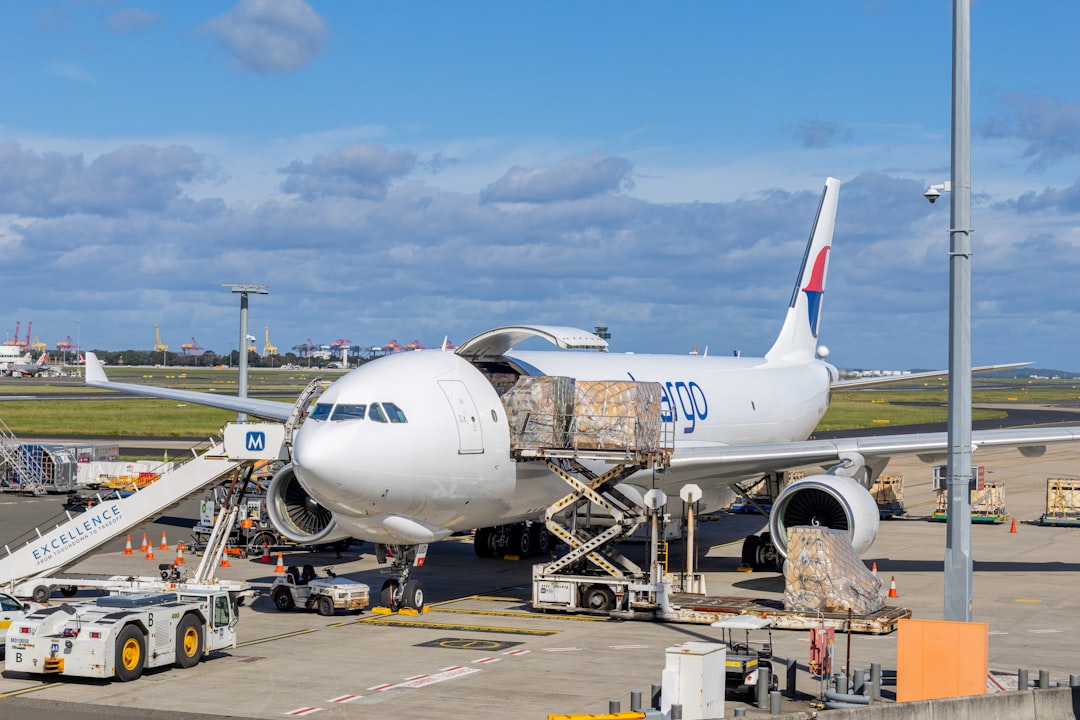
За ним Boeing 777F — це той літак, який насправді перевозить більшу частину світових далеких вантажних авіаперевезень. Його корисне навантаження менше, близько 103 тонн, але він спалює значно менше палива за рейс як двомоторний реактивний літак, тому він присутній на багатьох торгових маршрутах, які ми бронюємо. Його власне виробництво зараз завершується: нинішня лінія 777F закриється наприкінці 2026 року, а його наступник, 777-8F, не очікується раніше 2028 року. Новий Airbus A350F, з корисним навантаженням майже 111 тонн та найширшими дверима вантажного відсіку в галузі, завширшки близько 4,3 метрів, позиціонується як конкурент за ефективністю, хоча його введення в експлуатацію було перенесено на другу половину 2027 року.
Вантажопідйомність проти об'єму проти розміру дверей
Ось урок оператора, який приховує рейтинг. Корисне навантаження — це лише перше з обмежень, які визначають фрахтувальника. Другим є внутрішній об'єм, оскільки значна частина повітряних вантажів є легкою та об'ємною, а не щільною, тому літак може заповнити кубічний простір задовго до того, як вичерпає обмеження за вагою. Третє — це геометрія дверей і вантажного відсіку, оскільки предмет, який занадто високий або занадто широкий, просто не поміститься, незалежно від того, скільки тонн літак теоретично міг би перевезти.
Саме тому ми запитуємо дані про габарити та вагу разом, перш ніж надавати цінову пропозицію на негабаритні авіаперевезення, і саме тому Ан-124 з його носовими дверима та високим вантажним відсіком може обійти варіант, що здається важчим на папері, для вантажу незручної форми. Авіація – найшвидший спосіб транспортування, але він також найбільше залежить від форми вантажу, і ті ж самі компроміси масштабу проявляються, коли ми порівнюємо його з вантажопідйомністю одного рейсу на найбільші контейнеровози.
Що ця рейтингова система змінює у бронюванні авіаційних вантажів
Розглядаючи цей список як посібник з експлуатації, а не як специфікацію, він формує кілька рішень, які ми приймаємо від імені клієнта:
- Для справді негабаритних одиничних партій ми плануємо навколо Ан-124 заздалегідь, оскільки флот невеликий, а Ан-225, який колись перевозив найбільші вантажі, більше не існує.
- Для важких вантажів на піддонах ми насамперед розглядаємо 747-8F, найбільший вантажний літак серійного виробництва, який ще перебуває в експлуатації, визнаючи при цьому, що нових таких не будують.
- Для щільних далекомагістральних генеральних вантажів ми очікуємо 777F сьогодні, і ми плануємо для більш напруженого вантажного ринку, оскільки лінії 747-8F і 777F закриваються, а A350F і 777-8F затримуються.
- Ми збираємо дані про вагу та повні розміри перед тим, як надавати пропозицію, оскільки об'єм та розмір дверей зумовлюють так само багато негабаритних робіт, як і тоннаж.
- Ми розглядаємо опубліковані максимальні корисні навантаження як верхні межі, а не як показники бронювання, оскільки витрати палива на маршруті та резерви зменшують корисне навантаження нижче зазначеного числа.
З кожним роком все важливішим стає один пункт планування. Оскільки 747-8F припинено до виробництва, лінія 777F закривається у 2026 році, а поставки A350F та 777-8F запізнюються, пропускна спроможність великих вантажних літаків зменшується, тому бронювання чартерів для великогабаритних або важких вантажів за кілька місяців наперед стає необхідністю, а не опцією. Хаб, через який летить літак, має таке ж значення, як і сам літак, тому ми читаємо цей список разом з найзавантаженіші вантажні аеропорти при плануванні перевезення. Літак визначає, що ви можете перевозити; аеропорт — наскільки надійно ви можете це зробити.
Найчастіші запитання
Який найбільший вантажний літак у світі у 2026 році?
За максимальною вантажопідйомністю найбільшим був Ан-225 «Мрія» — близько 250 тонн, але він був знищений у лютому 2022 року і більше не літає. Серед літаків, що ще перебувають в експлуатації, Ан-124 «Руслан» лідирує у сфері великогабаритних чартерних перевезень зі структурною стелею майже 150 тонн, а Boeing 747-8F є найбільшим серійним вантажним літаком, який можна забронювати, — приблизно 134 тонни.
Чому найбільший літак не завжди виграє тендер?
Оскільки корисне навантаження — це лише одне обмеження. Внутрішній об'єм має значення для легких і громіздких вантажів, які заповнюють вантажний відсік до досягнення вагового ліміту, а геометрія дверей і вантажного відсіку визначає, чи фізично вміститься негабаритний елемент. Ан-124 з носовими дверима і високим вантажним відсіком може перевезти важчий вантаж, ніж вантажний літак з вищим рейтингом, якщо він має незграбну форму.
Що сталося з літаком "Антонов Ан-225"?
Найбільший у світі вантажний літак був знищений у лютому 2022 року в аеропорту Гостомель поблизу Києва під час війни в Україні. Обговорювалася його реконструкція, але вона не була реалізована, тому його приблизно 250-тонна потужність недоступна на ринку, а найбільші вантажі тепер доводиться розділяти між меншими літаками або перевозити морем та автошляхами.