



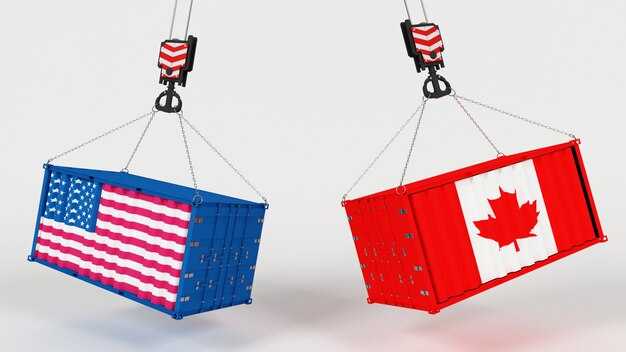
Apply targeted tariff relief on essential inputs now to keep prices stable and protect American consumers.
In late data releases, imports rose across categories, with shipments in consumer electronics, machinery, and autos up modestly from foreign suppliers. In the short-run, volumes advanced even as companies waited for clearer policy signals.
canada remains a key foreign partner in supply chains, reinforcing the need to keep cross-border channels open.
The contradiction between tariff rhetoric and real-world behavior remains clear: while policymakers debate broad changes, supply chains stay paused for major shifts. The fundamental dynamic is that most players prefer incremental adjustments, not wholesale overhauls, until policy is settled.
Projected trajectories for inflation and markets hinge on policy timing. If tariffs stay narrow and delay broad duties, importers can keep diversification efforts focused while prices ease slightly for some categories. A slightly higher cost path persists for goods with few substitutes, nudging the economics in the longer term. Some analysts compare this approach to trump tariffs of the past, underscoring the need for precision in policy design.
American buyers are pressing suppliers to maintain supply reliability, with canada and other foreign partners playing a bigger role in keeping categories stocked. The shift remains late in the cycle, but it offers a hedge against sudden tariffs and helps keep consumer prices contained while markets remain cautious.
Historically, the impulse to shield consumers from shocks fights with the aim to raise state revenue via tariffs. The current data suggest the tension is real: a contradiction between short-run import momentum and long-run shifts could persist until a clear plan emerges–one that keeps the supply chain flexible without inflating costs for households.
Tariff Anticipation and Real-World Impact on Importers
Recommendation: Frontload tariff-exposure mapping and supplier risk checks now to reduce shocks when duties are imposed. Then align finance, sourcing, and logistics teams to secure access to goods and adjust plans before the next round of duties. Statements from the secretary and the white house indicate more targeted duties during the coming years, so importers should expect higher landed costs and revised year-over-year budgets. Exporters have engaged in frontloading shipments, and countrys policy signals stabilises costs when actions are timely.
Real-world impact appears in three areas: cash flow, compliance burden, and sourcing leverage. When duties are imposed, importers face higher landed costs that raise the cost of goods sold for domestic retailers and manufacturers. Year-over-year margins swing as duties interact with exchange-rate moves and lead times. During the peak window, access to tariff-advantaged routes tightens, creating inventory risks and the need to hold more stock for key goods. Data from customs dashboards show a rise in shipments flagged for imminent duties, a signal that exporters and importers race to adjust. While some firms absorb the hit, others shift to alternative suppliers to minimise exposure, which reshapes sourcing maps for countrys exporters and domestic producers alike.
What to do now: Build a living tariff map for the top 20 sourced goods, include duty tiers, access to exemptions, and year-over-year trends. Set a cap on landed cost increases per supplier and renegotiate terms with exporters to share risk. Prioritise sources in countrys with stable duty schedules and seek longer-term contracts to lock-in prices. Maintain a central statements archive with imposition dates, when duties took effect, and any changes to classification. Simulate scenarios for a 5-10% swing in duties and plan buffer stock to avoid disruption during frontloading windows. Monitor weekly import data and adjust orders to keep lead times stable and to avoid penalties when duties jump.
Identify top product categories driving the pre-tariff surge in shipments
Target the following categories for proactive sourcing: Electronics and electrical equipment and components; Machinery and parts; Apparel and textiles; Furniture and home goods; Toys, games, and sporting goods; Automotive parts and accessories. These categories together account for roughly half of the pre-tariff rise in shipments, making them the core focus for planning ahead of tariffs.
- Electronics and telecom equipment and components (phones, chargers, microprocessors)
- Machinery and industrial parts (pumps, bearings, conveyors)
- Apparel and textiles (garments, footwear, fabrics)
- Furniture and home goods (sofas, beds, decor)
- Toys, games, and sporting goods (dolls, bicycles, fitness gear)
- Automotive parts and accessories (brake components, filters, air conditioning)
Rationale and data: The pattern might persist soon, with asian base suppliers showing the strongest rise in volumes. Customs data indicate shipments from the asian base rose during the early window ahead of tariff implementation. Electronics and machinery items led the surge, roughly accounting for half of the total rise in goods imports. Since this trend began, costs for landed goods have faced volatility, while uncertainty around taxes and tariff timing remains a factor. The contraction in some domestic segments is manageable as the overall base stays resilient, aided by diversified demand and supply patterns. Analytis oren notes that customs dashboards can highlight category-specific shifts, guiding procurement decisions.
Action plan for procurement teams:
- Lock in terms and prices for electronics, machinery, and apparel before policy changes, using forward contracts and longer payment terms to reduce costs.
- Diversify base by adding suppliers from other regions while maintaining a robust asian base to minimize disruption.
- Increase domestic inventory of high-risk items to smooth the supply chain and protect income against sudden shifts in tariffs.
- Improve customs analytics to forecast volumes by category and adjust orders on a rolling 90-day window to stay ahead of moves.
- Monitor tariff rumors and taxes updates to pace order timing and item mix before changes occur.
Time the flow: analyze tariff schedules, exemptions, and shipment windows
Recommendation: Build a live tariff map for your top 10 SKUs and lock shipment windows 14 days ahead of tariff changes. Verify exemptions and use monthly updates to keep costs predictable; align with suppliers to reduce the burden on households and improve revenue stability. Track claimed exemptions and the effect of each policy, and adjust orders before the rise in duties takes effect, during peak months. Have finance and procurement teams review the map quarterly, and maintain a long-term, zone-based approach to diversify risk with chinas exposure and supplier networks in australia to support income planning.
According to foundation research from Yale and Hackett, the policies in the supply chain create risk; rapid tariff announcements illustrate the issue. The monthly cadence of updates reveals planning gaps, a pattern this has been observed in recent cycles. This framework exposes risk and helps teams align finance, income planning, and procurement calendars across zone boundaries.
| Tariff code | Exemption | Shipment window (days) | Action |
|---|---|---|---|
| 8517.12 | Eligible | 14-21 | Schedule ahead; consolidate loads to minimize tariff hit |
| 8704.23 | Not exempt | 7-14 | Stagger orders, coordinate with suppliers |
| 3923.20 | Partially exempt | 10-18 | Consolidate shipments by week |
| 3006.50 | Pre-approved | 21-28 | Reserve space in freight windows; push pre-planned orders |
These steps help well-informed teams keep revenue predictable while reducing the financial burden on households. The foundation here is a disciplined cadence that finance, operations, and buyers can sustain during a volatile tariff cycle.
Mitigate risk via supplier diversification and nearshoring options
Diversify suppliers across regions and move selected production closer to key markets to reduce tariff exposure and supply disruptions. This shift helps keep products flowing to households, supports income stability, and improves resilience across the chain. The impact of this shift becomes evident when data collected from pilot regions shows lead times shortening by 15-30 days and service levels improving during volatility.
Start by mapping critical products and determine the geographic risk of each supplier, then set a target mix: move 30-40% of strategic SKUs to nearshore partners within 12-18 months, with a 10-25% share for other items. This nearshoring opens access to faster replenishment and reduces days for replenishment cycles. Some domestically produced components should be retained for well-identified items, while claimed cost parity with offshore sources will be tracked against projected savings.
Costs may rise temporarily as lines retool and suppliers qualify, but projected savings from avoiding tariff spikes and shorter logistics often offset the expense. The economic case strengthens when data collected from pilots shows cost reductions by item and more stable pricing during tariff volatility. This approach is often better than relying on a single supplier, helping businesses continue to access essential products during a shock. During volatility, nearshoring reduces exposure more effectively than offshore-only sourcing, with gains in resilience that reach households and down-market customers.
Implement a dynamic risk dashboard and set quarterly reviews to determine adjustments. The move to diversified and nearshore suppliers opens opportunities to renegotiate terms and raise collaboration with partner factories. In a projected scenario where tariffs stay elevated, nearshoring trumps the cost pressures of offshore sourcing, and domestically sourced options offset the risk, helping continue access to essential products. Collect feedback from households and business units to verify progress, and track days and lead times to confirm improvements, ensuring the plan remains adaptable during further shifts in demand and supply.
Optimize inventory and cash flow under tariff uncertainty
Recommendation: Lock forward purchases on high-tariff-risk items and set tariff-aware reorder points now. Then align safety stock to two months for top exposure and keep a 12-week rolling forecast to sustain service levels as landed costs rise. Continue monitoring tariff moves since dynamics can shift quickly, and rely on subscriber data feeds to refine the mix. foundation of the policy is clear: segment chains by risk and fund working capital with disciplined payables while avoiding stockouts. Allocate a buffer equal to 1 month of demand for the highest risk items. Also, incorporate slightly tighter controls on non-core items to free cash for core lines and protect consumers from abrupt price changes.
Exposure can total a billion dollars across product lines when tariffs spike, underscoring the economics of this risk for retailers and suppliers alike.
- Tariff-risk segmentation: categorize every SKU by exposure (high/medium/low) and tie service levels to risk. According to the headline, tariffs going up in july will raise landed costs across imports and exports, so map each SKU's cost impact and set a target fill rate that reflects the economics of tariffs without compromising margins for consumers.
- High-risk items: execute forward purchases with key suppliers, lock prices for 60–90 days, and pursue multi-sourcing to reduce chain disruption risk. Build two-month safety stock for these items and plan capacity ahead with supplier calendars.
- Cash-flow levers: negotiate net-60 to net-90 terms where possible, and explore supply-chain financing with banks or fintechs to smooth working capital. This can release liquidity while keeping suppliers paid on time, helping retailers stay in stock without tying up cash.
- Forecasting and data: use a 12-week rolling forecast that blends base demand with tariff scenarios. Involve a subscriber network to improve accuracy and reflect since tariff expectations vary by product. Update plans every week and adjust orders accordingly to avoid bulky overnight purchases.
- Collaboration and governance: coordinate with retailers and a federation of suppliers to align forecasts and manage risk across chains. Some suppliers claimed price protection if terms extend beyond 60 days, illustrating the benefit of a formal, shared plan.
- Monitoring and metrics: track service levels, days of inventory, and cash-to-cash cycle; monitor tariff-impacted cost per unit and adjust the forecast at the end of each month. Use a clear go/no-go calendar for july actions and adapt as needed to keep risk at a controlled level.
Interpret the revenue gains: budget effects and implications for market dynamics
Recommendation: Allocate incremental tariff revenue to fund core priorities and stabilize the budget, then tighten discipline through a tracker that links receipts to import categories and spending outcomes. When tariffs took effect, adjust allocations to keep programs intact while new revenue flows are absorbed into the foundation.
Tariffs hikes will affect categories of goods, and access to credit and supplier networks shape who bears the cost. The uptick in receipts, captured by the tracker, shows roughly higher inflows from industrial inputs and container shipments, while consumer-facing lines pass through more gradually. Use this signal to calibrate receipts against spending and avoid sudden swings in programs.
The revenue mix represents a balance between taxes on imports and the need to maintain supply-chain resilience. Tariffs can nudge producers into taking steps toward diversification while continuing to invest in capacity. Firms that shift sourcing and expand container-network options will preserve margins and support ongoing investment in production and logistics.
Adopt a Descartes-inspired approach to data: map inputs, containers, and timing to isolate how tariff changes affect spending trajectories. A data-driven foundation lets leadership run scenario tests, adjust the tracker, and sharpen budget controls without overreacting to monthly bumps.
Policy-makers should continue to monitor access and price pass-through, maintaining a container-level view of imports to avoid volatility in months with spikes in tariffs. A disciplined approach helps households and firms, preserves confidence, and sustains investment in supply chains.
Conclusion: Turn revenue gains into a credible budget anchor and a clearer path for market dynamics by aligning tariff receipts with spending categories and foundation-level programs, supported by a Descartes data frame and a robust tracker.