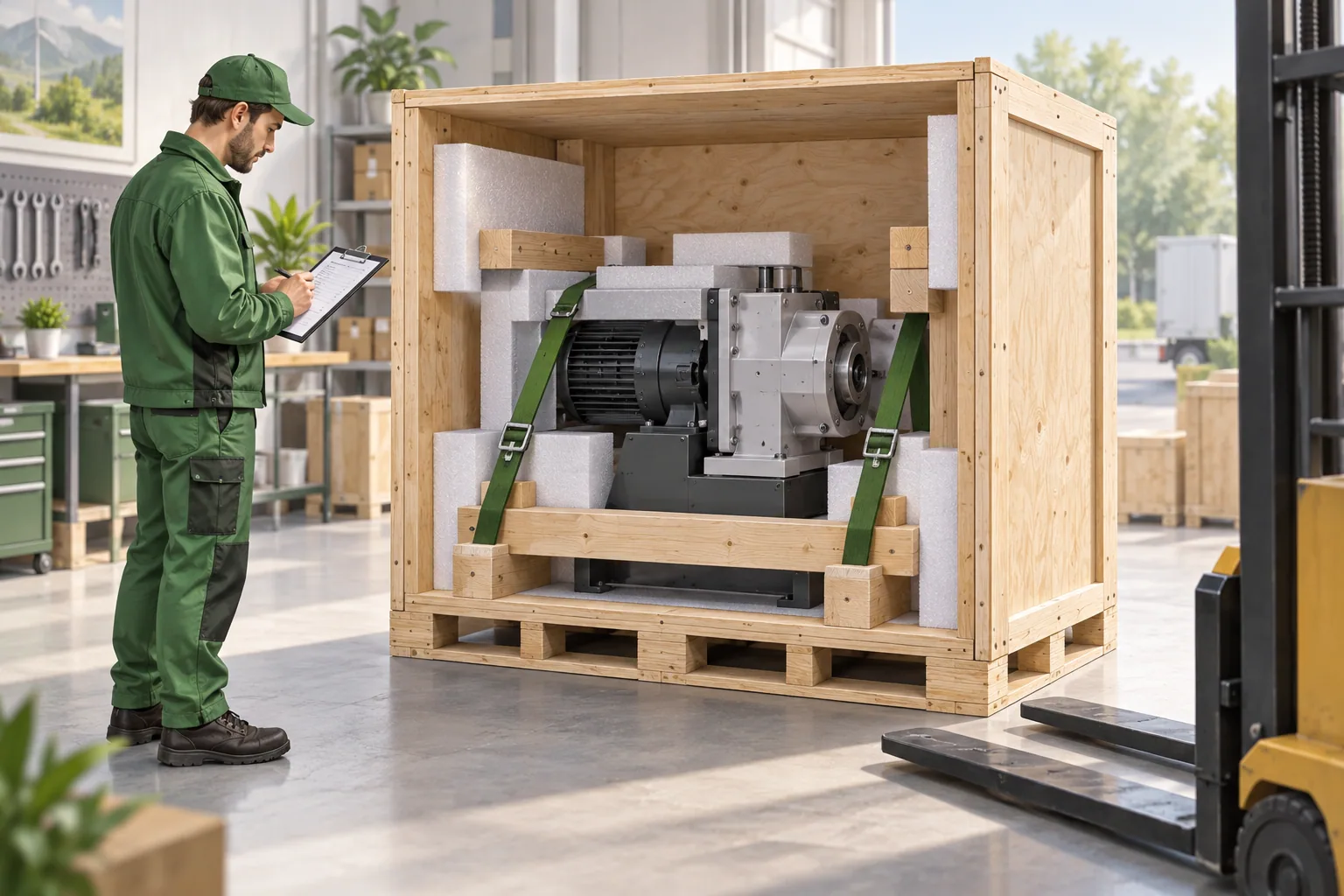

Start by implementing a kanban-based WIP limit to stabilize flow: set your first limit at 60% of the average daily run rate and monitor it weekly to indicate when to pull more work. This approach helps businesses fulfill their orders on time, reduces bottlenecks, and creates a reliable rhythm for shop floor teams.
Apply a practical formula to bound inventories: WIP days = (average inventories in process) / (average daily throughput). Another practical trick is to pair this with software dashboards that automatically indicate where bottlenecks occur. For example, tracking components and their movement between stages lets you find the slowest work centers and adjust the kanban pull signals, so your teams can improve cycle times and keep their lines moving toward orders.
Integrate supplier and internal flows: track WIP across processes and across borders where customs clearance can delay material arrival. This helps you maintain a ready backlog so the first lot of components meets orders on schedule, reducing rushes and late penalties. Practice cross-functional management reviews to align on what to pull next and how to improve throughput.
Adopt a phased rollout: begin with one product family, capture data, and extend to others. In businesses of any size, have a staged approach that yields clearer ROI: you can fulfill first orders with a predictable cadence, then expand WIP limits as you improve metrics. Use dashboards to indicate progress and link WIP to management targets, so operators and managers stay aligned.
To keep momentum, prepare a playbook: kanban board setup, first limit per product line, daily standups, and a one-page formula for computing WIP. This concise framework helps you find improvement opportunities, improve inventory control, and steadily reduce WIP without sacrificing quality.
Definition and Core Components of WIP Inventory
Define WIP as the total value of partially completed units that sits between the last finished operation and the next scheduled step, and monitor it in real-time to drive decisions. WIP includes materials, labor, and overhead incurred to move the piece forward, ensuring you capture every invested cost.
For manufacturers, this means the piece in progress, whether it’s a batch of t-shirts or a subassembly, counts toward WIP and carries a specific stage location and progress percentage.
Adopt innovative approaches, such as pull-based signaling and digital twins, to improve WIP visibility and responsiveness.
Core Components
Materials in progress includes all raw materials and components currently on the shop floor, not yet finished or shipped.
Labor and overhead allocated to in-process items covers direct labor, machine time, setup, and overhead incurred to move items to the next operation.
Stage-level inventory levels show counts by operation (e.g., cutting, assembly, finishing), highlighting bottlenecks and capacity gaps, and helping you manage variability between stages.
Real-time monitoring uses sensors, MES, or ERP integrations to display current status, progress, and location so teams intervene quickly and keep value flowing.
Data and governance ensures accuracy, reconciliation of variances, and alignment with plan, reducing variability and increasing visibility across inventories and supply chains.
Component traceability tracks each component and subassembly, so you can answer where a given piece originated and where it is in the workflow; this supports recalls and quality control.
Managing WIP Levels
Set target WIP levels as a balance between throughput and responsiveness. A practical rule for small-to-mid manufacturers is to keep WIP value at 10-20% of the value of the current production run. Track by level, not just total, and monitor variability across stages to identify where to intervene.
Use a real-time monitor to trigger alerts if WIP at a stage exceeds set thresholds, or if dwell time rises above target. In June planning, review WIP by product family and by line to adjust buffers for seasonal or demand shifts and pandemic-related disruptions.
Examples across industries: apparel manufacturers producing t-shirts often see WIP stalling in dyeing or embroidery; by mapping routes and using pull signals, you can reduce inventories while protecting service levels.
Focus on where value is created: connect WIP buffers to the next operation's cycle time to minimize handoffs and avoid excess inventories between steps. Then adjust buffers based on observed lead times to maintain service levels without overstocking.
WIP vs Finished Goods and Raw Materials: Practical Distinctions
Starting with clear classification, separate inventory into raw materials, WIP, and finished goods in your ERP and assign a process owner at each stage. This approach keeps visibility high and guides prioritization across production lines. They will know who owns each item, and managers can track progress against planned milestones in real time. Here, teams coordinate handoffs and escalate issues before they stall the line.
WIP captures the starting costs for materials and labor tied to products at various progress points, while finished goods represent completed items ready for retailer or customers, and raw materials sit in storage awaiting consumption. This distinction drives when to capitalize costs and when to move items to inventory on the balance sheet. Keeping these categories separate prevents muddled accounting and supports clean reporting to executives and auditors.
In WIP, defects found trigger rework or scrapping; implement stage gates that require passing quality checks before items advance. Processes must document rework time and additional materials, so you can measure true cost per unit. Support teams should have clear queues to minimize idle time and avoid cascading delays across lines.
Keep track of WIP levels, completed units, and raw materials to manage risk of shortage. Shortages disrupt schedules, increase idle capacity, and push dates out of reach. Visibility into where bottlenecks occur helps managers reallocate capacity and keep components moving, reducing risk across the line. Therefore, proactive monitoring prevents accumulation that inflates inventory carrying costs.
Forecast needs and align with supplier lead times to avoid shortages; for brand and industry demands, maintain a steady flow of materials so production can meet commitments. This approach reduces costs by minimizing rush orders and getting on-time deliveries, while preserving service levels with retailers and customers. A clear linkage between starting demand signals and purchase orders makes the chain tight and predictable.
In accounting, track WIP at stage-specific costs; once completed and sold, convert to finished goods cost and recognize COGS. Monitor the amount of WIP on the floor to prevent overstated assets and to support accurate profitability analysis. This approach helps the company compare actual costs against targets and informs strategic decisions for the next quarter.
Use visual management, regular audits, and digital tools to improve visibility and prevent buildup; establish starting thresholds and replenishment triggers for materials and components. Regular reviews at the shop floor level ensure defects are caught early and processes stay aligned with the broader manufacturing strategy. Keeping these practices in place supports a resilient brand and a green, lean operation across the industry.
Calculating WIP: Formulas, Units, and Real-World Examples
Begin each period with a clear WIP calculation in both units and cost to improve visibility and drive better decisions. This is a compelling, data-driven view that helps you present them to the leadership and drive action. Track WIP at period end to catch partially completed items and any signs of defects or bottlenecks. Use storage for finished goods and WIP in progress, and rely on software to support data collection from the floor. This approach helps keep labor aligned with demand and prevents build-up that worsens cash flow. Having reliable data from storage logs and software supports understanding the state of WIP in a practical manner; it also helps the team act on them quickly. When the numbers come together, you see the result and avoid surprises. If a metric comes under pressure, adjust the plan today to keep them on track here.
Formulas and Units
Unit-based formula: WIP_end_units = WIP_begin_units + units_started - units_completed. For partially complete items, assign a percent_complete figure to estimate their remaining work and capacity impact.
Cost-based formula: WIP_end_cost = WIP_begin_cost + materials_cost + labor_cost + overhead_cost - cost_of_goods_completed. If you allocate overhead with activity-based costing, you can reflect real consumption by item. If you cannot isolate costs by item, use a proportional approach based on units or percent_complete to keep reports credible for the team. Understanding how much of the cost is tied to items that are still in progress helps you optimize the schedule and improve the governance around them.
Real-World Examples
Case 1: an august batch for a consumer electronics brand. Beginning WIP: 120 items, cost $9,600. Units started: 300. Units completed: 230. Ending WIP: 190 items, partially complete at 60% on average. Costs incurred: materials $6,000; labor $4,400; overhead $1,900. Cost of goods completed: 230 units at a reported cost of $8,200. WIP_end_units = 120 + 300 - 230 = 190. WIP_end_cost = 9,600 + 6,000 + 4,400 + 1,900 - 8,200 = 13,700. Result: storage value grows if completed units don’t keep pace; this drives optimizing throughput and reducing defects. Signs of a worse flow appear when WIP rises while completed units stay flat. Here, having a clear end-of-period WIP helps keep the line in balance and supports another round of improvements.
Case 2: colin leads a cross-functional review on another line using software. The team flags worse performance in the final assembly stage, signs of slowdown, and partially complete items. They adjust labor assignment and re-balance storage between lines to improve flow. After implementing line-side checks, they find the WIP end-cost per unit drops by 8%, and the result is a shorter cycle time and fewer defects. This approach keeps them focused on the underlying causes and reinforces the brand’s commitment to quality. Here, understanding WIP in a manner that links units and costs drives measurable gains.
Tracking WIP in ERP/MES: Data Quality, Barcodes, and Batch Traceability

Recommendation: implement serialized barcodes and batch traceability across ERP/MES with strict data quality gates from the beginning of each process to completed WIP. This tightly links material, cost, and status, driving profitability and customer confidence.
Data quality determines the reliability of your WIP view. Enforce field-level validations, dedupe master data, and require complete records for every transfer. Tie WIP entries to production orders, supplier receipts, and shipments to close gaps that affect accounting and profitability reporting. As mentioned by colin on the shop floor, clean data reduces reconciliation questions and speeds decision making.
- Mandatory fields include material, batch_number, serial_number (where applicable), quantity, unit of measure, location, status, timestamp, operator_id, work_center, and order_id.
- Validation rules prevent blank fields, ensure issued vs. received quantities align, check for duplicate serials, and enforce consistent units of measure across processes.
- Assign data owners for each process, schedule quarterly audits, and maintain an audit trail that supports regional and large-site deployments.
- Link WIP records to accounting cost centers so completed WIP flows into profitability dashboards without manual re-entry.
- Use precise location data to avoid misplacement in busy facilities; RFID or scanning at zone boundaries keeps material movements visible.
Barcodes enable real-time capture and reduce manual entry errors. Choose standards that support serialization and batch encoding, and ensure ERP/MES can interpret the data immediately for downstream reporting.
- Adopt GS1-128 barcodes that encode material_id, batch_number, wip_id, location, and status. Maintain a consistent barcode-to-record mapping in the ERP/MES.
- Equip shop-floor teams with rugged scanners or mobile devices that work offline and synchronize when connectivity returns. This is beneficial for large facilities where transport times can be long.
- Scan at key points: beginning of WIP, between processes, during transfers, and at completion. This closes data gaps and creates an auditable trail for batch traceability.
- Automate exception handling: if a scan fails, trigger a supervisor alert, log the incident, and route for quick resolution to prevent backlog in the accounting cycle.
- Link barcode scans to transportation movements to monitor handoffs between lines, cells, or regional warehouses, reducing disruptions and improving on-time delivery to customers and retailers.
Batch traceability connects every step from raw material receipt to finished WIP, enabling quick recalls, precise root-cause analysis, and accurate cost allocation. Record every component usage against its batch and capture why rework or scrap occurred.
- Capture batch lineage from supplier batch receipts through all manufacturing steps to finished WIP. Maintain a clear chain of custody for each lot to support customer inquiries and regulatory needs.
- Maintain linkages to sub-assemblies and materials, so a regional garland plant can see how changes in one lot impact downstream WIP and finished goods.
- Integrate batch data with quality inspections and yield data to improve production visibility and drive optimization across their processes.
- Enable recall readiness by storing batch history with timestamps, locations, operators, and disposition decisions, which also supports cost tracking in accounting and profitability analyses.
Practical implementation steps you can start today:
- Map WIP data fields across ERP/MES and standardize barcodes to a single schema per material type.
- Pilot in a regional plant or a large site, such as the garland facility, using serialized barcodes and real-time scan workflows for the beginning, intermediate transfers, and completion of WIP.
- Configure dashboards that correlate WIP value with cost centers, enabling quick profitability insights for customer bids and internal optimization efforts.
- Train operators (including daily shop-floor leads like colin) on scanning routines, exception handling, and the importance of data quality for supply and transportation planning.
- Extend traceability to supplier quality and material lot data to support some recalls or customer inquiries with precise batch history and disposition records.
By aligning data quality controls, barcoding, and batch traceability in ERP/MES, you gain reliable WIP visibility that supports efficient supply planning, accurate profitability accounting, and faster response to customer and retailer questions without compromising process speed.
Pronunciation Guide: Saying "Work In Process" and Related Variants
Recommendation: Say three crisp words: Work; In; Process. Work carries the main stress; In is quick; Process is PROS-ess. For the acronym, say WIP as "double-u eye pee." This aligns with guidance from campbell, garland, and Colin notes, and the источник of best practices.
When you mean the variant "Work In Progress," swap Process for Progress and pronounce it PRO-gress. In practice, teams differ by audience; some reports use the Process version in factory dashboards, others use Progress for project tracking, and this divergence can leave invested operators unsure which form to use. In August notes, colin and campbell highlight how mispronunciation correlates with risk and with stock and costs. To reduce that, set one standard across large companies and avoid partially ambiguous uses; this improves the value of data and the predictability of cycle times and patterns in products, despite different contexts.
Common variants and their pronunciation
WIP, Work In Process, and Work In Progress appear in reports. Say "WIP" as "double-u eye pee" and read three words aloud as "WORK in PROS-ess" or "WORK in PRO-gress" depending on variant. Signs of clarity include consistent emphasis on the first syllable of Process or Progress and a short In between. Some engineers point to patterns across products and cycles; when you remain consistent, costs stay lower and defects stay visible in stock data.
Practical tips for teams
Train teams to use a standard form and stick to it. This improves value and reduces risk despite defects and stock fluctuations. If you hear a mispronunciation, repeat the preferred version and give a quick example: "Work In Process = PROS-ess; WIP = double-u eye pee." The источник of these practices appears in campbell, colin, and garland notes and in august field tests that tracked levels and patterns across companies. The result is clearer communication, fewer misunderstandings, and better handling of costs and stock on the shop floor.
Ready for the next step?
Turn your shipment details into a clear request.
Prepare your cargo, access and timing details, then compare the scope of each carrier's offer.
Something has changed? Tell us what needs correcting.