Get The App


Author
James Miller specializes in global logistics and supply chain dynamics. His investigative work explores the intricacies of international trade, infrastructure challenges, and technological advancements shaping modern commerce. He advocates for sustainable practices and transparency in supply chain operations.
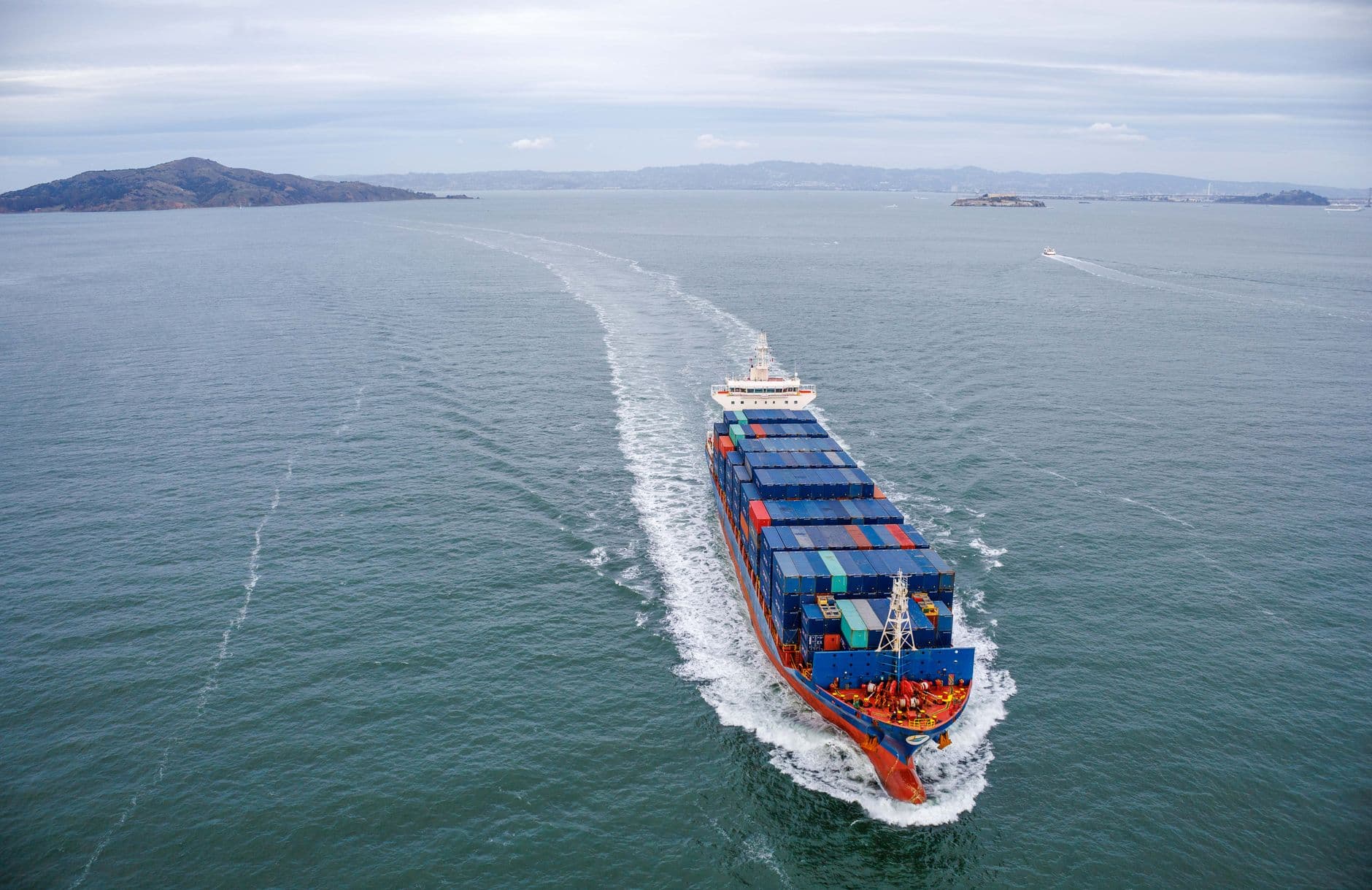
Section 301 Maritime Fees on Chinese Ships: 9 Nov 2026 Deadline
Section 301 fees on Chinese-owned, operated and built vessels stay suspended at 0 dollars until 9 November 2026, when the rate could resume at 80 dollars per net ton. Over 200 trade groups asked USTR on 23 Sep 2026 to extend the pause. This guide covers the fee schedule, China's mirror charge and a shipper checklist.

Section 338 Tariffs on Canada: The 50 Percent Duty USMCA Does Not Stop
A 50 percent additional duty has applied to a defined list of Canadian goods since 00:01 ET on 22 August 2026, imposed under Section 338 of the Tariff Act of 1930 for the first time in 96 years. USMCA origin gives no exemption, there is no exclusion process, and the annexes reach from Chapter 4 to Chapter 97. Scope, stacking rules, carve outs and the mitigation that still works.
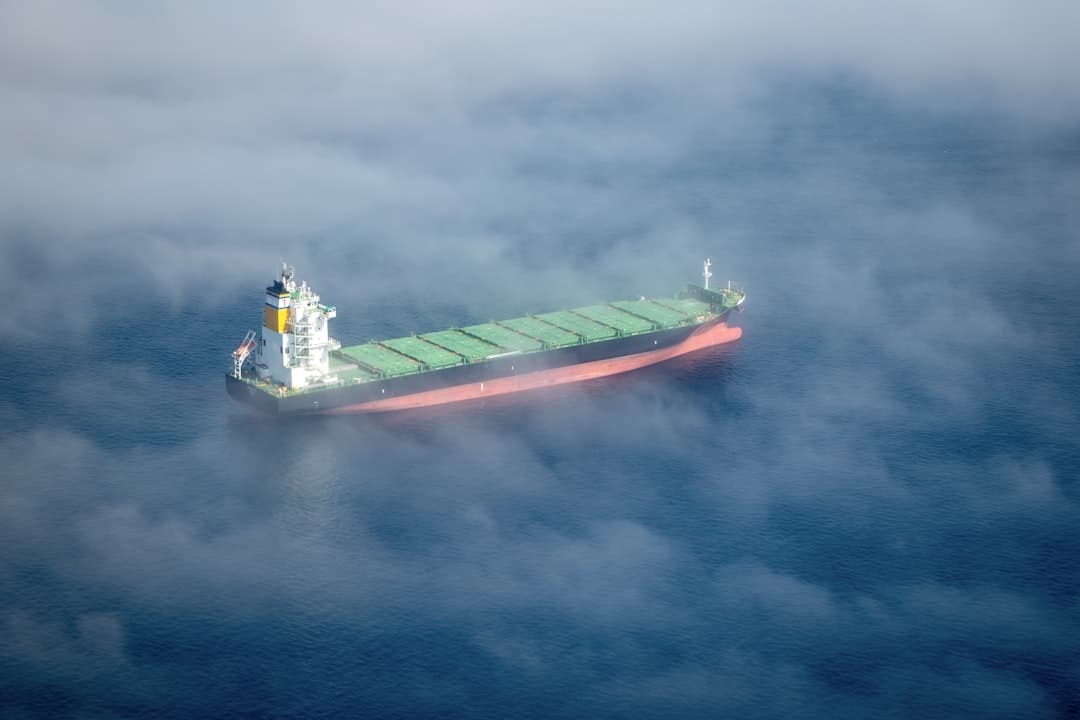
UK ETS for Shipping From 1 July 2026: Scope, Deadlines and the 2028 Double Allowance Surrender
The UK Emissions Trading Scheme has covered domestic shipping since 1 July 2026 for vessels of 5,000 gross tonnage and above. The monitoring plan is due within 42 days of first activity, the verified report by 31 March 2027, and allowances for 2026 plus 2027 surrender together on 30 April 2028. Scope, exemptions, regulators and how it sits beside the EU scheme.
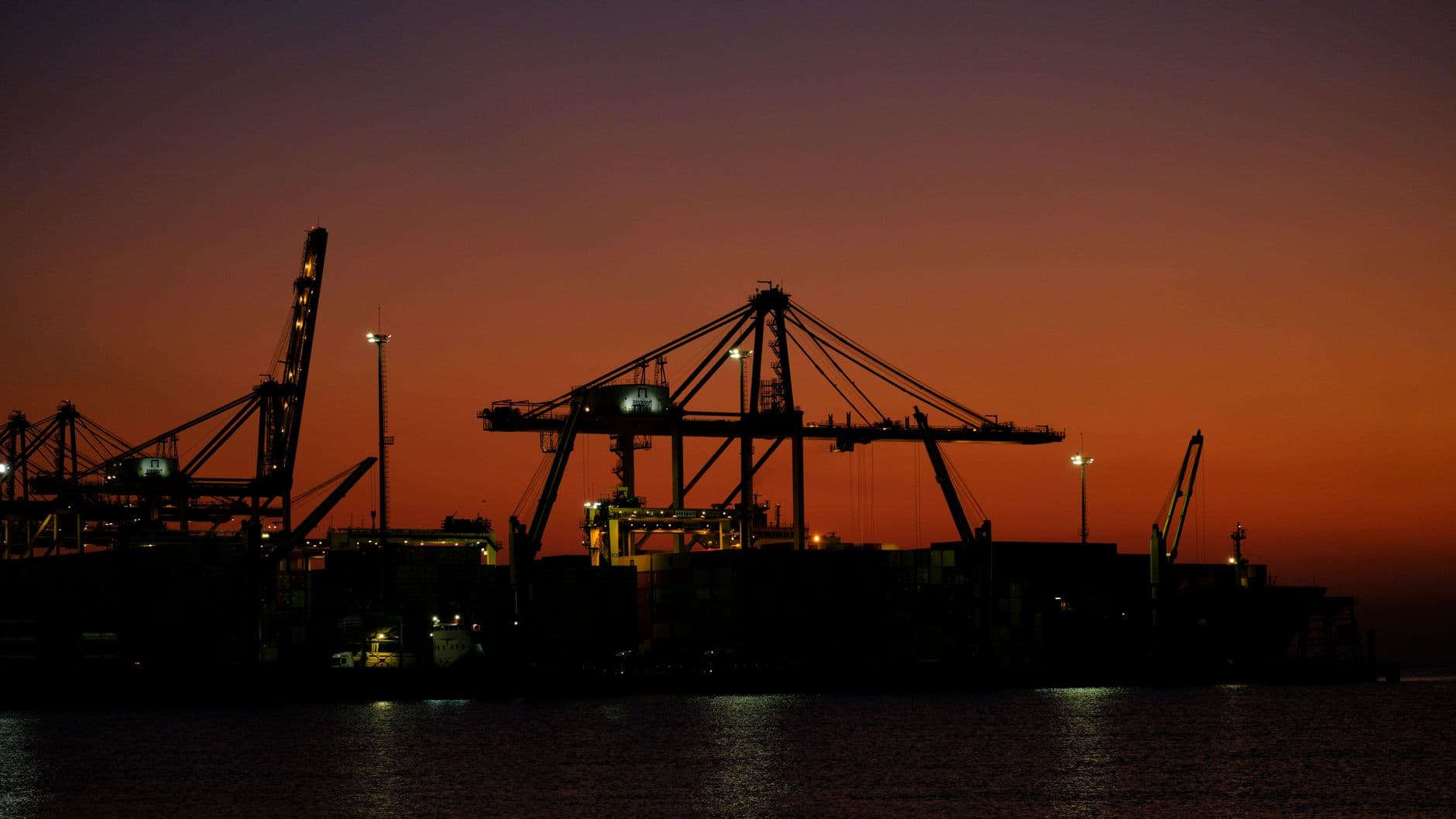
Kenya's Advance Cargo Declaration from 1 September 2026: A Shipper's Guide
From 1 September 2026 an ocean carrier must validate a Kenyan Advance Cargo Declaration reference before loading a container, so a box without one does not sail. This guide covers who files, the four documents the platform wants, the 15 character reference format, processing times and why Uganda, Rwanda, South Sudan and DRC transit cargo is in scope.

EU PPWR From 12 August 2026: What Importers and Forwarders Must Have on File
Regulation (EU) 2025/40 became generally applicable on 12 August 2026 with no grace period. What importers need now (declaration of conformity per packaging type, Article 18(2) verification, PFAS and EPR), what waits until 2028 and 2030, and why the 40 percent void-space claim is wrong.
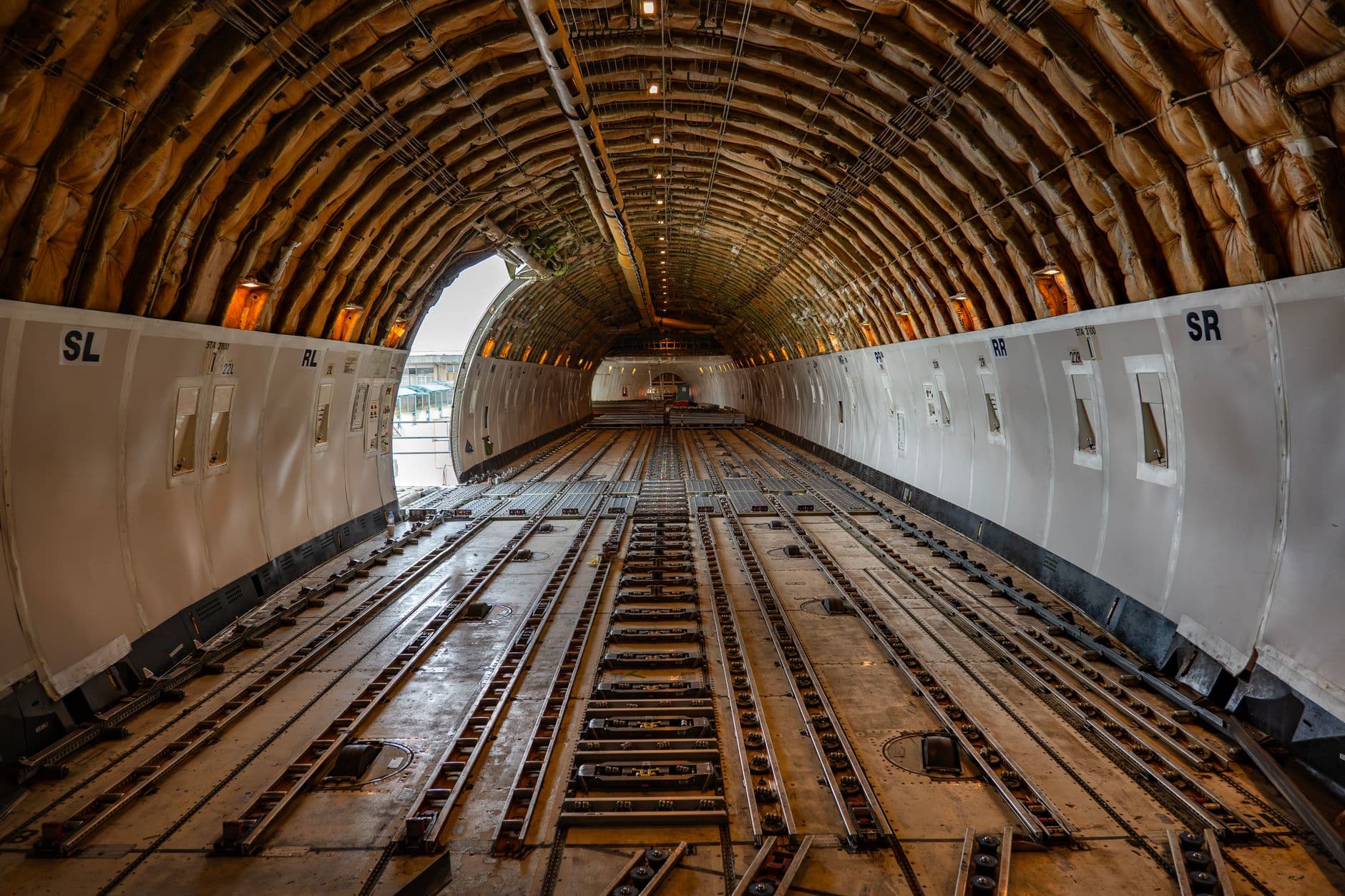
Enhanced ACAS: Enforcement Moved to 1 May 2027, and What Filers Must Send
CBP extended phased enforcement of the enhanced ACAS data elements from 21 November 2026 to 1 May 2027 in CSMS # 69486540 on 10 August 2026. The requirement itself has been in force since 21 November 2025. Here are the four new mandatory fields, the conditional list, and why liquidated damages run at 5,000 dollars per air waybill.

E-Invoicing Mandates for Freight in 2026: Deadlines, Formats and What Breaks
Belgium requires structured B2B e-invoicing from 1 January 2026, Poland's KSeF from 1 February and 1 April 2026, France from 1 September 2026. Here is the mandate calendar and the six ways freight invoices break these systems.
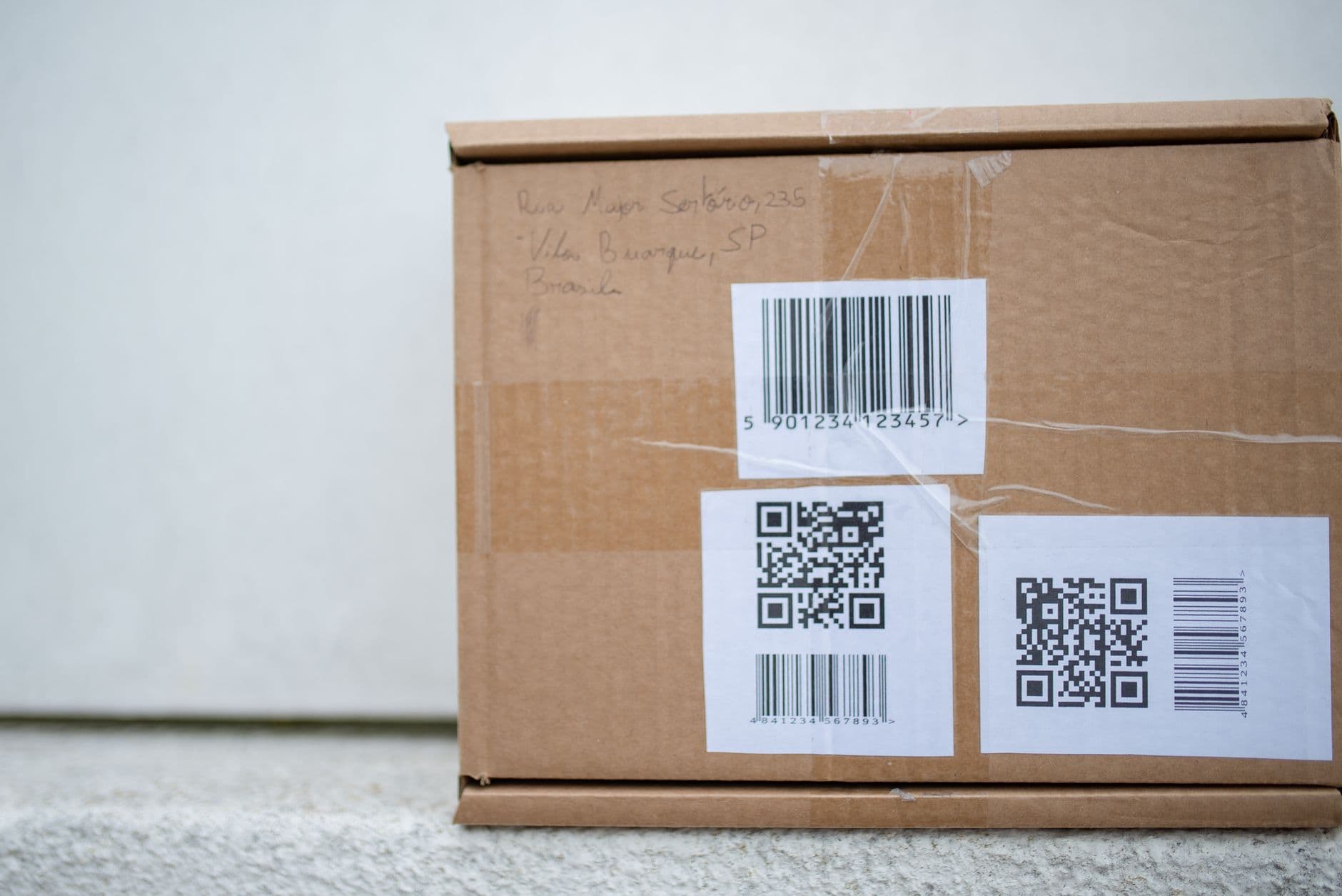
US Mail Imports After 24 July 2026: The New Postal Entry Process and Entry Type 13
The postal channel was the last route into the United States that still worked without a real entry. Since 24 July 2026 mail shipments up to $2,500 move through a new process under 19 CFR Part 145: 10-digit classification, a continuous bond, monthly duty payment, and only an owner, purchaser or licensed broker allowed to file. Here is what it requires, what falls outside it, and why 22 October matters more than the effective date.
EU Low-Value Imports After July 2026: The €3 Parcel Duty and IOSS Playbook
The EU scrapped its €150 duty relief on 1 July 2026 and replaced it with a flat €3, charged per declaration line rather than per unit, with a €2 handling fee due by 1 November. IOSS does not cover the duty. Here is who the customs debtor is, why five identical shirts cost €3 and two different items cost €6, and the fixes to make now.
UFLPA and the New Forced-Labor Tariffs: A 2026 Import Compliance Guide
Forced labor now costs importers twice: detention under UFLPA, and a Section 301 duty of 10% or 12.5% across 60 economies since 24 July 2026. Only about 17.2% of detained shipments were released without compliance action. What the data shows and which evidence releases a container.

UK BTOM in 2026: An Importer's Decision Guide to SPS Border Controls and Charges
What UK SPS import controls are actually enforced in 2026, the Common User Charge math for groupage, and whether to invest given the pending UK-EU SPS deal.
Canada CARM and RPP Financial Security 2026: An Importer's Bond Playbook
Under CARM, importers into Canada must post their own financial security for Release Prior to Payment. How the bond is sized, surety versus cash, portal setup, and preparing for the 20 October 2026 review.