Get The App


Author
James Miller specializes in global logistics and supply chain dynamics. His investigative work explores the intricacies of international trade, infrastructure challenges, and technological advancements shaping modern commerce. He advocates for sustainable practices and transparency in supply chain operations.
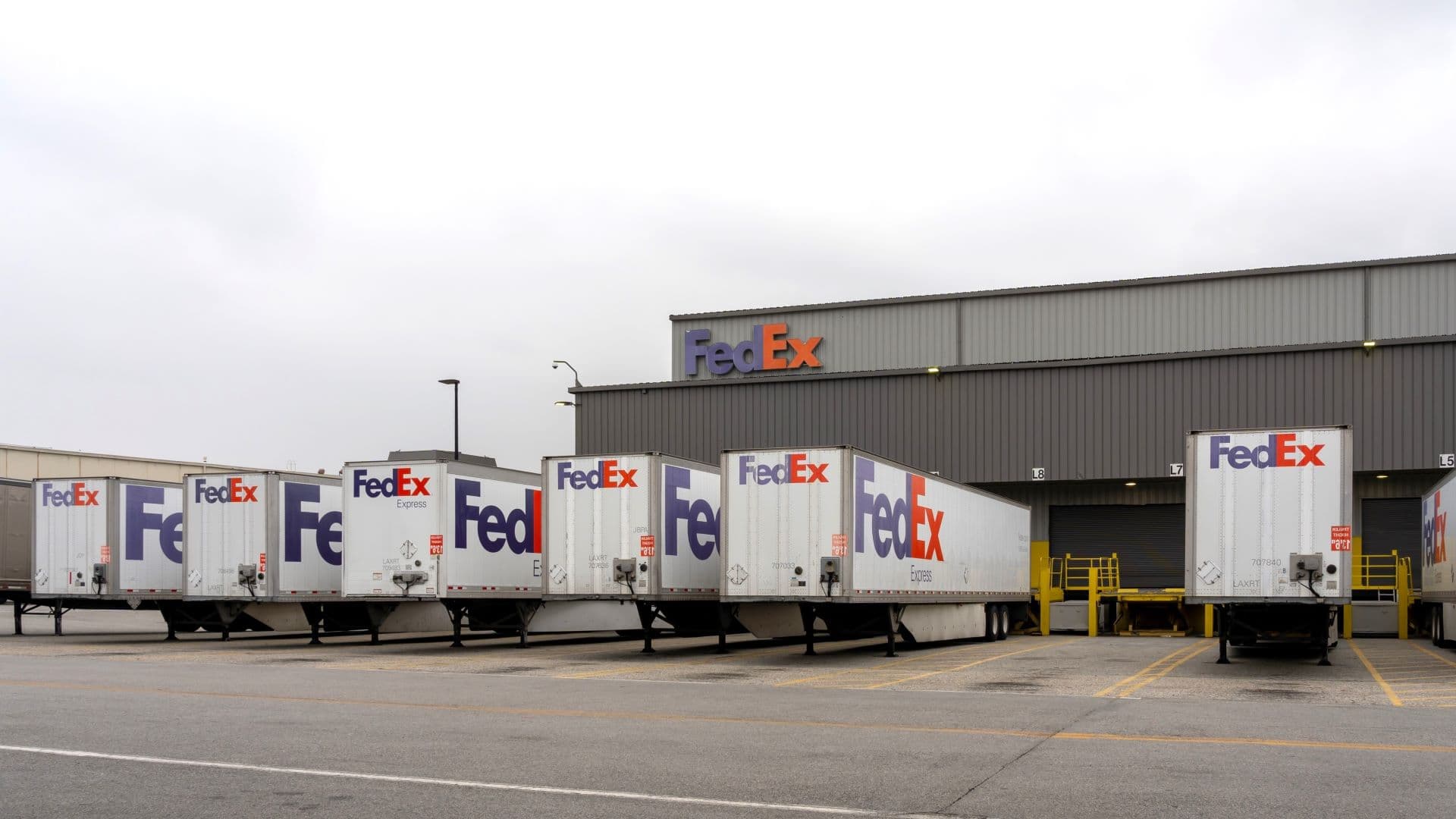
Legal Fallout from Voided IEEPA Tariffs: Refund Claims Against FedEx, UPS, and Eyewear Makers
Last week’s Supreme Court decision that the International Emergency Economic Powers Act (IEEPA) does not authorize the President to levy broad-based tariffs has placed over $130 billion of collected duties and interest into legal uncertainty.

Hansen & Adkins’ Recruiting Shift: Tommy Valenzuela’s 180-Day Touchpoints and Tech-Driven Onboarding
Hansen & Adkins Auto Transport operates more than 40 terminals across the United States and Canada, and a shift to a high-touch, tech-enabled recruiting model — including a formalized 180-day touchpoint program — has begun to change driver retention trajectories and operational capacity for vehicle haulage fleets.
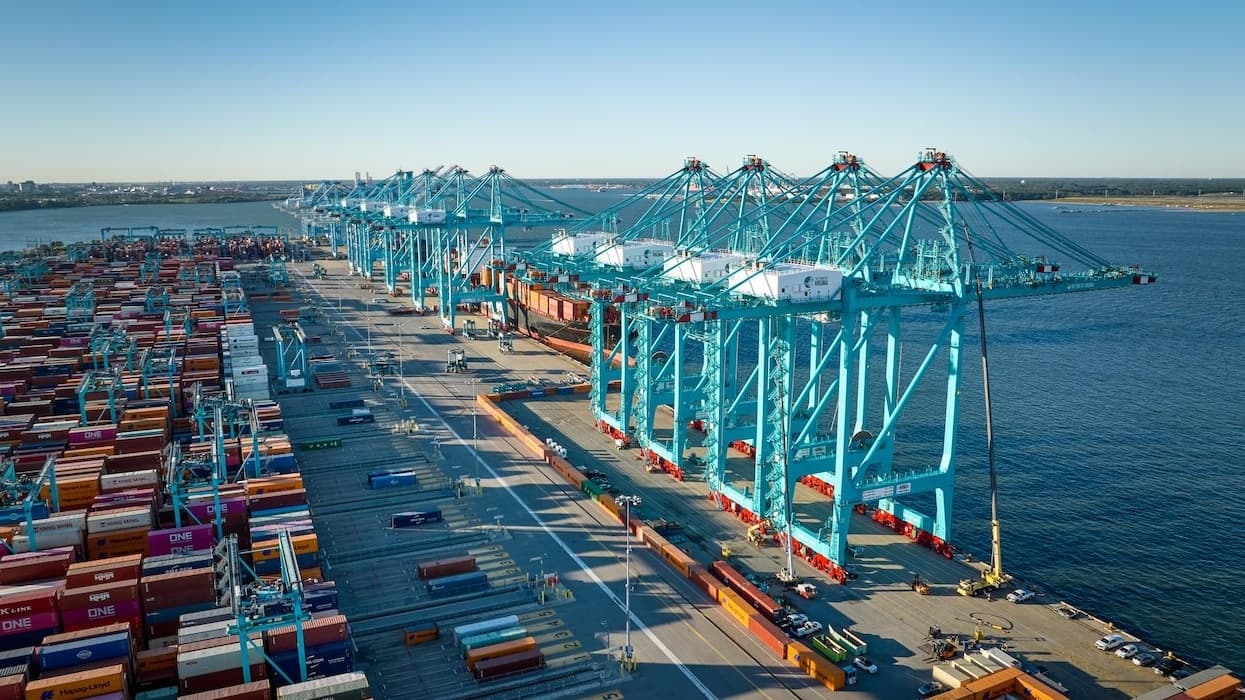
The Eastern District of Virginia judge Jamar K. Walker dismissed without prejudice the International Longshoremen’s Union’s suit alleging that the Virginia Port Authority (VPA) and its operating arm, Virginia International Terminals (VIT), violated terms of the new master contract by installing automated rail‑mounted gantry cranes at Norfolk International Terminal. Key procedural outcome and immediate operational facts The dismissal was procedural: the case was tossed on filing technicalities rather than on the merits, so the ILA may refile. Court records show the union sought a declaratory judgment and a permanent injunction to stop VPA from implementing automation without union
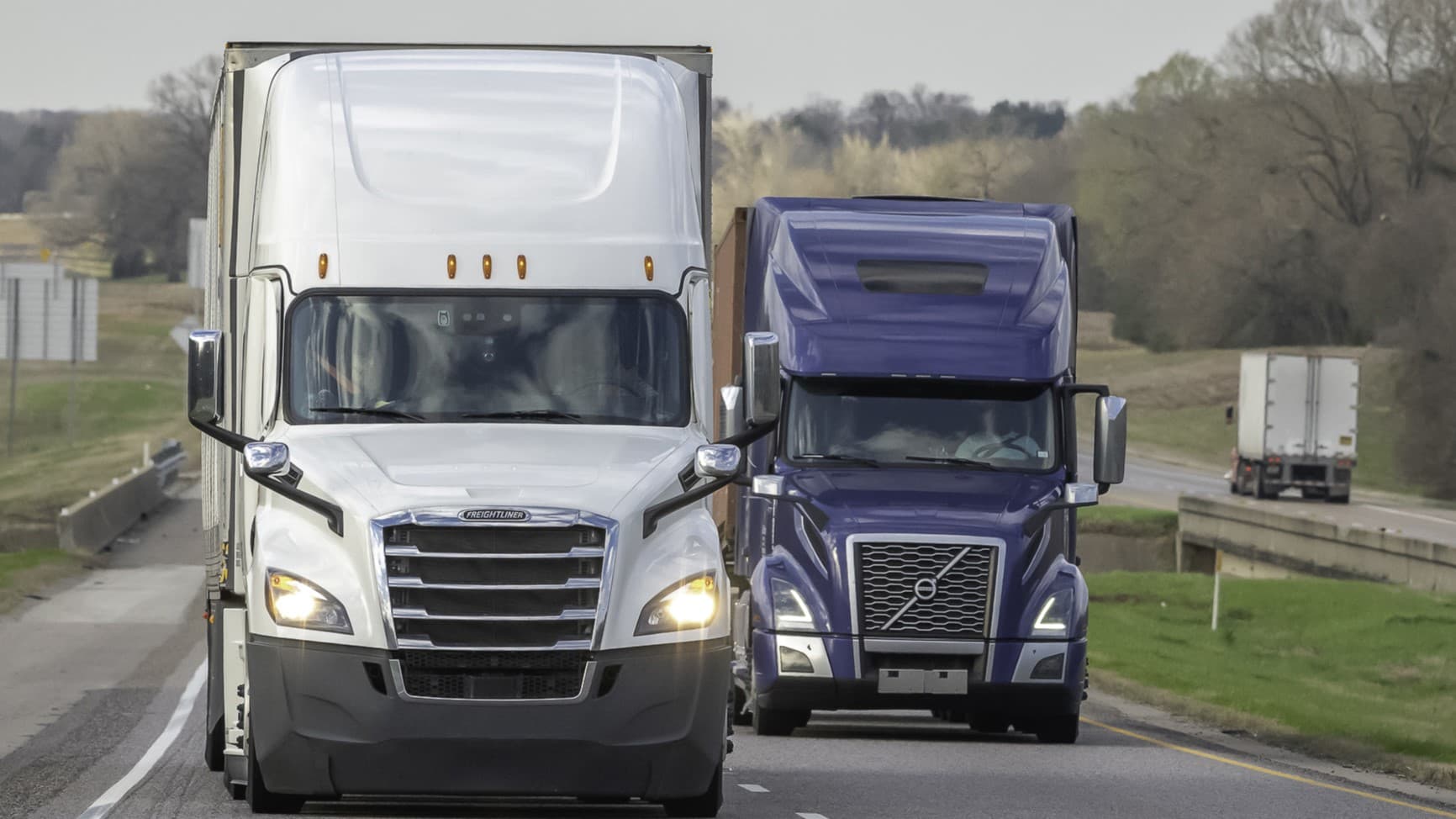
FMCSA 2026: Median $51M awards dwarf the $750,000 motor carrier insurance minimum
The Federal Motor Carrier Safety Administration’s 2026 quadrennial filing shows 456,227 active for‑hire interstate property carriers hauling roughly 12 billion tons of freight, while the median “nuclear” verdict in catastrophic injury and fatality cases has climbed to approximately $51 million.

Class Actions Against FedEx Over Tariff Repayments and Added Brokerage Charges
On Feb. 27, a proposed class action in Miami federal court alleged that FedEx Corp. functioned as a de facto customs broker and charged a $36 duty-plus-brokerage fee on a single pair of imported tennis shoes, a claim that touches direct accounting practices for parcel handlers, last-mile delivery reconciliation, and customs recovery workflows. What the complaint alleges The plaintiff, Matthew Reiser, says he was billed duties and a separate “brokerage fee” by FedEx when importing goods from Germany. The suit asks the court to impose a legally enforceable obligation requiring FedEx to refund those charges to consumers, arguing the carrier is the only party with standing to seek tariff
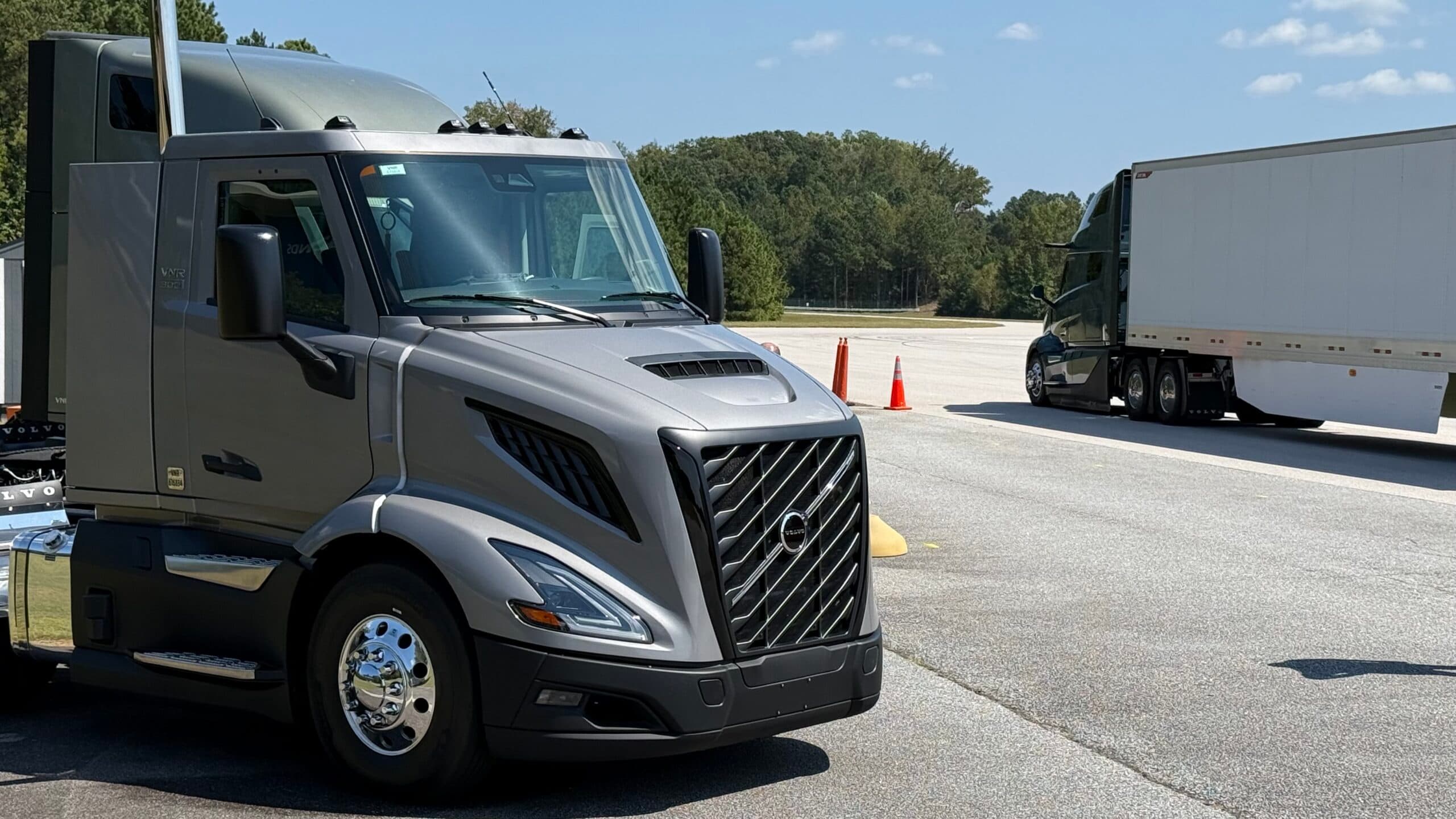
Redesigned Volvo VNR enters serial production at New River Valley; first units head to Clayton Homes
Volvo Trucks North America has started serial production of the redesigned VNR regional-haul tractor at the New River Valley (NRV) plant in Dublin, Virginia, with initial deliveries scheduled for homebuilder Clayton in Maryville, Tennessee.

Maersk Ground Freight to Add Multiple U.S. Terminals in 2026, Building on Fontana Hub
Maersk Ground Freight will open an additional five to seven U.S. facilities in 2026 after the January ribbon-cutting of a 165,000-square-foot terminal in Fontana, California, which features 22 docks and bays and began operations in 2025. Network expansion: the numbers that matter Maersk’s U.S. ground division already operates roughly 65 facilities, and the planned outlets for 2026 are expected to be smaller than the Fontana hub but strategically placed to tighten routing and reduce empty miles. The division’s current fleet comprises more than 1,000 trucks and about 4,500 trailers, providing a backbone for a mix of services from standard and specialized less‑than‑truckload (LTL) to
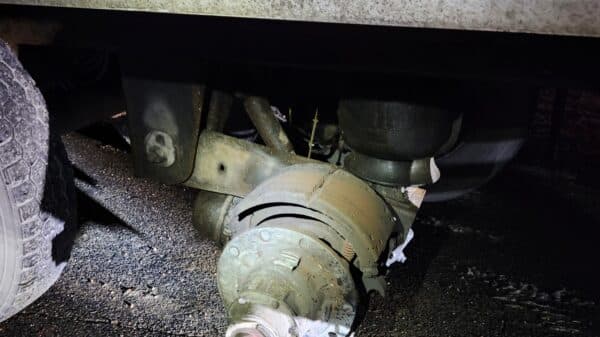
On Feb. 21 at about 11:15 a.m., members of the James Bay Ontario Provincial Police (OPP) responded to a report of a commercial motor vehicle with a smoking tire on Highway 11 in the Town of Hearst , where officers discovered the trailer’s front passenger-side wheel had completely separated from the hub with several lug nuts missing and clear signs of advanced wear. What the OPP found at the scene Officers observed the detached wheel beside the trailer and documented visible damage consistent with a major wheel separation defect. The remaining components showed accelerated wear patterns and missing fasteners — a textbook setup for catastrophic wheel loss. The driver, a 28-year-old man from

Matson posts steady Q4 ocean income as China volumes slide and SSA Terminal JV cushions results
Matson reported operating income for ocean transportation of $136 million in the fourth quarter, down slightly from $137.4 million year‑over‑year, on revenue of $704.2 million versus $742.1 million a year earlier.

Immediate logistics: mobilization timeline and transport modes Halliburton has stated it can mobilize in weeks once U.S. approval and payment protections are secured, which triggers an intense short-term logistics push: dispatch of heavy equipment, specialist tooling, spares, and crews by sea and road, temporary storage at port terminals, and expedited customs clearances where allowed. What “weeks” actually demands on the ground To go from paperwork to rig site operation in a few weeks means a tight choreography across multiple transport nodes. Expect: Vessel bookings for project cargo and heavy-lift shipments to Venezuelan ports capable of handling oilfield modules; Road haulage contracts

December decline in US crude production and the downstream effects on transport and freight
U.S. crude production declined to about 13.7 million barrels per day in December, a six-month low that removed roughly 182,000 barrels per day from preliminary weekly estimates. That drop came as OPEC+ continued to restore previously withheld barrels, contributing to a softer global price environment even while U.S. supply dipped. Immediate operational impacts for carriers and shippers Trucking fleets, rail operators, and port terminals felt the short-term reverberations through fuel procurement planning and diesel inventory management. Fuel-buying managers who hedge on monthly contracts had to reconcile lower crude flows with unchanged or volatile refining runs, making spot diesel prices

How Agentic AI Is Rewiring Driver Recruitment at Tyson Foods and Beyond
Tyson Foods now funnels initial driver outreach through agentic AI that pre-screens applicants and schedules roughly three to four qualified calls per recruiter each morning for a six-person team supporting about 2,800 trucks.
