Descargar la aplicación


Autor
Alexandra Blake escribe sobre cumplimiento aduanero y documentación comercial para empresas que mueven mercancías a través de fronteras. Sus guías cubren normativas de importación y programas de exención de aranceles, requisitos de seguridad de productos y embalaje, clasificación de carga y declaraciones de peso, desglosados en los pasos que un equipo de logística debe seguir.

Exhibitor News - Latest Updates from Industry Trade Shows
Attend the global expo on opening day to see how exhibitors establish operational networks across multi-modal stations and translate those patterns into your booth plan. The event brings together a founder -led lineup and workersin teams, plus sharpist data dashboards that track engagement, dwell time, and lead quality. Expect stations for product demos, supply-chain talks, and live Q&A, with remaining booth space clearly mapped to sizes and visitor flows. Recommendation : design your booth with three core zones and four quick-engagement formats. From last quarter's shows, booths with three live demo stations and a quiet briefing corner captured 42% more qualified leads than static

Dynamic Inbound Routing in the Retail Supply Chain
Recommendation: Implement dynamic inbound routing now to cut travel distance and boost productivity across stores and DCs. Use real-time visibility with fleetsight dashboards to align carrier arrivals with dock windows, reducing idle time and elevating service levels. This approach helps you save time and costs from day one. Capture lessons from unforeseeable disruptions and build methods that support automating routing decisions. Choose routes that minimize emissions and support eco-friendly operations, unlocking solutions that scale across many facilities and fleets. The system delivers an advantage by balancing inbound loads, distance to each facility, and dock-door capacity. It supports
How to Optimize Warehouse Efficiency and Streamline Operations
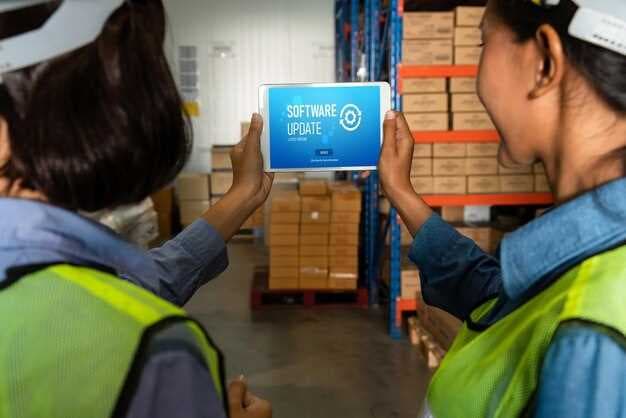
Implement rfid tagging at receiving, putaway, and replenishment points to cut mis-picks and shorten cycle times. dmaic provides a practical framework: define the problem, measure current outcomes, analyze bottlenecks, improve the process, and maintain gains. This approach keeps costs in check while you build a repeatable strategy for operations. Start with a baseline analysis of space usage and picker paths. Track space utilization, pick paths, dock-to-stock times, and costs across operations to identify the lowest-hanging improvements. Use a simple model to estimate ROI: if rfid reduces travel by 20-30% and puts away time by 15-25%, the payback in months stays under 9 months at a 5%

What to Do When Your Software Vendor Goes Away - A Practical Recovery Plan
Start here: inventory your software estate and secure access now. That spell outlines the immediate steps you must take to survive a vendor exit. Identify business-critical applications and map their dependencies across departments, licenses, and data stores. That includes contacting procurement to confirm contract terms, renewal dates, and data-export rights. This step is crucial for reducing risk and helps you respond quickly with minimal disruption. With your groundwork, you can prevent data loss and keep essential workflows running. Then define a concrete recovery plan that minimizes down time and preserves data integrity. Set 48-hour milestones for restoring core services, and document
Antifragility in Supply Chains - Beyond the Buzzword to Real Resilience
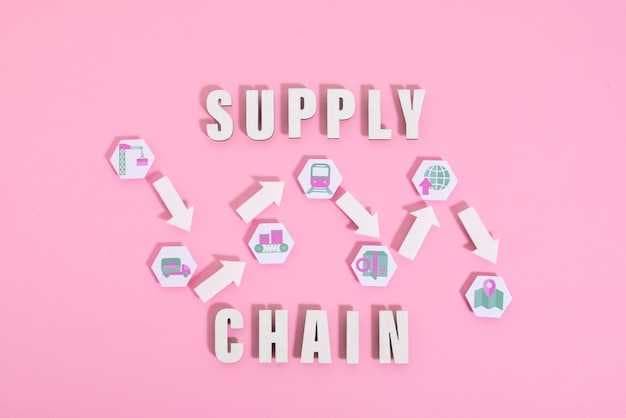
Start by mapping exposure across your supplier network and establishing a lightweight data platform for transparency within two weeks. This moves scattered alerts into a clear, action-oriented dashboard that speeds decision-making when shocks unfold and reduces recovery time for your operations. Take this step seriously and assign a single owner to keep the data fresh and the priorities visible. Use a scenario-based drill to stress-test response. For example, a port shutdown in hamburg could pause inbound shipments for 72 hours. In that scenario , reroute via inland location, mobilize alternative carriers, and inform customers through a single platform of updates. After the drill, compare

Why Retailers Are Losing Market Share to Amazon and Walmart—and How to Fight Back
In america, retailers lose ground to Amazon and Walmart because shelves go down and promos underperform. A 90-day automation-led replenishment program lifts service levels, reduces out-of-stock incidents, and accelerating your speed to restock for them. Implement a centralized data hub that combines POS data, online orders, and supplier lead times across locations . This enables you to adjust promos and pricing, optimize margins , and align stock so both channels stay competitive. This strengthens your company position. Numbers matter: average out-of-stock rates reach 8–12% during peak weeks, costing retailers up to 4% of annual revenue. An automation -driven flow accelerating order-fill

Why Chemical Compliance Matters - Insights from SAP's Martin Hill
Start now by implementing a centralized chemical information hub to catch risks early, map kinds of substances, and align with protocols used across your product lines. This approach puts information at the center of every decision and protects leadership credibility. What Martin Hill emphasizes is that compliance cannot be delegated to a single team; it requires cross-functional mind and governance. Align regulatory data with ECHA requirements, keep information up to date, and ensure containment strategies are documented and tested. The approach already reduces rework and bad recalls across operations. For every product, create a bill of substances that lists each agent and potential

Toyota Recall - Cinco Lecciones Críticas para la Seguridad y la Gestión de Crisis
Cinco lecciones del retiro de Toyota: fortalecer la cultura de seguridad, detección más rápida de problemas, comunicación transparente, controles resilientes de riesgo de proveedores y liderazgo decisivo en crisis.

6 Benefits of Distribution Network Analysis
Start by mapping all nodes in your distribution networks, then begin visualizing the flow of orders from origin to customer. This immediate step reveals critical bottlenecks and risks lurking in each link of the chain. Since data from your ERP, WMS, and transportation systems is the источник of truth, consolidate it into a single view and translate it into concrete, actionable actions. Track every order in the system to tighten coordination. Second, align capacity and inventory plans to real constraints, enabling you to mitigate stockouts and reduce safety stock by 10–25% while preserving service levels. By modeling seasonality, lead times, and carrier capacity in a single model, you create
DHL Express Deploys AI-Powered Sorting Robot to Boost Efficiency and Accuracy
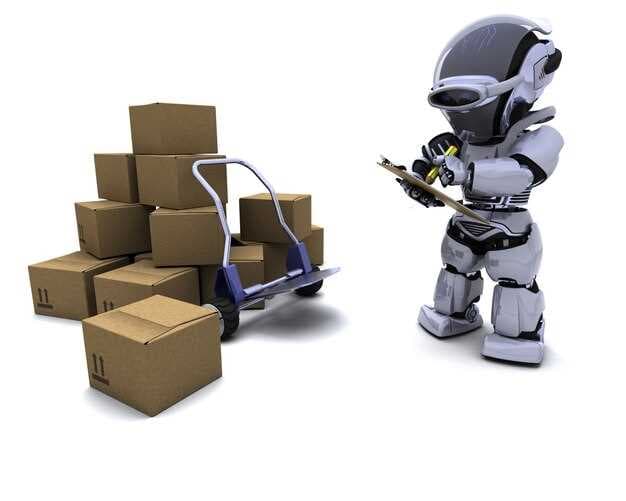
Install one AI-powered sorting robot in the saltillo-ramos hub now and scale to two more facilities within six months. Track daily throughput, impact on time-to-dispatch, and accuracy, aiming to cut handling time by 20% in peak hours. This offering delivers a new goût for speed and reliability across the network. The technology behind the unit is positioned to plug into existing conveyors and dispatch queues. It reads the destination and package face, scans barcodes, and sorts to the correct point with minimal handling . In real-world operations it performs under high glare, dust, and mislabeled goods, maintaining steady throughput. In the saltillo-ramos hub, the unit handles up to 7,000

Blue Yonder Named Leader for the 14th Consecutive Time in the 2025 Gartner Magic Quadrant for WMS
Recommendation: Adopt Blue Yonder WMS now to streamline operations, because its decentralized network aligns resources with demand and delivers proven experiences across industries. Blue Yonder's placement signals a unique blend of architecture and execution that is effective across a broad network of customers, warehouses, and partners, empowering teams to complete tasks with fewer handoffs and less latency, delivering better outcomes. Its approach is developed through real-world experiences and robust publications , translating into actionable improvements for products and operations that scale from the floor to the cloud. Under rishabh's leadership, the team built a decentralized design
Benchmarking Warehouse Performance - Why It Matters
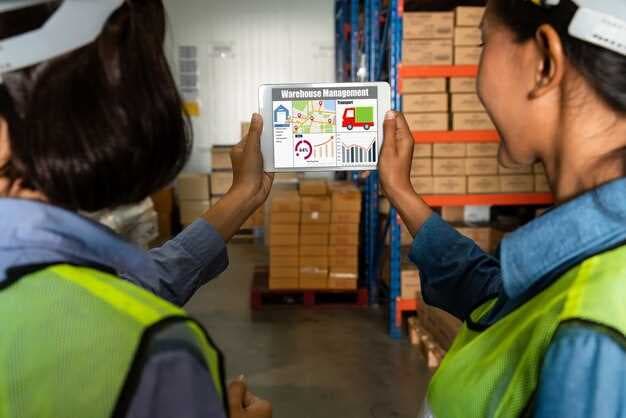
Begin benchmarking now to turn data into decisions that elevate throughput across warehouses . Set a clear view of performance by defining metrics for speed, accuracy, and capacity, and establish a concise reporting cadence that keeps teams aligned. Adopt a consistent framework that unites data from WMS, ERP, and labor systems to improve integration . Track cycle time, pick rate, dock-to-stock, and inventory velocity, then compare results against best benchmarks to drive improvement. For networks in intermountains regions, account for remote sites and varying inbound schedules, a setup that makes benchmarking across sites practical. On the ecommerce side, prioritize scanning throughput,
