


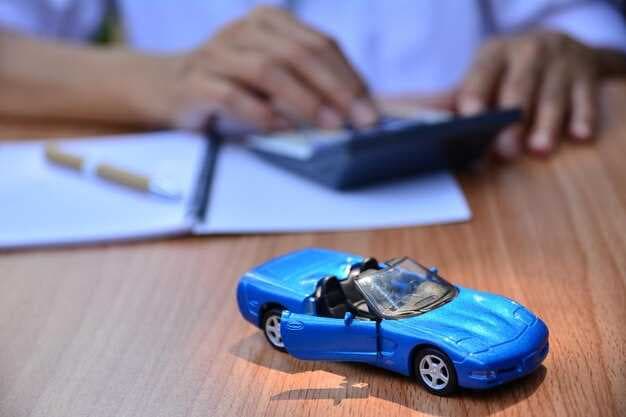

Actúe ahora: publique un plan con plazos definidos para solucionar defectos y proteger a los conductores. Identifique todos los modelos afectados y el estado actual de producción, detenga el ensamblaje en etapas avanzadas si es necesario y comunique medidas concretas para una conducción segura con una lista clara de defectos y acciones rápidas de campo que los concesionarios pueden ejecutar en paralelo con la difusión a los clientes para prevenir incidentes repentinos.
Lección 1: Comunicación de seguridad transparente y rápida Las marcas de *automoción* deben divulgar los hallazgos de defectos, los niveles de riesgo actuales y los pasos correctivos en un plazo de 24 horas a clientes, concesionarios y reguladores. Utilice un aviso de seguridad conciso, un panel de estado en línea y canales directos a los propietarios para reducir la confusión y acelerar la toma de decisiones. Este enfoque también podría reducir la desinformación y el tiempo de reparación.
Lección 2: Contener el riesgo con acciones decisivas Pausar la producción en las líneas afectadas e implementar acciones de campo que no dependan únicamente de la acción del cliente. Si un defecto afecta a componentes como un compresor o el control del acelerador, reemplace o actualice las piezas durante la próxima ventana de servicio y ofrezca vehículos de cortesía cuando sea factible. Establezca un objetivo para completar las inspecciones en un plazo de 30 días y notifique a los clientes sobre el progreso semanalmente, luego mantenga el impulso.
Lección 3: Filosofía de seguridad y gobernanza Incorpore la seguridad en cada decisión, establezca una revisión interfuncional y exija transparencia a los proveedores para evitar puntos ciegos que se hayan pasado por alto en la imagen de riesgo actual. Un manual de gestión de crisis debe escalar con la mezcla de mercados y la variedad de modelos, con una clara responsabilidad a nivel de junta directiva y ejecutivo.
Lección 4: Enfoque centrado en el cliente y responsabilidad del mercado Mantenga a los propietarios informados con pasos sencillos: horarios de reserva, comprobaciones de seguridad y seguimiento posterior a la retirada. Utilice materiales multilingües, líneas directas robustas y actualizaciones en tiempo real, demostrando lo que está haciendo, no solo diciéndolo, para proteger la confianza en la conducción y la confianza del mercado a lo largo del proceso.
Lección 5: Aprendizaje rápido y mejora continua Analice las tendencias de defectos en tiempo real, ajuste la *filosofía* y las prácticas de fábrica, e invierta en sistemas de datos que monitoreen datos de conducción, patrones de aceleración y las propias señales de defectos. Alinee el crecimiento interno con la seguridad del cliente y busque auditorías de terceros para mantener el proceso actualizado y casi libre de defectos con el tiempo.
Guía práctica para actualizaciones de retiradas, reparaciones y acciones de las partes interesadas
Comience con un centro de actualizaciones de retiradas centralizado administrado por el jefe de seguridad para mapear cada *modelo* a un plan de reparación, cronograma y paquete de comunicaciones para concesionarios, clientes y reguladores. Esta configuración minimiza la confusión y acelera la acción entre equipos.
-
Cadencia y canales
Establezca un ciclo de actualización semanal y publíquelo en los portales de concesionarios y clientes; incluya un enlace para hacer clic para obtener detalles. Registre cada actualización en un único sistema y asigne un propietario designado para cada elemento para evitar mensajes duplicados, mientras que las últimas notas refuerzan la seguridad y la confianza en la conducción.
-
Estrategia de modelos y piezas
Mantenga una lista en vivo por *modelo* y año, que muestre las retiradas abiertas, las piezas en mano y las ventanas de reparación esperadas. Para los modelos *híbridos*, realice un seguimiento de un programa de *compresor* rediseñado y pronostique la disponibilidad de piezas en las próximas semanas. Utilice un panel de *análisis* para predecir los plazos de finalización y señalar los elementos que podrían afectar el impulso de *ventas* al cliente.
-
Operaciones de reparación e intercambio
Los concesionarios programan las reparaciones a través del sistema oficial, verifican el stock de piezas y ofrecen una opción de intercambio cuando una reparación no se puede completar en una sola visita. Después del reemplazo, registre los datos del número de serie o lote y notifique a los clientes con un cronograma claro de los próximos pasos. Si se identifica un riesgo de *accidente*, escale a la sede central y a los reguladores de inmediato para proteger a los clientes.
-
Comunicación y acciones de las partes interesadas
Envíe avisos a los clientes por correo electrónico y SMS cuando se establezca una ventana de reparación; proporcione una ruta de auto-servicio para actualizaciones en el portal y un contacto directo para casos de alto riesgo. Los reguladores reciben un resumen conciso semanal de las retiradas, acciones y cualquier actualización de seguridad. El *fundador* y el liderazgo *general* revisan el progreso en llamadas regulares para alinear políticas, capacitación y soporte a los concesionarios.
-
Gestión de casos y disciplina de datos
Mantenga un registro unificado de *casos* para cada elemento de retirada, incluido el modelo, año y acción realizada. Utilice el registro para identificar los riesgos más críticos, informar la mejora continua y demostrar el progreso a lo largo de *años* de experiencia. Comparta un breve control de estado con los equipos regionales para abordar los impactos climáticos y la planificación de *octubre* cuando sea relevante.
-
Consejos prácticos para concesionarios y clientes
- Los concesionarios confirman las citas de reparación, verifican el stock de piezas y comunican una opción de intercambio clara dentro de los dos días hábiles.
- Los clientes supervisan el portal, utilizan la ruta de clic para ver el estado e informan nuevos síntomas de inmediato si aparecen durante la conducción.
- El sistema *produce* actualizaciones constantes sin sobrecarga; mantenga los mensajes concisos y orientados a la acción para reducir la confusión.
- En caso de un caso de alta prioridad, escale al jefe regional y mantenga actualizado el registro de intercambio para una transferencia más fluida.
Cinco lecciones críticas para la seguridad y la gestión de crisis
Recomendación: Establezca un *blitz* de seguridad interfuncional de 72 horas para mapear las causas raíz y publicar un plan público con hitos, coordinado con la administración, la NHTSA y los grupos de consumidores, y comprometerse con actualizaciones continuas en las noticias hasta que la retirada se estabilice.
Lección 1: Actuar con rapidez y comunicar abiertamente Una sesión informativa rápida y fáctica dentro de las 48 horas genera confianza con clientes y reguladores. Utilice paneles de datos de alta calidad para mostrar el alcance en todos los productos y si una caída en el rendimiento de seguridad está vinculada a una cadena de suministro específica o a un mes de producción. Estas acciones reducen la especulación y mantienen el tráfico y los medios centrados en las soluciones en lugar de la culpa, como siempre.
Lección 2: Reforzar la supervisión de proveedores y los controles de subcontratación Cree una política de tolerancia cero para componentes subcontratados con especificaciones y auditorías claras. En las plantas del área de Detroit, reestructure las pruebas de piezas entrantes para detectar anomalías antes de que entren en el ensamblaje. Realice un seguimiento del rendimiento de los proveedores mensualmente y exija acciones correctivas dentro de los 30 días; informe el progreso a la NHTSA y a los consumidores a través del sitio de la empresa y Paul coordinará. Esto reducirá el riesgo de calidad y evitará otra retirada prolongada; realizar las comprobaciones correctamente, esto no se basa en suposiciones, y estos meses muestran una mejora constante.
Lección 3: Invertir en ingeniería de calidad continua Implemente pruebas aleatorias, trazabilidad de ciclo completo y comprobaciones al final de la línea para garantizar que los productos cumplan con los estándares de seguridad antes del envío. Establezca un ciclo de 12 semanas para revisar incidentes, actualizar el aviso público y evitar que un problema similar se extienda a otras plataformas de automóviles como Subaru. Documente los paneles de enero para informar futuras actualizaciones de seguridad.
Lección 4: Involucrar a los reguladores y empoderar a los clientes Mantenga un diálogo proactivo con la NHTSA y las agencias extranjeras, y publique avisos de seguridad claros. Utilice las líneas directas para consumidores para recopilar comentarios y demostrar cómo la administración utiliza los aportes para ajustar las retiradas. Publique resúmenes semanales detallando las acciones tomadas y los resultados; este ciclo de noticias ayuda a mantener la confianza sin sensacionalismo, y mantiene a los clientes informados sin demora.
Lección 5: Institucionalizar el aprendizaje para futuras crisis Cree un bucle de mejora continua que documente las causas raíz, las soluciones y los resultados de la verificación, y luego comparta esas ideas entre los equipos. Utilice un equipo interfuncional para simular escenarios de crisis mensualmente, reduciendo el riesgo de eventos repetidos; realice un seguimiento de métricas como el tiempo de notificación, el tiempo de retirada y el sentimiento del cliente para mostrar el progreso en estos meses posteriores al evento.
Cómo seguir las publicaciones recientes y las alertas oficiales
Suscríbase a los canales oficiales de Toyota y a los sistemas de alertas gubernamentales ahora para recibir publicaciones en tiempo real sobre retiradas que afectan a bz4x, camrys, prius y otros vehículos. Habilite alertas por SMS o correo electrónico y agregue los dominios oficiales a sus contactos de confianza. Esto garantiza que reciba actualizaciones precisas en el momento en que se publican, lo que le ayuda a actuar aún más rápido y abordar los riesgos de seguridad antes de conducir más.
Verifique las publicaciones comprobando la dirección de la publicación y la estructura de la URL; las fuentes confiables muestran el mismo dominio en los sitios gubernamentales y de Toyota. Cree un flujo de trabajo simple: lea la publicación, anote la línea de los VIN afectados y confirme si su vehículo produce defectos o una falla. Si su VIN aparece, marque la alerta como urgente y establezca un recordatorio para verificar ocho horas después. Estos pasos se basan en información oficial y conocida en lugar de rumores.
Mantenga un registro local de las alertas: un cuaderno gris o una nota digital; después de leer una publicación, actualice a su familia y comparta el enlace a través de un canal seguro. Si posee un bz4x o camrys o prius, estos pasos le ayudarán a mantenerse al tanto del riesgo; no debe confiar en publicaciones de rumores ni subcontratar la verificación a blogs no confiables. Al revisar las publicaciones, compare la misma información de fuentes gubernamentales y las publicaciones oficiales del fabricante de automóviles; si el gobierno aborda el problema, siga las acciones de inmediato. Como señalaría *Nader*, la defensa de la seguridad conocida enfatiza depender de publicaciones verificadas en lugar de capturas de redes sociales.
Consejos prácticos: configure una línea de alertas para cada modelo (bz4x, camrys, prius), observe la pancarta de alerta gris, utilice la ventana de la aplicación oficial, verifique la etiqueta de la publicación para la nota y descargue cualquier aviso de seguridad para almacenamiento sin conexión. El mismo procedimiento funciona cuando aparece una nueva alerta en el sitio gubernamental y en la sala de prensa de Toyota; tendrá un rastro preciso para consultar en caso de que surja una pregunta.
La escala importa: Toyota opera una flota global que podría ascender a miles de millones; tal alcance hace que las alertas oportunas y precisas sean esenciales para mantener seguros a miles de conductores. Las publicaciones enumeran ocho clústeres de defectos conocidos que afectan a bz4x, camrys, prius y otros vehículos; siga el mismo proceso para cada publicación para confirmar si su línea de vehículos enfrenta un defecto potencial. Si una publicación identifica una ventana gris o una ventana particular de VIN, abórdela de inmediato y continúe conduciendo solo después de recibir la orientación oficial.
Alcance de las retiradas de gas, híbridos y eléctricos para Toyota, Lexus y Subaru
Recomendación: cree un panel de retiradas de marcas cruzadas que se actualice diariamente a partir de bases de datos reguladoras y avisos de fabricantes, luego ejecute comprobaciones de VIN para identificar las unidades afectadas. Esto mantiene los casos sensibles al tiempo fuera de las áreas grises y ayuda a los propietarios a reemplazar las piezas peligrosas antes de que una falla afecte la seguridad de la conducción.
En gas, híbridos y propulsión eléctrica, el alcance de los modelos Toyota, Lexus y Subaru refleja una combinación de temas de campaña distintos. Los investigadores accedieron a datos públicos de reguladores y fabricantes de automóviles individuales para mapear qué piezas y sistemas impulsan las retiradas, y para estimar cuántos productos podrían verse afectados en cada mercado. En Canadá, el mercado canadiense muestra un flujo constante de avisos de retirada vinculados a cambios de diseño y fabricación, y los problemas del sistema de combustible y el paquete de baterías aparecen con mayor frecuencia. En los Estados Unidos, el ritmo es más alto debido a un mayor volumen de ventas y una publicación regulatoria más agresiva, pero las causas raíz siguen siendo similares: peculiaridades de diseño, fallas relacionadas con el desgaste y brechas de software. Para los propietarios, el tiempo entre el aviso y la cita de servicio puede variar según el modelo y la región, por lo que un enfoque proactivo vale la pena para la seguridad y el control de costos.
Retiradas de gas
- Los modelos de gas Toyota y Lexus (sedanes y SUV) comúnmente involucran sistemas de combustible y admisión, con campañas que requieren el reemplazo de bombas, líneas o sensores. El patrón típico comienza con un boletín de servicio, seguido de una retirada formal cuando los reguladores verifican un defecto que podría afectar la entrega de combustible o el tiempo de encendido. La duración de la campaña a menudo cubre varios años del modelo, con un enfoque en vehículos de la década de 2010 a principios de la de 2020. *Calendario* los avisos con la exposición del mercado para maximizar el impacto en la seguridad y al mismo tiempo reducir el costo a largo plazo para los propietarios.
- Los modelos de gas Subaru agregan campañas sobre la integridad de la línea de combustible y el hardware de control de emisiones. En muchos casos, los investigadores señalan que la causa raíz es la misma familia de diseño en múltiples modelos, lo que permite que el reemplazo de piezas se maneje rápidamente a escala.
- Qué hacer ahora: consulte las páginas oficiales de retirada de las tres marcas utilizando el VIN, y planifique una visita a un concesionario para varios vehículos si posee una cartera diversa en un solo hogar. Los propietarios canadienses deben consultar los avisos de Transport Canada; los propietarios estadounidenses deben monitorizar las páginas de la NHTSA para conocer las últimas actualizaciones. Reemplazar las piezas afectadas sigue siendo el remedio principal para prevenir fallas en el área gris en la carretera.
Retiradas de híbridos
- Los híbridos de Toyota y Lexus a menudo dependen de la refrigeración de la batería, la refrigeración del inversor y el software de control híbrido. Las campañas a menudo requieren reprogramación y, en algunos casos, el intercambio de módulos o refrigerantes. El diseño y la integración del sistema híbrido significan que una sola campaña puede cubrir varias líneas de modelos, lo que ayuda a los investigadores a vincular un caso entre plataformas.
- Los híbridos de Subaru aparecen con menos frecuencia que Toyota/Lexus, pero los problemas son similares: algunos modelos requieren actualizaciones de sensores o reemplazos de inversores para evitar fallas durante la carga o el arranque en ralentí.
- Qué hacer ahora: si posee un híbrido, programe una revisión de diagnóstico durante una ventana de retirada y priorice el reemplazo del sistema híbrido si su VIN aparece en alguna alerta. El momento de actuar es antes de que cualquier luz de advertencia se convierta en una distracción al conducir o provoque una falla más grave, y el costo de un reemplazo temprano generalmente es menor que el de una factura de reparación posterior.
Retiradas de vehículos eléctricos
- Los programas de vehículos eléctricos y híbridos enchufables se centran en módulos de batería de alto voltaje, software de gestión de batería y conectores de carga. Las campañas suelen enfatizar la refrigeración y la gestión térmica, las carcasas protectoras y la integridad del puerto de carga. Dado que los vehículos eléctricos utilizan sistemas de alto voltaje, el alcance puede ser sustancial para las flotas afectadas, con el potencial de afectar a miles de unidades en un solo aviso en las líneas de Toyota, Lexus y Subaru.
- En la práctica, los reguladores señalan que incluso un solo módulo de batería defectuoso o un cableado defectuoso puede desencadenar una retirada más amplia en una familia de modelos, dadas las implicaciones de seguridad para conductores y pasajeros.
- Qué hacer ahora: al planificar la carga en casa o en estaciones públicas, confirme el VIN con la lista de retiradas y solicite un servicio programado por el concesionario y en el sitio para reemplazar cualquier paquete o conector implicado. Si conduce con frecuencia en mercados canadienses, verifique los avisos de servicio canadienses y la posible cobertura de costos para el trabajo de la batería.
Consideraciones clave para propietarios y partes interesadas
- Acceso y verificación: utilice los portales oficiales de retirada para buscar VIN de Toyota, Lexus y Subaru, y realice un seguimiento del estado actual y los plazos de reemplazo. El tiempo de actuación se mide en días, no en semanas, cuando se trata de un problema de alto voltaje o del sistema de combustible.
- Matices de diseño y piezas: reconozca que una sola familia de diseño puede impulsar múltiples campañas en diferentes marcas; el reemplazo de la misma pieza en varios modelos a menudo resuelve varios avisos simultáneamente.
- Costo y cobertura: comprenda qué retiradas están cubiertas por el fabricante de automóviles y cómo los programas canadienses y estadounidenses pueden diferir en términos de costos de reemplazo y programación de servicios.
- Coordinación de casos: los investigadores accedieron a datos regulatorios y registros de concesionarios para conectar casos entre mercados; utilice ese enfoque para coordinar las ventanas de servicio y reducir la exposición para las operaciones de flotas.
- Comunicación con el propietario: proporcione pasos claros a los conductores: consulte el VIN, verifique si hay un aviso de retirada y programe una cita de servicio; evite conducir largas distancias con un defecto potencial hasta que se complete la reparación.
Fuentes de datos e implicaciones prácticas
Las divulgaciones regulatorias actuales y los avisos de los fabricantes muestran la profundidad del alcance de las retiradas de gas, híbridos y eléctricos en Toyota, Lexus y Subaru. Los investigadores, incluidos analistas como Paul, enfatizan la importancia del acceso oportuno a los datos de retirada y el reemplazo rápido de las piezas afectadas. En la práctica, un enfoque proactivo: estar atento a nuevas campañas, verificar VIN y programar el servicio rápidamente, protege a los conductores, reduce el riesgo de fallas y mantiene los costos de propiedad manejables para el mercado canadiense y más allá. La conclusión general es sencilla: manténgase informado, actúe rápidamente y confíe en los canales oficiales para asegurarse de cuidar sus vehículos y la seguridad de su familia, una y otra vez. El ecosistema del fabricante de automóviles recompensa la acción rápida con menos complicaciones y menores costos a largo plazo para todas las partes interesadas, desde el conductor individual hasta la red de concesionarios y los reguladores del mercado.
Cronología: Del auge a la crisis de retirada y audiencias
Cree un grupo de trabajo de respuesta rápida y publique una cronología transparente para las partes interesadas en un plazo de 24 horas.
Se creó un equipo de crisis interdisciplinario en ingeniería, seguridad, legal, cumplimiento y asuntos públicos para coordinar acciones y mantener alineadas las presentaciones ejecutivas.
En general, la prioridad se centra en la velocidad, la precisión y la comunicación abierta con los clientes y los reguladores.
El hallazgo inicial apuntó a dos desencadenantes: interferencia de la alfombrilla y un problema de control electrónico del acelerador, que guiaron las primeras soluciones y comunicaciones a los concesionarios.
A medida que aumentaron las quejas, las ventas cayeron y las retiradas seExpandieron; se retiraron muchos modelos a medida que el alcance se amplió, y la empresa emitió avisos adicionales.
En octubre de 2009, Toyota emitió un amplio anuncio de retirada que abarcaba millones de vehículos vinculados a ensamblajes de pedales y alfombrillas, lo que provocó un escrutinio federal y un plan de acción formal por parte de los reguladores.
fuente: los registros federales y la correspondencia de la NHTSA muestran plazos acelerados y los pasos requeridos para completar la remediación.
A principios de 2010, las audiencias expusieron lagunas en la notificación de riesgos; Keenan, un funcionario de asuntos corporativos, testificó sobre las medidas correctivas y los plazos.
Hubo un cambio de tono de la defensa a la rendición de cuentas, con la empresa compartiendo una cronología pública e invitando a revisiones de terceros para reconstruir la confianza.
Rivales como Subaru enfrentaron retiradas en el mismo período, lo que subraya que las preocupaciones de seguridad cruzaron las marcas en lugar de dirigirse a una sola marca.
Para apoyar a las partes interesadas, el equipo creó un portal central; los clientes pueden hacer clic para acceder a los últimos avisos de retirada y compartir comentarios, y el sitio corporativo alojará actualizaciones continuas.
Esta cronología equipa a los equipos con una secuencia clara de eventos y un plan para una acción más rápida y clara en futuros desafíos de seguridad.
Pasos de reparación y programación: lo que los propietarios deben hacer ahora

Llame a su concesionario Toyota hoy mismo para programar una inspección de seguridad para la retirada y evite conducir largas distancias hasta que se complete la evaluación. Esto lo mantiene alineado con las buenas prácticas que Toyota sigue como empresa y ayuda a prevenir situaciones de conducción de riesgo.
Antes de llegar, reúna su VIN, el kilometraje actual y una descripción concisa de los síntomas, como resistencia del pedal, atasco o movimiento inesperado. Esto hace que la revisión técnica sea precisa y acelera el proceso de diagnóstico. Si conduce un híbrido, mencione ese detalle para que el técnico pueda planificar la secuencia de pruebas en consecuencia.
Retire la alfombrilla suelta y asegúrese de que el área del pedal tenga espacio libre. Si nota que la parte superior del área del pedal muestra desgaste o que los pedales se sienten desalineados, anótelo para el técnico. Por seguridad, estacione en una superficie plana, ponga el freno de mano y evite conducir más de lo necesario para llegar al centro de servicio, ya que el problema podría reaparecer bajo carga.
Durante el servicio, los técnicos realizan una revisión técnica del conjunto del pedal, el varillaje y las alfombrillas, y verifican el software o el módulo de control que gobierna la respuesta del acelerador. Si un compresor o un sistema relacionado forma parte de la retirada, también lo abordan y documentan la solución. El objetivo es confirmar la línea de acción y garantizar una respuesta predecible del pedal para las situaciones de conducción.
Después de la reparación, solicite un resumen de reparación por escrito y un plan de prueba posterior a la visita. Registre las piezas reemplazadas, cualquier actualización de software y los cambios en la sensación del pedal o el comportamiento de conducción. El proceso actual refleja la filosofía del fundador de seguridad y transparencia, y Keenan del equipo de seguridad enfatiza la comunicación clara con los propietarios para mantener a todos informados y confiados.
| Paso | Acción | Tiempo | Notas |
|---|---|---|---|
| 1 | Verificar el estado de retirada para su modelo exacto | Hoy | Utilice el VIN en el sitio oficial de Toyota o llame al concesionario; mencione preocupaciones sobre pedales y alfombrillas |
| 2 | Prepararse para la visita | Dentro de las 24 horas | Tenga listos el kilometraje, los síntomas, los detalles del híbrido y el historial de servicio; retire la alfombrilla suelta |
| 3 | Inspección por técnico | Día de la cita | Revisión técnica del conjunto del pedal, varillaje, alfombrillas; confirmar línea de conectores |
| 4 | Reparación y verificación | Mismo día o siguiente | Se reemplazan las piezas si es necesario; se actualiza el software/controles; prueba de manejo con técnico |
| 5 | Seguimiento post-reparación | 1-2 días después | Recibir resumen de reparación; notar la sensación del pedal y la respuesta de conducción; informar cualquier recurrencia |