


 Magyar
  English (UK)
  Русский
  العربية
  日本語
日本語  한국어
한국어  Türkçe
  Español
  Čeština
  Svenska
  Português
  Ελληνικά
  Suomi
Suomi  Nederlands
  Română
  Italiano
  Français
  Polski
  Українська
  Deutsch
  简体中文
简体中文  Slovenčina
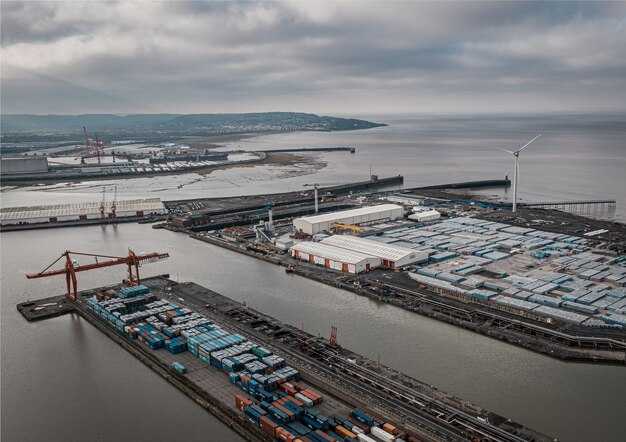
Allocate $1.5 billion to on-dock vasúti extensions, $800 million to terminal automation and environmental mitigation, $500 million for workforce and chassis pools, and $200 million for data systems that tie port, truck, and rail schedules. Cordero and port executives have described this package as an ambitious, near-term fix that local administrations can deploy within a 60-month timeline to reverse a decade of underinvestment.
Operational steps must target measurable outcomes: raise on-dock rail lift capacity by 30% within 36 months, cut average truck turn time from roughly 60 minutes to 30 minutes, and reduce container dwell from 7.4 days to 3.5 days. Announced changes should include additional staging yards, an intermodal facility next to the Alameda corridor, and standardized delivery appointment windows to smooth peak loads and speed cargo delivery to inland customers.
Governance requires a new organization of port, state and federal representatives with bipartisan leadership and clear KPIs. Executives should publish weekly throughput metrics, fund a joint operations center, and require publicly available photograph-based audits of yard density to validate progress. This model allows other maritime hubs to replicate successful fixes and prevents siloed responses by single administrations.
Address the labor and equipment mismatch by investing in certified training, expanding chassis pools by 25%, and incentivizing rail electrification projects that cut emissions and lower operating costs. Immediate grant agreements should pair federal dollars with local matching funds and private sector commitments so stakeholders can begin construction within 12 months and open the first upgraded facility within 30 months.
San Pedro Bay Ports: Practical Roadmap After a Decade of Underinvestment
Implement a binding Clean-Air and Electrification Master Plan that mandates zero-emission yard tractors, ship-to-shore cranes, and last-mile trucks across both ports within five years; require measurable reductions in diesel contaminants of at least 70% from current baseline and track progress monthly.
Allocate funding by layering federal grants, state bonds, and port revenue: request dedicated sums from the biden administration and californias budget authorities to create a $2.5 billion decarbonization fund. Tie ösztönzők–up to 80% of retrofit costs–to documented emission reductions and prioritize projects that reduce particulates and NOx by measurable tons annually.
Redesign operations to smooth peaks: implement guaranteed appointment systems, expand night gates with noise-mitigation protocols, and mandate on-dock rail shifts to cut truck trips. A realistic target: reduce trucks awaiting access by 50% within 24 months, which will increase throughput while lowering emissions and travel time for drivers and carriers.
Strengthen on-site management and accountability by appointing a single port manager for coordinated cargo flow, and require each terminal operator to publish weekly key performance indicators. Link operator permits to performance so that terminals that surpass emissions thresholds face higher fees and those achieving cleaner operations earn revenue bonuses.
Install continuous environmental monitoring stations around affected communities to measure contaminants, noise, and particulate matter; report public data in real time and set automatic corrective actions when thresholds trigger. Define what success looks like with five metrics: container dwell time, truck wait time, on-dock locomotive emissions (tons/year), ambient PM2.5, and nighttime noise.
Coordinate across jurisdictions: form a trilateral working group of city, state, and federal kormányok that meets monthly, with a liaison from the current port secretary office and representatives from labor, carriers, and others. Use that forum to remove regulatory barriers faster than under previous cycles and to approve regulatory waivers for pilot technologies.
Adopt demand-management tools that shift non-urgent freight to off-peak windows and offer ösztönzők for shippers who accept consolidated loads or modal shifts to rail. These measures can increase rail share, shorten gate queues, and result in more efficient movement of tons of cargo with a lower environmental effect.
Create a transparent long-term financing plan that phases capital projects over ten years, with annual audits and community benefit agreements. Empower a dedicated implementation manager to coordinate procurement, seek federal matching funds, and report quarterly progress so that investments deliver cleaner air, higher throughput, and resilience for maritime commerce.
Systemic supply chain reforms urged by San Pedro Bay port executives
Require a binding, measurable 10‑year plan that shifts 60% of drayage activity to zero‑emission trucks and moves 40% of container volume to on‑dock rail by 2032 to reduce particulate pollution and operating delays.
-
Fleet conversion and funding:
Create a $1.8 billion public‑private fund to subsidize truck electrification, install 500 fast chargers at terminals in wilmington and angeles neighborhoods, and offer tiered rebates that cover up to 50% of purchase costs for small carriers. Target: cut diesel truck emissions 45% within five years; projected help for local air quality monitors to show measurable PM2.5 drops.
-
On‑dock rail and modal rebalancing:
Commit to two new on‑dock rail yards and an additional 30 rail cranes to enable moving an estimated 3–5 million TEU annually off trucks. Reconfigure routes and gate hours to reduce empty miles and operating inefficiencies; aim to reduce average truck round‑trip miles by 25%.
-
Gate system and dynamic pricing:
Implement a single reservation platform with dynamic congestion pricing to smooth peak loads (shopping season spikes included). Require real‑time slot adherence; goal: cut gate dwell time by 30% within 12 months and lower short‑term queuing that wont be solved by ad hoc measures.
-
Data sharing and standardized operations:
Mandate an interoperable data exchange across carriers, terminals, chassis pools and inland providers. Publish weekly KPIs–turn times, yard utilization, berth utilization–and use them to allocate short‑term operational support where inefficiencies crop up throughout the supply chain.
-
Chassis pools and equipment utilization:
Consolidate various independent chassis pools into regionally managed pools with transparent pricing and real‑time availability. Expected outcome: reduce deadhead moves by 20% and lower costs passed to shippers and local markets.
-
Health and air quality targets:
Adopt an enforceable particulate reduction target tied to public health metrics: a 50% reduction in port‑attributable PM2.5 by 2030. That reduction will lower premature deaths and hospitalizations in adjacent community zones; require quarterly reporting to local health departments.
-
Incentives for end‑to‑end collaboration:
Offer tax credits and low‑interest loans to retailers and 3PLs that sign performance agreements linking purchase timing (shopping peaks) to distribution smoothing. Encourage collaboration agreements that align ship arrival windows with terminal capacity and inland rail slots to prevent pileups brought by sudden market shifts or policy shocks (including trumps-era tariff swings and other disruptions).
-
Community compensation and workforce transition:
Allocate 15% of port revenues from congestion pricing to fund workforce retraining, home air filtration for impacted neighborhoods, and a community health fund. Require terminals to spend a percentage of recent annual profits on local mitigation projects near wilmington and other adjacent neighborhoods.
Execution plan: set quarterly milestones, assign responsibility to a joint port‑city‑state task force, and convene monthly operational reviews with carriers and labor. Use measurable metrics (TEU shifted to rail, ZEV share of drayage, average gate wait, particulate concentration) to trigger additional funding or penalties. These systemic reforms wont appear overnight, but sustained collaboration throughout the country’s supply chain will reduce costs, lower pollution, stabilize routes and markets, and deliver tangible public health benefits to the community.
Which governance changes can shorten cargo dwell time at terminals?
Create a regional governance compact that sets enforceable performance targets, ties financial incentives to metrics, and mandates a public dashboard so terminals, carriers and truck operators cut average container dwell time to below 24 hours for imports and below 12 hours for exports within 18 months.
Implement a single, mandatory appointment-and-data-exchange platform that links terminal operating systems with Customs, rail carriers and trucking firms; require standard APIs, real-time gate clocks and shared manifests so truck turn times fall from typical 90–120 minutes to 30–45 minutes and so ships unload and reload with predictable berth windows.
Reform board membership: create a neutral regional authority led by an independent chair and a rotating seat structure that includes port authorities, terminal operators, rail, trucker associations, shippers and cross-border stakeholders from Canada. Seek enabling measures in Congress to authorize revenue-recycling mechanisms and arbitration clauses; the authority should be headed by a professional with clear conflict-of-interest rules.
Change commercial rules inside concession contracts: award or extend terminal leases only when operators meet time-to-turn targets, cap demurrage for first 48 hours, and offer seasonal congestion pricing. Announce the initiative in the press, document stakeholder conversations, and require terminals to publish weekly cadence reports. polly, one of several executives, said that transparent penalties and bonuses pushed rapid operational changes among others in the sector.
Operational checklist with timelines: within 90 days form the compact and define what metrics (dwell by lane, truck turn, chassis availability, berth productivity) will be public; within 180 days implement the appointment platform and equipment-sharing protocols; within 12 months pilot congestion pricing and revised concession KPIs. Build analytic capability so regulators can understand whether policy fixes reduce systemic delays, quantify remaining challenges, and decide where to scale successful pilots to other gateways.
How to restructure port investment priorities to clear backlog fast?
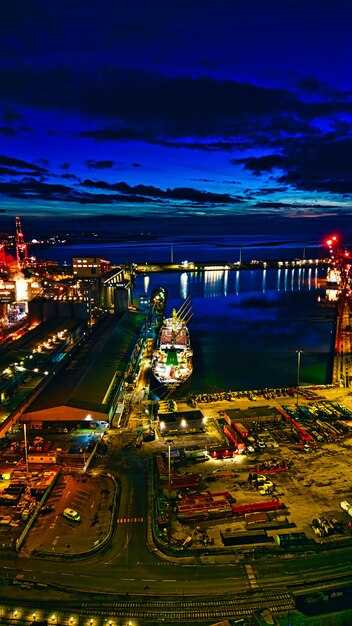
Allocate an immediate $2.8 billion rapid-response fund to dredging, cranes, chassis pools, and terminal electrification, and tie releases to measurable throughput gains within 90 days.
Redirect existing federal and state capital budgets so that 60% of emergency monies flow to ports with the highest congestion costs; require matching from states for 25% of projects to stretch funds nationwide. Expect the immediate tranche to cut peak dwell times by nearly 35% at five busiest complexes; a second tranche of $7 billion over two years will expand rail yards and off-dock storage where markets demand additional capacity.
Create a national fast-permitting lane: cap agency review at 90 calendar days for capacity projects under $150 million, allow conditional categorical exclusions for repeatable terminal upgrades, and authorize provisional construction starts for non-sensitive works. Use permitting scorecards shared with participants (ports, railroads, terminals, labor, tribes) so progress shows in real time. Local pilots from cordova and two others sent model MOUs to accelerate approvals; polly, a regional coordinator, has circulated standard language for tribal consultation to reduce hold-ups.
Reform tariffs to realign modal incentives: lower port access tariffs for off-peak drayage movements, add congestion surcharges only when a terminal exceeds pre-set queue thresholds, and rebate a portion of tariffs to carriers who shift cargo to off-peak windows. These changes will reprice costs across markets so most cargo flows toward underused rail and barge options rather than overloading terminal gates.
Make operations 24/7 by funding targeted premium pay and childcare stipends to shift labor supply. Pilot programs that add Friday night and weekend shifts have cut gate queue times by nearly 40% in other ports; scale pilots to five hubs within 120 days and measure container dwell and vessel turnaround every 7 days.
Prioritize investments with low emissions impact: require all rapid-response grants to include a certified plan for energy use and pollution controls, such as shore power, battery-electric yard tractors, and particulate filters. Direct 10% of each project budget to community mitigation in adjacent neighborhoods and beach areas that have borne the brunt of port pollution.
Link funding to performance metrics and turnover: pay 30% of grants as outcomes-based payments tied to moves per hour, average dwell, and truck gate turnaround. Publish weekly dashboards so shippers, carriers, and public participants can see which projects deliver and which have been delayed. Buttigieg expressed support for outcome-based pilots and signaled federal coordination would improve movement of cargo between ports and inland railheads.
Phase major work to avoid peak travel seasons and election windows; schedule noise-intensive tasks for low-travel times to reduce community disruption and legal challenges. When federal or state elections approach, prioritize maintenance and non-disruptive upgrades so projects stay headed to completion rather than stalled by political timing.
| Akció | Cél | Funding (initial) | Metrikus | Timeline |
| Rapid dredging & crane leasing | Restore depth to 95% of berths | $900M | Vessel wait ≤12 hrs | 30–60 days |
| Fast-permitting lane | 90-day max reviews | $50M admin | % approvals within 90 days | Immediate, pilot 60 days |
| Off-dock yards & rail ramps | Add 200k TEU capacity | $1.2B | Container throughput/day | 6–18 months |
| 24/7 operations & labor incentives | Shift premium for nights/weekends | $300M wage support | Gate processing rate | 30–120 days |
| Electrification & pollution controls | 50% yard electrified | $350M | NOx/PM reductions, community complaints | 6–24 hónap |
What data-sharing standards will unblock cross-modal coordination?
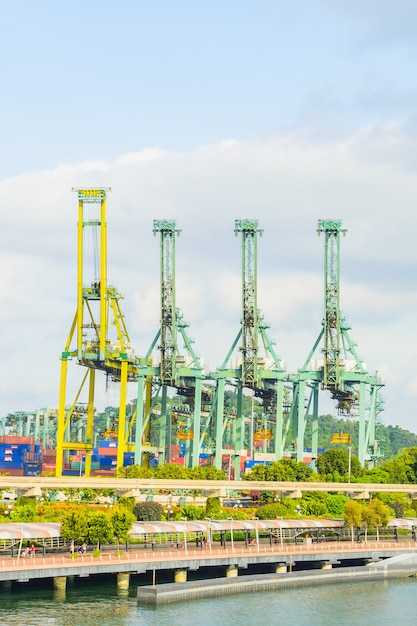
Adopt a three-layer standard stack now: GS1 EPCIS for event visibility, UN/CEFACT/UBL for document exchange and common code lists (including UN/LOCODE), and an OpenAPI/JSON-LD gateway for real-time queries and command-and-control. Set targets: 95% event capture for on-dock and road events, end-to-end data latency under 60 seconds, and ETA variance below 2 hours between terminals and carriers. Track improvements against baseline metrics (truck turn time, container dwell, berth utilization) and require 12 months of retained event history for troubleshooting and audit.
Operationalize the stack by mapping existing terminal operating systems to the agreed schemas, publishing a shared reference-data registry, and requiring OAuth2 with role-based access for partners. Appoint a deputy data steward at every port, terminal and major carrier to manage onboarding and schema changes. Pilot the stack with cagtcs for berth scheduling and one major truck gate, measure effects on throughput and iterate before expanding throughout multiple terminals.
Define message semantics so various systems speak the same language: event types for gate-in/gate-out, chassis handoff, yard reposition, and vessel berth change. Require ISO 8601 timestamps and a single timezone policy to avoid drift. Make APIs return both raw events and roll-up KPIs that dashboards can show to operators, freight forwarders and drivers. Ensure carriers and drayage providers can push ETAs and get confirmations, getting real-time job assignments to drivers and reducing idle time.
Governance must include cross-nations data-sharing agreements, SLAs with 99.9% availability for core services, and agreed privacy rules for personal data. Combine technical rules with an independent trust body of port operators, carriers, community representatives and experts; give that body the power to arbitrate disputes and enforce management-level penalties for non-compliance.
Measure social and environmental impact as part of roll-out: capture emissions and dwell reductions near residential areas and the beach, report changes quarterly, and publish summaries residents can understand. In a recent pilot a deputy at one terminal said the pilot produced nearly 30% faster truck turns and a visible effect on queue lengths; replicate those metrics across chains worldwide to demonstrate value and justify remediation of underinvestment.
Recommendation: launch a 6-month interoperability sprint with fixed KPIs (95% event capture, <60s latency, ETA variance ≤2h), integrate cagtcs as a reference implementation, and require each partner to nominate a deputy for ongoing management and schema adherence.
Which performance KPIs should ports publish weekly for transparency?
Publish a compact weekly dashboard that includes the KPI name, exact definition, unit, recent value, week-on-week percent change, target, and recommended corrective step – this will lessen confusion and speed response.
-
Container dwell time (import TEUs)
- Definition: average hours between vessel discharge and clearance for each import TEU.
- Unit & target: hours; target <72 hrs, acceptable range 72–120 hrs, poor >120 hrs.
- Why: a 10 percent rise week-over-week signals stacking and yard inefficiencies; they must publish the distribution by terminal (example: polly terminal sent a 12 percent higher median).
- Action: if average >120 hrs, publish planned gate-hours expansion and estimated funds required to ease backlogs.
-
Gate turn time (truck in-to-out)
- Definition: median minutes from arrival at gate to departure after transaction complete.
- Unit & target: minutes; target <45 min, alert at >60 min.
- Data to publish: percent of trucks <30 min, <45 min, >60 min; number of appointment no-shows and missed windows.
- Action: publish which shifts and terminals are underperforming and the steps to lessen wait (added staff, extended hours).
-
Crane productivity (moves per hour)
- Definition: gross crane moves per hour per working crane while a vessel is on berth.
- Unit & target: moves/hour; target 28–35, poor <22.
- Publish: average and same-week-last-year comparison, plus berth-level variance and root causes for poor performance (equipment, labor, berth schedule conflicts).
-
Vessel on-dock time and schedule adherence
- Definition: hours between arrival pilot-in and sailing.
- Unit & target: hours; target <48 hrs for calls handling <5,000 TEU, adjusted by vessel size.
- Publish: percent of vessels meeting their scheduled departure and minutes delayed between berth moves; list of recent delays and whether they were terminal- or carrier-championed.
-
Yard utilization and slot availability
- Definition: occupied TEU slots ÷ total nominal TEU slots by terminal.
- Unit & target: percent; target <85 percent to allow buffer; alert >95 percent.
- Publish: heat-map by block and expected shortfalls that could bring cascading delays.
-
Rail and drayage movement metrics
- Definition: average train dwell at port, percent of scheduled rail lifts completed, and median drayage trip time between terminal and interchange.
- Targets: rail dwell <24 hrs, rail lifts completion >95 percent, drayage median <4 hrs roundtrip.
- Publish: counts of trains delayed, reasons, and whether dray carriers report equipment shortages or fuels access issues.
-
Throughput and modal split (TEUs and goods categories)
- Definition: weekly TEUs handled, broken down by imports/exports/empty and goods type (e.g., fuels, autos, refrigerated).
- Publish: average TEUs/day, same week last year comparison, and percent change week-over-week.
- Use: planners can see if a spike in one commodity brought disproportionate congestion.
-
Appointment compliance and no-shows
- Definition: percent of scheduled truck appointments that arrive in their window vs. missed/sent-after-window.
- Target: no-shows <10 percent; appointment on-time >80 percent.
- Publish: terminals with repeated no-shows and corrective measures (expanded hours, finer appointment slots).
-
Safety incidents reported to usdots
- Definition: count of incidents reported to usdots and internal incident rate per 100k moves.
- Publish: raw counts, trend, and immediate mitigation steps; separate cargo-related incidents (e.g., fuels handling) from terminal incidents.
-
Equipment availability and outages
- Definition: percent of quay cranes, RTGs, and tractors operational for scheduled shifts.
- Target: operational >90 percent; report mean time to repair and parts lead time.
- Publish: outages that account for >5 percent productivity loss and funds requested to repair or replace.
-
Customer service and issue resolution
- Definition: tickets opened by carriers/terminals/consignees, percent resolved within SLA (e.g., 48 hrs), and average resolution time.
- Publish: outstanding high-priority issues and who owns the follow-up (terminal, ocean carrier, house carrier).
-
Financial transparency items
- Definition: weekly public report of funds allocated to congestion relief, emergency spend, and capital drawdowns.
- Publish: amounts in USD, projects funded, and anticipated impact on KPIs (for example: $2.5m to add gate lanes expected to reduce gate turn by 15 percent).
Publish raw datasets (CSV and API) with these column headers for every terminal and week: date, terminal_name, berth_id, TEUs_handled, import_TEUs, export_TEUs, dwell_hours_avg, gate_turn_min_median, truck_turn_min_median, crane_moves_per_hr_avg, vessel_on_dock_hours, yard_utilization_percent, appointment_no_show_percent, usdots_incident_count, equipment_availability_percent, funds_spent_usd, issues_open_count. Provide terminal notes for anomalies (e.g., weather at beach terminal, a house-bill processing backlog) and flag which records are estimates versus measured.
Recommend publishing the same snapshot every Monday with the average and the percent change between the latest week and the same week last year; they should annotate any data that arent final. Make the dataset machine-readable so analysts can quickly assess which specific actions will lessen delays, where funds should be directed, and how other ports benchmark against San Pedro Bay.
Operational measures to reduce port gridlock and truck turn times
Mandate a 45-minute maximum truck turn time at container gates and implement a tiered enforcement scheme: $50 flat fee after 45 minutes, $25 per 15-minute increment thereafter, and a $300 daily cap; specifically award a $30 rebate for runs under 30 minutes to create immediate incentives for compliance.
Expand appointment systems into dynamic, market-driven slots that auction unused windows and release real-time cancellations; target 75% appointment use within 90 days and track compliance with automated timestamps. Use predictive ETAs from terminal TOS and carrier telematics to reduce no-shows by 40% and cut average queue length by 30%.
Open select terminals to 24/7 operations: convert 30% of peak gates to rotating night shifts, pay a $20–$40 per-move night differential to attract crews, and reassign maintenance staff under new shift patterns to keep throughput steady. Make it easier for drivers getting load confirmations and going straight to gate with consolidated pre-clearance checks and photograph-based OCR proof of identity at entry.
Create off-terminal staging within a 10-mile radius to absorb overflow and enable parking-by-appointment; shared staging reduces on-dock queue time by an estimated 18 minutes per truck. Stand up centralized chassis pools and a pooled maintenance fund (paid from a small per-TEU charge) to lower empty moves and free gates for loaded exchanges.
Form a data-governance coalition led by cordero to standardize APIs, publish hourly KPIs throughout terminals, and release a public dashboard with rolling 7-day averages for: average turn time, queue length, percent appointment compliance, TEU throughput, and safety incidents. Operators and drivers have expressed support for transparent metrics; make dashboards mostly clear and machine-readable to minimize disputes.
Prioritize freight types by time-sensitivity: implement fast-pass lanes for refrigerated and high-priority imports, and use low-cost slot auctions like curb pricing pilots in paris to manage peak curb access. Tie cargo release to dwell reductions so that carriers who reduce average dwell by 20% earn fee rebates that fund workforce incentives.
Use enforcement data plus positive incentives: photograph gate events for audit trails, require track-and-trace handoffs at each node, and publish monthly performance grades. Impose operator penalties for repeat breaches and reward top quartile performers with access to premium slots and reduced per-move fees; trump siloed charging schemes by aligning terminal, carrier and drayage incentives.
Set measurable targets: reduce average turn time from current baseline by 25% in six months, cut truck-related road incidents and facility deaths by 10% through separated pick-up lanes and enforced speed controls, and lower idling emissions by an estimated 10 pounds CO2 per truck move. Monitor weekly and adjust financial levers and staffing to keep progress focused and steady.
Pilot these solutions at two high-volume terminals, evaluate outcomes at 90 days, and scale successful practices throughout the port complex; encourage small, driver-facing benefits (fuel vouchers, shopping vouchers for off-peak moves) to improve uptake while preserving throughput gains.