




Visit the new fulfilment store today to see a robotics-led initiative in action and feel how speed and protection for every item align on the same floor.
IKEA located the store on the former distribution campus and announced a new vision for supplier integration, and journalists said the scale marks the largest revamp in its history over the past decade.
The fulfilment initiative relies on a fleet of robotics that sorts orders and protects stock, which IKEA told journalists would lift sales and be measured later against prior cycles.
The store’s layout uses step–by–step routing to sort goods and cut handling, with robotics guarding items and a protected storage zone designed for peak demand.
Later phases will expand the network with more ventures, a larger fleet of carriers, and closer coordination from a central control hub, announced to readers by IKEA as the only model for future expansion.
Drone fleet of 250: how autonomous units audit warehouse inventory without human intervention
Recommendation: deploy a 250-drone autonomous audit fleet across ikeas stores, starting with two pilot warehouses and scaling to full coverage within nine months. Use the droneup platform to integrate with warehouse-management and supply-chain systems, and secure funding for the investment, maintenance, and ongoing testing.
How it works: autonomous drones map each floor with SLAM and vision, read barcodes and RFID tags, and verify shelf positions against the ERP. They fly predefined routes, avoid people through geofences, and hand off exceptions to operators where human input is needed. In a typical run, each unit completes thousands of scans per night, and the full fleet delivers a monthly view across all stores with near-real-time updates.
- Autonomy and robotics: 250 drones operate in coordinated groups, with continuous status streams to the warehouse-management system.
- Sensors and data: onboard cameras, RFID readers, and lidar enable precise localization and SKU verification, even on crowded aisles.
- Navigation and safety: SLAM-based maps plus obstacle detection keep operations open and safe, with docking stations for charging and quick maintenance.
- Data flow: scans feed into centralized analytics, where discrepancies are categorized by location (aisle, shelf, floor) and prioritized for correction.
- Cycle timing: night cycles run 8–10 hours, depending on floor layout, with data pushed to ERP within 15–30 minutes of completion.
Last cycle results from initial pilots showed the most gains where aisles are narrow and shelves are high; later refinements reduced path overlap and improved throughput. While the group tested multiple routes, the most reliable paths were kept, and where issues appeared, drivers and floor managers were alerted to intervene. The last rounds also confirmed that behind-the-scenes data processing is essential to keep inventory status current across all ikeas stores.
Key metrics and recommendations:
- Coverage and speed: full floor audit completed within 8–10 hours per site; 250 drones can cover hundreds of thousands of SKUs per night.
- Inventory accuracy: manual accuracy around 95–97% historically; after three cycles with the fleet, accuracy reached 99.5–99.8% in test zones.
- Data latency: updates to warehouse-management and ERP dashboards within 15–30 minutes after a run.
- Labor impact: routine counting workloads reduced by 60–70%, freeing staff for exception handling and replenishment planning.
- ROI and funding: projectable payback window 18–24 months, supported by investment in hardware, software, and ongoing maintenance.
- Costs and funding breakdown: capex for drones, docking stations, sensors, and the droneup software; opex for maintenance, data storage, and security.
Implementation blueprint:
- Pilot design: select two ikeas stores with different floor plans, install 15 docking stations per site, calibrate sensors, and run controlled field tests.
- Scale plan: add 50 drones each quarter, extending to 10–12 sites per year and aligning with financing milestones.
- System integration: connect droneup with warehouse-management and supply-chain dashboards; ensure ERP readiness for real-time updates.
- Safety and governance: enforce multiple geofences, schedule maintenance checks, and implement privacy controls for customer-facing areas.
- Funding and milestones: secure investment, publish quarterly progress, and update journalists on tangible outcomes and opportunities.
Opportunities and impact: this approach creates opportunities for ventures that combine robotics with supply-chain optimization. It also provides a scalable model for other groups of stores to improve stock availability, shrink out-of-stocks, and reduce cycle times behind the scenes. While the program opens new funding avenues, it also demonstrates how their floor-level data feeds the broader supply-chain view, enabling better forecasting and replenishment decisions.
Example and guidance for stakeholders: as told by engineers and store ops leaders, start with a focused rollout on high-turnover floors, then expand to other levels. Example results from the pilot show that most discrepancies were misplacements in density zones, while the most straightforward corrections came from restocking gaps identified during the nightly test. Journalists can track open metrics and investment milestones to understand how the most advanced stores leverage autonomous capabilities to strengthen resilience and service levels.
In sum, the 250-drone fleet, powered by droneup and integrated with warehouse-management systems, offers a full, scalable solution for autonomous inventory auditing. This model supports ikeas long-term strategy, creates value for suppliers in the supply-chain, and opens opportunities for other retailers looking to optimize stores, distribution centers, and cross-site visibility.
Verity partnership: what the collaboration unlocks for warehouse ops

Adopt Verity's autonomous robotics platform to cut movement times for pallets by up to 30% and raise inventory accuracy by 15% in the first 90 days.
Link your account and systems to the Verity fleet on the floor. Those autonomous units move pallets and handle repetitive moves without interruption, while staff focus on exception handling. Compared with legacy workflows, throughput climbs and cycle times shrink, really boosting on-time delivery to customers later in the quarter.
Many routine tasks are handled by the Verity system, freeing staff to address bottlenecks and exceptions in real time.
Opportunities unfold across every stage–from inbound receipts to outbound orders–and hinge on more predictable product flows. ikeas pallets become standardized across facilities, and covina-based centers pilot rapid replenishment using a classic pick path. Inventory is synced to product records, boosting visibility for sales forecasts and easing inventory planning for furniture categories.
Subscribers to the program gain access to continuous development; the vendor said updates roll out quarterly, with new robotics configurations developed to handle every aisle and floor layout. Companies of different sizes told the rollout team that their account-level metrics improved, and those pilots showed a measurable drop in handling times and a smoother cycle from receiving to shelving, which supports product availability and sales momentum.
New automation system: practical changes that cut customer delivery times
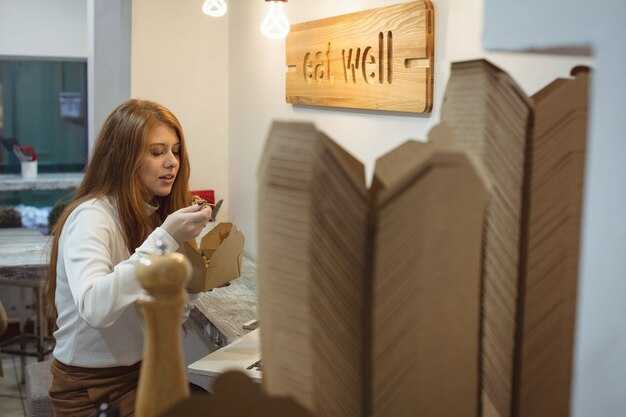
Deploy a phased pilot in one fulfilment center that pairs floor automation with drone-enabled last-mile drops to cut delivery times for customers. This approach improves accuracy, reduces misplaced items, and accelerates time-to-door after the order is packed.
Over years of trials, automated storage and retrieval systems speed up pick-and-pack cycles on the floor, boosting inventory visibility and throughput across the distribution network. The changes help the companys fleet cope with peak periods and keep veritys of stock easy to verify in real time.
Drones handle lightweight items and documentation tasks in busy urban zones, reducing the time customers wait after dispatch. Theyre routing by the automation engine and feed data to media dashboards for live status updates, helping the customer service team provide proactive notifications.
Partnerships with carriers and tech providers, including amazon, integrate with central systems to synchronize inbound and outbound flows. A unified fleet view shows increased on-time deliveries, with floor sensors and inventory checks feeding the systems to avoid misplaced orders and keep fulfilment on track.
Staff training focuses on new routines: operators monitor robots and drones, respond to alerts, and use dashboards to spot bottlenecks before they impact customers. After the rollout, delivery time metrics show shorter times and higher customer satisfaction, while media coverage highlights efficiency gains across the network.
Tolga Öncü: Ingka Retail COO's role in the rollout and governance
Recommendation: establish a centralized governance council led by Tolga Öncü, Ingka Retail COO, to codify rollout standards, decision rights, and performance reviews across regions, with a clear escalation path and a monthly reporting cadence.
Focus areas include where to place robotics and automation, which processes to standardize, and what data feeds power decisions behind the rollout.
Operational framework maps to a testing protocol: run controlled pilots on a single floor, capture extensive veritys of information from test results, and quantify outcomes in dollars, with a defined ROI target.
Budget lines total 25 million dollars for robotics, drones, and automation pilots; track payback in covina region and other markets to identify where scale yields the most value.
Technology and people plan: build in-house capability and partner with a covina-area startup program; a calling to collaborate with a regional startup to pilot drones and robotics, and provide hands-on training to staff.
Data governance and protection: set data ownership, protect information, and implement access controls to keep customer information safe and protected.
Example action items: deploy a phased approach on one floor, document outcomes, adjust governance, and set milestones for broader deployment later.
Last-mile logistics and product flow: align larger floor layouts with automation and robotics to boost throughput on the last order mile and improve product availability.
Conclusion: Tolga's leadership ties together region teams, technology partners, and store operations to deliver a coordinated rollout that keeps customers satisfied and their expectations in view.
Scaling automation: roadmap from revamp to broader store fulfilment growth
Implement a phased automation rollout anchored to the revamp milestones, starting with in-store automation pilots in 20-30 locations, then expanding to 100-150 stores within 12-18 months. The vision is to connect store fulfilment with central warehouses via a single software platform, delivering faster order cycles for customers while reducing manual handling. With funding of about 1.2 billion dollars, the retailer can manage risk, measure impact, and tune the model before wider deployment. After the pilots, scale the approach into market expansion while maintaining clear metrics and reporting, ensuring available data supports decisions and journalists can verify progress. Example: early locations showed a 28% lift in pick rate and a 60% drop in mispicks, underscoring the value of a standardized software stack and a strong partnership with tech providers.
Phase 1: Quick wins in store operations
Deploy automated picking, sortation, and shelf-support tools integrated with a single software layer. Use extensive revamp data to forecast gains: target a 25-35% reduction in average order cycle and a 40-50% decrease in manual touches. Track customer impact through time-to-delivery and accuracy. Example results from pilot stores include increased pick rate and lower errors, validating the chosen workflow and vendor mix. Forge a clear partnership with suppliers and system integrators to ensure the required modules are available, with a plan to adjust funding as learnings accumulate. The located pilots feed real-world feedback to refine configuration and training, while journalists and stakeholders observe tangible improvements.
Phase 2: Network integration and customer experience
Scale automation to distribution centers and local fulfilment points, linking store operations with e-commerce orders via open APIs. Stand up dashboards that monitor fill rate, order accuracy, and delivery windows, then iterate based on data. Expect better product availability and faster delivery, strengthening customer trust. Allocate additional funding to extend coverage, targeting 220-300 million dollars, and aim to reach 50-60% of the network within 18 months. Market reception improves as fewer misplaced orders occur and service levels rise, with partners and journalists recognizing a mature, scalable model that supports sustained growth.