


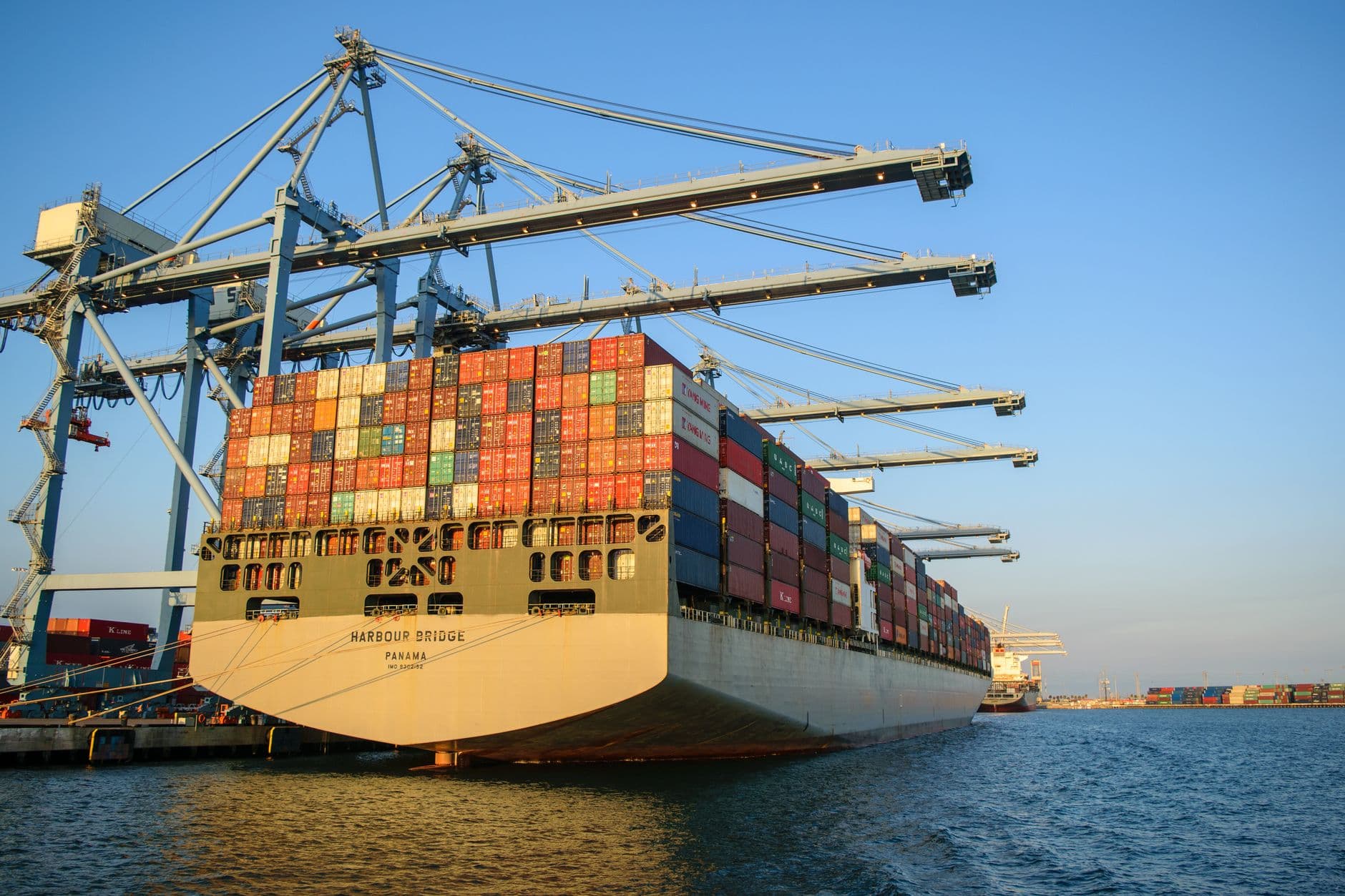

Per gli esportatori brasiliani, la domanda chiave del 2026, nel nostro resoconto, è quanto duramente gli Stati Uniti stringeranno. Secondo il caso della Sezione 301 aperto a maggio, un dazio del 25% su quasi tutte le merci brasiliane potrebbe entrare in vigore intorno al 15 luglio, con un'indagine sul lavoro forzato che porterebbe i dazi al 37,5%. Di seguito illustriamo il rischio tariffario, i colli di bottiglia portuali che lo stanno alla base e verso dove sono diretti i flussi.
The global trade landscape has shifted decisively toward regional resilience and alternative corridors, leaving Brazilian shippers with a complex set of logistical challenges in 2026. With the United States moving in 2026 to impose a sweeping new tariff on Brazilian goods — not just the earlier steel and aluminum measures — the traditional trans-Atlantic route now carries a heavier and far less predictable financial burden than it did just three years ago. This economic reality forces export managers to recalculate their supply chain strategies, moving away from pure cost-minimization models toward ones that prioritize speed, reliability, and tariff avoidance. The stakes are higher than ever, as port congestion in Santos and Itajaí continues to fluctuate based on global demand cycles and local labor negotiations.
Shippers must now navigate a fragmented ecosystem where digital documentation is no longer optional but mandatory for efficiency. The integration of blockchain-based tracking systems and AI-driven route optimization has become the standard for competitive logistics providers. Companies that fail to adopt these technologies risk being left behind by competitors who can offer real-time visibility and faster turnaround times. This guide explores the critical factors shaping Brazil’s freight sector in 2026, offering actionable insights for navigating tariffs, port bottlenecks, and shifting export destinations.
L'impatto delle tariffe statunitensi sulle esportazioni brasiliane
The US tariff picture for Brazil escalated sharply in 2026. Beyond the earlier steel and aluminum measures, in May 2026 the US administration proposed a new 25% tariff on essentially all Brazilian goods under a Section 301 investigation, with a decision possible as early as 15 July 2026. This is far broader than the sector-specific duties that came before — it could touch more than half of Brazil's exports to the US — though important exclusions have been floated, including beef, coffee, orange juice and rare-earth minerals. A separate investigation into an additional 12.5% tariff tied to forced-labor allegations could stack duties as high as 37.5% on some goods. For Brazilian shippers, this turns the direct US route from a cost question into a live strategic risk, and margins already thinned by currency volatility are now exposed to a step-change rather than a gradual creep.
Gli esportatori stanno rispondendo diversificando i propri portafogli di destinazione. Si registra un marcato aumento delle spedizioni verso l'Unione Europea, che ha mantenuto relazioni commerciali più stabili con il Brasile, e verso i mercati emergenti del Sud-Est asiatico. Questo spostamento richiede significativi aggiustamenti logistici. Le rotte verso l'Asia sono più lunghe, impiegando spesso dai 35 ai 40 giorni da Santos a Shanghai, rispetto ai 18-22 giorni per New York. Questo tempo di transito prolungato aumenta i costi di mantenimento delle scorte e richiede previsioni della domanda più sofisticate.
Evitamento Strategico dei Dazi e Nearshoring
Many Brazilian manufacturers are adopting a strategy of "tariff avoidance" by shifting final assembly operations to countries with favorable trade agreements with the US. Mexico and Colombia have become popular nearshoring destinations for Brazilian companies. By moving the final production stage to these nations, exporters can benefit from USMCA and other trade pacts, effectively bypassing the tariffs that would apply to goods shipped directly from Brazil. This strategy, however, adds complexity to the supply chain. It requires managing cross-border logistics within Latin America, dealing with varying customs regulations, and ensuring that the rules of origin are strictly met to qualify for preferential treatment.
Per i caricatori, ciò significa un aumento dei volumi di trasporto intra-America Latina. La domanda di servizi affidabili di trasporto su gomma e rotaia che collegano il Brasile ai suoi vicini settentrionali è aumentata. I fornitori di logistica specializzati in queste rotte transfrontaliere stanno registrando un aumento degli affari, mentre quelli focalizzati esclusivamente sul trasporto transatlantico affrontano una stagnazione. La chiave del successo in questo ambiente è la flessibilità. I caricatori devono essere in grado di passare rapidamente dai modelli di esportazione diretta a quelli di trasbordo in base agli ultimi annunci tariffari e alle condizioni di mercato.
- Monitorare le classificazioni del codice HS settimanalmente, poiché piccole modifiche possono innescare significativi spostamenti tariffari nell'ambito delle azioni della Sezione 301 degli Stati Uniti.
- Considerare il trasbordo tramite Panama o Colombia per sfruttare gli accordi di libero scambio, sebbene ciò aggiunga 5-7 giorni ai tempi di transito.
- Collabora con spedizionieri che dispongono di corsie dedicate per il Sud-est asiatico, poiché il servizio diretto per la Cina sta diventando saturo.
- Evitare di prenotare spazi container durante il picco del raccolto brasiliano (marzo-maggio) senza aver assicurato gli slot almeno 60 giorni prima.
Capacità portuale e colli di bottiglia infrastrutturali
Brazil’s port infrastructure is a mix of modern, private terminals and older, public facilities that struggle to keep pace with growing export volumes. In 2026, the port of Santos remains the busiest in Latin America, handling over 40% of the country’s containerized cargo. However, its capacity is frequently tested by peak seasons and labor strikes. The port of Itajaí in Santa Catarina has emerged as a strong competitor, particularly for agribusiness exports, thanks to its deeper drafts and more efficient operations. Shippers must carefully evaluate which port to use based on their cargo type, destination, and urgency.
La congestione a Santos non è solo una funzione del volume ma anche di inefficienze operative. I tempi di attesa dei camion possono superare le 24 ore durante i periodi di punta, portando a costi di demurrage e detention che erodono rapidamente i profitti. Il governo brasiliano ha investito molto nella modernizzazione del porto, compresa l'implementazione di sistemi di cancelli automatizzati e piattaforme di documentazione digitale. Tuttavia, l'integrazione di questi sistemi è disomogenea tra i diversi terminal. Alcuni operatori privati, come APM Terminals e Santos Brasil, offrono esperienze digitali fluide, mentre altri si basano ancora su processi cartacei che rallentano lo sdoganamento.
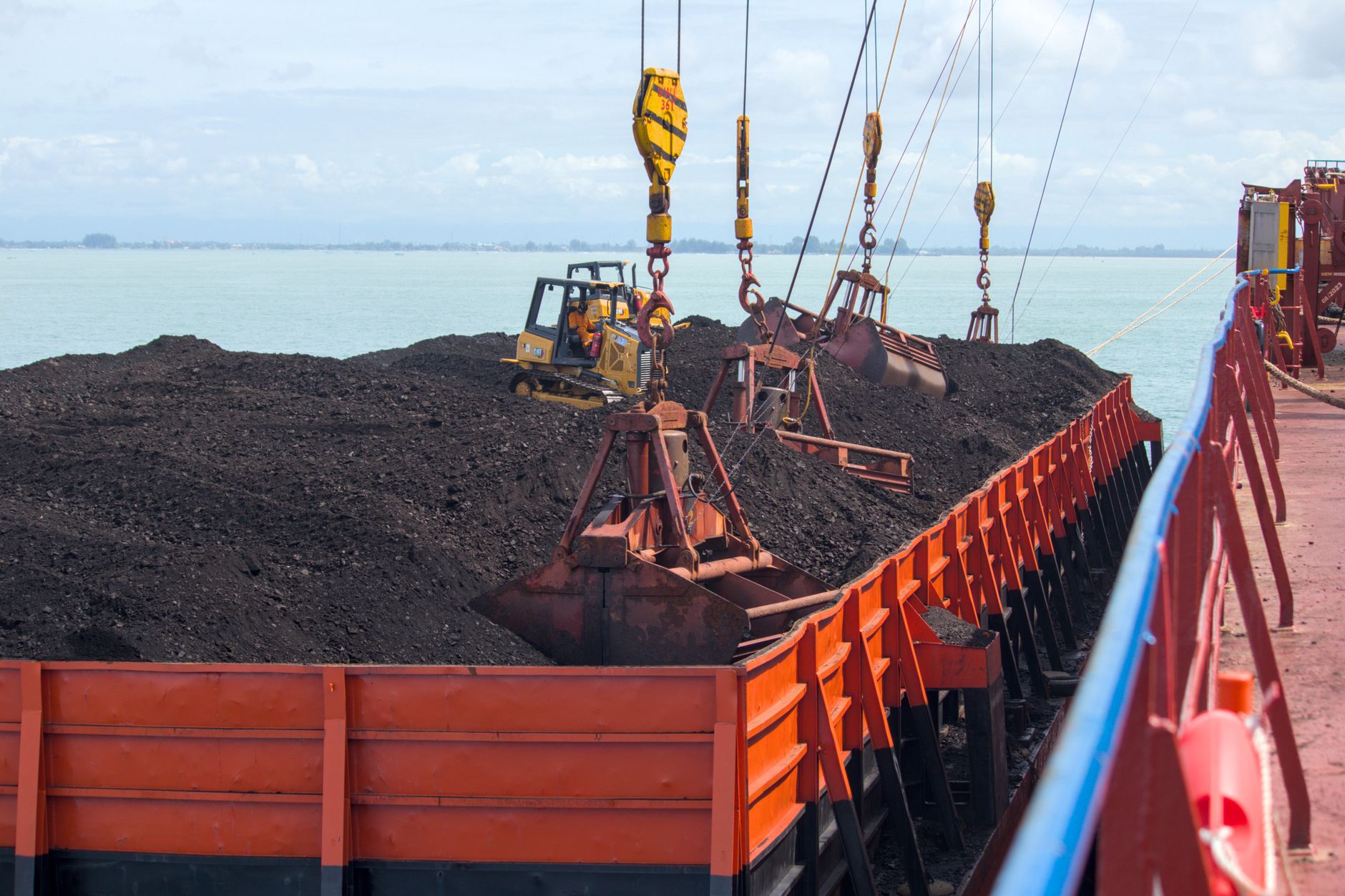
La congestione non riguarda solo Santos e il 2026 ne ha dato un netto promemoria. Nel giugno 2026 l'operatore di Paranaguá — il più grande terminal reefer del Brasile — ha descritto una "tempesta perfetta" di domanda in aumento e interruzioni nei porti rivali che hanno spinto i tempi medi di attesa delle navi da circa 3,5 ore a quasi 48 ore, spingendo CMA CGM ad aggiungere un sovrapprezzo per congestione di 150 dollari per container. Crisi operative improvvise come questa si affiancano ora ai prevedibili picchi della stagione del raccolto come rischio di pianificazione e sostengono la necessità di prenotare gli slot in anticipo e di preventivare sovrapprezzi a sorpresa.
L'allentamento sta arrivando attraverso nuove capacità, anche se non dall'oggi al domani. Le aste di concessione previste nel 2026 includono il terminal STS-10 a Santos, che aggiungerebbe circa il 50% alla capacità del porto, e un nuovo polo agroesportativo nel porto di São Sebastião. Altrettanto significativa è una nuova opzione verso ovest: il Brasile ha formalmente lanciato un programma di integrazione Brasile-Bolivia-Pacifico, un corridoio verso porti cileni e peruviani che potrebbe ridurre i tempi di consegna in Asia a soli 15 giorni e diminuire la dipendenza dai congestionati snodi atlantici.
Scelta del Porto Giusto per il Tuo Carico
For high-value, time-sensitive goods, the private terminals in Santos are often the better choice despite higher costs. They offer faster turnaround times and better security. For bulk commodities like soybeans and iron ore, the specialized terminals in Suape and Paranaguá are more efficient. These ports are designed for large-scale operations and have direct rail connections to major production areas. Shippers should also consider the emerging port of São Sebastião, which is expanding its capacity to handle more containerized cargo and reduce pressure on Santos.
La chiave per gestire i problemi di capacità portuale è la pianificazione proattiva. Gli spedizionieri dovrebbero evitare di prenotare carichi durante i periodi di punta noti, come il raccolto della soia a marzo e aprile. Se ciò non è possibile, dovrebbero assicurarsi lo spazio per i container con largo anticipo e avere piani di contingenza in atto, come porti o rotte alternative. Collaborare con uno spedizioniere che ha forti relazioni con gli operatori di terminal può anche aiutare a mitigare i ritardi. Questi partner possono spesso assicurare un trattamento preferenziale ai loro clienti, garantendo che il carico venga caricato e sdoganato rapidamente.
Flussi di esportazione in evoluzione: l'ascesa di Asia e Africa
The traditional dominance of the US and European markets in Brazilian exports is being challenged by the rapid growth of demand in Asia and Africa. China remains Brazil’s largest trading partner, but other Asian economies, such as India, Vietnam, and South Korea, are becoming increasingly important. These markets are driving demand for Brazilian beef, poultry, orange juice, and minerals. The shift toward Asia requires shippers to adapt to longer transit times and different regulatory environments.
L'Africa è un altro mercato emergente per le esportazioni brasiliane, in particolare nei settori agricolo e industriale. Paesi come la Nigeria, il Kenya e il Sudafrica sono economie in crescita con una domanda crescente di beni brasiliani. Tuttavia, la logistica verso l'Africa è complessa, con servizi di spedizione diretta limitati e operazioni portuali spesso inefficienti. Gli spedizionieri devono essere preparati a tempi di consegna più lunghi e a potenziali ritardi. Costruire solide relazioni con agenti locali in questi paesi è essenziale per gestire le dogane e garantire una consegna agevole.
Sfide logistiche dei nuovi mercati
Shipping to Asia and Africa presents unique logistical challenges. The longer transit times require more robust inventory management and demand forecasting. Shippers must also be aware of the different regulatory requirements in these markets, such as phytosanitary certificates for agricultural products and specific labeling requirements for consumer goods. The use of digital tools, such as AI-driven demand forecasting and blockchain-based documentation, can help mitigate these challenges by providing greater visibility and control over the supply chain.
Un altro fattore critico è la disponibilità del carico di ritorno. Molte navi che arrivano in Brasile dall'Asia sono vuote, il che può portare a tariffe di nolo più elevate per le esportazioni. Gli spedizionieri dovrebbero cercare opportunità per bilanciare i loro flussi di carico, come l'importazione di macchinari o beni di consumo dall'Asia ed esportazione di materie prime. Ciò può aiutare a ridurre i costi e migliorare l'efficienza complessiva della catena di approvvigionamento. Collaborare con spedizionieri che dispongono di una solida rete in questi mercati emergenti è inoltre fondamentale per assicurarsi tariffe competitive e un servizio affidabile.
Digitalizzazione e Tecnologia nella Gestione delle Merci
The adoption of digital technologies is no longer a luxury but a necessity for Brazilian shippers in 2026. The complexity of global trade, with its myriad of regulations, tariffs, and logistical challenges, requires real-time visibility and data-driven decision-making. Digital platforms that integrate freight forwarding, customs brokerage, and warehouse management are becoming the standard for efficient logistics operations. These platforms provide shippers with a single view of their supply chain, from origin to destination.
La tecnologia blockchain sta guadagnando terreno anche nel settore del trasporto merci brasiliano. Offre un modo sicuro e trasparente per gestire i documenti commerciali, come polizze di carico e certificati di origine. Questo riduce il rischio di frodi e accelera il processo di sdoganamento. Diversi importanti porti e aziende logistiche brasiliane hanno già implementato soluzioni blockchain e ci si aspetta che altre seguiranno. Gli spedizionieri dovrebbero cercare partner che investono in queste tecnologie, poiché saranno meglio attrezzati per gestire le complessità del commercio moderno.
L'integrazione sta avvenendo anche a livello infrastrutturale. Nel luglio 2026, DP World e MRS Logística hanno lanciato un corridoio multimodale in Brasile che collega le operazioni portuali alle ferrovie, illustrando come la tecnologia e la logistica fisica vengano combinate per aumentare la produttività e ridurre le emissioni — il tipo di capacità integrata che gli spedizionieri dovrebbero ora cercare nella scelta dei partner.
AI e analisi predittiva
Artificial intelligence (AI) and predictive analytics are transforming how shippers manage their logistics. AI algorithms can analyze vast amounts of data to predict demand, optimize routes, and identify potential bottlenecks. For example, AI can predict port congestion based on historical data and current weather conditions, allowing shippers to adjust their plans in advance. Predictive analytics can also help shippers optimize their inventory levels, reducing holding costs and improving cash flow.
L'uso dei dispositivi IoT (Internet of Things) sta aumentando anche nel settore delle merci. Questi dispositivi, come i localizzatori GPS e i sensori di temperatura, forniscono visibilità in tempo reale sulla posizione e sulle condizioni del carico. Ciò è particolarmente importante per i beni deperibili, come frutta e verdura, che richiedono uno stretto controllo della temperatura. I mittenti dovrebbero investire in imballaggi abilitati all'IoT e in sistemi di tracciamento per garantire la qualità e la sicurezza del loro carico. Questo non solo riduce il rischio di deterioramento, ma migliora anche la soddisfazione del cliente fornendo maggiore trasparenza.
Domande frequenti
Come hanno influito specificamente le tariffe statunitensi sulle esportazioni di acciaio brasiliano nel 2026?
Acciaio e alluminio erano i primi bersagli, ma lo sviluppo più importante del 2026 è una proposta tariffaria del 25% ai sensi della Sezione 301 su quasi tutti i beni brasiliani, con una decisione possibile intorno al 15 luglio 2026, e un ulteriore 12,5% nell'ambito di un'indagine sul lavoro forzato che potrebbe portare alcuni dazi al 37,5%. Gli esportatori si stanno diversificando verso l'UE e l'Asia, e alcuni hanno spostato la lavorazione finale in Messico per qualificarsi per i benefici dell'USMCA, sebbene questa strada comporti ora un proprio scrutinio su trasbordo e regole di origine.
Quale porto brasiliano sta attualmente riscontrando meno congestione?
Il porto di Itajaí a Santa Catarina sta attualmente registrando livelli di congestione inferiori rispetto a Santos. Itajaí ha investito molto nell'automazione e dispone di un sistema più efficiente per la movimentazione dei camion. Tuttavia, ha una capacità di stoccaggio container inferiore rispetto a Santos, quindi potrebbe non essere adatto a tutti i tipi di carico. Gli spedizionieri dovrebbero valutare le loro esigenze specifiche prima di scegliere un porto.
Quali sono i tempi medi di transito da Santos verso i principali hub asiatici?
I tempi di transito da Santos a Shanghai sono tipicamente di 35-40 giorni, mentre le rotte verso Singapore richiedono circa 30-35 giorni. Questi tempi possono variare in base alle condizioni meteorologiche, alla congestione dei porti e alla specifica compagnia di navigazione utilizzata. Gli spedizionieri dovrebbero pianificare questi tempi di consegna più lunghi e adattare di conseguenza le proprie strategie di gestione delle scorte.
Come possono gli spedizionieri mitigare il rischio di scioperi nei porti brasiliani?
Gli spedizionieri possono mitigare il rischio di scioperi portuali diversificando le loro opzioni portuali e mantenendo solide relazioni con più spedizionieri. È anche consigliabile disporre di piani di emergenza, come percorsi alternativi o strutture di stoccaggio temporaneo. Monitorare le negoziazioni del lavoro e rimanere informati sulle potenziali azioni di sciopero può aiutare gli spedizionieri ad anticipare e prepararsi alle interruzioni.
La tecnologia blockchain è ampiamente adottata nella logistica brasiliana?
L'adozione della blockchain è in crescita ma non è ancora universale. Maggiori porti come Santos e Itajaí, insieme a grandi aziende logistiche, stanno implementando soluzioni blockchain per la gestione dei documenti. Tuttavia, i soggetti più piccoli potrebbero ancora fare affidamento su processi tradizionali basati sulla carta. Gli spedizionieri dovrebbero informarsi sulle capacità digitali dei propri partner e dare priorità a coloro che stanno investendo nella blockchain e in altre tecnologie avanzate.
Consigli finali
The Brazilian freight landscape in 2026 is defined by volatility and opportunity. Shippers who can adapt to changing tariff regimes, navigate port bottlenecks, and leverage digital technologies will gain a significant competitive advantage. The key is to remain flexible and proactive. Do not rely on a single port or destination. Diversify your supply chain, build strong relationships with multiple logistics partners, and invest in digital tools that provide real-time visibility.
Un consiglio specifico e attuabile è quello di stabilire una "directory di monitoraggio tariffe" all'interno del tuo team logistico e di considerare metà luglio 2026 come un punto di controllo definitivo: monitora la decisione sulla Sezione 301 attesa intorno al 15 luglio, conferma se i tuoi prodotti rientrano nelle esclusioni proposte (carne bovina, caffè, succo d'arancia, terre rare) e simula lo scenario peggiore di tariffe che si accumulano fino al 37,5%. Affianca a ciò la diversificazione delle rotte: valuta il nuovo corridoio del Pacifico attraverso Cile e Perù per il carico diretto in Asia e prevedi nel budget eventuali aumenti improvvisi dei supplementi portuali del tipo che Paranaguá ha visto a giugno. Stare al passo con questi cambiamenti ti consente di adattarti prima dei concorrenti e protegge sia i margini che la resilienza.