


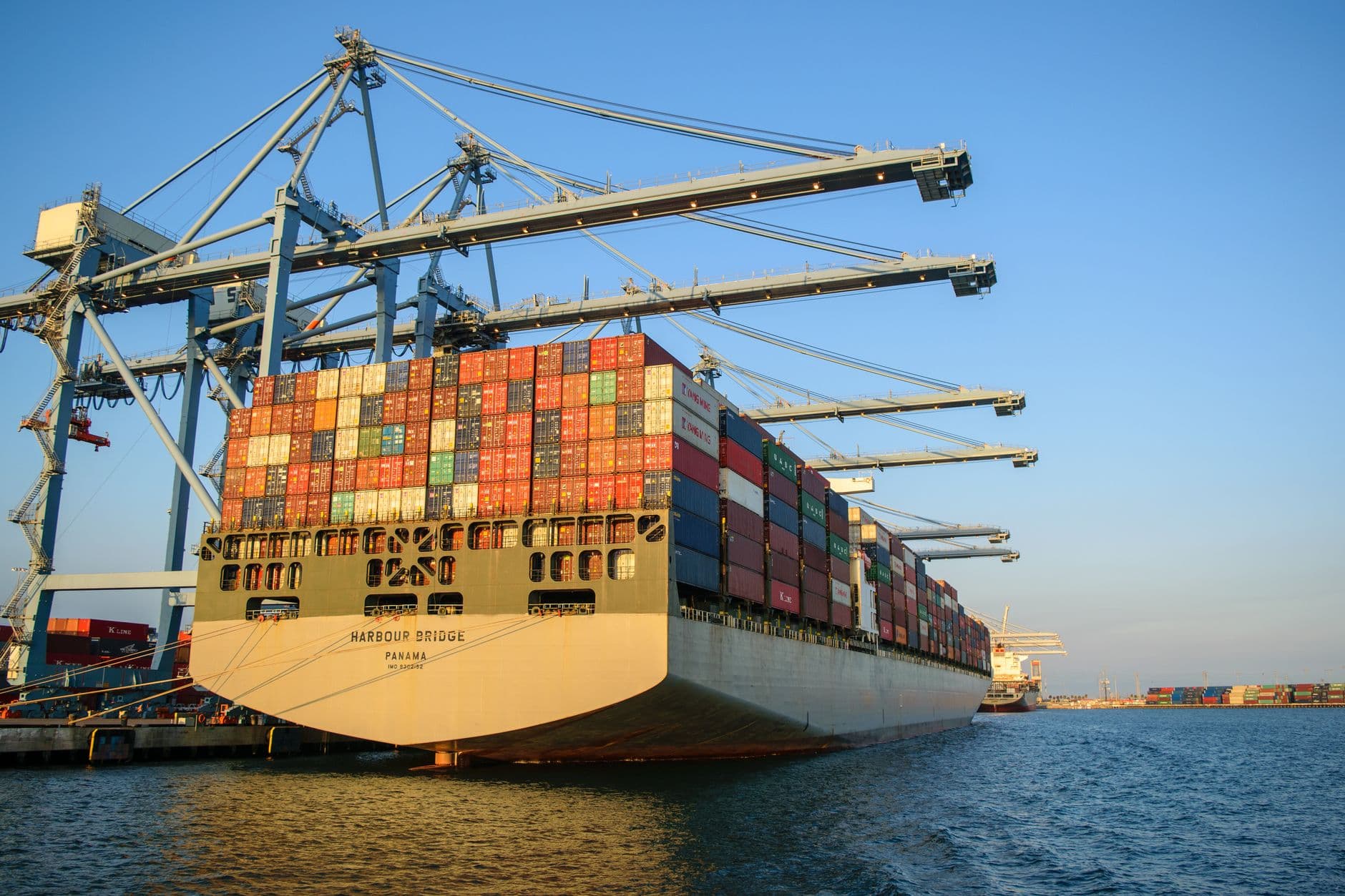

ブラジルの輸出業者にとって、私たちの報告における2026年の決定的な問題は、アメリカ合衆国がどれほど厳しく締め付けるかということです。5月に開始されたセクション301のケースによると、ほぼすべてのブラジル製品に対する25%の関税が7月15日頃に課される可能性があり、強制労働に関する調査が関税を37.5%に積み上げることになります。以下では、関税リスク、その背後にある港湾のボトルネック、そして物流の行方をマッピングします。
The global trade landscape has shifted decisively toward regional resilience and alternative corridors, leaving Brazilian shippers with a complex set of logistical challenges in 2026. With the United States moving in 2026 to impose a sweeping new tariff on Brazilian goods — not just the earlier steel and aluminum measures — the traditional trans-Atlantic route now carries a heavier and far less predictable financial burden than it did just three years ago. This economic reality forces export managers to recalculate their supply chain strategies, moving away from pure cost-minimization models toward ones that prioritize speed, reliability, and tariff avoidance. The stakes are higher than ever, as port congestion in Santos and Itajaí continues to fluctuate based on global demand cycles and local labor negotiations.
Shippers must now navigate a fragmented ecosystem where digital documentation is no longer optional but mandatory for efficiency. The integration of blockchain-based tracking systems and AI-driven route optimization has become the standard for competitive logistics providers. Companies that fail to adopt these technologies risk being left behind by competitors who can offer real-time visibility and faster turnaround times. This guide explores the critical factors shaping Brazil’s freight sector in 2026, offering actionable insights for navigating tariffs, port bottlenecks, and shifting export destinations.
米国の関税がブラジルの輸出に与える影響
The US tariff picture for Brazil escalated sharply in 2026. Beyond the earlier steel and aluminum measures, in May 2026 the US administration proposed a new 25% tariff on essentially all Brazilian goods under a Section 301 investigation, with a decision possible as early as 15 July 2026. This is far broader than the sector-specific duties that came before — it could touch more than half of Brazil's exports to the US — though important exclusions have been floated, including beef, coffee, orange juice and rare-earth minerals. A separate investigation into an additional 12.5% tariff tied to forced-labor allegations could stack duties as high as 37.5% on some goods. For Brazilian shippers, this turns the direct US route from a cost question into a live strategic risk, and margins already thinned by currency volatility are now exposed to a step-change rather than a gradual creep.
Exportersは、目的地のポートフォリオを多様化することで対応しています。ブラジルとより安定した貿易関係を維持している欧州連合(EU)や、東南アジアの新興市場への出荷が著しく増加しています。この変化には、大幅な物流調整が必要です。アジアへのルートはより長く、サントスから上海まで35日から40日かかることが多いのに対し、ニューヨークまでは18日から22日です。この延長された輸送時間は在庫保持コストを増加させ、より高度な需要予測を必要とします。
戦略的関税回避とニアショアリング
Many Brazilian manufacturers are adopting a strategy of "tariff avoidance" by shifting final assembly operations to countries with favorable trade agreements with the US. Mexico and Colombia have become popular nearshoring destinations for Brazilian companies. By moving the final production stage to these nations, exporters can benefit from USMCA and other trade pacts, effectively bypassing the tariffs that would apply to goods shipped directly from Brazil. This strategy, however, adds complexity to the supply chain. It requires managing cross-border logistics within Latin America, dealing with varying customs regulations, and ensuring that the rules of origin are strictly met to qualify for preferential treatment.
For shippers, this means a rise in ラテンアメリカ域内の貨物量の増加です。ブラジルとその北部の隣国を結ぶ信頼性の高いトラック輸送や鉄道サービスの需要が高まっています。これらの国境を越えるルートを専門とする物流プロバイダーはビジネスの増加を見せていますが、大西洋横断の海上輸送のみに焦点を当てている業者は停滞に直面しています。この環境で成功の鍵となるのは柔軟性です。荷主は最新の関税発表や市場の状況に基づいて、直接輸出とトランシップメントモデルの間を迅速に切り替える能力が必要です。
- Monitor HS コードの分類を毎週確認してください。わずかな変更が、米国のセクション301措置の下で大きな関税変動を引き起こす可能性があります。
- Consider transshipment through Panama or Colombia to leverage free trade agreements, though this adds 5-7 days to transit times.
- Partner with freight forwarders who have dedicated lanes to Southeast Asia, as direct service to is becoming saturated.
- Avoid booking container space during the ブラジルの収穫ピーク(3月~5月)without securing slots at least 60 days in advance.
港湾の容量とインフラのボトルネック
Brazil’s port infrastructure is a mix of modern, private terminals and older, public facilities that struggle to keep pace with growing export volumes. In 2026, the port of Santos remains the busiest in Latin America, handling over 40% of the country’s containerized cargo. However, its capacity is frequently tested by peak seasons and labor strikes. The port of Itajaí in Santa Catarina has emerged as a strong competitor, particularly for agribusiness exports, thanks to its deeper drafts and more efficient operations. Shippers must carefully evaluate which port to use based on their cargo type, destination, and urgency.
Santosでの混雑は、量だけでなく運用上の非効率にも起因しています。トラックのターンアラウンドタイムはピーク時には24時間を超えることがあり、これにより滞船料や留置料が発生し、利益をすぐに圧迫します。ブラジル政府は、自動ゲートシステムやデジタル文書プラットフォームの導入を含む港湾の近代化に多額の投資を行ってきました。しかし、これらのシステムの統合はターミナル間で不均一です。APM TerminalsやSantos Brasilなどの一部の民間事業者はシームレスなデジタル体験を提供していますが、他の事業者はまだ通関を遅らせる紙ベースのプロセスに依存しています。
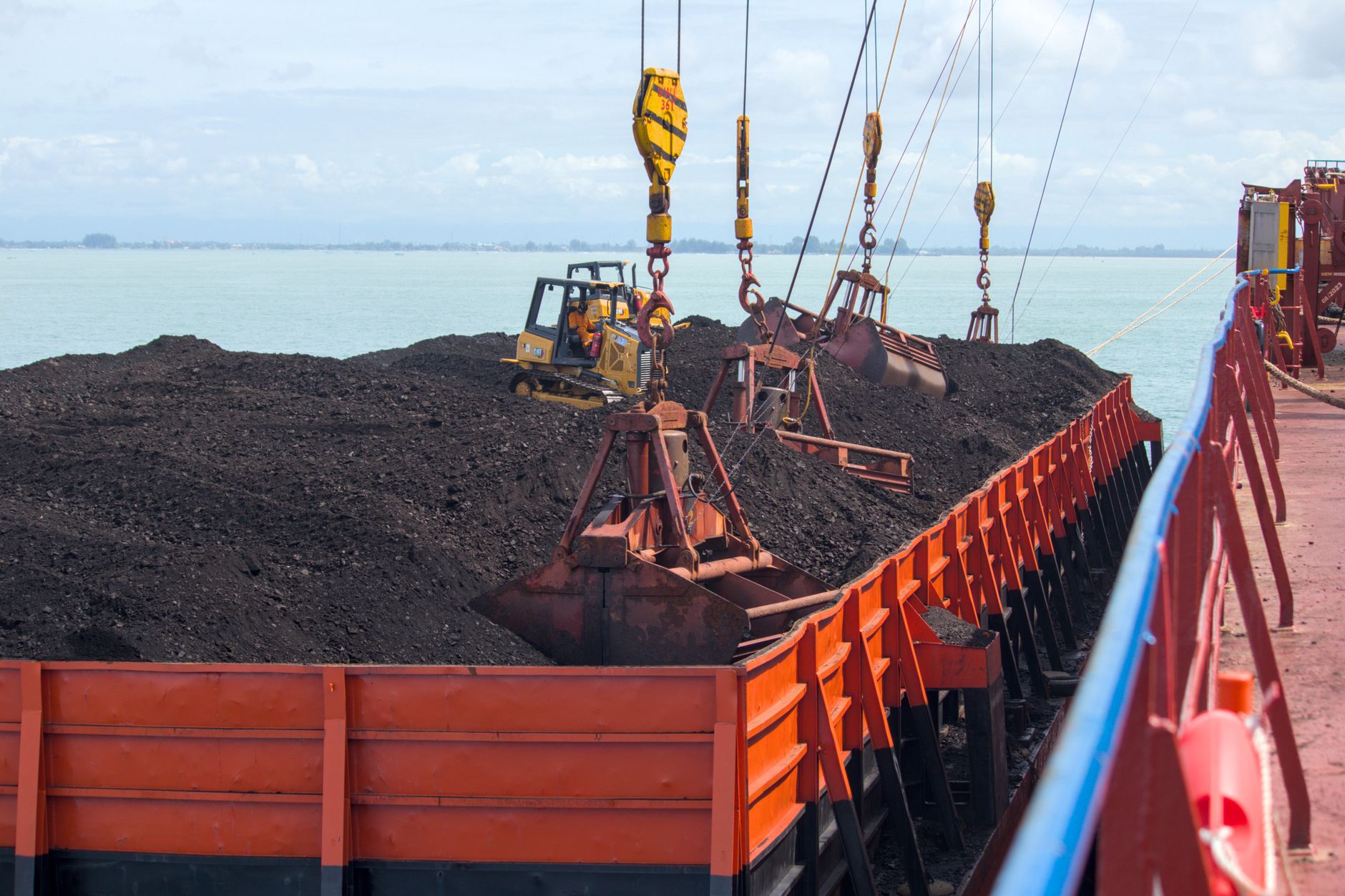
CongestionはSantosに限られたものではなく、2026年は厳しい警告をもたらしました。2026年6月、ブラジル最大のリーファーターミナルであるParanaguáの運営者は、需要の急増と競合港での混乱が重なった「パーフェクトストーム」を説明し、平均船舶待ち時間が約3.5時間からほぼ48時間に延び、CMA CGMが1コンテナあたり150ドルの混雑追加料金を課す事態となりました。このような突然の運用危機は、予測可能な収穫期のピークと並んで計画リスクとして存在し、早めのスロット予約と予期せぬ追加料金の予算化が求められています。
Relief is coming through new capacity, though not overnight. 2026年に予定されている入札には、サントス港のSTS-10ターミナルが含まれており、これにより港の能力が約50%増加する見込みです。また、サン・セバスティアン港に新たな農産物輸出ハブが建設されます。同様に重要なのは新たな西向きの選択肢です:ブラジルは正式にブラジル・ボリビア・太平洋統合プログラムを開始しました。これはチリとペルーの港への回廊であり、アジアへの配送時間をわずか15日に短縮し、混雑した大西洋のゲートウェイへの依存を減らすことができます。
荷物に適した港の選択
For high-value, time-sensitive goods, the private terminals in Santos are often the better choice despite higher costs. They offer faster turnaround times and better security. For bulk commodities like soybeans and iron ore, the specialized terminals in Suape and Paranaguá are more efficient. These ports are designed for large-scale operations and have direct rail connections to major production areas. Shippers should also consider the emerging port of São Sebastião, which is expanding its capacity to handle more containerized cargo and reduce pressure on Santos.
The key to managing port capacity issues is proactive planning. 荷主は、3月と4月の大豆収穫期など、既知のピーク期間中の貨物予約を避けるべきです。これが不可能な場合は、コンテナスペースを十分に前もって確保し、代替港やルートなどの緊急時対応計画を用意しておく必要があります。ターミナルオペレーターと強固な関係を持つフォワーダーと連携することも、遅延を軽減するのに役立ちます。これらのパートナーは、多くの場合、顧客に対して優先的な取り扱いを確保し、貨物の積み込みと通関を迅速に行うことができます。
輸出フローの変化:アジアとアフリカの台頭
The traditional dominance of the US and European markets in Brazilian exports is being challenged by the rapid growth of demand in Asia and Africa. China remains Brazil’s largest trading partner, but other Asian economies, such as India, Vietnam, and South Korea, are becoming increasingly important. These markets are driving demand for Brazilian beef, poultry, orange juice, and minerals. The shift toward Asia requires shippers to adapt to longer transit times and different regulatory environments.
アフリカはブラジルの輸出における新興市場の一つであり、特に農業および工業分野で注目されています。ナイジェリア、ケニア、南アフリカのような国々は成長著しい経済圏であり、ブラジル製品に対する需要が高まっています。しかし、アフリカへの物流は複雑で、直行の船便が限られており、港湾の運営も非効率的な場合が多いです。荷主はより長いリードタイムと潜在的な遅延に備える必要があります。これらの国々で通関を円滑に進め、スムーズな配送を確保するためには、現地の代理店との強固な関係構築が不可欠です。
新しい市場の物流上の課題
Shipping to Asia and Africa presents unique logistical challenges. The longer transit times require more robust inventory management and demand forecasting. Shippers must also be aware of the different regulatory requirements in these markets, such as phytosanitary certificates for agricultural products and specific labeling requirements for consumer goods. The use of digital tools, such as AI-driven demand forecasting and blockchain-based documentation, can help mitigate these challenges by providing greater visibility and control over the supply chain.
もう一つの重要な要因は、復路貨物の利用可能性です。アジアからブラジルに到着する多くの船は空荷で、これが輸出の運賃を高騰させる可能性があります。荷主は、機械や消費財をアジアから輸入しながら商品を輸出するなど、貨物の流れをバランスさせる機会を探すべきです。これによりコストを削減し、サプライチェーン全体の効率を向上させることができます。これらの新興市場で強力なネットワークを持つフォワーダーと連携することも、競争力のある運賃と信頼性の高いサービスを確保するために重要です。
デジタル化とテクノロジーによる貨物管理 <>
The adoption of digital technologies is no longer a luxury but a necessity for Brazilian shippers in 2026. The complexity of global trade, with its myriad of regulations, tariffs, and logistical challenges, requires real-time visibility and data-driven decision-making. Digital platforms that integrate freight forwarding, customs brokerage, and warehouse management are becoming the standard for efficient logistics operations. These platforms provide shippers with a single view of their supply chain, from origin to destination.
Blockchain技術は、ブラジルの貨物輸送部門でも注目を集めています。これは、船荷証券や原産地証明書などの貿易書類を安全かつ透明に管理する方法を提供します。これにより、詐欺のリスクが減少し、通関手続きが迅速化されます。ブラジルの主要港や物流企業のいくつかはすでにブロックチェーン・ソリューションを導入しており、今後さらに多くの企業が追随すると予想されています。荷主は、これらの技術に投資しているパートナーを探すべきです。なぜなら、彼らは現代の貿易の複雑さに対処するためにより適切に装備されているからです。
インテグレーションはインフラストラクチャレベルでも進行しています。2026年7月、DP WorldとMRS Logísticaはブラジルで港湾業務と鉄道を結ぶマルチモーダル回廊を立ち上げ、技術と物理的なロジスティクスを組み合わせてスループットを向上させ、排出量を削減する方法を示しました。これは、荷主がパートナーを選ぶ際に今すぐ探すべき統合された能力の一例です。
AIと予測分析
Artificial intelligence (AI) and predictive analytics are transforming how shippers manage their logistics. AI algorithms can analyze vast amounts of data to predict demand, optimize routes, and identify potential bottlenecks. For example, AI can predict port congestion based on historical data and current weather conditions, allowing shippers to adjust their plans in advance. Predictive analytics can also help shippers optimize their inventory levels, reducing holding costs and improving cash flow.
The use of IoT (Internet of Things) デバイスは、貨物部門でも増加しています。GPS トラッカーや温度センサーなどのこれらのデバイスは、貨物の位置と状態に関するリアルタイムの可視性を提供します。これは、果物や野菜などの生鮮品にとって特に重要であり、厳格な温度管理が必要です。荷主は、IoT 対応の包装および追跡システムに投資して、貨物の品質と安全性を確保する必要があります。これにより、腐敗のリスクを減らすだけでなく、より高い透明性を提供することで顧客満足度も向上します。
よくある質問
USの関税は2026年にブラジルの鋼鉄輸出に具体的にどのような影響を与えましたか?
Steelとアルミニウムが初期のターゲットでしたが、2026年のより大きな動きは、基本的にすべてのブラジル製品に対する25%のSection 301関税の提案です。決定は2026年7月15日頃に可能で、さらに12.5%の強制労働調査により、一部の関税が37.5%に引き上げられる可能性があります。輸出業者はEUとアジアへの多様化を進めており、一部はUSMCAの恩恵を受けるために最終加工をメキシコに移しています — ただし、そのルートには現在、積み替えと原産地規則に関する独自の精査が伴います。
どのブラジルの港が現在最も混雑していませんか?
The port of Itajaí in Santa Catarina is currently experiencing lower congestion levels compared to Santos. Itajaíは自動化に多額の投資を行い、より効率的なトラックの回転システムを有しています。しかし、Santosよりもコンテナの容量が少ないため、すべての種類の貨物に適しているとは限りません。荷主は港を選ぶ前に、具体的なニーズを評価するべきです。
Santosから主要なアジアのハブまでの平均輸送時間はどのくらいですか?
Transit times from Santos to Shanghai は通常 35 から 40 日、一方 Singapore へのルートは約 30 から 35 日かかります。これらの時間は、天候条件、港の混雑状況、および使用される特定の船会社によって変動する可能性があります。荷主はこれらの長いリードタイムを考慮し、在庫管理戦略をそれに応じて調整する必要があります。
ブラジルでの港湾ストライキのリスクを、荷主はどのように軽減できますか?
荷主は、港湾の選択肢を多様化し、複数のフォワーダーと強固な関係を維持することで、港湾ストライキのリスクを軽減できます。また、代替ルートや一時的な保管施設などの緊急時対応計画を用意しておくことも推奨されます。労使交渉を監視し、潜在的なストライキ行動について情報を収集することで、荷主は混乱を予測し、準備することができます。
ブラジルの物流でブロックチェーン技術は広く採用されていますか?
Blockchainの導入は進んでいますが、まだ普及しているわけではありません。SantosやItajaíのような主要港や大手物流企業は、書類管理のためにBlockchainソリューションを導入しています。しかし、小規模な事業者は依然として従来の紙ベースのプロセスに依存している場合があります。荷主はパートナーのデジタル能力について確認し、Blockchainやその他の先進技術に投資している企業を優先するべきです。
最終的なヒント
The Brazilian freight landscape in 2026 is defined by volatility and opportunity. Shippers who can adapt to changing tariff regimes, navigate port bottlenecks, and leverage digital technologies will gain a significant competitive advantage. The key is to remain flexible and proactive. Do not rely on a single port or destination. Diversify your supply chain, build strong relationships with multiple logistics partners, and invest in digital tools that provide real-time visibility.
One specific actionable tip is to 物流チーム内に「関税モニタリングダッシュボード」を設置し、2026年7月中旬をハードチェックポイントとして扱うことです。7月15日頃に予想されるセクション301の決定を追跡し、自社の製品が提案されている除外対象(牛肉、コーヒー、オレンジジュース、希土類)に該当するかを確認し、関税が37.5%に積み重なるリスクをモデル化します。それに加えてルートの多様化を図り、アジア向け貨物についてはチリとペルーを経由する新しい太平洋回廊を評価し、パラナグア港で6月に見られたような突然の港湾追加料金に備えて予算を確保します。これらの変化に先んじることで、競合他社よりも早く調整を行い、利益率とレジリエンスの両方を守ることができます。