


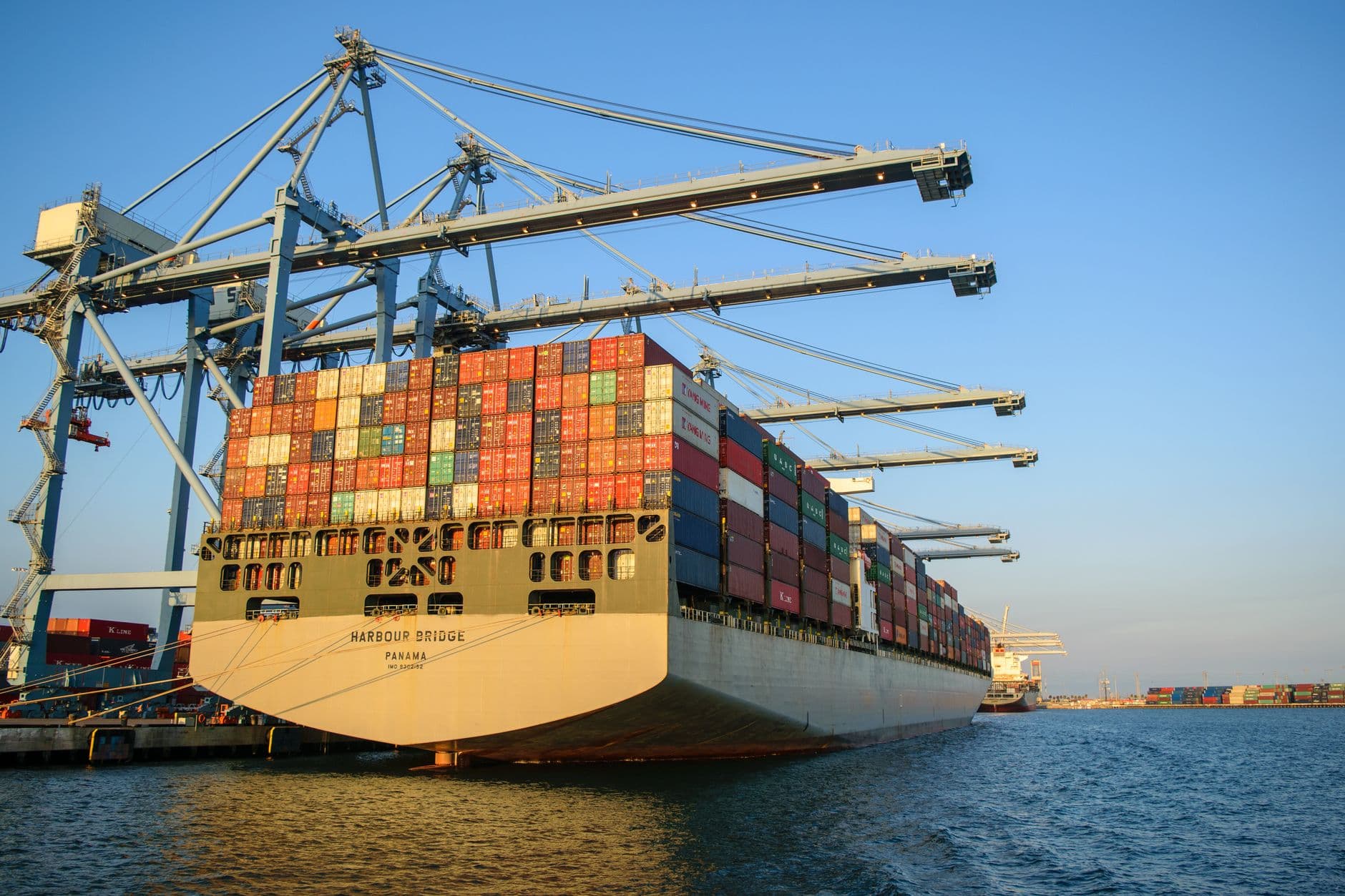

브라질 수출업자들에게 2026년의 결정적인 질문은, 저희 보도에 따르면, 미국이 얼마나 강하게 압박할 것인가입니다. 5월에 개시된 섹션 301 조치에 따르면, 거의 모든 브라질 상품에 대한 25% 관세가 7월 15일경 부과될 수 있으며, 강제 노동 조사로 관세가 37.5%까지 쌓일 수 있습니다. 아래에서 관세 위험, 그 뒤에 있는 항만 병목 현상, 그리고 물류 흐름이 향하는 곳을 살펴봅니다.
The global trade landscape has shifted decisively toward regional resilience and alternative corridors, leaving Brazilian shippers with a complex set of logistical challenges in 2026. With the United States moving in 2026 to impose a sweeping new tariff on Brazilian goods — not just the earlier steel and aluminum measures — the traditional trans-Atlantic route now carries a heavier and far less predictable financial burden than it did just three years ago. This economic reality forces export managers to recalculate their supply chain strategies, moving away from pure cost-minimization models toward ones that prioritize speed, reliability, and tariff avoidance. The stakes are higher than ever, as port congestion in Santos and Itajaí continues to fluctuate based on global demand cycles and local labor negotiations.
Shippers must now navigate a fragmented ecosystem where digital documentation is no longer optional but mandatory for efficiency. The integration of blockchain-based tracking systems and AI-driven route optimization has become the standard for competitive logistics providers. Companies that fail to adopt these technologies risk being left behind by competitors who can offer real-time visibility and faster turnaround times. This guide explores the critical factors shaping Brazil’s freight sector in 2026, offering actionable insights for navigating tariffs, port bottlenecks, and shifting export destinations.
미국 관세의 브라질 수출에 대한 영향
The US tariff picture for Brazil escalated sharply in 2026. Beyond the earlier steel and aluminum measures, in May 2026 the US administration proposed a new 25% tariff on essentially all Brazilian goods under a Section 301 investigation, with a decision possible as early as 15 July 2026. This is far broader than the sector-specific duties that came before — it could touch more than half of Brazil's exports to the US — though important exclusions have been floated, including beef, coffee, orange juice and rare-earth minerals. A separate investigation into an additional 12.5% tariff tied to forced-labor allegations could stack duties as high as 37.5% on some goods. For Brazilian shippers, this turns the direct US route from a cost question into a live strategic risk, and margins already thinned by currency volatility are now exposed to a step-change rather than a gradual creep.
Exporters는 목적지 포트폴리오를 다각화하는 방식으로 대응하고 있습니다. 브라질과 더 안정적인 무역 관계를 유지해 온 유럽 연합과 동남아시아의 신흥 시장으로 향하는 선적량이 현저히 증가하고 있습니다. 이러한 변화는 상당한 물류 조정 작업을 필요로 합니다. 아시아로의 항로는 더 길어, 산투스에서 상하이까지 35~40일이 소요되는 경우가 많은 반면, 뉴욕까지는 18~22일 정도입니다. 이처럼 연장된 운송 시간은 재고 보유 비용을 증가시키고 더 정교한 수요 예측을 요구합니다.
전략적 관세 회피 및 근거리 이전
Many Brazilian manufacturers are adopting a strategy of "tariff avoidance" by shifting final assembly operations to countries with favorable trade agreements with the US. Mexico and Colombia have become popular nearshoring destinations for Brazilian companies. By moving the final production stage to these nations, exporters can benefit from USMCA and other trade pacts, effectively bypassing the tariffs that would apply to goods shipped directly from Brazil. This strategy, however, adds complexity to the supply chain. It requires managing cross-border logistics within Latin America, dealing with varying customs regulations, and ensuring that the rules of origin are strictly met to qualify for preferential treatment.
For shippers, this means a rise in intra-Latin American freight volumes. 라틴아메리카 내 화물량 증가로 이어집니다. The demand for reliable trucking and rail services connecting Brazil to its northern neighbors has surged. 브라질과 북부 이웃 국가들을 연결하는 신뢰할 수 있는 트럭 및 철도 서비스에 대한 수요가 급증했습니다. Logistics providers that specialize in these cross-border routes are seeing increased business, while those focused solely on trans-Atlantic shipping face stagnation. 이러한 국경을 넘는 경로에 특화된 물류 제공업체는 사업이 증가하고 있는 반면, 대서양 횡단 운송에만 집중하는 업체들은 정체를 겪고 있습니다. The key to success in this environment is flexibility. 이러한 환경에서 성공의 열쇠는 유연성입니다. Shippers must be able to pivot quickly between direct exports and transshipment models based on the latest tariff announcements and market conditions. 최신 관세 발표와 시장 상황에 따라 직송 수출과 환적 모델 사이를 신속하게 전환할 수 있어야 합니다.
- 주간 HS 코드 분류를 모니터링하세요. 사소한 변경이 미국 섹션 301 조치에 따른 상당한 관세 변동을 유발할 수 있습니다.
- 파나마 또는 콜롬비아를 통한 환적을 고려하여 자유 무역 협정을 활용하세요. 다만, 이 경우 운송 시간에 5-7일이 추가됩니다.
- Southeast Asia 전용 레인을 보유한 화물 운송업체와 파트너십을 맺으세요. 중국으로의 직항 서비스가 포화 상태가 되고 있기 때문입니다.
- Avoid booking container space during the Brazilian harvest peak (3월-5월) without securing slots at least 60 days in advance.
항만 용량 및 인프라 병목 현상
Brazil’s port infrastructure is a mix of modern, private terminals and older, public facilities that struggle to keep pace with growing export volumes. In 2026, the port of Santos remains the busiest in Latin America, handling over 40% of the country’s containerized cargo. However, its capacity is frequently tested by peak seasons and labor strikes. The port of Itajaí in Santa Catarina has emerged as a strong competitor, particularly for agribusiness exports, thanks to its deeper drafts and more efficient operations. Shippers must carefully evaluate which port to use based on their cargo type, destination, and urgency.
Santos의 혼잡은 단순히 물량의 문제가 아니라 운영상의 비효율성 때문이기도 합니다. 트럭 회전 시간은 성수기 동안 24시간을 초과할 수 있으며, 이로 인해 발생하는 체선료와 억류료는 빠르게 수익을 갉아먹습니다. 브라질 정부는 자동화 게이트 시스템과 디지털 문서 플랫폼 구현을 포함한 항만 현대화에 많은 투자를 해왔습니다. 그러나 이러한 시스템의 통합은 터미널마다 고르지 않습니다. APM Terminals 및 Santos Brasil과 같은 일부 민간 운영업체는 원활한 디지털 경험을 제공하는 반면, 다른 업체들은 여전히 통관 속도를 늦추는 종이 기반 프로세스에 의존하고 있습니다.
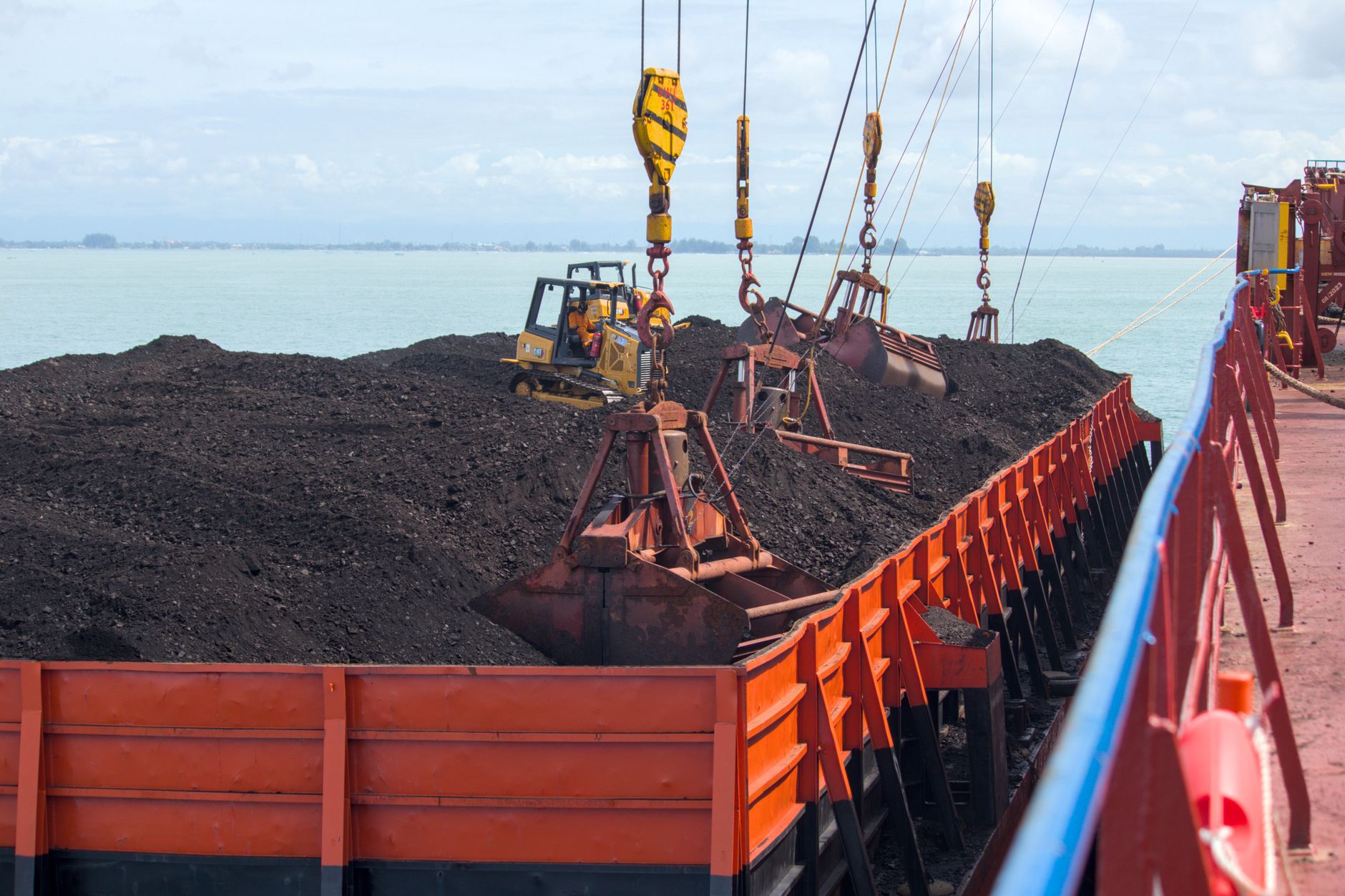
Congestion은 Santos에만 국한되지 않으며, 2026년은 강력한 경고를 전달했습니다. 2026년 6월 브라질 최대 냉동 컨테이너 터미널인 Paranaguá의 운영자는 급증하는 수요와 경쟁 항구의 혼란으로 인해 평균 선박 대기 시간이 약 3.5시간에서 거의 48시간으로 늘어나는 "퍼펙트 스톰"을 설명했으며, 이로 인해 CMA CGM는 컨테이너당 150달러의 혼잡 추가 요금을 부과했습니다. 이러한 갑작스러운 운영 위기는 이제 예측 가능한 수확 시즌 피크와 함께 계획 위험으로 자리잡고 있으며, 이들은 슬롯을 조기에 예약하고 예기치 않은 추가 요금에 대비할 것을 주장합니다.
Relief is coming through new capacity, though not overnight. 2026년에 예정된 컨세션 경매에는 산토스 항구의 STS-10 터미널이 포함되어 있으며, 이는 항구의 용량을 약 50% 증가시킬 수 있습니다. 또한 상 세바스티앙 항구에 새로운 농산물 수출 허브가 조성됩니다. 서쪽으로 향하는 새로운 옵션도 그만큼 중요합니다: 브라질은 공식적으로 브라질-볼리비아-태평양 통합 프로그램을 시작했으며, 이는 칠레와 페루 항구를 통한 회랑으로 아시아까지의 배송 시간을 15일로 단축하고 혼잡한 대서양 관문을 덜 의존하게 할 수 있습니다.
화물에 적합한 포트 선택하기
For high-value, time-sensitive goods, the private terminals in Santos are often the better choice despite higher costs. They offer faster turnaround times and better security. For bulk commodities like soybeans and iron ore, the specialized terminals in Suape and Paranaguá are more efficient. These ports are designed for large-scale operations and have direct rail connections to major production areas. Shippers should also consider the emerging port of São Sebastião, which is expanding its capacity to handle more containerized cargo and reduce pressure on Santos.
The key to managing port capacity issues is proactive planning. 화주들은 3월과 4월의 콩 수확기와 같은 알려진 성수기 동안 화물을 예약하지 않도록 해야 합니다. 이것이 불가능한 경우, 컨테이너 공간을 미리 확보하고 대체 항구나 경로와 같은 비상 계획을 마련해야 합니다. 터미널 운영업체와 강력한 관계를 가진 화물 운송업체와 협력하는 것도 지연을 완화하는 데 도움이 될 수 있습니다. 이러한 파트너들은 종종 고객을 위해 우선적인 대우를 확보할 수 있어 화물이 신속하게 적재되고 통관되도록 보장합니다.
수출 흐름의 변화: 아시아와 아프리카의 부상
The traditional dominance of the US and European markets in Brazilian exports is being challenged by the rapid growth of demand in Asia and Africa. China remains Brazil’s largest trading partner, but other Asian economies, such as India, Vietnam, and South Korea, are becoming increasingly important. These markets are driving demand for Brazilian beef, poultry, orange juice, and minerals. The shift toward Asia requires shippers to adapt to longer transit times and different regulatory environments.
Africa는 브라질 수출의 또 다른 신흥 시장이며, 특히 농업 및 산업 부문에 있습니다. 나이지리아, 케냐, 남아프리카공화국과 같은 국가들은 브라질 상품에 대한 수요가 증가하는 성장하는 경제입니다. 그러나 아프리카로의 물류는 복잡하며, 직접적인 해운 서비스가 제한적이고 항만 운영이 비효율적인 경우가 많습니다. 화물 업체는 더 긴 리드 타임과 잠재적인 지연에 대비해야 합니다. 이러한 국가에서 관세 절차를 원활히 진행하고 원활한 배송을 보장하기 위해서는 현지 대리인과 강력한 관계를 구축하는 것이 필수적입니다.
새로운 시장의 물류적 도전 과제
Shipping to Asia and Africa presents unique logistical challenges. The longer transit times require more robust inventory management and demand forecasting. Shippers must also be aware of the different regulatory requirements in these markets, such as phytosanitary certificates for agricultural products and specific labeling requirements for consumer goods. The use of digital tools, such as AI-driven demand forecasting and blockchain-based documentation, can help mitigate these challenges by providing greater visibility and control over the supply chain.
Another critical factor is the 반환 화물의 가용성입니다. 아시아에서 브라질로 도착하는 많은 선박들이 비어 있으며, 이는 수출 화물 운임이 더 높아질 수 있습니다. 화주들은 아시아에서 기계류나 소비재를 수입하면서 상품들을 수출하는 것과 같은 화물 흐름을 균형 있게 맞추는 기회를 찾아야 합니다. 이는 비용을 절감하고 공급망의 전반적인 효율성을 향상시키는 데 도움이 될 수 있습니다. 이러한 신흥 시장에서 강력한 네트워크를 가진 화물 운송업체와 협력하는 것도 경쟁력 있는 운임 확보와 신뢰할 수 있는 서비스 제공에 중요합니다.
디지털화 및 화물 관리에서의 기술
The adoption of digital technologies is no longer a luxury but a necessity for Brazilian shippers in 2026. The complexity of global trade, with its myriad of regulations, tariffs, and logistical challenges, requires real-time visibility and data-driven decision-making. Digital platforms that integrate freight forwarding, customs brokerage, and warehouse management are becoming the standard for efficient logistics operations. These platforms provide shippers with a single view of their supply chain, from origin to destination.
블록체인 기술은 브라질 화물 운송 부문에서도 주목받고 있습니다. 이는 선하증권 및 원산지 증명서와 같은 무역 서류를 안전하고 투명하게 관리할 수 있는 방법을 제공합니다. 이로 인해 사기 위험이 줄어들고 통관 절차가 빨라집니다. 여러 주요 브라질 항구와 물류 회사가 이미 블록체인 솔루션을 도입했으며, 더 많은 업체가 이를 따를 것으로 예상됩니다. 화주들은 이러한 기술을 투자하는 파트너를 찾아야 합니다. 이들은 현대 무역의 복잡성을 처리하는 데 더 잘 준비되어 있을 것입니다.
Integration은 인프라 수준에서도 진행되고 있습니다. 2026년 7월, DP World와 MRS Logística는 브라질에서 항만 운영을 철도와 연결하는 복합 운송 회랑을 출범시켜, 기술과 물리적 물류가 결합되어 처리량을 높이고 배출량을 줄이는 방법을 보여주었습니다. 이는 화주들이 파트너를 선택할 때 이제 찾아야 할 통합 역량의 한 예입니다.
AI와 예측 분석
Artificial intelligence (AI) and predictive analytics are transforming how shippers manage their logistics. AI algorithms can analyze vast amounts of data to predict demand, optimize routes, and identify potential bottlenecks. For example, AI can predict port congestion based on historical data and current weather conditions, allowing shippers to adjust their plans in advance. Predictive analytics can also help shippers optimize their inventory levels, reducing holding costs and improving cash flow.
IoT(사물인터넷) 기기의 사용은 화물 부문에서도 증가하고 있습니다. 이러한 기기들, 예를 들어 GPS 추적기와 온도 센서는 화물의 위치와 상태에 대한 실시간 가시성을 제공합니다. 이는 과일과 채소와 같은 부패하기 쉬운 상품에 특히 중요하며, 엄격한 온도 관리가 필요합니다. 화물 업체는 IoT 기반 포장 및 추적 시스템에 투자하여 화물의 품질과 안전을 보장해야 합니다. 이는 부패 위험을 줄일 뿐만 아니라 더 큰 투명성을 제공함으로써 고객 만족도를 높입니다.
자주 묻는 질문
2026년 미국 관세가 브라질 강철 수출에 미친 구체적인 영향은 무엇입니까? PRECODE1ENDCODE
Steel과 aluminum이 초기 목표였지만, 2026년의 더 큰 개발은 기본적으로 모든 브라질 상품에 대한 25%의 Section 301 관세가 제안된 것으로, 2026년 7월 15일경 결정이 가능하며, 강제 노동 조사 하에 추가로 12.5%가 부과되어 일부 관세가 37.5%까지 올라갈 수 있습니다. 수출업체들은 EU와 아시아로 다양화하고 있으며, 일부는 USMCA 혜택을 받기 위해 최종 가공을 멕시코로 옮겼지만, 그 경로에는 이제 자체적인 transshipment 및 원산지 규칙 심사가 따릅니다.
어느 브라질 항구가 현재 가장 혼잡이 적은가요?
The port of Itajaí in Santa Catarina는 현재 Santos에 비해 혼잡 수준이 낮습니다. Itajaí는 자동화에 많은 투자를 했고, 더 효율적인 트럭 회전 시스템을 갖추고 있습니다. 그러나 Santos보다 컨테이너 용량이 적어 모든 유형의 화물에 적합하지 않을 수 있습니다. 화주들은 항구를 선택하기 전에 자신들의 특정 요구 사항을 평가해야 합니다.
산토스에서 주요 아시아 허브까지의 평균 환적 시간은 어떻게 되나요? PRECODE0ENDCODE
Transit times from Santos to Shanghai는 일반적으로 35~40일이며, 싱가포르로 가는 경로는 약 30~35일 정도 소요됩니다. 이러한 시간은 기상 조건, 항만 혼잡 상황 및 사용된 특정 선사에 따라 달라질 수 있습니다. 화주들은 이러한 긴 리드 타임을 고려하여 재고 관리 전략을 적절히 조정해야 합니다.
브라질에서 항만 파업의 위험을 완화하기 위해 화주들은 어떻게 할 수 있나요?
Shippers는 여러 항구 옵션을 다양화하고 여러 화물 운송업체와의 강력한 관계를 유지함으로써 항구 파업의 위험을 완화할 수 있습니다. 대체 경로나 임시 보관 시설과 같은 비상 계획을 마련하는 것도 권장됩니다. 노사 협상을 모니터링하고 잠재적인 파업 조치에 대해 정보를 유지하면 shippers가 혼란을 예상하고 대비하는 데 도움이 될 수 있습니다.
브라질 물류에서 블록체인 기술이 널리 채택되고 있나요?
Blockchain 채택은 증가하고 있지만 아직 보편화되지 않았습니다. Santos와 Itajaí와 같은 주요 항만과 대형 물류 회사들은 문서 관리를 위해 blockchain 솔루션을 도입하고 있습니다. 그러나 소규모 업체들은 여전히 전통적인 종이 기반 프로세스에 의존할 수 있습니다. 화주들은 파트너의 디지털 역량을 문의하고 blockchain 및 기타 첨단 기술에 투자하는 업체를 우선시해야 합니다.
최종 팁
The Brazilian freight landscape in 2026 is defined by volatility and opportunity. Shippers who can adapt to changing tariff regimes, navigate port bottlenecks, and leverage digital technologies will gain a significant competitive advantage. The key is to remain flexible and proactive. Do not rely on a single port or destination. Diversify your supply chain, build strong relationships with multiple logistics partners, and invest in digital tools that provide real-time visibility.
하나의 구체적인 실행 가능한 팁은 물류 팀 내에 "관세 모니터링 대시보드"를 구축하고, 2026년 7월 중순을 엄격한 체크포인트로 간주하는 것입니다: 7월 15일경 예상되는 섹션 301 결정 사항을 추적하고, 귀사의 제품이 제안된 제외 품목(소고기, 커피, 오렌지 주스, 희토류)에 해당하는지 확인하며, 관세가 37.5%까지 누적되는 하방 리스크를 모델링하세요. 이를 태평양 회랑을 통한 새로운 경로 다변화 — 칠레와 페루를 경유하는 아시아행 화물에 대한 평가 — 와 병행하고, 파라나과에서 6월에 발생한 것과 같은 갑작스러운 항만 추가 비용을 예산에 반영하세요. 이러한 변화에 앞서 대응하면 경쟁사보다 먼저 조정할 수 있으며, 마진과 회복력을 모두 보호할 수 있습니다.