



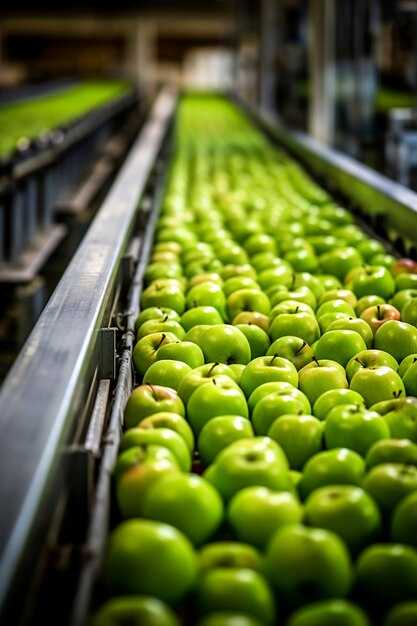
Adopt this hub model now to cut time and increase reliability for Peruvian perishables, delivering increased safety and better cargo handling around a unified platform that connects inland processes to america markets and beyond, providing end-to-end visibility.
Maersk blends packing, cold storage, and cargo management in a single building, creating a tight expertise loop with the local company’s team. The hub uses cargonet routing, real-time temperature control, and cross-docking to reduce handling steps. Exporters can expect faster clearances at port of entry by coordinating with Maersk's on-site specialists in the field.
Initial capacity includes 2,400 pallets and 4,500 cubic meters of temperature-controlled space, enabling a rise in perus growers' exports and expanding options for pallets into america markets. Real-time sensors monitor humidity and temperature to protect perishables and reduce waste, with safety standards built into every step.
To realize these gains, exporters should align with Maersk's expertise, pre-pack at origin under temperature controls, and schedule inland transportation that matches port windows. Adopt standard packaging guidelines to minimize damage, implement remote sensing, and designate a single point of contact for end-to-end visibility across the supply chain, supported by the company’s global network.
Adopting this model helps building a stronger grip on the value chain for perishables exported from Peru. With time saved, cargo arrives in prime condition, and a streamlined inland transportation network supports expanded cargo flows into america and around the region, providing increased reliability and traceability at every step.
Practical breakdown of hub features, export impact, and risk management
Recommendation: Build a modular hub with three core capabilities: temperature‑controlled containers, an online end‑to‑end tracking format, and customs‑ready workflows to move produce efficiently toward global markets. Start with a 6‑bay cold zone, scale to 18 bays within 12 months, and link with inland trucking to extend reach. Use standardized data formats for every shipment to minimize customs checks and delays.
The hub blends these features: integrated cold storage and packing lines with packaging designed for fragile fruit; each container maintains strict temperature bands and relies on energy‑efficient chillers. A single online platform links vessel schedules, inland transport, and customs status in one format, giving visibility from dock to market. Standardized labeling accelerates clearance and supports major markets for produce and, where needed, pharmaceutical logistics. Data loggers in containers capture temperature, humidity, and door events, enabling sustainability improvements and rapid responses to anomalies.
Export impact: Peru’s fruit exports connect with market demand in the US, EU, and Asia via a transparent chain. The consolidated data flow reduces dwell times in port and on inland legs, improving timely delivery. Expect up to 20–30% faster turn times on shipments that adopt the hub’s format and packaging standards, with spoilage risk dropping by 2–5% due to tighter temperature control. Volume growth of 10–25% per season is plausible as buyers gain confidence in consistency. Sustainability gains come from energy‑efficient cooling and packaging that minimize waste. This approach makes every shipment more predictable for businesses and strengthens Peru’s position in the global fruit market.
Risk management: The plan rests on four pillars–temperature integrity, energy resilience, process alignment, and continuous improvement. Equip each container with data loggers and threshold alerts; build redundancy in cooling and power to prevent excursions. Map inland routes and establish backup vessels to keep shipments moving during port congestion. Redesign packaging and palletization to minimize damage and speed unloading at destination ports. Maintain customs readiness with pre‑verified documents and a live dashboard for operators and brokers. Ensure insurance covers spoilage and temperature excursions, and run quarterly drills with forwarders to keep customs clearance timely. This approach supports move between hubs and markets even when disruptions occur.
Implementation roadmap: Phase 1 (0–3 months)–finalize facility layout, select inland partners, install data loggers, and establish the online data exchange format. Phase 2 (4–6 months)–launch a pilot in a key inland corridor with 4–6 containers, validate temperature controls, and refine packaging. Phase 3 (7–12 months)–scale to additional routes and bays, implement a redesign of packaging where needed, and extend coverage to 12–18 bays. Track KPIs: on‑time delivery, spoilage rate, energy use per pallet, and customs clearance time, then adjust operations to sustain growth across the global market.
Hub components: integrated packing lines, cold storage capacity, and real-time monitoring
Recommendation: implement three integrated packing lines within a single dedicated building near the cold storage zone to streamline the flow from receiving to outbound distribution. This setup extends throughput, reduces handling, and lowers shrink by aligning packing, labeling, and sealing in one continuous operation. Assign edwin as the dedicated manager to oversee lifecycle planning, device maintenance, and theft controls, and ensure figures from the first quarter feed into continuous improvement efforts.
-
Integrated packing lines
Designed for high‑range fruit varieties, the lines combine conveyors, robotic pickers, automated sealing, and labeling in a modular configuration. The setup includes four dedicated lines that can operate in parallel or be reconfigured quickly for different packaging formats, enabling a major reduction in touchpoints and faster handoffs to the distribution area. The challenge of changeovers drops to a target of under 15 minutes per format, while overall line uptime stays above high 95%. In benchmarking moves, similar facilities in texas have shown that standardized line modules shorten building time by 20% and improve yield by 12%. Use devices and trackers on each line to track throughput, packaging quality, and line health in real time, and keep the lifecycle data in a single, accessible record.
-
Cold storage capacity
The hub stores up to 25,000 pallets across near 10,000 m³ of refrigerated space, with distinct zones at 0–4°C for berries and tropicals, and 8–12°C for sensitive temperate fruit. The modular design allows expansion by adding 5,000‑to‑8,000 pallet blocks within the same footprint, extending capacity during peak seasons without new buildings. Each zone uses independent door interlocks and demand‑based ventilation to protect product quality while keeping energy use high but efficient. Figures show a 9–12% improvement in fruit shelf life when the cold chain remains within target ranges, thanks to tighter control and reduced door openings. Security devices, cameras, and access controls help deter theft and provide a clear audit trail for every batch.
-
Real-time monitoring
IoT sensors, temperature and humidity trackers, and door‑state devices feed into a cloud‑edge dashboard that can be accessed by the manager and building engineers. Real‑time alerts notify staff within seconds of any deviation, enabling immediate corrective actions. The monitoring suite supports end‑to‑end visibility: from dock receipt to palletized load, every move is traceable, with lifecycle metrics used to optimize maintenance cycles, energy use, and cleanliness. In the first quarter, the system demonstrated 98% temperature stability across all cold rooms and 93% line uptime, with actionable alerts averaging under 45 seconds for critical events. The data supports a move toward proactive maintenance and continuous improvements, and the dedicated analytics layer helps the company extend the useful life of assets and reduce waste. Trackers also help limit theft risk by confirming product location at all times and flagging any unexpected moves.
Together, these components form an integrated hub that accelerates distribution, improves product quality, and provides a clear governance trail. The approach emphasizes near real‑time decision making, a lifecycle‑driven maintenance plan, and innovations in packaging and storage systems that keep the operation moving smoothly “where” the fruit travels from harvest to market.
Effect on export timelines and fruit quality preservation for Peru's growers
Recommendation: will reduce export timelines by 2–5 days for key Peruvian fruit lanes by implementing an end-to-end cold-chain anchored in the integrated packing and cold storage hub, offering online visibility, container routing optimization, and depot-based staging.
Within this setup, fruit quality preservation relies on best packaging, energy-efficient refrigeration, and strict monitoring of temperature, humidity, and oxygen inside containers. Real-time alerts within the systems allow the manager to intervene before any spoilage, protecting flavor, texture, and the content of the produce.
South coast growers and businesses will gain from end-to-end solutions that align with field needs: produce stays fresh from depot to market, reducing waste and lifting margins. The online dashboard provides a content view for shipments, packaging integrity, and energy usage, helping managers coordinate transport and packaging decisions in real time.
Additionally, the hub accelerates near-market delivery by consolidating loads in the south and through alternative depots, ensuring produce arrives within optimal windows and with minimal stress to the fruit.
Security and theft risk mitigation: measures, insurance, and incident response

Implement a layered security protocol spanning access control, inventory verification, and cold-chain monitoring to reduce theft risk from day one. Begin with a redesign of storage zones to minimize blind corners and consolidate high-value items near monitored gateways. Align fresh and long cold-chain areas with dedicated entry points; update the facilitys layout to support rapid checks during receiving and dispatch in the cold chain. This approach keeps full visibility across logistics chains and strengthens accountability from origin to markets.
Physical security hinges on perimeter fencing, adequate lighting, and tamper-resistant devices on doors and gates. Install cameras with analytics, integrate alarms with a central monitoring hub, and ensure a clear escalation path. Maintain electronic logs and audit trails for all movements, supported by secure access credentials and one-time codes where appropriate. Perimeter checks often involve a cross-functional team, which allows faster detection and response during peak shipments. This might require initial investment, but the payoff is clear, and it likely deters opportunistic theft.
Inventory and process controls enforce integrity of the cold chain. Use dual custody for high-value pallets, enforce two-person verification at handover, and perform regular cycle counts with real-time reconciliation against the ERP. Apply tamper-evident seals on containers and maintain a full chain of custody log for each shipment to deter diversion and theft. These controls support a transparent flow from transportation to storage and back into markets, reducing risk across the years of operation.
Insurance strategies should combine cargo insurance plus warehouse liability and business interruption coverage. Work with a broker to tailor inland transit, ocean, or air cargo policies to fresh and cold storage needs, and require coverage for theft, unexplained losses, and supply-chain disruption. Document policy limits, deductibles, and claim procedures; ensure the источник of risk data–access logs, incident history, and loss trends–helps insurers tailor coverage and pricing. Review terms annually to reflect shifting markets, corridors, and carrier choices, such as routes toward Texas or West Coast markets.
Establish an incident response plan with defined roles: security manager, operations team lead, IT liaison, and communications officer. Create a rapid step process: detect, verify, contain, recover, and report. Pre-load contact lists for internal teams and external partners, including local authorities and insurers, and store them in both digital and offline formats. Practice quarterly drills and after-action reviews to sharpen response times and prevent recurrence. Preserve forensic-ready data–logs, device images, and tamper evidence trails–and ensure data retention aligns with regulatory standards. Update the plan as facilitys layout, cooling, or transportation routes change, so the team remains prepared to act in minutes, not hours. The team can continue to evolve with expertise from the broader network and keep defenses current across markets and seasons.
Training and culture are essential to sustained success. The team should train regularly on stowage diversion, device tampering, and incident reporting. Use practical checklists, clear dashboards, and mobile support tools to keep the logistics team aligned during fresh campaigns and long peaks. Cross-train staff across west and Texas corridors to ensure the manager and team can cover for each other during disruptions, maintaining continuity and reducing losses, while fostering more expertise across the network.
Technology investments reinforce physical controls. Deploy cooling and temperature monitoring devices, door sensors, and tamper-detection tools integrated with the transport management system. Ensure offline logging capability to preserve data during outages and enable rapid reconstruction of events. A centralized security operations capability can continue monitoring feeds during high-volume harvests, delivering real-time alerts to the manager and team and supporting the broader supply chain across markets, often with greater resilience and reduced downtime.
Cost structure, financing options, and ROI for suppliers and exporters
Lock in a multi-year storage and packing agreement there to stabilize costs and guarantee capacity. This approach shifts volatile opex into predictable cash flows, helping reach annual targets faster and strengthening your team’s grip on margins.
Cost structure: capex covers cold-storage equipment, packaging lines, and temperature control; opex includes energy, refrigerants, maintenance, labor, and software. The integrated hub reduces handling steps, delivering case-level savings and improving traceability across the supply chain. Emissions fall as efficiency improves and load planning tightens, supporting sustainability goals and enhancing reporting for providers and customers alike.
Financing options: work with financing providers to secure equipment leasing, working-capital facilities, and trade finance such as letters of credit. Offers can be milestone-based, keeping cash flow aligned with throughput and shipments. peter, the director of a regional bank, notes that near-port operations improve repayment certainty and reduce the risk of straining working capital.
ROI and case metrics: calculate ROI with payback period, IRR, and NPV over 3–5 years. In a typical mid-sized hub, savings from reduced spoilage and faster dispatch can lift ROI into the mid-20s percent. If ordered volumes rise 10–15% and capacity utilization moves from 75% to 90%, the payback can fall to about 2–3 years, while enhanced traceability enables premium pricing in select case-by-case scenarios. There, tangible improvements in reliability and performance strengthen supplier relationships and boost stakeholder confidence.
Implementation and risks: align ordered volumes with capacity and set KPIs around traceability, emissions, on-time delivery, and throughput. Use the hub’s systems to monitor real-time performance and empower the team with clear governance. Innovation from the director-led project team helps address strain during peak season, while ongoing communication with ports and shipping providers ensures smooth flows and predictable costs for partners and customers alike.
Cross-border compliance, documentation, and end-to-end traceability
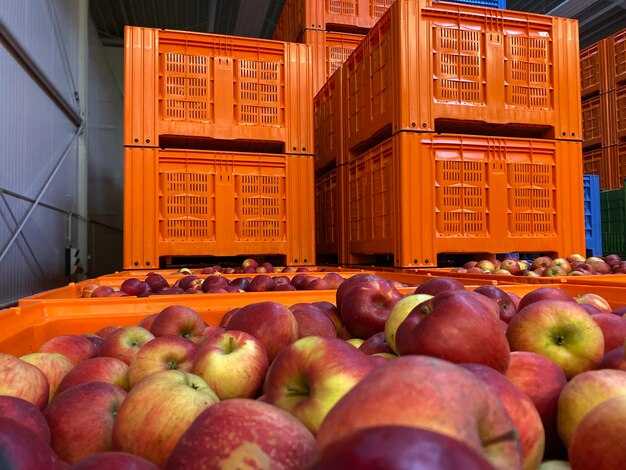
Adopt a standardized digital documentation workflow across borders to cut customs clearance times by up to 40% within six months, using a dedicated platform that all partners can access. This simplifies the exchange of essential papers, reduces rework, and provides real-time visibility into each shipment’s status.
Link every document to a unique product lineage and enable end-to-end traceability with trackers that cover origin, loading, ocean legs, and last-mile handoff. This lets businesses easily trace shipments and verify compliance across stages, including cooling data for perishable products and the content value of each record.
Maintain clear, pre-validated templates for common origins and destinations, including HS codes, tariff numbers, and origin criteria. Align data fields across partners so some documents are auto-filled, reducing errors and rejections. Aiming to minimize manual entry, the workflow should support long-running international routes and rapid approvals.
Adopt interoperable data standards and secure APIs to exchange information with customs authorities, carriers, and forwarders. The result is rapid data flow from ordered confirmations to final delivery, enabling robust audits and better risk management.
Improve sustainability by optimizing load plans and reducing paper use; ensure temperature and custody data are captured for cooling shipments. This supports compliance audits and demonstrates best practices in transportation and cold chain management.
Assign dedicated compliance coordinators in each region to monitor regulatory changes, maintain documentation quality, and respond to exceptions within hours. This clarity helps reach new markets and maintain trust with customers and regulators.
Action steps: establish a single data model for products (including each item in a bundled order), enable digital signatures where permissible, onboard all trading partners to the platform, run quarterly audits, and publish quarterly reports showing progress toward faster clearance and higher traceability scores. This approach supports ocean shipments and rapid cross-border movement, and it scales with long-term growth.