


 Nederlands
  English (UK)
  Русский
  العربية
  日本語
日本語  한국어
한국어  Magyar
  Türkçe
  Español
  Čeština
  Svenska
  Português
  Ελληνικά
  Suomi
Suomi  Română
  Italiano
  Français
  Polski
  Українська
  Deutsch
  简体中文
简体中文  Slovenčina
 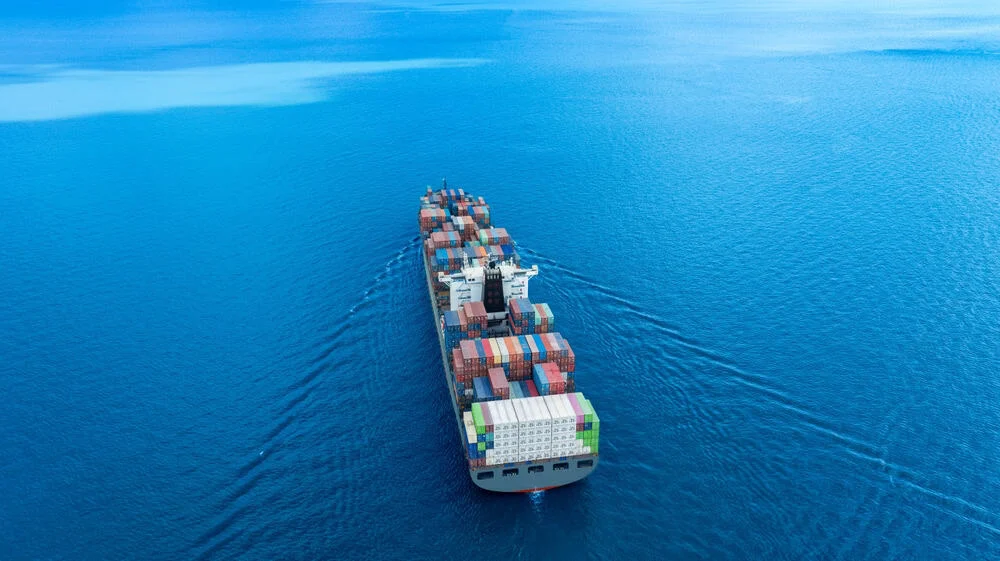 Wat 2026 in petto heeft voor Amerikaanse exporteurs in een veranderende scheepvaartmarkt">

Understanding the Shipping Market Outlook for 2026
The years leading to 2026 promise a mixed bag of opportunities and hurdles for exporters, especially those in the U.S. While the global shipping fleet is projected to expand significantly, containerized trade volumes are growing at a much slower pace. This imbalance signals a potential surplus in shipping capacity that could influence freight dynamics worldwide.
Global Fleet Growth vs. Trade Volume: The Imbalance
Between 2024 and 2026, estimates show global container ship fleet size increasing by anywhere from 13% to 16%. Meanwhile, global containerized trade is anticipated to creep up only between 3% and 5%. This asymmetry implies that shipping companies will have more vessels than cargo demand justifies, setting the stage for fierce competition and possible rate reductions. For exporters, this could mean better availability but also volatility in freight pricing.
2025: A Preview of Challenges and Market Reactions
The year prior to 2026 sheds light on the complexities U.S. exporters face. Congestion at key global transshipment hubs caused by port bottlenecks posed serious challenges. Major nodes such as Cartagena, Kingston, and Antwerp saw significant delays, putting pressure on supply chains.
| Transit Hub | Status in 2025 | Impact |
|---|---|---|
| Cartagena | Improved congestion post-Gemini alliance | Smoother transshipment times for some trade lanes |
| Antwerpen | Ongoing congestion | Delays and increased costs |
| Tangier | Persistent issues | Operational bottlenecks remained |
Interestingly, despite these choke points, ocean freight rates did not uniformly spike as one might expect. Tariff disputes and uncertainty kept carriers cautious. Some were eager to fill their ships and held back rate hikes, while others increased fees. This created a patchwork of freight rates varying by 20% to 40% across carriers and routes.
How Tariffs and Capacity Decisions Shape Freight Costs
Tariffs, particularly those still unsettled, cast a long shadow over 2025. Their lingering uncertainty kept exporters and carriers guessing. As a result, shippers were caught between waiting for better rates and the risk of delays forcing them to pay premiums to secure space. Carriers, balancing between excess capacity and congestion, sometimes cut available sailings, tightening supply and nudging rates upward for those transit lanes.
The Suez Canal Factor: A Delicate Balance
The Suez Canal, a vital artery for global trade, continued to see restricted transit volumes throughout 2025. Recent ceasefire announcements and peace talks brought cautious optimism, but the situation remained fluid.
If the canal returns to full capacity like pre-crisis days, the initial surge in ship traffic could worsen congestion at Mediterranean hubs, creating the logistical equivalent of a “perfect storm” with vessels waiting off ports for clearance. Over the long haul, however, reopening the canal fully would free up over 1 million TEUs (twenty-foot equivalent units) in capacity. More available space on shipping lanes generally results in downward pressure on freight rates worldwide.
Capacity Surplus and Freight Rate Dynamics
It’s a bit of a chess game—too many vessels can mean aggressive rate competition, squeezing carriers’ margins. But congestion can restrict sailing schedules, creating bottlenecks that drive prices back up in certain corridors. Exporters should expect freight rates in 2026 to remain subject to these push-and-pull forces.
The Real Picture for U.S. Exporters in 2026
Several factors, including tariffs, port congestion, and global geopolitical flashpoints, will influence the freight environment. U.S. exporters must remain nimble, balancing between seeking competitive freight rates and ensuring reliable delivery schedules. Long-term planning and building relationships with dependable carriers will be key.
Key Factors to Monitor
- Tariff Developments: Any shifts can instantly affect freight pricing and demand.
- Congestie in de haven: Persistent hub delays will impact shipment timing and costs.
- Suez Canal Status: Changes in transit access influence global routing and freight capacity.
Wat dit betekent voor logistiek en toeleveringsketens
The anticipated surplus in shipping capacity combined with existing congestion challenges means that exporters and logistics planners must sharpen their strategies. Predictability is harder to come by when carriers juggle between filling ships and managing congested ports. Forward-thinking shippers will invest in flexible logistics solutions and alternative routing when possible.
This evolving landscape underscores the importance of versatile platforms like GetTransport.com, which offer access to affordable, global cargo transportation options. Whether relocating offices or homes, moving vehicles, or shipping bulky cargo and pallets, GetTransport.com connects shippers with reliable freight services worldwide. Its capacity to adapt to the fluctuating market and provide cost-efficient alternatives is a real asset in such a fluid environment.
Summary of Shipping Market Anticipations
| Aspect | Expected Trend |
|---|---|
| Global Fleet Growth | 13%-16% increase (2024-2026) |
| Container Trade Growth | 3%-5% increase (2024-2026) |
| Freight Rates | Variable with regional congestion and tariff influence |
| Suez Canal Traffic | Restricted but hopeful for full reopening |
| Congestie in de haven | Mixed improvements; some hubs remain congested |
Personal Experience Still Reigns Supreme
No matter how insightful reviews or market analysis might be, they can’t substitute for firsthand experience. Each shipment tells its story. Luckily, with platforms like GetTransport.com you can tap into a broad spectrum of carriers offering competitive prices globally, without diving into unnecessary costs or holding your breath on delivery reliability. Transparency, convenience, and variety in services empower shippers to make well-informed decisions that fit their timeline and budget.
Get ahead of tomorrow’s logistics challenges by leveraging these advantages. Book your freight at the best prices with GetTransport.com vandaag!
Wrapping Up: What Freight Forwarders and Exporters Should Keep in Mind
Looking ahead to 2026, it seems a shipper’s market may emerge, but with a healthy dose of reality to keep expectations grounded. Cargo carriers will be navigating between excess capacity and persistent choke points like port congestion and tariffs. The Suez Canal’s status remains a critical variable that could swing global freight rates and routing options.
For exporters, particularly those in the U.S., the key is staying flexible and informed to capitalize on lower rates without being derailed by delays. Utilizing platforms such as GetTransport.com can simplify cargo shipments, offering excellent options for international freight forwarding, haulage, and distribution needs. Whether you’re handling pallet shipments, bulky goods, or full container loads, a reliable logistics partner ensures your freight moves efficiently and affordably across borders.
In the grand scheme of global logistics, adapting to these evolving market trends will make a substantial difference. The right tools and services streamline shipping operations, reduce costs, and help maintain a competitive edge. Here’s to smoother deliveries and smarter freight planning ahead!