


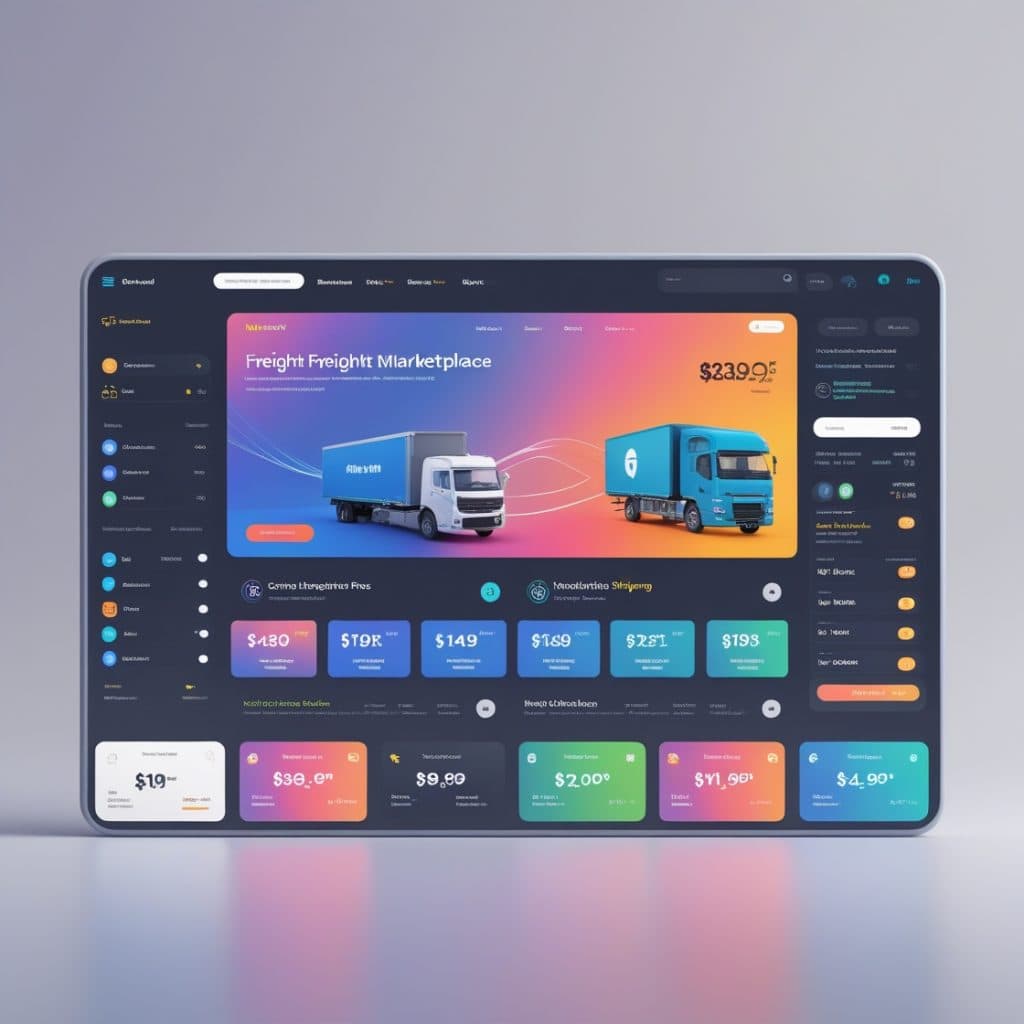
Running freight for small and mid-sized businesses is a constant balancing act. You need affordable freight for small business budgets, but you also can't afford the service failures that come with cutting corners. When we arrange cross-border loads for SMBs at GetTransport, we see the same pattern repeatedly: smaller shippers pay more per unit, wait longer for quotes, and spend disproportionate staff time on tasks that larger shippers handle automatically. That gap has narrowed considerably in 2025, thanks to freight automation software, digital freight management platforms, and cargo booking automation technology that brings genuine freight price transparency within reach of businesses that ship a few pallets a week. This article covers the best freight marketplace options available to SMBs right now, and how freight rate comparison tools translate into real freight cost reduction.
Why SMBs Need Freight Marketplaces and Rate Comparison Tools
SMBs face structural disadvantages in logistics that no amount of hustle fully fixes on its own:
- Reduced bargaining power compared to high-volume shippers
- Small shipment quantities that push per-unit costs up
- A need for flexible, scalable SMB cargo transport solutions that grow with the business
- Pressure to hold down e-commerce shipping rates while carrier costs keep shifting
Freight marketplaces and rate comparison platforms address these disadvantages directly by offering:
- Access to a broad pool of carriers and service options in one place
- Real-time pricing and freight cost calculator tools
- Automated freight booking and freight tendering platforms
- Better visibility for ongoing shipping cost optimization
With these tools in place, SMBs can search for the best shipping rates their business requires, cut manual workload, and build supply chain resilience without needing a dedicated logistics team.
Key Features to Look for in a Freight Marketplace for SMBs
Not every platform serves small shippers equally well. In our experience coordinating carriers across multiple modes, the features that matter most for SMBs are straightforward to identify once you know what to look for.
1. Freight Price Transparency
Transparent pricing lets SMBs compare quotes without hunting for hidden charges. Look for platforms that spell out base freight rates, fuel surcharges, and accessorial fees before you commit — not after.
2. Automated Freight Booking
Automation cuts the risk of manual errors and speeds up the booking cycle. Instant carrier confirmation and electronic documentation mean fewer phone calls and less back-and-forth chasing paperwork.
3. Freight Rate Comparison Tools
Useful comparison tools let you filter by shipment size, transport mode (sea, road, air), and delivery window. That combination lets a business weigh cost against speed for each individual shipment rather than applying a one-size-fits-all approach.
4. Freight Cost Calculator
A reliable calculator allows SMBs to estimate shipping costs upfront using weight, volume, distance, and service level. Getting that figure before committing to a sale price makes a real difference to margin planning.
5. Freight Tendering Platform
For SMBs shipping regularly, tendering platforms let multiple carriers bid on freight contracts. The competitive dynamic that creates is one of the most practical freight rate negotiation tools available to a smaller shipper.
6. Integration with Existing Business Systems
A freight platform that connects with your warehouse management, inventory, or ERP system eliminates double-entry and keeps data consistent across the operation.
Best Freight Marketplaces for SMBs in 2025
Below is a working list of platforms that SMBs are actively using this year. Each has a different emphasis, so the right fit depends on your shipping profile.
1. GetTransport
GetTransport is built around the small business logistics use case, with freight automation software and cargo booking automation at its core. Key strengths include:
- A straightforward interface for real-time freight tendering
- A detailed freight cost calculator for accurate budgeting before booking
- Clear freight price transparency with no buried fees
- Scalable tools designed specifically for SMB shipping volumes
When we work with SMB clients who are moving freight for the first time through a digital platform, the feedback we hear most often is that the quoting process is faster and less intimidating than dealing directly with carriers by phone or email.
2. Freightos
One of the earlier digital freight marketplaces to gain traction, Freightos offers:
- A wide carrier network for comparing low-cost cargo transport options
- Instant rate comparisons and real-time booking across providers
- Shipment tracking and shipping cost optimization tools
- Multi-mode support covering air, ocean, and truckload
3. Flexport
Flexport pairs freight forwarding with a digital management layer, which gives it some depth that pure marketplaces lack:
- End-to-end shipment visibility with analytics
- Automated document processing and customs clearance support
- Rates that benefit from aggregated shipping volume across its client base
- Tools oriented toward digital freight management for growing businesses
4. Shipwell
Shipwell operates as a cloud-based small business shipping platform with:
- An integrated carrier network with affordable shipping rates for SMBs
- Freight and tendering automation built into the workflow
- Real-time tracking and shipment notifications
- Data analysis tools for identifying ongoing freight cost savings
How SMBs Can Use Freight Rate Comparison to Cut Costs
Getting value from a freight rate comparison platform takes a bit of deliberate strategy. The tactics that consistently work in practice include:
- Consolidate shipments: Bundling smaller loads reduces the per-unit freight cost meaningfully.
- Stay flexible on delivery timing: Slower transit options are typically priced lower, and not every shipment is time-critical.
- Use automated freight booking: Speed and accuracy together reduce costly mistakes and delays that eat into savings.
- Run regular tenders: Putting lanes out for competitive bidding on a routine basis keeps contract rates from drifting upward unchecked.
- Negotiate with price data in hand: Transparent quotes from multiple carriers give you a factual basis for asking an incumbent carrier for better terms.
- Use freight cost calculators early: Building shipping cost estimates into your pricing before confirming a sale prevents margin surprises later.
The World Bank Logistics Performance Index has consistently highlighted price transparency as one of the factors that most benefits smaller shippers in competitive freight markets — and that observation holds up in day-to-day practice.
What Freight Automation Software Actually Does for SMBs
Automation is not a luxury for small shippers — at current freight volumes and carrier complexity, it is closer to a basic operational requirement. The practical benefits break down as follows:
- Reduces manual workload: Staff time moves away from data entry and toward tasks that require judgment
- Speeds up freight booking: Instant quotes and confirmations replace hours of phone and email exchanges
- Improves accuracy: Automated data handling removes the transcription errors that cause costly shipment exceptions
- Delivers real-time visibility: Live tracking and cost data replace end-of-month surprises
- Supports growth: A business can handle higher shipment volumes without adding headcount proportionally
Platforms like GetTransport are built to deliver these benefits in a format that does not require an IT team or a logistics department to implement. FreightWaves has documented the broader industry shift toward automation adoption among smaller shippers, and what we see at the operator level confirms that direction.
Putting It Together
SMBs in 2025 have genuinely good options for improving their freight operations, and the gap between what large shippers can access and what smaller businesses can access has closed considerably. Platforms built around freight price transparency, automated freight booking, and shipping cost optimization give small businesses the tools they need to compete on logistics without needing the volume of a large enterprise. GetTransport and the other platforms covered here each offer a different angle on that problem — the right choice depends on your shipping lanes, your volumes, and how much integration you need with existing systems. The common thread is that using any of them systematically produces real freight cost savings and frees up operational capacity for work that actually grows the business.
FAQ
What freight marketplace works best for small businesses?
GetTransport, Freightos, Flexport, and Shipwell are all well-regarded options that offer low-cost, automated, and transparent shipping tools tailored to SMB needs. The best fit depends on your primary shipping modes and how much platform integration your operation requires.
How can SMBs effectively reduce freight costs?
Freight rate comparison tools, shipment consolidation, booking automation, and regular use of freight tendering platforms are all practical methods that produce measurable freight cost savings over time.
What is freight tendering and why does it matter?
Freight tendering is the process of inviting carriers to bid on shipping contracts. It creates competitive pricing and gives SMBs a structured way to negotiate better rates based on transparency and carrier competition rather than guesswork.
How does freight automation software benefit small businesses?
Automation handles booking, documentation, and tracking with less manual input, which reduces errors and processing time. The result is faster shipments, lower administrative costs, and staff capacity freed up for higher-value work.