


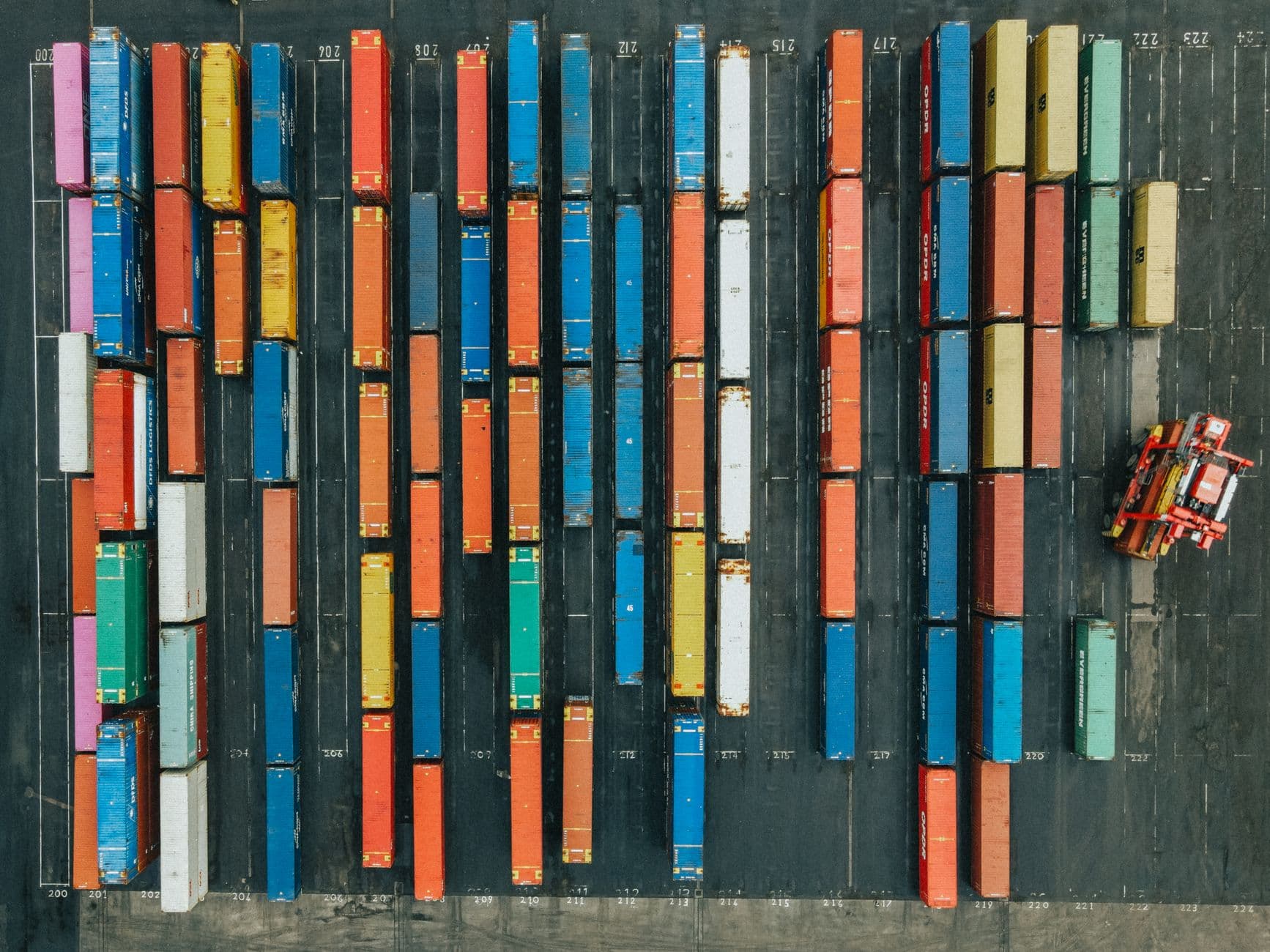

As I write this in mid-July 2026, the busiest conversation in our operations room at GetTransport.com is Jeddah. Jeddah Islamic Port, on Saudi Arabia's Red Sea coast, has become the defining logistics story of the Gulf this summer, and not for a good reason. The port is jammed and the yards sit close to full, with trucks backing up for kilometres outside the gates. We move a steady flow of client cargo into Saudi Arabia and onward across the region, so when a hub this important starts to seize up, we feel it on almost every booking that touches the Gulf. The knock-on effect reaches far past one terminal, because so much cargo bound for the UAE, Oman, Qatar, Kuwait and Bahrain now travels overland from Jeddah rather than sailing straight to its own door. In this guide I will explain how the congestion built up, what it looks like on the ground right now, which alternative gateways we lean on when Jeddah stalls, and the practical playbook we run with clients so a delayed box does not turn into a broken promise.
How the Gulf land bridge seized up
The trouble did not start at Jeddah. It started at the water. Earlier in 2026, uncertainty over the Strait of Hormuz pushed shippers and carriers to look for a way around the chokepoint, and the option many of them reached for was the Gulf land bridge: bring the box into Jeddah on the Red Sea, then truck it across Saudi Arabia to reach the eastern Gulf states. We covered the maritime side of that story in our Strait of Hormuz shipping guide, which is the root-cause piece for anyone who wants to understand why the water route felt too risky in the first place. Here I am focused on what happened next, on land.
The land bridge made sense as an emergency valve. The problem is that the volume did not fall back once the pressure eased. A ceasefire took some of the heat out of the original Hormuz worry, yet the redirected cargo kept climbing anyway, because forwarders had already rebuilt their routings and shippers liked the predictability of a road leg over a contested strait. Jeddah was never designed to absorb that much extra traffic on top of its own busy regional trade, and by early summer the maths simply stopped working.
What the congestion looks like right now
By the time the Cooperative Logistics Network published its forwarder guide on 13 July 2026, the picture had turned ugly. Terminal yard utilisation at Jeddah had reached around 90%, which for anyone who runs a container yard is the point where fluidity collapses and every move starts blocking the next one. Productivity had fallen by an estimated 20% to 25%, so the port was doing less work with more boxes sitting inside it. The Loadstar captured the mood in its "cargo chaos in the Gulf" coverage, and the figures we hear from brokers match it: container release times stretching out to as much as eight weeks.
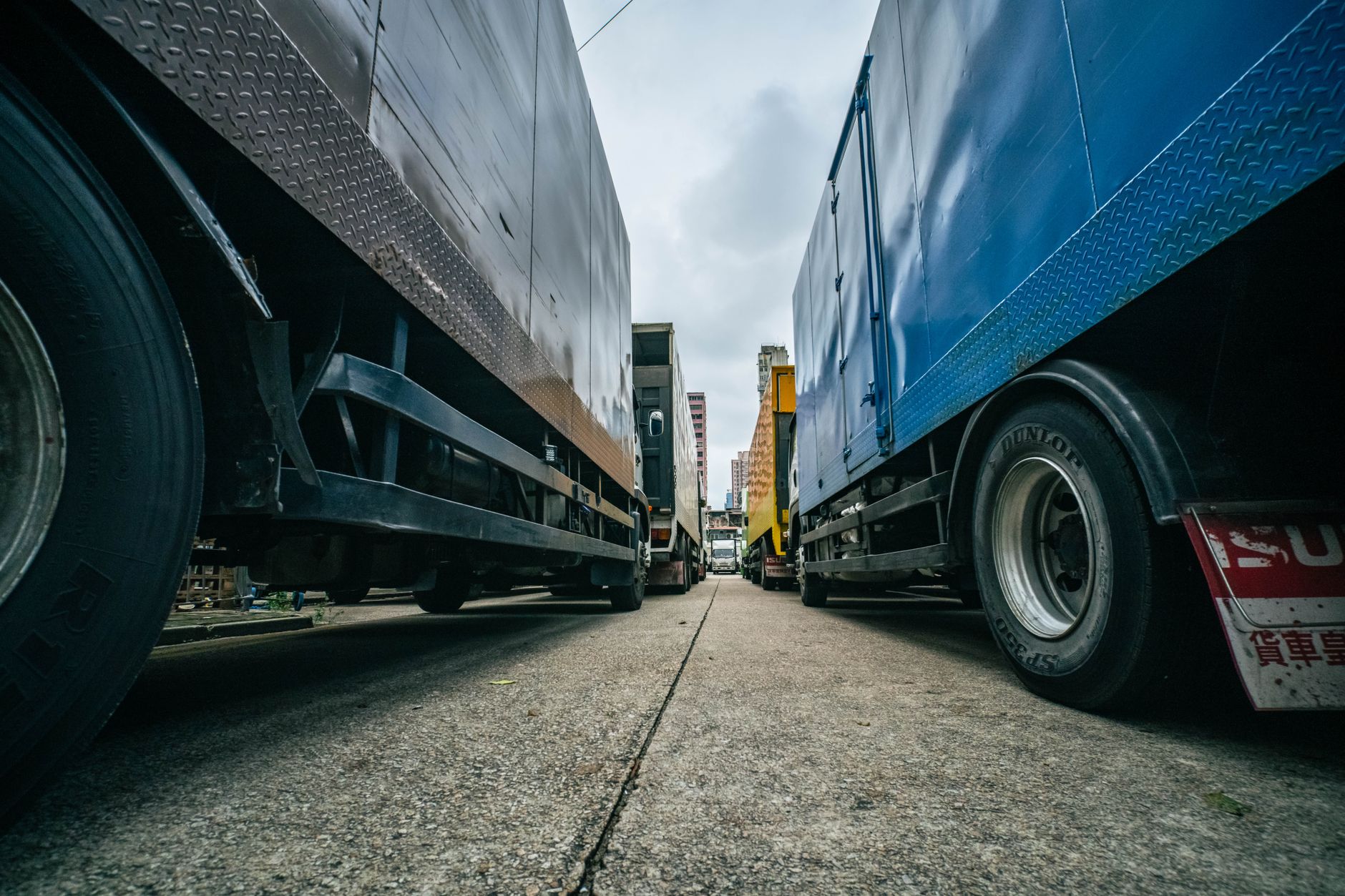
The worst of it shows up at the gate. Truck queues of roughly 5 km have formed outside the port, and some vehicles have waited up to three days just to get through the gate and turn a single box around. Kuehne+Nagel flagged the disruption in a myKN advisory, which is usually a reliable signal that a hub has moved from merely slow to plan around it. Carriers took defensive steps of their own: Hapag-Lloyd suspended its cross-border trucking service routed through Jeddah, and Maersk shifted boxes through Khor Fakkan to sidestep the hub. When a driver burns three days on a single turn, the cost does not stay at the port. It ripples into detention charges and missed delivery windows, and it leaves equipment stranded far from where the next booking needs it.
There is a more hopeful signal underneath all of that. The mid-July 2026 market read noted that container release cycles were becoming more predictable, which points to a gradual normalization rather than a clean fix. The delays have not gone away, but they are turning into something you can plan around, and that distinction changes how we schedule rather than whether we still worry. One pressure point has also shifted inland. Even once a box clears the port, the road leg stays expensive, partly because there is little backhaul cargo coming out of Saudi Arabia's Eastern Province, so trucks often run loaded one way and empty the other and price that imbalance in.
The reroute options we lean on
When a hub seizes up, the first lever we pull is not to wait it out. It is to ask which cargo truly needs Jeddah and which can enter the Gulf somewhere else. For eastbound cargo whose final home is the UAE or Oman, we look hard at Fujairah and Salalah, both of which sit outside the Red Sea bottleneck and can take a call without the Saudi road leg at all. Khor Fakkan on the UAE east coast has become another workaround, the same one Maersk leaned on, and for UAE-bound boxes we also weigh Khalifa Port in Abu Dhabi as a direct gateway. None of these is a magic switch, because slots and local haulage still have to line up, but moving even part of a client's volume off Jeddah takes pressure off the whole plan.
The table below is the rough comparison we walk clients through when we are deciding where a shipment should actually land.
| Gateway | Best suited to | What it avoids | Watch-out |
| Jeddah Islamic Port (Red Sea) | Western Saudi cargo and land-bridge transit | Little right now | Around 90% yard use and release waits of up to eight weeks |
| Fujairah (UAE) | UAE and Oman east-coast cargo | The Red Sea leg and the Saudi road haul | Slots tighten as more cargo reroutes |
| Salalah (Oman) | Oman cargo and Gulf transhipment | Red Sea and Jeddah gate queues | Feeder timing onward to the final port |
| Khor Fakkan (UAE) | Transhipment away from the Red Sea | The Jeddah gate queue and the Saudi road leg | Onward feeder and haulage capacity |
| Khalifa Port (Abu Dhabi) | UAE-bound direct calls | Jeddah's three-day gate wait | Booking lead time and inland haulage to the door |
The forwarder playbook we run with clients
Rerouting only covers the cargo we can move. For everything that still has to travel through Jeddah, the job is to plan honestly and communicate early. The single biggest mistake I see is a forwarder quoting a normal transit time in July 2026 as if the port were behaving normally. It is not, and a client who is promised a date we cannot hit will remember that far longer than a realistic buffer that we explained up front.
The tactic is now shifting from simply budgeting the worst case to dynamic planning. Because release times are becoming more predictable, we update estimated arrival dates continuously as the port data moves and keep clients briefed in near real time, which turns the emerging predictability into a service advantage rather than a guessing game. We still build the delay into the plan from the first quote. We budget for dwell times of 16 days or more at Jeddah, we tell clients to expect container release windows of six to eight weeks on the affected lanes, and then we work backwards from their real deadline. Here is the checklist we are running right now.
- Budget dwell of 16 days or more and release delays of six to eight weeks into every Jeddah timeline from the first quote, not as an apology after the fact.
- Move UAE and Oman cargo to Fujairah, Salalah or Khor Fakkan where the routing allows, and price the alternative early before slots tighten.
- Consider Khalifa Port as a UAE gateway when Jeddah's gate queues threaten the delivery date.
- Budget for the inland leg separately, because thin backhaul out of the Eastern Province keeps Saudi trucking rates high even after a box clears the port.
- Update ETAs dynamically as release cycles firm up, and keep clients informed rather than waiting for them to chase you.
- Check that cargo cover still fits the risk. A stalled or rerouted high-value shipment is exactly when gaps surface, and our cargo war risk insurance guide walks through what a policy should include when a region turns volatile.
When Jeddah gets its breathing room back
The honest answer on timing is that nobody should promise a clean date, though the mid-July signs of normalization are real. On the current diplomatic trajectory, the earliest realistic window for meaningful relief at Jeddah is the third quarter of 2026, and even that assumes volume keeps drifting back toward normal routings rather than spiking again on the next scare. We plan against Q3 2026 as an outer edge rather than a guarantee, and we keep the reroute options live until the yard numbers actually come down.
It helps to separate the acute problem from the long-term one. The congestion we are living through is a short-term capacity crunch sitting on top of a diverted route. The durable fix is infrastructure, and Saudi Arabia's answer to that is a proper rail land bridge, which we covered in our Saudi rail land bridge guide. That is the long-term story about moving boxes on steel rather than rubber, and it will not clear this July's queues. For 2026 the relief has to come from diplomacy easing the reroute pressure and from forwarders spreading load across other Gulf gateways, not from track that is still being built.
Frequently asked questions
How bad is the congestion at Jeddah right now?
As of mid-July 2026 it is severe, though showing early signs of normalization. Terminal yard utilisation has reached around 90% and productivity has fallen by an estimated 20% to 25%. Truck queues of roughly 5 km have built up outside the gates, with some drivers waiting up to three days for a single turn, and brokers report container release times stretching to as much as eight weeks on the worst lanes. The one positive is that release cycles have started to become more predictable.
Should I reroute my cargo away from Jeddah, and where to?
It depends on the final destination and on slot availability. For UAE and Oman cargo we look first at Fujairah, Salalah and Khor Fakkan, which sit outside the Red Sea bottleneck, and we weigh Khalifa Port in Abu Dhabi for UAE-bound direct calls. Rerouting is not free, because feeder timing and inland haulage still have to line up, but shifting even part of the volume takes pressure off the whole booking.
How much delay should I build into a client timeline?
On lanes that still run through Jeddah we budget for dwell times of 16 days or more and container release windows of six to eight weeks, then we work backwards from the client's real deadline. As release cycles grow more predictable we update those estimates dynamically. We plan against the third quarter of 2026 as the earliest realistic point for meaningful relief, so any date sooner than that is a hope rather than a commitment.
Is this the same thing as the Saudi rail land bridge?
No. This is an acute port-congestion crisis caused by cargo diverting overland after the Strait of Hormuz scare, and it is being managed booking by booking. The Saudi rail land bridge is the long-term infrastructure answer that will move freight across the country by rail over the coming years. It matters a great deal for the future, yet it will not clear the queues sitting outside Jeddah this summer.