


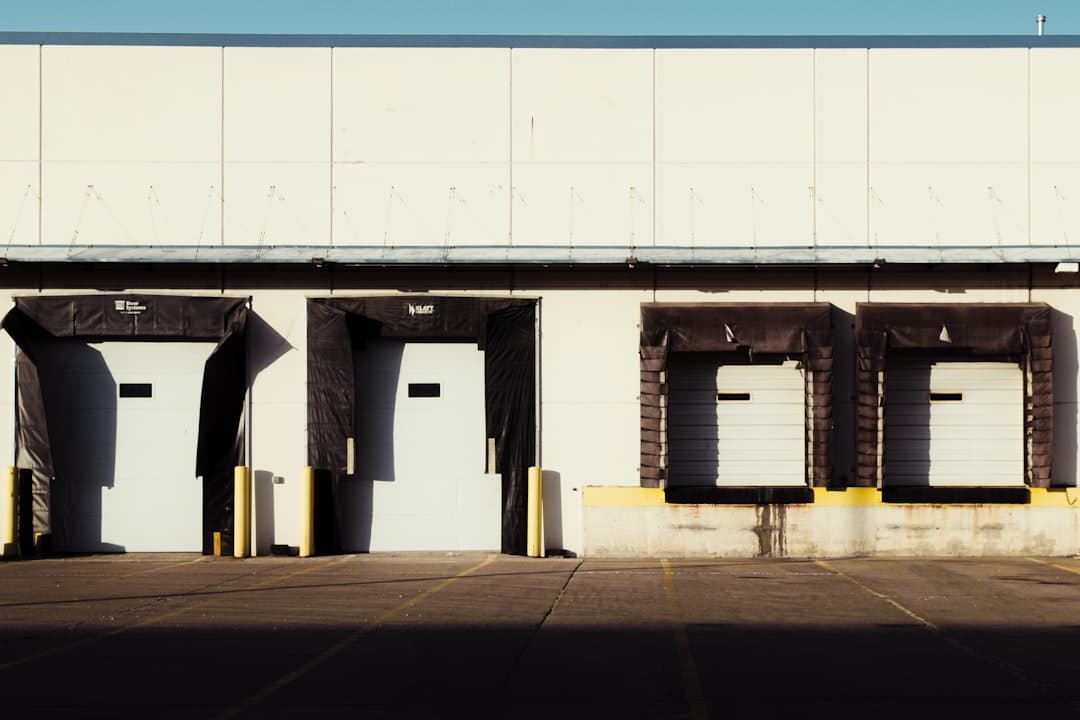

The biggest warehouse in the world is a title that falls apart the moment you ask what "biggest" means. Measure floor area and one building wins. Measure cubic volume and a different one wins by a mile. Measure how much cargo actually moves through the doors, the only number that matters to a shipper, and neither of them leads. At GetTransport.com we place inventory in distribution centres and route freight through them, so we have learned to treat the size of a warehouse as almost the least interesting thing about it. Here is the 2026 picture of the world's largest warehouses and industrial buildings, with figures from the operators and standard references, and why size and throughput are not the same story.
The ranking, by size
The table below uses operator figures and standard building references. Note the last column, because these giants each lead on a different measure, and a couple of them are really factories rather than warehouses at all.
| Building | Location / type | Size | Leads on |
|---|---|---|---|
| Boeing Everett Factory | Washington, USA (aircraft assembly) | 4.3M sq ft floor; 472M cu ft | Volume (largest building on earth by volume) |
| Tesla Giga Texas | Austin, USA (factory) | over 10M sq ft floor space | Total floor area |
| Tesla Gigafactory Nevada | Nevada, USA (factory) | about 5.3M sq ft | Footprint |
| Amazon Ontario FC | California, USA (fulfilment) | about 4.5M sq ft, 6 storeys | Multi-storey fulfilment |
| Amazon Mount Juliet FC | Tennessee, USA (fulfilment) | about 3.6M sq ft, 5 storeys | Multi-storey fulfilment |
| VW Wolfsburg (Hall 1B) | Germany (car plant warehouse) | about 3.2M sq ft | Single-hall storage |
The first thing to notice is that the two largest are assembly plants, not warehouses. Boeing's Everett factory is the largest building on earth by volume, and Tesla's Texas plant leads on floor area, but neither is a distribution centre. The largest buildings built specifically to store and ship goods are the multi-storey fulfilment centres lower down the table, and that gap between "biggest building" and "biggest warehouse" is worth keeping straight. These figures are also moving targets, since Tesla's Texas plant is expanding by several million more square feet for new production lines, so the ranking is a snapshot rather than a settled order.
Boeing Everett, biggest by volume, but not a warehouse
The Boeing Everett Factory covers about 4.3 million square feet of floor, sits on roughly 98.3 acres of ground, and encloses about 472 million cubic feet, which makes it the largest building in the world by volume. The volume is the point, because it is a single vast space tall enough to build wide-body aircraft under one roof. That is a very different design from a warehouse, where the value comes from racking, aisles and dock doors rather than from open height for an aeroplane.
We mention it because it shows how misleading a single size number can be. A building can be the largest on the planet by volume and be almost useless as a distribution centre, because storing and moving pallets is about how a space is fitted out and connected to transport, not about how much air it encloses.
The multi-storey shift
The warehouses actually built to move goods are increasingly going vertical. Amazon's fulfilment centre in Ontario, California runs to about 4.5 million square feet across six storeys, and its Mount Juliet, Tennessee site reaches about 3.6 million square feet over five. Their footprint on the ground is smaller than a sprawling single-level shed, but stacking floors lets an operator put far more usable space near a city where land is scarce and expensive.
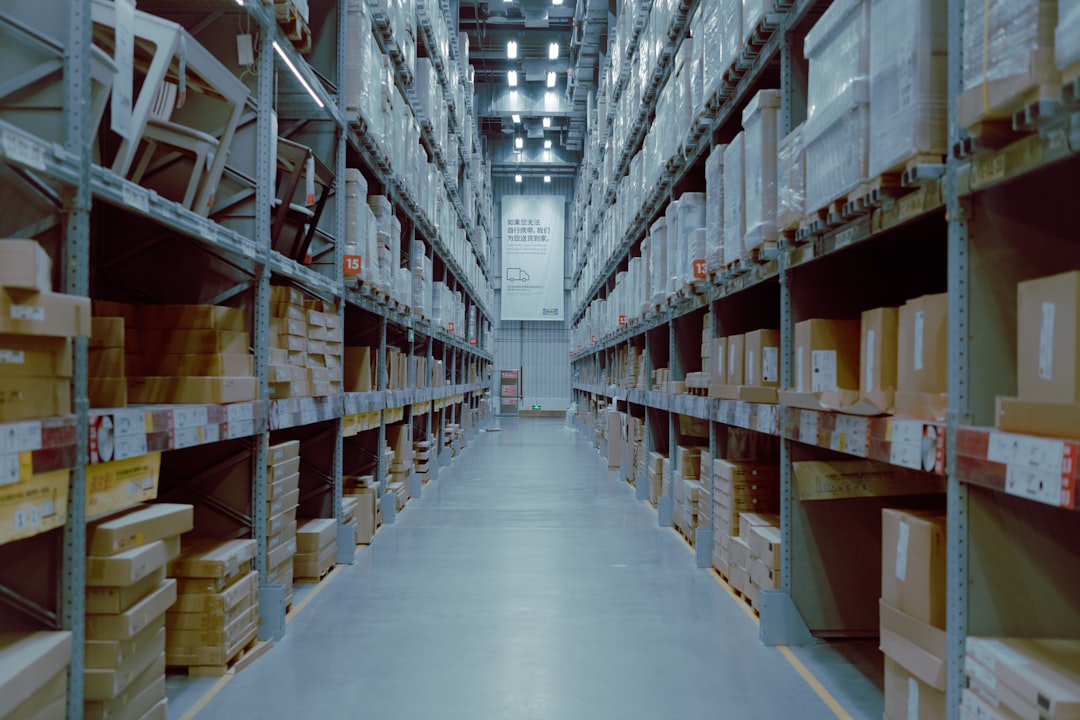
For a shipper this trend matters more than any record. Multi-storey fulfilment near population centres shortens the last leg to the customer, which is where delivery speed and cost are won or lost. When we help a client think about where to hold stock, proximity and floor layout beat raw footprint, and a stacked urban centre often serves demand better than a larger warehouse an hour further out.
Footprint tells yet another version of the story. By ground area, the Royal FloraHolland flower auction at Aalsmeer in the Netherlands is among the largest buildings on earth, on the order of 500,000 square metres across the whole auction complex, which is not to be confused with the far smaller exhibition halls sometimes quoted for its trade shows. Unlike the aircraft plants at the top of the table, it is a working distribution hub, auctioning and dispatching tens of millions of flowers a day through a building sized around speed of turnover rather than long-term storage. It is the clearest example of a giant building measured by what flows through it rather than by what it can hold.
Size versus throughput
Here is the number the ranking never shows. Throughput, the volume of goods a warehouse actually receives, picks, packs and ships in a day, is what determines its value to a supply chain, and it does not track floor area. A smaller centre with dense automation, plenty of dock doors and a well-designed pick path can out-ship a much larger building that relies on manual handling and long internal travel distances.
This is why we never judge a distribution centre by its size on a site plan. We ask how many orders it turns a day, how fast it can flow freight from inbound dock to outbound truck, and how well it connects to the road network. A warehouse is a machine for moving goods, and like any machine its output depends on design and connections, the same way a bonded facility earns its keep through duty treatment rather than square footage, as we cover in our bonded warehouse strategy guide.
There is even a dimension the floor-area tables miss entirely: cold storage, measured in refrigerated volume rather than square feet. The Global Cold Chain Alliance put the top 25 temperature-controlled operators at about 7.76 billion cubic feet of capacity in 2026, up roughly 6.3% on the year. For a shipper moving food or pharma, that refrigerated volume decides far more than any headline footprint, because a smaller cold store can be worth more than a vast ambient shed.
What warehouse size means for your inventory
Read as an operating guide rather than a record book, the ranking shapes how we think about where a client holds and moves stock:
- We separate biggest building from biggest warehouse, since the volume champions are assembly plants, not distribution centres.
- We favour multi-storey fulfilment near demand, because proximity to customers shortens the costly last leg more than raw footprint does.
- We judge a centre by throughput, asking how many orders it flows a day rather than how many square feet it covers.
- We weight automation and dock capacity heavily, since a smaller automated site can out-ship a larger manual one.
- We treat road and rail connections as part of the warehouse, because a fast building poorly linked to transport still delivers slowly.
None of this replaces a network study for a specific supply chain. But it explains why the world's biggest warehouse is rarely the one you would want to run your freight through, and why the responsive design behind a fast supply chain matters more than scale, a theme we trace in our breakdown of the Zara and Inditex supply chain.
Frequently asked questions
What is the biggest warehouse in the world in 2026?
It depends on the measure. The Boeing Everett Factory is the largest building on earth by volume at about 472 million cubic feet and 4.3 million square feet, but it is an aircraft plant, not a warehouse. Among purpose-built storage and fulfilment buildings, Amazon's multi-storey centres, such as the roughly 4.5 million square foot, six-storey Ontario site in California, are among the largest.
Why are the biggest warehouses going multi-storey?
Because stacking floors puts far more usable space on a small footprint near cities where land is scarce and costly. Amazon's Ontario centre reaches about 4.5 million square feet across six storeys and Mount Juliet about 3.6 million over five, keeping large capacity close to customers and shortening the final delivery leg.
Does a bigger warehouse move more goods?
Not necessarily. Throughput depends on automation, dock capacity, pick-path design and transport links, not on floor area. A smaller, densely automated centre with plenty of dock doors can receive, pick, pack and ship more per day than a much larger building that relies on manual handling and long internal travel distances.