


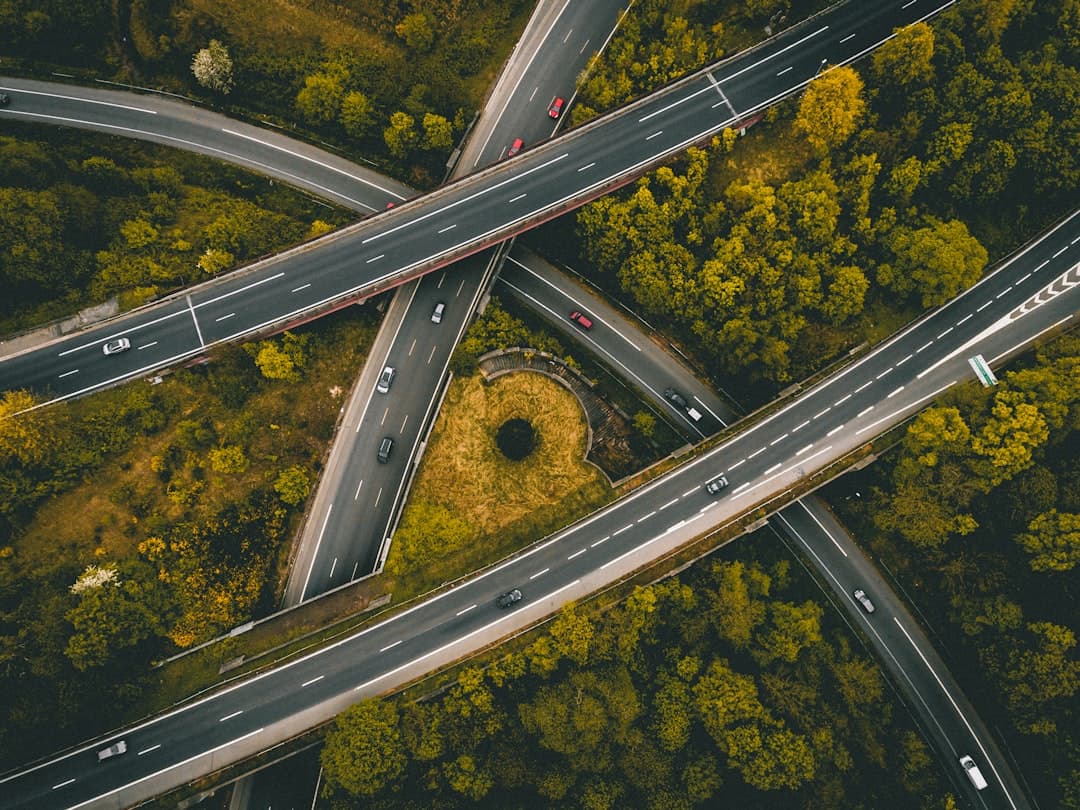

The longest highway in the world is the Pan-American Highway, at roughly 30,000 km from Prudhoe Bay in Alaska to Ushuaia in Argentina, crossing 14 countries. It is not one drivable road: the Darien Gap between Panama and Colombia breaks it, so no truck runs it end to end.
The longest single-country highway is Australia's Highway 1, a loop of about 14,500 km around the continent, and the longest continuous route inside one nation is the Trans-Siberian Highway across Russia at roughly 11,000 km. Lengths here follow Guinness World Records and national road authorities.
People love the idea of the longest highway in the world, but the phrase hides a trap we run into whenever a client imagines running one truck from end to end. The longest road on paper is almost never a single continuous route you can drive without a break. It is either stitched together across many countries with different rules, or it loops around one nation as a network. At GetTransport.com we plan long-haul road moves across exactly these corridors, so we read the ranking not as a driving bucket list but as a map of where a truck can actually keep rolling and where it has to stop, switch, or hand off. Here is the 2026 picture of the world's longest highways, with the numbers from Guinness World Records and national road authorities, and what each really means for freight.
The ranking, by length
The figures below come from Guinness World Records and national highway authorities, compiled in the standard references. Treat the totals as route lengths, not as one uninterrupted lane, because the longest of them cross borders and change character along the way.
| Rank | Highway | Route | Length (per Guinness / authorities) |
|---|---|---|---|
| 1 | Pan-American Highway | Prudhoe Bay, Alaska to Ushuaia, Argentina (14 nations) | about 30,000 km |
| 2 | Highway 1 (Australia) | Continuous loop around the whole continent | about 14,500 km |
| 3 | Trans-Siberian Highway | St Petersburg to Vladivostok, Russia | over 11,000 km |
| 4 | Trans-Canada Highway | Victoria to St John's across Canada | about 7,821 km |
| 5 | US Route 20 | Boston to Newport, Oregon | about 5,415 km |
The Pan-American Highway holds the Guinness record as the longest motorable road, but Australia's Highway 1 is the longest that genuinely circles a single country, and the Trans-Siberian is the longest inside one nation on a straight axis. Each is the longest by a different definition, which is the first thing a shipper should notice before reading anything else into the table.
The Pan-American Highway, longest but not one road
The Pan-American Highway runs roughly 30,000 km from Prudhoe Bay in Alaska down to Ushuaia at the southern tip of Argentina, threading through 14 countries. It is the longest motorable road on earth, and it is also the clearest example of why length alone tells you little about freight. There is a break in it. The Darién Gap, about 106 km of roadless jungle and swamp between Panama and Colombia, splits the route in two, so no truck drives the whole thing. Cargo crossing that point goes by sea or air and rejoins the road on the other side.
Even where the road is continuous, it is not one standard. It shifts between motorway and two-lane blacktop, between countries with very different customs regimes, weight limits and security conditions. We treat the Pan-American not as a single lane but as a chain of national segments, and we plan each border and each change of standard as its own step rather than assuming a truck simply rolls south.
National networks versus single highways
Australia's Highway 1 makes the definitional problem obvious. At about 14,500 km it is the longest national highway in the world, but it is a loop, a ring that circles the entire continent rather than a line from one place to another. It connects every mainland state capital, and for Australian freight it is the backbone that carries road trains between the coastal cities. Its length comes from enclosing a country, not from reaching across one.
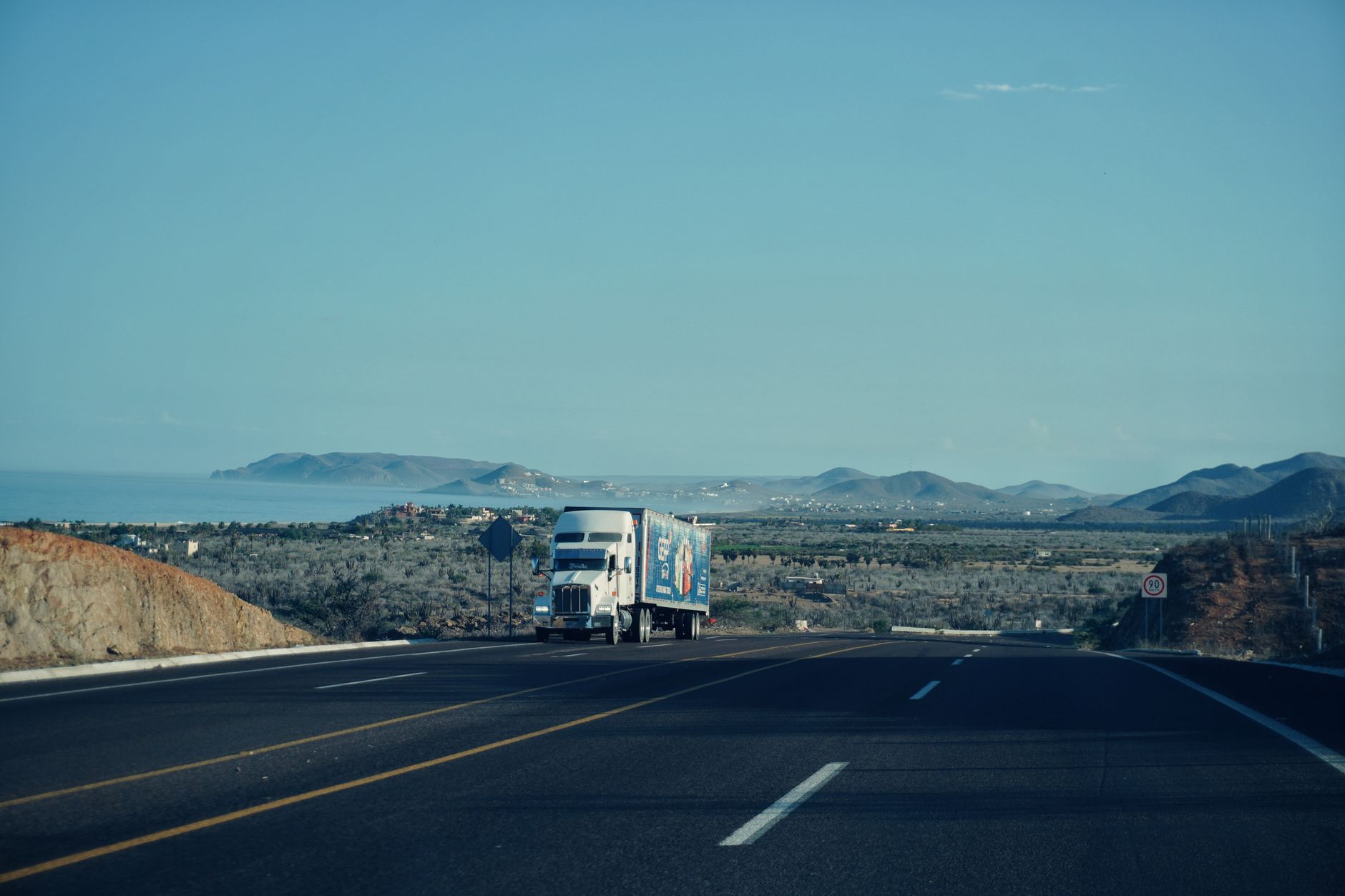
The Trans-Siberian Highway sits at the other end of the idea. Over 11,000 km, it runs on one axis clear across Russia from the Baltic to the Pacific, and it is the practical road spine of Eurasian overland freight on the northern route. Where Highway 1 encloses, the Trans-Siberian traverses. For a shipper the distinction is real money, because a loop gives you many entry and exit points close to demand, while a single traverse is about moving cargo a very long way in one direction, with all the fuel, driver-hours and border planning that implies.
What "longest" actually changes for freight
Once you stop reading the ranking as a driving challenge, it becomes useful. The length of a corridor sets the rough scale of transit time, driver rotations and fuel, but the breaks in it decide the real cost. A border crossing, a change of truck-weight rule, a switch from motorway to single carriageway, or a physical gap like the Darién all add time and handling that raw kilometres never show. We price those transition points, not the distance, because that is where long-haul road freight actually loses days.
This is the same lesson that makes the busiest routes matter more than the longest ones. A shorter corridor with clean borders and consistent standards will beat a longer record-holder for reliable freight almost every time, which is why we read this list next to our note on the busiest highways in the world, where traffic and throughput, not length, tell the operating story.
The corridors that carry the freight
Read as an operating map, the world's longest highways cluster into a few useful patterns for anyone moving cargo by road:
- Continent-crossing chains like the Pan-American are national segments in disguise, so we plan each border and standard change as a separate step rather than one drive.
- National loops like Australia's Highway 1 give many entry and exit points near demand, which suits distribution more than point-to-point haulage.
- Single-axis traverses like the Trans-Siberian are about moving cargo a very long way in one direction, where driver rotations and fuel planning dominate.
- Physical breaks such as the Darién Gap force a mode switch to sea or air, so a road quote across them is really a multimodal quote.
- The longest road is rarely the fastest freight corridor, so we choose by border quality and standard consistency, not by kilometres on a map.
None of this replaces a routed plan for a specific shipment. But it explains why the record-holding highway is often the wrong way to move your cargo, and why the trucks and carriers that run these corridors matter as much as the roads, a point we pick up in our look at the biggest trucking companies in the world.
Frequently asked questions
What is the longest highway in the world in 2026?
The Pan-American Highway is the longest motorable road at about 30,000 km, running from Prudhoe Bay in Alaska to Ushuaia in Argentina across 14 countries, per Guinness World Records. It is not continuous, though, because the roughly 106 km Darién Gap between Panama and Colombia has no road, so no vehicle drives the whole length.
Why is Australia's Highway 1 called the longest national highway?
Because at about 14,500 km it forms a continuous loop around the entire Australian continent, connecting every mainland state capital, which makes it the longest highway contained within a single country. The Pan-American is longer overall but spans many nations rather than one.
What is the largest or biggest highway in the world?
It depends which "biggest" you mean, and the three answers are three different roads. By length it is the Pan-American Highway at about 30,000 km. By width, the usual answer is Texas's Katy Freeway (I-10) west of Houston: 26 lanes at its broadest point near Beltway 8, though that count adds eight frontage lanes and six managed lanes to the 12 main ones, and PolitiFact has pushed back on including frontage roads at all — without them the figure is 13. By traffic it is Ontario's Highway 401 through Toronto, at roughly 450,000 vehicles a day — we rank that measure separately in the top 10 busiest highways in the world.
What is the longest road in the world you can actually drive?
Australia's Highway 1, at about 14,500 km, is the longest route you can drive without leaving a single country or hitting a break in the pavement. The Pan-American is longer on paper but the Darién Gap stops vehicles outright, and the Trans-Siberian Highway at roughly 11,000 km stays inside Russia but changes surface quality substantially along the way.
Does the longest highway make the best freight corridor?
Rarely. Length sets the rough scale of transit time and fuel, but border crossings, changing weight rules, shifts between motorway and single carriageway, and physical breaks like the Darién Gap decide the real cost. A shorter corridor with clean borders and consistent standards usually beats a longer record-holder for reliable freight.