



The largest air cargo airline in the world depends on what you count, and the answer reshapes how a shipper should think about booking air freight. Measure cargo tonne-kilometres, the standard yardstick, and an American integrator leads, followed closely by a Gulf combination carrier and a second integrator. Measure fleet size and the integrators dwarf everyone. Measure international reach and the Gulf carriers pull ahead. At GetTransport.com we book air freight across all of these carriers, so we read the ranking as a guide to which airline fits which shipment, not as a single trophy. Here is the 2026 picture, drawn from the IATA World Air Transport Statistics and the trade rankings, and what each model means for your cargo.
The ranking, by cargo tonne-kilometres
The table below ranks carriers by 2024 cargo tonne-kilometres, the last full comparable ranking, from the IATA WATS report and Air Cargo News. IATA does not publish its airline-level rankings for 2025 until later in 2026, so 2024 stays the last complete set the whole industry can be measured on, and we flag the 2025-26 shifts from carrier reports as they land. Demand across the top 25 carriers rose about 9.4% in 2024 and a further 3.4% across 2025, and the top three held their order into 2025, though the 2026 outlook is more cautious at around 2-3% growth.
| Rank | Airline | 2024 cargo tonne-km | Model |
|---|---|---|---|
| 1 | FedEx Express (USA) | about 18.1 billion | Integrator (own network, parcels) |
| 2 | Qatar Airways Cargo (Qatar) | about 15.2 billion | Combination (freighter plus belly) |
| 3 | UPS Airlines (USA) | about 15.1 billion | Integrator (own network, parcels) |
| 4 | Emirates SkyCargo (UAE) | about 12.35 billion | Combination (freighter plus belly) |
| 5 | Turkish Cargo (Turkey) | about 10.24 billion | Combination (freighter plus belly) |
| 6-10 | Atlas Air, Korean Air, China Southern, Cathay Cargo, Cargolux | per IATA WATS | ACMI charter and combination carriers |
FedEx led globally at roughly 18.1 billion cargo tonne-kilometres, with Qatar Airways Cargo up about 5.6% to 15.2 billion in second and UPS just behind at 15.1 billion. The top of this table mixes two very different kinds of airline, and telling them apart is the key to using it.
FedEx and UPS, the integrators
FedEx and UPS sit at or near the top because they are integrators, airlines that own the whole chain from pickup to delivery, flying their own parcels through their own hub-and-spoke networks. Their scale is enormous not only in cargo tonne-kilometres but in aircraft, with fleets running to hundreds of freighters, far more than any combination carrier operates. That fleet size is why they dominate express and parcel movement, especially inside and across North America. Both also run dense overnight sortation super-hubs, Memphis for FedEx and Louisville for UPS, that let them guarantee next-day delivery across their own networks, and that sortation backbone is a large part of what a shipper pays the express premium for.
For a shipper, the integrator model means predictability. When one company controls the aircraft, the ground handling and the delivery van, a time-critical shipment sits under a single operator rather than being handed between an airline and a forwarder. We reach for the integrators when a client needs door-to-door express with a firm commitment, and we accept that the premium buys that control.
Qatar and Emirates, the combination carriers
Qatar Airways Cargo and Emirates SkyCargo lead a different category. They are combination carriers, moving freight both in dedicated freighters and in the belly holds of their passenger fleets, funnelled through the big Gulf hubs. According to Qatar Airways, the carrier moved more than 1.5 million tonnes of freight in its 2024-25 year, and by 2025-26 it is reported as the world's largest international air cargo carrier at roughly 12% of the global market. Emirates SkyCargo lifted its volumes to about 2.4 million tonnes in 2025-26, up about 2.5%, after adding five Boeing 777 freighters that raised its main-deck capacity by around 13%. Their strength is global reach rather than domestic parcel volume. Much of that growth came from restored passenger belly capacity, per Air Cargo News, as lower-deck space returned to the market after the lean pandemic years and gave the Gulf hubs more room to sell.
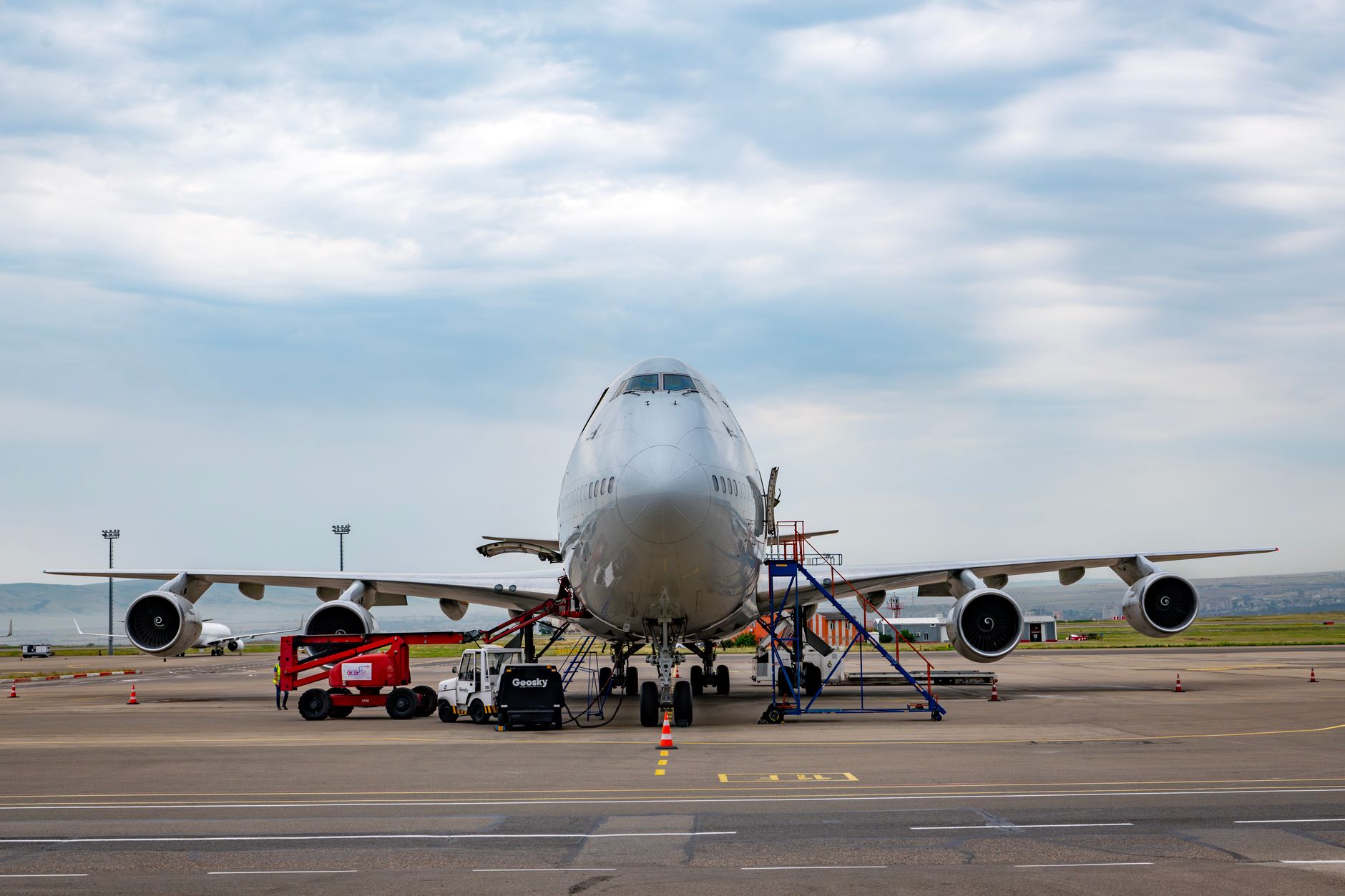
The belly component matters more than shippers expect. A large share of the Gulf carriers' capacity rides beneath passengers, which means it expands and contracts with the passenger schedule. When we book international main-deck freight or oversized pieces, we lean on their freighters, and when we want cost-effective general cargo on a dense route, their belly capacity often wins on price, as long as the passenger network stays full.
Why the largest airline keeps changing
The ranking shifts because the three measures reward different carriers. By cargo tonne-kilometres, FedEx, Qatar and UPS run close at the top. By fleet size, the integrators win outright, since their parcel networks demand hundreds of aircraft. By international reach, the Gulf carriers lead, carrying freight to more countries on more routes. And a carrier like Atlas Air barely fits the same conversation, because it flies on an ACMI basis, leasing aircraft and crews to other airlines and shippers rather than selling its own network. The order can also move from one year to the next as passenger belly capacity recovers and as older freighters retire faster than replacements arrive, so a carrier's rank shifts on capacity swings as much as on any strategy. Turkish Cargo shows how fast that can happen, climbing to report as the third-largest carrier by international market share in 2025, near 6.1%, on the strength of its Istanbul hub.
So there is no single largest air cargo airline, only the largest by each yardstick. We match the measure to the shipment, and it is the same reasoning we apply to the aircraft themselves in our look at the biggest cargo planes and to the gateways they fly through in our guide to the busiest cargo airports.
What airline choice means for your cargo
Read as an operating guide, the ranking shapes which carrier we book for a given shipment:
- For door-to-door express under one operator, we book the integrators, FedEx or UPS, and pay the premium for their control and fleet depth.
- For international main-deck and oversized freight, we favour combination carriers like Qatar and Emirates, which run dedicated freighters through global hubs.
- For cost-sensitive general cargo on dense routes, we use Gulf belly capacity, while planning for the fact that it moves with the passenger schedule.
- For surge or charter needs, we turn to ACMI operators like Atlas Air that lease aircraft and crews rather than selling a network.
- We match the measure to the shipment, since the largest carrier by tonne-kilometres, by fleet, and by reach are often three different airlines.
None of this replaces a live rate and a firm allotment. But it explains why the airline at the top of one chart is the wrong choice for a shipment another carrier is built to move, and why the model behind the badge matters more than the ranking number.
Frequently asked questions
What is the largest air cargo airline in the world in 2026?
By cargo tonne-kilometres, FedEx Express leads, followed by Qatar Airways Cargo and UPS Airlines, an order that held from 2024 into 2025 per IATA World Air Transport Statistics (FedEx around 18.1 billion, Qatar and UPS near 15 billion in 2024). FedEx and UPS also run the largest fleets, while Qatar is reported as the largest international carrier by market share, near 12% in 2025-26.
What is the difference between an integrator and a combination carrier?
An integrator such as FedEx or UPS owns the whole chain from pickup to delivery and flies its own parcels through its own network, which suits door-to-door express. A combination carrier such as Qatar or Emirates moves freight in both dedicated freighters and passenger belly holds through global hubs, which suits international main-deck and general cargo.
Why does belly capacity matter for air freight?
Because a large share of combination carriers' capacity rides in the belly holds of passenger aircraft, so it expands and contracts with the passenger schedule. Belly space is often cheaper for general cargo on dense routes, but it tightens when passenger demand falls, which is why dedicated freighters are more reliable for time-critical or oversized shipments.