
James Miller
نسب الإرث
يجمع هذا الأرشيف تسميات المؤلفين التاريخية. لم يتم التحقق من الهوية والتأليف بموجب عملية التحرير الحالية لدينا.
مقالات
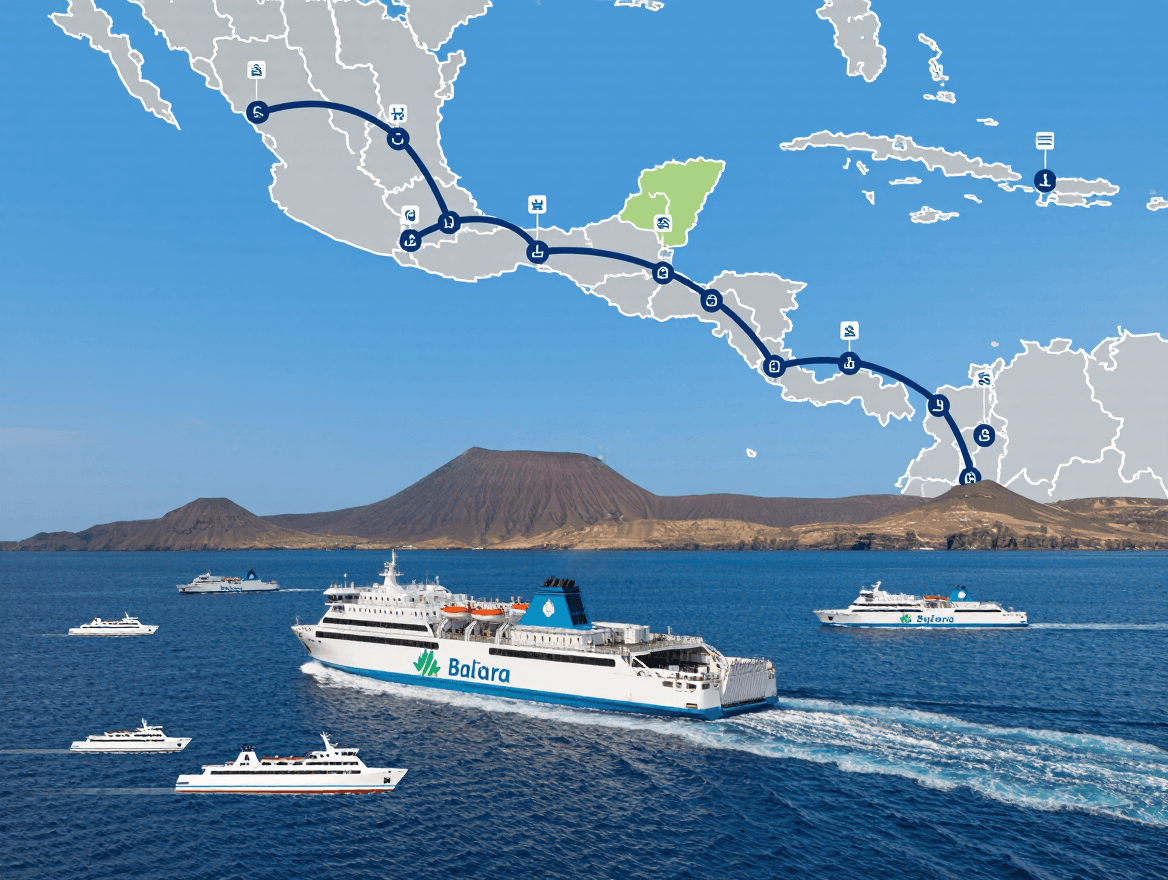
باليريا تحدد خطوطًا بحرية موسعة وتحديثات للأسطول لجزر الكناري
تفحص هذه القطعة عرض شركة Baleària في معرض فيتور، حيث وضعت الشركة خططها لتعزيز الربط البحري مع جزر الكناري، بما في ذلك تجديد الأسطول واقتراح استحواذ استراتيجي.
Prologis predicts U.S. warehouse vacancies will tighten and rents will rise by 2026
This article lays out Prologis' latest view that the U.S. warehouse market is moving from cooling to tightening, with key metrics expected to improve through 2026. Market snapshot: turnaround in warehouse fundamentals Prologis, the San Francisco-based REIT, signaled on its quarterly call that the industrial property cycle has started to shift. Vacancy rates have likely peaked and several indicators — notably net absorption , occupancy and rents — are turning up. If you track freight and distribution trends, that’s the kind of market pivot that makes carriers and warehouse operators sit up and take notes. Key highlights from the quarter The company reported record lease signings in 2025

هولسيم تبدأ أسطولها الخاص بـ 30 شاحنة فولفو FH 500 CV I‑Save من فولفو تراكس
تسليم 30 شاحنة فولفو FH 500 CV I-Save يمثل إطلاق أول أسطول شاحنات خاص لشركة الأسمنت ومواد البناء Holcim في إسبانيا.

Trump Drops Planned EU Tariffs Following NATO Agreement on Greenland
This piece explains the decision by U.S. President Donald Trump to cancel planned tariffs on eight European countries after a NATO-related framework over Greenland emerged, and what that could mean for logistics and international trade. What changed — the headline in plain terms President Donald Trump announced that the 10% tariffs set to begin on February 1 would not be imposed on eight European nations after he and NATO leadership reached a framework for future cooperation over Greenland and the wider Arctic. The move came shortly after the European Union voted to suspend a trade-deal framework with the U.S. that had been negotiated amid earlier tariff threats. Key facts at a glance Item
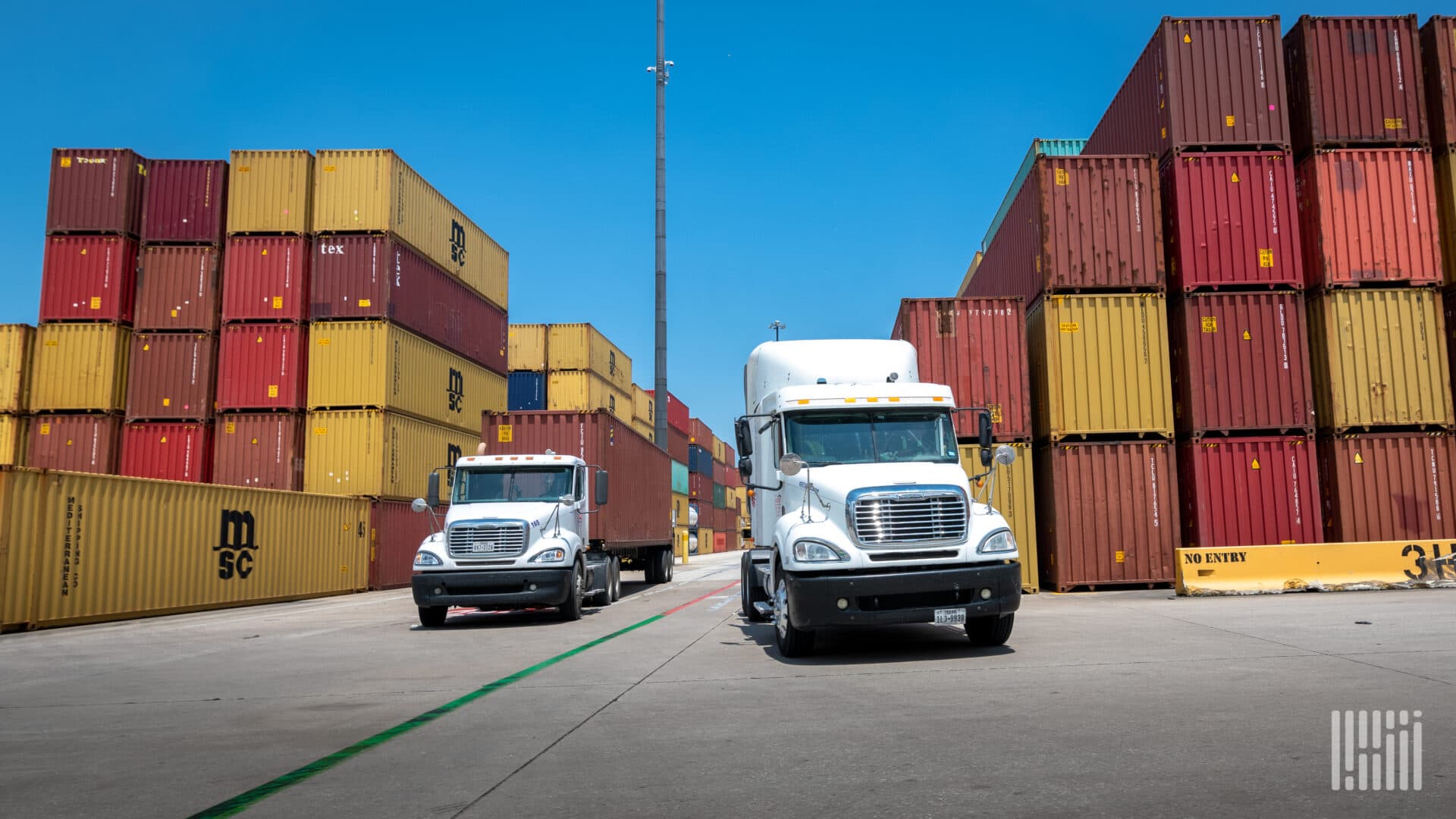
How freight audit and payment grew from invoice control into a global strategic asset
This piece reveals how freight audit and payment moved from simple invoice checking to a strategic capability that shapes cost visibility, provider performance, and logistics planning.
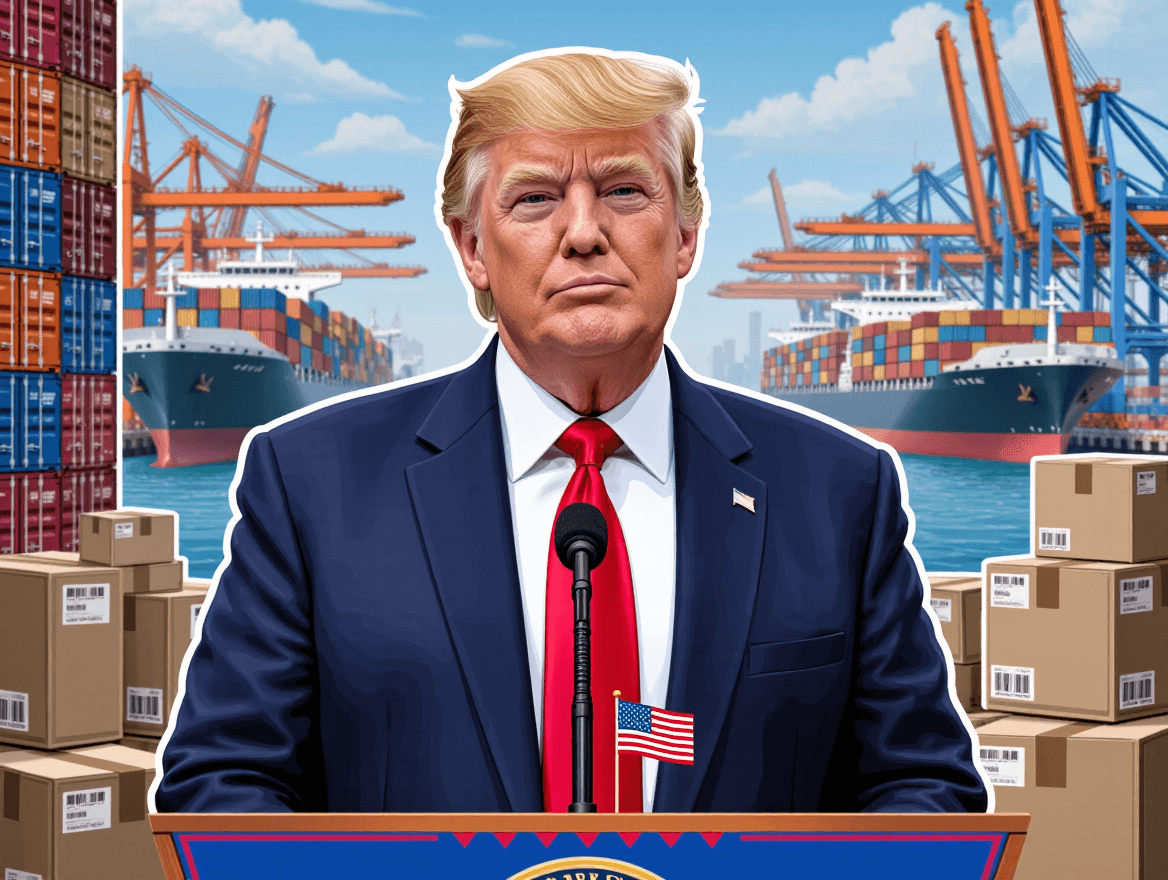
Donald Trump’s tariff threats raise fresh questions for international trade and logistics
This piece examines how Donald Trump’s recent tariff announcements ramp up uncertainty in global trade and what that could mean for freight and logistics networks.
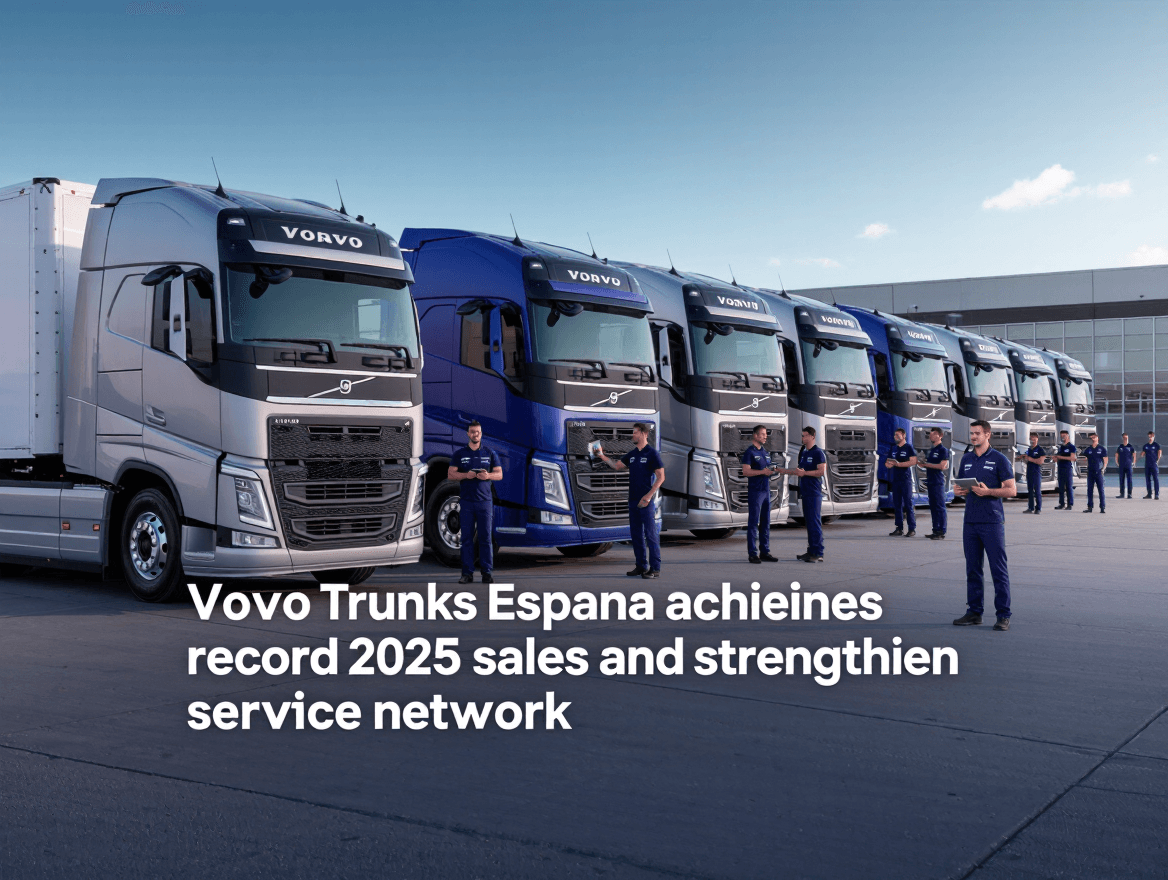
Volvo Trucks España achieves record 2025 sales and strengthens service network
This article reveals Volvo Trucks España’s standout 2025 results and what they mean for fleets and logistics providers.

Echo Global Logistics to acquire ITS Logistics, forming a larger multimodal logistics platform
This article unveils the Echo Global Logistics acquisition of ITS Logistics and explores what the tie-up means for freight, carriers, and shippers.
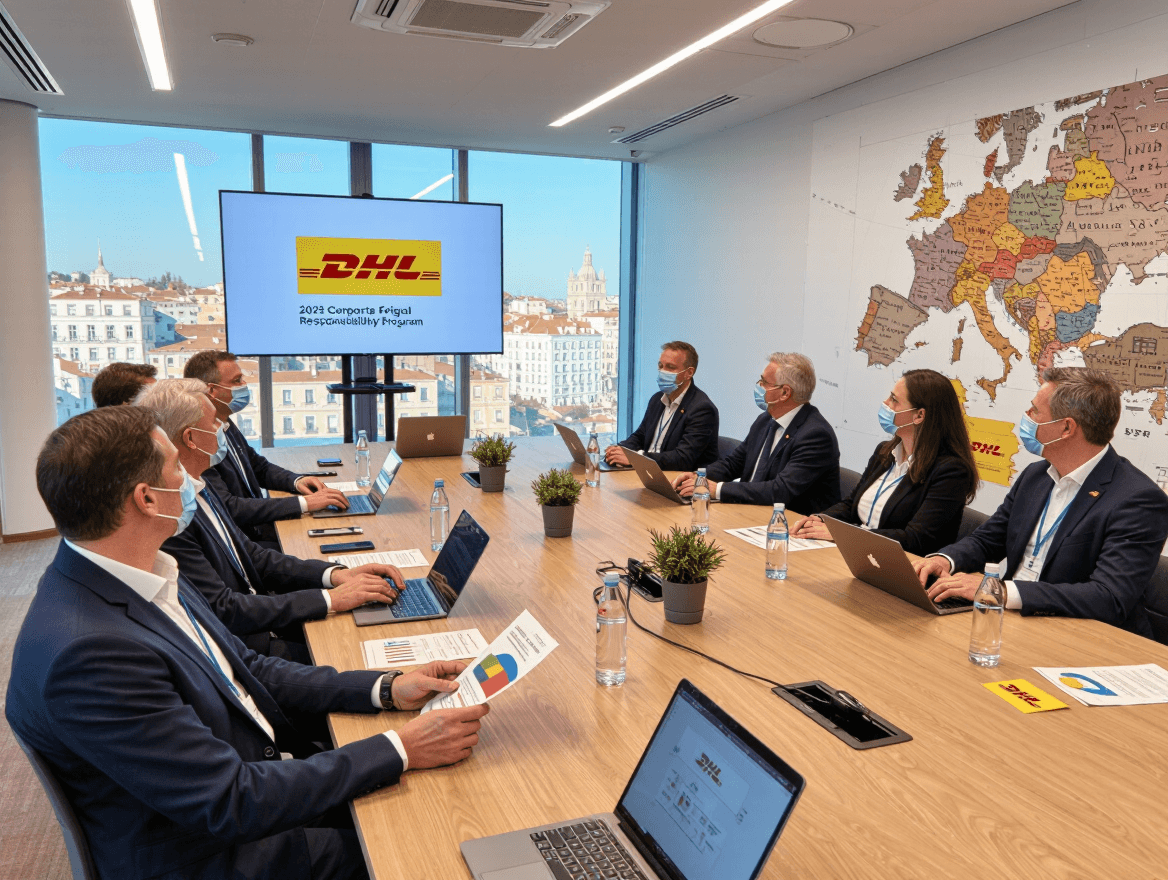
DHL Freight evaluates its 2025 Corporate Social Responsibility program in Spain and Portugal
This piece outlines how DHL Freight structured and delivered its 2025 Corporate Social Responsibility program across Spain and Portugal, focusing on people, environment and education.
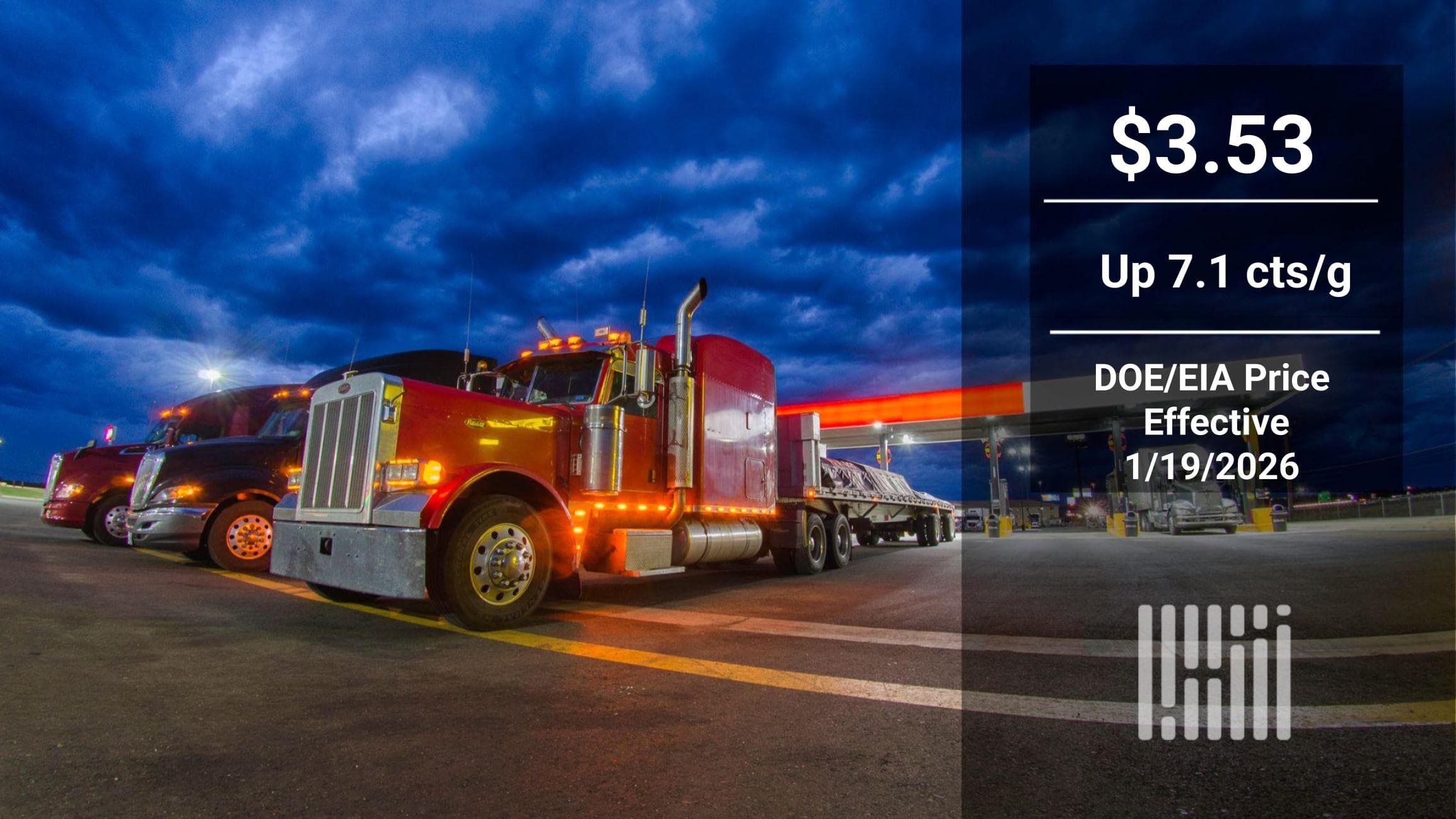
Diesel edges higher after eight-week decline as Kazakhstan outages and geopolitics tighten markets
Diesel benchmark prices have reversed an eight-week decline and moved higher, driven by a mix of supply disruptions and short-term geopolitical tensions.
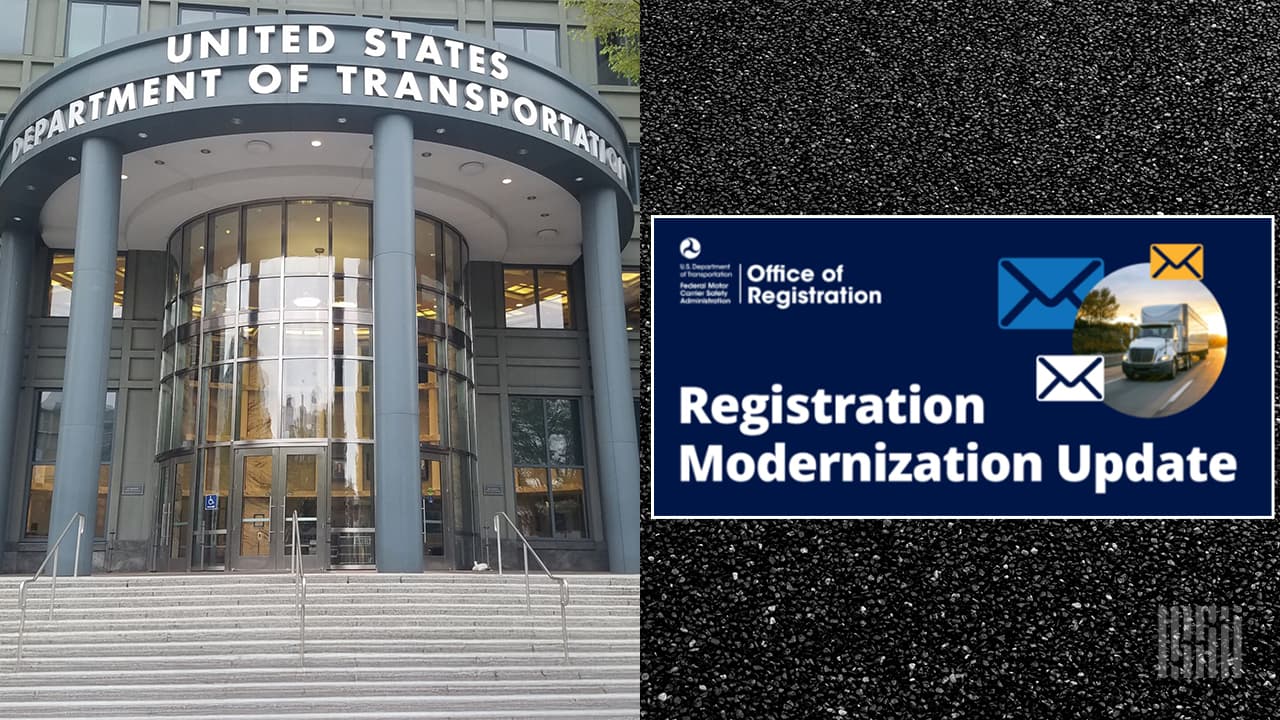
FMCSA launches Motus registration platform after decades, promising streamlined carrier filings
The new topic revealed here is the Federal Motor Carrier Safety Administration’s rollout of the Motus registration system and what it means for carriers, brokers, and freight forwarders.

Why Treating Sustainability as a Design Challenge Improves Supply Chains
This article reveals why sustainability should be treated as a core design problem in supply chains and how that shift changes operational outcomes.