App holen


Autor
Alexandra Blake schreibt über Zollkonformität und Handelsdokumentation für Unternehmen, die Waren über Grenzen hinweg bewegen. Ihre Leitfäden behandeln Einfuhrbestimmungen und Zollerleichterungsprogramme, Produkt- und Verpackungsanforderungen, Frachtklassifizierung und Gewichtsangaben, aufgeschlüsselt in die Schritte, die ein Logistikteam unternehmen muss.

ECommerce Statistics and KPI Benchmarks - See How Your Store Stacks Up
Start by benchmarking your current conversion rate against the all-industry average and set a concrete target for the next quarter. This gives you a clear, data-driven starting point that guides every next step and a practical path to improvement. A key finding from multiple industry reports is that conversion, AOV, and cart abandonment vary by type of item and channel. Close inspection reveals that mobile sessions spike in late afternoon, while desktop visits remain steadier throughout the day. To stay closely aligned, segment your data by product category and device, and track the indicators that move your bottom line. Steps to act now: map your funnel from landing to checkout, optimize

Eastern Europe Shipping Blog - Freight, Logistics and Trade Trends
Recommendation: Adopt a four-step approach to calculating rates and delivering a single solution that consolidates a database into a time-weighted dashboard for Eastern Europe freight operations. Three metrics guide prudent decision-making for managers and customers alike: rate trends, traded volumes, and on-time performance. Build a line-item list that lays out current rates from four key ports (Gdansk, Gdynia, Varna, Odessa) and overlay them with trade volumes, lead times, and container counts to identify favorable paths. Many shippers benefit from a simple visual that highlights where margins are growing or shrinking, and where a time-weighted measure can smooth out weekly fluctuations.

Top 10 Automated Warehouse Robots You Need Right Now - A Practical Guide
Start with a compact autonomous mobile robot (AMR) for picking and pack tasks; this choice will transform your workflow without adding headcount. In a 50,000-SKU operation, deploying two AMRs handling 40 picks per hour each can boost throughput by 40-60%, delivering much faster pack times and significantly lower error rates. Even small layout shifts can affect cycle times and storage density, so pick units with reliable charging, safe handling attachments, and quick pallet pickup to minimize downtime during season peaks. For retrieving items from high shelves, prioritize robots that meet your height and reach requirements and are compatible with your racking and safety systems. Look for

Dropshipping Business Model - How to Build a Profitable E-commerce Store
Recommendation: Pick a tight niche with a clear customer problem and validate quickly with a minimal product and a sharp content plan. This solution uses questions from early visitors to guide product selection and messaging; capture demand with a simple landing page and a few high-conversion ads. Once you confirm demand, vet suppliers by ordering samples from 2-3 potential partners and check shipping times, packaging, and product quality in real tests at the labs or supplier facility. Negotiate terms so you can ship within 24-48 hours after a customer places an order, minimizing delays that hurt satisfaction . Build traffic with a data-driven mix: 40% via facebook ads, 30% via google Ads,

5 Reasons Single-Source Logistics Is Better Than Rate Shopping
Choose single-source logistics to stabilize service and reduce prices over the long term. Consolidating vendors minimizes buying friction and aligns operating goals. As discussed, this approach reduces non-examples of inconsistent performance and gives them a clear, managed path for performance reviews. 1) Consistent service levels Create predictable delivery windows with one supplier, fewer exceptions, and clearer expectations. With a single-source arrangement, you set service levels once and measure compliance in a single dashboard, avoiding the back-and-forth that comes from juggling multiple carriers. This alignment helps teams plan their work internally and minimizes surprises. 2)

Recommendation : commit the full $480 million and begin the rollout this year to deliver a scalable , integrated network that accelerates orders and keeps products available. This move targets most of the supply chain friction, avoids another last-minute push, and sets a clear timeline with milestones for before benchmarks and progress updates to the investor and leadership team. Operational blueprint : a centralized hub and smart automation create a scalable network that handles peak volumes during holidays. The project maps to a timeline with phased rollouts in high-frequency markets, allowing leaders to monitor rate changes, adjust inventories, and minimize fuel usage across transports.
Decarbonization of Transport - Challenges and Solutions
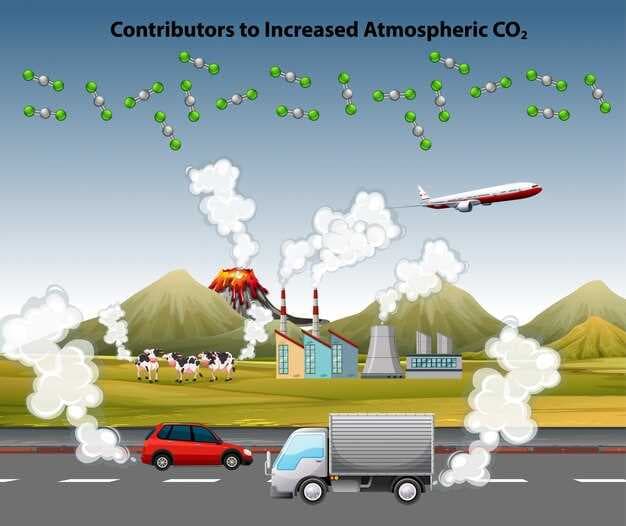
Adopt a rapid electrification and multimodal shift for motorized transport by 2030, with a clear reduction target and a funded project that includes subsidies for early adopters. This approach aligns business needs with public guidance and sets concrete milestones for fleets, including long-distance corridors and urban delivery. Achieving success requires action across the entire system: vehicles, charging, grid capacity, and data-sharing. Policy and regulation should reduce friction with standardized charging standards, predictable tariffs, and performance-based incentives that encourage fleets to replace gasoline and diesel with electric or low-emission alternatives. This plan provides

Amazon's AI-Driven Shift in Supply Chain Planning - Transforming Forecasting and Operations
Begin with an ai-based forecasting backbone that integrates anomaly detection across all nodes–from suppliers to fulfillment centers–to ensure forecasts are data-based and grounded in solid signals. This must feed real-time reporting dashboards and alert teams when anomalies occur. By modeling longer-term scenarios and near-term contingencies, you lead the response with confidence and reduce potential losses. Across cycles, artificial intelligence augments common data signals with social inputs from supplier networks, logistics partners, and marketplace trends. The ai-based models tie demand signals to inventory planning, enabling well-coordinated , real-time adjustments. This allows teams

Eight Key Points About the Food Safety Modernization Act
Start with a temperature-monitoring plan to cover every link in the chain, from haul to delivery, and note intrastate routes alongside interstate flows. FSMA requires facilities to implement preventive controls and maintain detailed records. This major shift makes compliance pretty concrete for teams, with rules that demand supplier verification, sanitation standards, and traceability across distributors and other partners. Keep a note on actions, dates, and responsible people to support audits and enforcement checks. Develop a preventive controls plan that identifies hazards for each product and defines control measures at critical points. The plan must be completely documented and kept

5 Supply Chain Models Dominating 2025 and Why They Matter
Adopt a data-driven approach to model selection now. Five supply chain models dominate 2025, each designed to improve cost, resilience, and execution clarity. By analyzing materials flows, order patterns, and demand signals, teams can determine which approach fits their context. The goal is an understandable framework that translates data into actionable steps rather than abstract theory. This guide helps you identify which model aligns with your capabilities and how to approach designing a practical rollout. The five models span distinct styles of operation and leverage analytics and standardization to reduce difficulty in cross-functional coordination. They rely on data-driven insights to

12 Cocoa Companies Commit to Halting Deforestation - What It Means for the Cocoa Industry
Act now: require verifiable supply chains that halt deforestation in cocoa regions and protect local livelihoods. The report outlines commitments from 12 companies, with concrete targets, timelines, and third‑party verification across Ivory Coast, Ghana, and other critical regions. To make this real, buyers should share progress data openly, while authorities publish independent reviews. In practice, leaders must install transparent dashboards, satellite monitoring, and on-the-ground audits in regions that mostly rely on smallholders. The needs of farmers include access to credit, agronomic training, and secure land tenure to enable long-term restoration. Aligning with the frameworks

Autonomous Mobile Robots (AMRs) - Transforming Warehousing and Intralogistics
Recommendation: Begin with a staged AMR deployment in a focused zone to validate gains in travel time, item handling, and throughput. Leverage a scalable fleet of wheeled robots that can grow from 3–5 units to 20–30, then integrate with your WMS to coordinate movements and the assembly area. This approach yields better visibility and higher rates of goods movement than legacy conveyors. AMRs leverage sensors, SLAM, and map data to travel between aisles, docks, and packing desks while avoiding people and obstacles. In practice, fleets reduce travel distances by 15–40% and decreased the burden of lifting manual workloads for routine transport. The features include dynamic routing, obstacle
