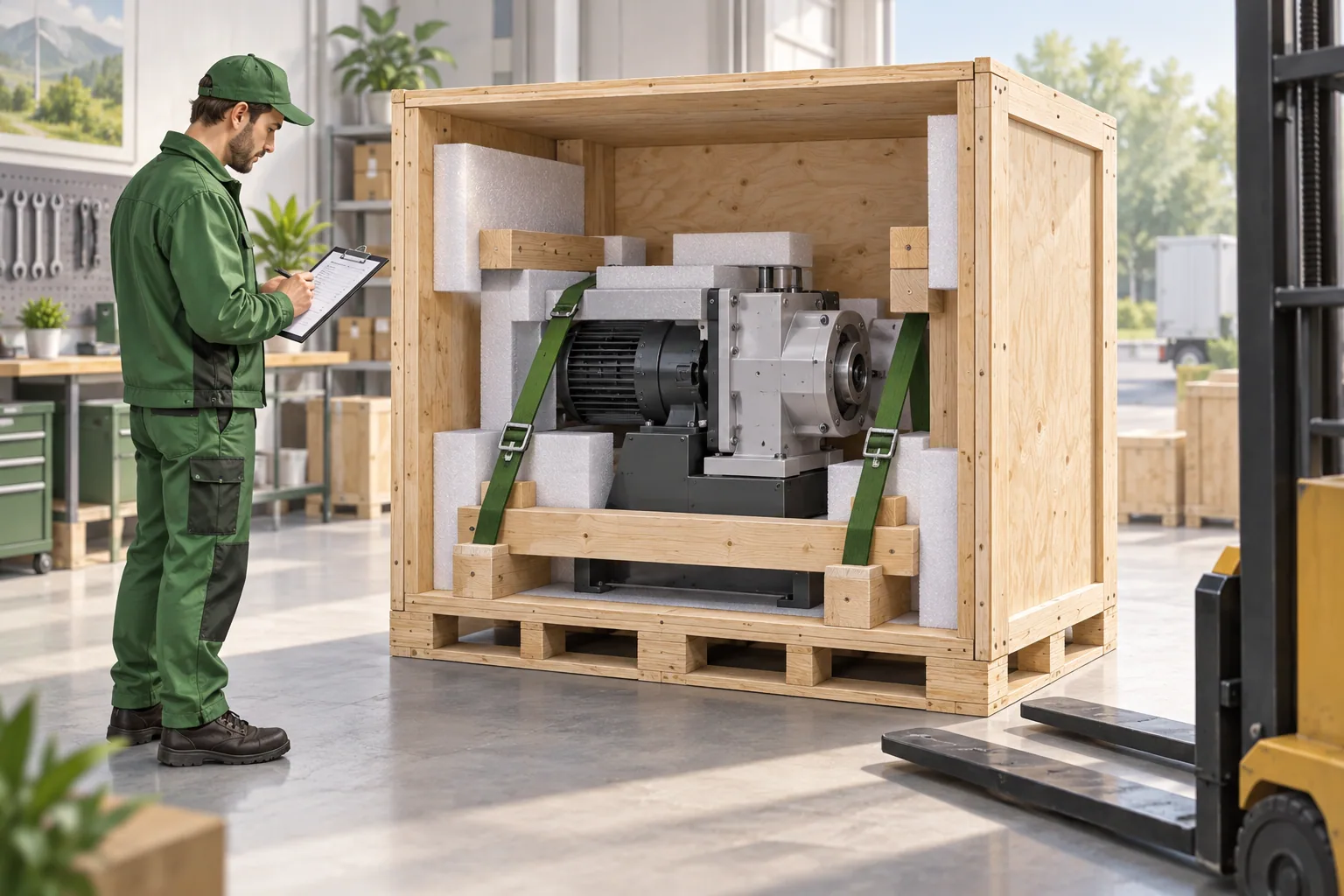

Prepare the details that affect the job
Measure the goods after packing, and ask the receiver how they will unload them. A carrier needs to understand the work at both addresses as well as the journey. Use the same details for each offer so you can compare the same service.
| Prepare | What to write |
|---|---|
| Goods and packed units | What you are sending, how many cartons, pallets or crates, and any fragile parts or special contents. Tell the carrier about batteries, chemicals or temperature requirements before relying on an ordinary freight offer. |
| Packed measurements | Length × width × height of each unit, with units stated. Include the pallet, wrapping and anything that protrudes. Give each unit’s gross weight and label the total separately. Mark estimates. |
| Handling | Whether another load can go on top; who loads and unloads; the equipment and people confirmed at each address. If something is unknown, say what needs arranging. |
| Both addresses and access | Collection and delivery locations, site type and handover point. Include stairs, lift limits, a narrow entrance, parking restrictions or a route between the truck and the building. |
| Dates and windows | Preferred collection date, available local time windows and delivery deadline. Say which are flexible and whether an appointment is needed or already booked. |
| Price | Ask for a price covering the stated handling, its currency and tax treatment. Ask what remains conditional and when the offer expires. |
Copy this request template
Complete the details below for the shipment description. Replace an unknown arrangement with a question for the carrier; do not describe equipment as available until the site has confirmed it.
- Goods: [description; fragile or special contents].
- Packed units: [number and packaging type]. Each unit: [length × width × height, with units]; [gross weight, with units]. Total gross weight: [total]. Stackable: [yes/no/unknown]. Estimates: [which measurements, if any].
- Collection: [location/site and handover point]; [access restrictions]; [who loads, equipment and operator]; [date and local time window].
- Delivery: [location/site and handover point]; [access restrictions]; [who unloads, equipment and operator]; [requested date/window or deadline]; [appointment needed/booked].
- Photos: [packed units and relevant access or handling details]. Keep unrelated personal information out of the description and photos.
- Still to arrange: [missing equipment, measurements, appointment or other question].
- Please quote: the transport and required handling, with currency, included services, separate charges, tax and validity. Explain what could change the price.
Example: two pallets from Porto to Valencia
Illustrative request, not a real booking. These are invented cargo details and requested dates; they do not show a carrier’s availability or a promised transit time.
Two wrapped pallets of boxed metal fittings, ordinary non-dangerous goods. Each packed pallet is 120 × 80 × 110 cm and weighs 220 kg including its pallet and packaging. Total gross weight: 440 kg. Non-stackable.
Collection: Porto warehouse, ground-level loading bay; forklift and operator confirmed. Preferred collection: 10 November 2026, 09:00–12:00 Porto local time.
Delivery: Valencia warehouse, ground-level unloading area with level concrete access. Requested delivery: 12 November 2026, 10:00–14:00 Valencia local time. Appointment required; slot not yet booked. The receiver has not confirmed unloading equipment.
Please quote in EUR and confirm whether you can meet these requested windows. Include suitable unloading equipment and an operator in the offer, or explain what the receiver must provide. State the total payable, tax treatment, any conditional extras and quote validity. Full addresses will be confirmed before the final quote.
The weight is 2 × 220 kg = 440 kg. The dimensions describe each pallet. The delivery date and unloading remain questions for the receiver and carrier to resolve before booking; the low headline price alone cannot answer them.
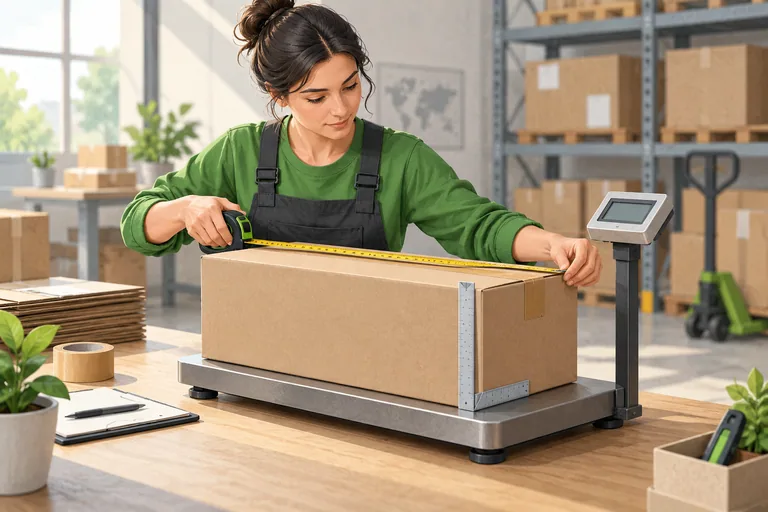
Put the details into the GetTransport form
- Route and date: enter the collection and delivery locations and preferred pickup date. Put local time windows, the requested delivery date and appointment details in the shipment description.
- Weight and dimensions: the form has a “Total cargo weight” field and length, width and height fields. List each packed unit in the description, with its units, and label the shipment total separately. If a field’s unit or meaning is unclear, keep the measurements explicit in the description and ask for clarification instead of entering an arbitrary number.
- Shipment description: paste your completed template. For several different units, give a separate measurement and weight for each; do not turn several pallets into one unexplained set of dimensions.
- Additional requirements: use the relevant options, such as “Loaders needed” when you need people to help. Specify where the help is needed and describe any equipment requirement in the text. Ask the carrier to confirm availability and price in its offer.
- Photos and contact: attach useful photos of the packed goods and access, then check your contact details, selected requirements and the terms before submitting.
Request transport offers with these details. If you still need to gather them, work through the shipment checklist first.
Before accepting an offer
Check that the offer covers your actual packed units, both handover points, handling and dates. Get written answers for any estimates, missing unloading equipment or unbooked appointment. Keep the request, quotation and agreed changes together, then compare the full price of the offers.
Sources and checks
Each date records a check of the stated claim and scope.
- The public English Truck request form exposes origin and destination, pickup date, shipment description, total cargo weight, dimensions, photo upload and additional requirements including Loaders needed. Field visibility only; no service, price or submission outcome was tested.
GetTransport public English Truck request form; Individual view · Checked October 24, 2026
Ready for the next step?
Turn your shipment details into a clear request.
Prepare your cargo, access and timing details, then compare the scope of each carrier's offer.
Something has changed? Tell us what needs correcting.