


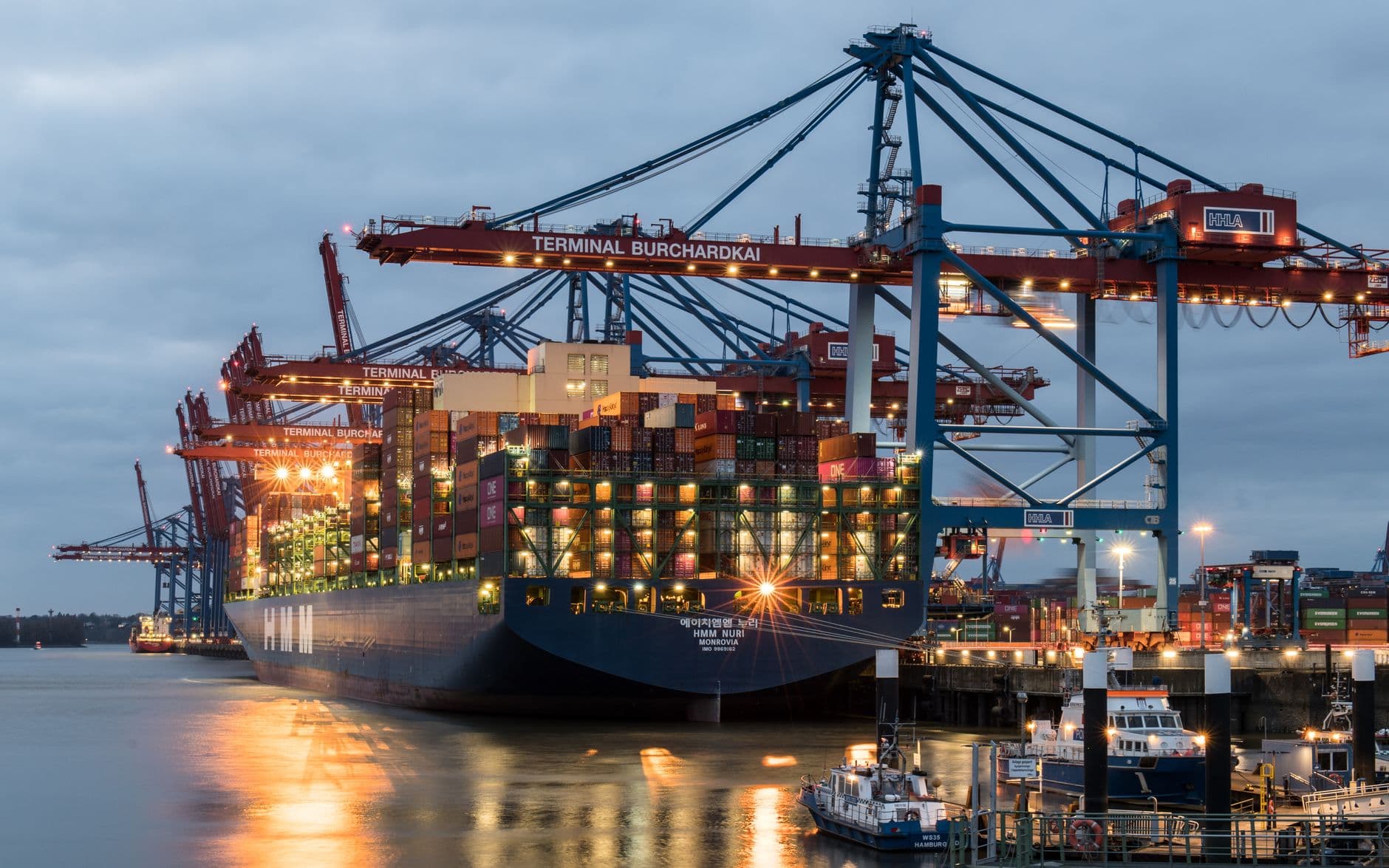

The United States Customs and Border Protection agency has intensified its scrutiny of transshipment schemes targeting tariff evasion, specifically focusing on goods that merely pass through third countries without undergoing substantial transformation. For importers relying on supply chains in Mexico, Vietnam, or China, the distinction between legitimate global manufacturing and prohibited transshipment has never been more critical to avoid severe financial penalties. The current enforcement climate demands rigorous documentation and a clear understanding of legal thresholds rather than relying on superficial origin labels.
De Strafstructuur: Waarom "40%" Slechts Een Deel van de Blootstelling Is
The widely quoted 40% figure is real, but it is easy to misread. It refers to the additional 40% duty that Customs and Border Protection applies to goods it determines were transshipped to evade country-specific reciprocal tariffs — a surcharge levied on the merchandise itself, which CBP does not negotiate away. It is not, however, the ceiling on what a transshipment case can cost, and it is not the same thing as the civil penalty for filing a false origin declaration. Those penalties are governed by 19 U.S.C. § 1592 and scale with culpability, while fraudulent entries can also expose the goods to seizure and forfeiture of their full value under 18 U.S.C. § 1595a. In practice the exposures stack: the 40% surcharge on the goods can sit on top of a separate civil penalty for the misdeclaration.
INLINE1XSituationINLINE1XSelect the situation that best describes your current need:
If you're reporting a bug, please include the following details in your message:
INLINE1XSituatieINLINE1XSelecteer de situatie die het beste uw huidige behoefte beschrijft:
Als u een bug rapporteert, gelieve de volgende details in uw bericht op te nemen:
| Typische blootstelling | Wettelijke grondslag |
|---|---|---|
| Onzorgvuldige onjuiste opgave van de oorsprong | Tot ~20% van de waarde (of 2× de verloren rechten) | 19 U.S.C. § 1592 |
| Grove nalatigheid | Tot ~50% van de waarde (of 4× de verloren rechten) | 19 U.S.C. § 1592 |
| Fraude | Tot 100% van de waarde, plus inbeslagname/verbeurdverklaring van de goederen | 19 U.S.C. § 1592 / 18 U.S.C. § 1595a |
| Overslagtoeslag (wederkerig-tariefregime) | Bijkomende vaste 40% invoerrechten op de goederen | 2025 wederkerige-tarief uitvoeringsbesluiten, toegepast door CBP |
Het belangrijkste voor importeurs is dat de echte vraag nooit "zal ik 40% verschuldigd zijn" is, maar "welke van deze zijn van toepassing, en stapelen ze op." Een schone maar nalatige fout brengt een heel andere rekening met zich mee dan een patroon dat CBP als opzettelijk interpreteert, en de toeslag op de goederen is gescheiden van de boete voor de aangever.
Customs authorities utilize advanced data analytics to track supply chain movements, identifying patterns where goods are shipped from a high-tariff country to a low-tariff intermediary with minimal processing. If the investigation reveals that the primary purpose of the intermediate stop was to avoid duties, the transshipment surcharge attaches to the goods and a civil penalty for the misdeclaration follows, sized to how CBP characterises the conduct. This enforcement action often includes a retroactive audit of previous shipments, expanding the financial exposure significantly. Companies that fail to maintain precise records find themselves unable to prove compliance, leading to default judgments against them.
The scope of this crackdown extends beyond simple tariff avoidance. It includes violations of anti-dumping and countervailing duty orders, which are designed to protect domestic industries from unfair trade practices. When goods are transshipped to bypass these specific duties, the penalty structure is aggressive because the violation undermines the entire trade remedy system. Importers operating in sectors like steel, aluminum, or consumer electronics face heightened scrutiny due to the volume of trade and the historical prevalence of evasion tactics. The specific products and rates in the crosshairs shift with policy, however — steel and aluminum exposure in particular is tied to Section 232 actions that are revised periodically — so the list of “high-risk” goods in 2026 should be checked against the tariff actions in force at the time rather than assumed from prior years.
Het begrijpen van de mechaniek vereist het erkennen dat Douane oorsprongsfraude beschouwt als een directe aanval op de integriteit van het handelsysteem, en deze dienovereenkomstig waardeert binnen de bovenliggende niveaus. Bedrijven moeten oorsprongsverificatie integreren in hun standaardprocedures in plaats van het als een bijzaak te behandelen. De kosten van niet-naleving — toeslag, civiele boete en, in het ergste geval, verbeurdverklaarde goederen — overtreffen ruimschoots de investering in robuuste audits van de toeleveringsketen.
Aanzienlijke transformatie vs. doorvoer: de juridische grenslijn

The core legal distinction rests on the concept of substantial transformation, which determines whether a product’s identity has changed fundamentally during processing in an intermediate country. A good undergoes substantial transformation if it emerges from the foreign processing as a new and different article of commerce with a new name, character, or use. This is a high bar that mere assembly, packaging, or minor processing rarely meets. Transshipment, by contrast, involves moving goods through a third country with no such fundamental change, solely to alter the declared country of origin.
Consider the example of furniture manufacturing. If raw wood is harvested in Country A and shipped to Country B, where it is cut, sanded, and assembled into a finished chair, the chair may be considered substantially transformed in Country B. However, if pre-cut wooden components are shipped from Country A to Country B, where they are simply screwed together and painted, Customs will likely view this as transshipment. The essential character of the goods was determined in Country A, and the labor in Country B was minimal.
De "nieuwe en andere artikel"-test wordt strikt toegepast. Douanebeambten kijken naar de toegevoegde waarde in het tussenliggende land ten opzichte van de totale waarde. Als de toegevoegde waarde verwaarloosbaar is, is de claim van substantiële transformatie zwak. Bijvoorbeeld, als een smartphone in Vietnam wordt geassembleerd met 95% van de componenten die in China zijn vervaardigd, is de toegevoegde waarde in Vietnam minimaal. De douane zal waarschijnlijk de Vietnamese oorsprong negeren en Chinese tarieven toepassen, samen met mogelijke boetes voor verkeerde aangifte.
Evaluatie van Toegevoegde Waarde en Verwerkingsstappen
Importeurs moeten zowel de kwantitatieve als kwalitatieve aspecten van de verwerking evalueren. Kwantitatief moeten de kosten van materialen en arbeid in het tussenliggende land significant genoeg zijn om een nieuwe oorsprong te rechtvaardigen. Kwalitatief moet de verwerking complexe productiestappen omvatten die de functie of vorm van het product veranderen. Eenvoudige handelingen zoals etiketteren, herverpakken of kleine assemblage zijn onvoldoende. De verwerking moet integraal zijn voor het uiteindelijke nut van het product.
Documentatie speelt een cruciale rol bij het aantonen van substantiële transformatie. Fabrikanten in het tussenliggende land moeten gedetailleerde stuklijsten, processtroomdiagrammen en kostenoverzichten verstrekken. Deze documenten moeten aantonen dat de lokaal uitgevoerde productiestappen centraal staan in de creatie van het product. Zonder dit bewijs zal de douane aannemen dat de oorsprong het land is waar de primaire componenten zijn vervaardigd.
Praktische Voorbeelden van Naleving en Overtreding
Praktijkscenario's illustreren de dunne lijn tussen conforme handel en illegale doorvoer. In de textielindustrie omvat een veelvoorkomende overtreding het verzenden van garen uit een gesanctioneerd land naar een derde land, waar het tot stof wordt geweven en vervolgens naar de VS wordt verzonden. Als het weefproces wordt beschouwd als substantiële transformatie, kan de stof legaal afkomstig zijn uit het derde land. Als het garen echter al tot stof is geweven en slechts wordt geknipt en genaaid tot kledingstukken in het derde land, wordt dit vaak beschouwd als doorvoer. Het essentiële karakter van het textiel werd eerder in de toeleveringsketen vastgesteld.
Een ander voorbeeld betreft elektronische componenten. Een bedrijf kan printplaten uit China betrekken en deze naar Mexico sturen voor de eindassemblage tot apparaten. Als de assemblage het integreren van de printplaat met een behuizing, voeding en andere componenten omvat, en als de Mexicaanse arbeid en materialen een significant deel van de uiteindelijke waarde uitmaken, kan er sprake zijn van substantiële transformatie. Als de printplaten echter bijna compleet zijn en de Mexicaanse stap minimaal is, zal de douane waarschijnlijk de claim van Mexicaanse oorsprong afwijzen.
- Controleer de stuklijst voor elk SKU om de oorsprong van elke component te identificeren, en zorg ervoor dat geen enkel land met hoge tarieven de kostenstructuur domineert zonder adequate transformatie.
- Documenteer de specifieke productiestappen die in het tussenliggende land worden uitgevoerd, inclusief tijdsbesteding, arbeidskosten en gebruikte machines, om toegevoegde waarde aan te tonen.
- Vergelijk de naam, het karakter en het gebruik van het product voor en na verwerking in het tussenliggende land om te beoordelen of er een nieuw handelsartikel is gecreëerd.
- Raadpleeg een erkende douane-expediteur voordat u de oorsprong voor complexe producten declareert, aangezien verkeerde classificatie audits en de 40% boete kan triggeren.
Deze voorbeelden benadrukken het belang van verder kijken dan het eindassemblagepunt. Importeurs moeten de afkomst van hun goederen terugvolgen tot de grondstoffen. Als de primaire waarde wordt gecreëerd in een land met hoge tarieven, zal daaropvolgende minimale verwerking elders de importeur niet beschermen tegen rechten. De focus ligt op waar de essentiële identiteit van het product wordt gevormd, niet waar het slechts wordt afgewerkt.
Het Einde van De Minimis Verandert de Berekening
Elke doorvoerstrategie in 2026 moet worden bekeken tegen de achtergrond van de afschaffing van de $800 de minimis-drempel. Jarenlang konden pakketten met een lage waarde de Verenigde Staten binnenkomen zonder rechten en met minimale gegevens, wat het aantrekkelijk maakte om goederen uit China via een derde land te routeren en ze in kleine zendingen op te splitsen om zowel rechten als controle te omzeilen. Met de afschaffing van de de minimis-regel voor goederen van Chinese oorsprong — en de bredere $800-vrijstelling die wordt uitgefaseerd uit de Tariff Act van 1930 — vereisen deze pakketten nu een formele invoer, volledige gegevens en betaling van rechten zoals elke andere invoer.
Het praktische effect op de klassieke keten China → derde land → Verenigde Staten is tweevoudig. Ten eerste werkt de volume-splitsingstactiek die gebaseerd was op onder de $800 blijven niet meer, dus de oorsprongsvraag wordt beslist op basis van de merites van de goederen in plaats van verborgen onder de drempel. Ten tweede genereert elk van die zendingen nu de invoergegevens die CBP nodig heeft om de oorsprong te testen — wat betekent dat een regeling die voorheen ongecontroleerd passeerde, nu wordt ingediend, geregistreerd en beschikbaar is voor precies het soort geautomatiseerde kruiscontrole zoals hieronder beschreven. Importeurs die hun fulfilment rond de minimis-regel hebben opgebouwd, moeten die routes op basis van formele invoer herberekenen en opnieuw onderzoeken of de stap via het derde land nog steeds neerkomt op een wezenlijke transformatie.
Documentatiechecklist voor Importeurs
To defend against allegations of transshipment, importers must maintain a comprehensive documentation trail. This checklist serves as a baseline for compliance and should be integrated into the procurement process. First, obtain a certificate of origin from the manufacturer in the intermediate country, detailing the specific processes performed there. Second, secure a detailed bill of materials that lists the country of origin for each component. Third, request a cost breakdown that separates the value of imported materials from the value of local labor and overhead.
Fourth, maintain records of shipping documents that show the movement of goods between countries, including bills of lading and air waybills. These documents must align with the declared origin and the actual flow of goods. Fifth, keep correspondence with suppliers that discusses manufacturing processes and origin claims. Emails or contracts that acknowledge the source of key components can be used to verify or refute origin claims. Sixth, retain internal audit reports that review the origin compliance of high-risk products.
Deze documentatie moet gemakkelijk toegankelijk zijn voor douanecontroles. Importeurs dienen deze gegevens per zending en productcode te ordenen, zodat snelle raadpleging tijdens een onderzoek mogelijk is. Digitale opslagoplossingen met zoekfuncties worden aanbevolen om grote hoeveelheden gegevens te beheren. Regelmatige controles van deze documenten kunnen helpen potentiële problemen te identificeren voordat ze escaleren tot boetes.
Interne controles en leveranciersverificatie
Het implementeren van interne controles is essentieel voor het behoud van de integriteit van de documentatie. Importeurs dienen een protocol vast te stellen voor het verifiëren van leveranciersclaims, inclusief periodieke audits ter plaatse van productiefaciliteiten. Deze audits kunnen bevestigen dat de beschreven processen daadwerkelijk plaatsvinden en dat de gerapporteerde toegevoegde waarde juist is. Daarnaast dienen importeurs leveranciers te verplichten verklaringen te ondertekenen die de juistheid van de oorsprongsverklaringen bevestigen.
Het trainen van personeel over het belang van naleving van oorsprongsregels is een andere cruciale stap. Inkoop- en logistieke teams moeten de risico's begrijpen die gepaard gaan met doorvoer en het belang van grondige documentatie. Regelmatige trainingssessies kunnen medewerkers op de hoogte houden van veranderende regelgeving en handhavingstrends. Door een cultuur van naleving te bevorderen, kunnen bedrijven het risico op onbedoelde overtredingen verminderen.
Strategische mitigatie en toekomstige paraatheid
Het mitigeren van het risico op boetes voor doorvoer vereist een proactieve benadering van supply chain management. Het diversifiëren van leveranciers over verschillende regio's kan de afhankelijkheid van risicovolle landen verminderen en de blootstelling aan tariefschommelingen minimaliseren. Importeurs dienen ook nearshoring- of reshoringstrategieën te overwegen die de productie dichter bij de Amerikaanse markt brengen, waardoor oorsprongsclaims eenvoudiger worden. Hoewel deze veranderingen initiële kosten met zich mee kunnen brengen, kunnen ze op de lange termijn stabiliteit en nalevingszekerheid bieden.
Het inschakelen van juridische experts en douane-expediteurs is van vitaal belang voor het navigeren door complexe oorsprongsregels. Deze professionals kunnen op maat gemaakt advies geven over specifieke producten en supply chains, waardoor importeurs hun activiteiten kunnen structureren om te voldoen aan de regelgeving. Regelmatige consultaties kunnen importeurs ook helpen voorop te blijven lopen bij regelgevingswijzigingen en handhavingsprioriteiten.
Het is een vergissing om dit onder “de toekomst” te plaatsen. CBP maakt al gebruik van geavanceerde data-analyse en AI-gestuurde risicodoelwitten op invoergegevens, waarbij verklaringen zending-voor-zending worden vergeleken om de patronen te detecteren die wijzen op doorvoer — inconsistente routes, oorsprongen die niet overeenkomen met de bekende capaciteit van een leverancier, waarden die afwijken van de norm voor een product. Omdat elke formele invoer nu in dat systeem wordt ingevoerd, zal een discrepantie tussen wat een importeur verklaart en wat de gegevens elders in de keten laten zien waarschijnlijk automatisch worden opgespoord in plaats van bij toeval worden ontdekt. De defensieve zet is niet te wachten tot de technologie arriveert; het is om aan te nemen dat CBP uw aangiften al afstemt op die van iedereen en om documentatie bij te houden die die vergelijking doorstaat. Onveranderlijke, goed georganiseerde dossiers zijn nu een basisverwachting, geen concurrentievoordeel.
Monitoring van regelgevingswijzigingen
Handelsregelgeving is dynamisch, met regelmatig nieuwe tarieven en handhavingsbeleid. Importeurs moeten regelgevingsupdates van Douane en Grensbescherming en andere relevante instanties monitoren. Het abonneren op branche-nieuwsbrieven en het bijwonen van webinars over naleving van handelsregelgeving kan bedrijven helpen op de hoogte te blijven. Door op de hoogte te blijven van regelgevingswijzigingen kunnen importeurs hun strategieën proactief aanpassen in plaats van reactief.
Veelgestelde vragen
Wat houdt "wezenlijke transformatie" precies in volgens de Amerikaanse douanewetgeving?
Wezenlijke transformatie vindt plaats wanneer een product een fabricageproces ondergaat dat resulteert in een nieuw en ander handelsartikel met een nieuwe naam, aard of gebruik. Dit wordt bepaald door de omvang van de verwerking, de toegevoegde waarde en de verandering in de essentiële identiteit van het product te analyseren, in plaats van alleen de locatie van de eindmontage.
Is de overlaadboete altijd 40%?
Nee. Het 40%-cijfer is de extra invoerrecht die CBP toepast op de goederen wanneer het vaststelt dat ze zijn doorgevoerd om wederzijdse tarieven te ontduiken. De boete voor de valse oorsprongsverklaring zelf is apart en schaalt met de mate van schuld volgens 19 U.S.C. § 1592 — ruwweg tot 20% van de waarde bij nalatigheid, tot 50% bij grove nalatigheid en tot 100% bij fraude, waarbij frauduleuze invoer ook vatbaar is voor inbeslagname en verbeurdverklaring. De risico's kunnen zich opstapelen en kunnen met terugwerkende kracht over meerdere zendingen worden opgelegd als een patroon van ontduiking wordt vastgesteld.
Kan eenvoudige assemblage in een derde land Amerikaanse tarieven vermijden?
Nee, eenvoudige assemblage zoals het in elkaar schroeven van voorgefabriceerde componenten of het herverpakken van goederen vormt geen wezenlijke transformatie. Douane beschouwt deze minimale verwerkingsstappen doorgaans als onvoldoende om het land van oorsprong te wijzigen, wat betekent dat de oorspronkelijke hoge invoerrechten van het land nog steeds van toepassing zullen zijn.
Welke documentatie is het meest kritiek tijdens een douanecontrole?
De belangrijkste documenten omvatten gedetailleerde stuklijsten, certificaten van oorsprong, kostenoverzichten die de toegevoegde waarde in het tussenliggende land aantonen, en verzendingsdocumenten die de beweging van goederen traceren. Deze documenten moeten duidelijk aantonen waar het essentiële karakter van het product is gecreëerd.
Conclusie
The US transshipment tariff crackdown in 2026 represents a significant shift in trade enforcement, demanding higher standards of proof and compliance from importers. The 40% penalty serves as a powerful deterrent, emphasizing that superficial origin changes are no longer viable strategies for avoiding duties. Importers must prioritize substantial transformation, maintain meticulous documentation, and engage proactively with compliance experts to navigate this complex landscape.
To ensure immediate compliance, conduct a full audit of your top ten highest-volume SKUs this week, verifying that the country of origin declared matches the location where the most significant value and transformation occurred, and update your supplier contracts to require detailed origin attestations.