
Alexander Petrunin
Arvsattribuering
Det här arkivet grupperar historiska författaretiketter. Identitet och författarskap har inte verifierats enligt vår nuvarande redaktionella process.
Artiklar

Distance Calculation Between Cities in Logistics
In logistics, the calculation of distance between cities plays a crucial role in transportation planning , route optimization, and cost reduction. Accurate calculations enable the identification of the most efficient routes, shorten delivery times, and minimize fuel expenses. Methods of Distance Calculation There are several methods for calculating distance. Geographic distance, for instance, is used to estimate the straight line between points, but it is rarely applied in real-world logistics. Road distance takes into account the actual road network, speed limits, and traffic congestion. GPS, maps, and specialized logistics systems are actively used for this calculation. Travel time
How to Use Artificial Intelligence (AI) in Logistics
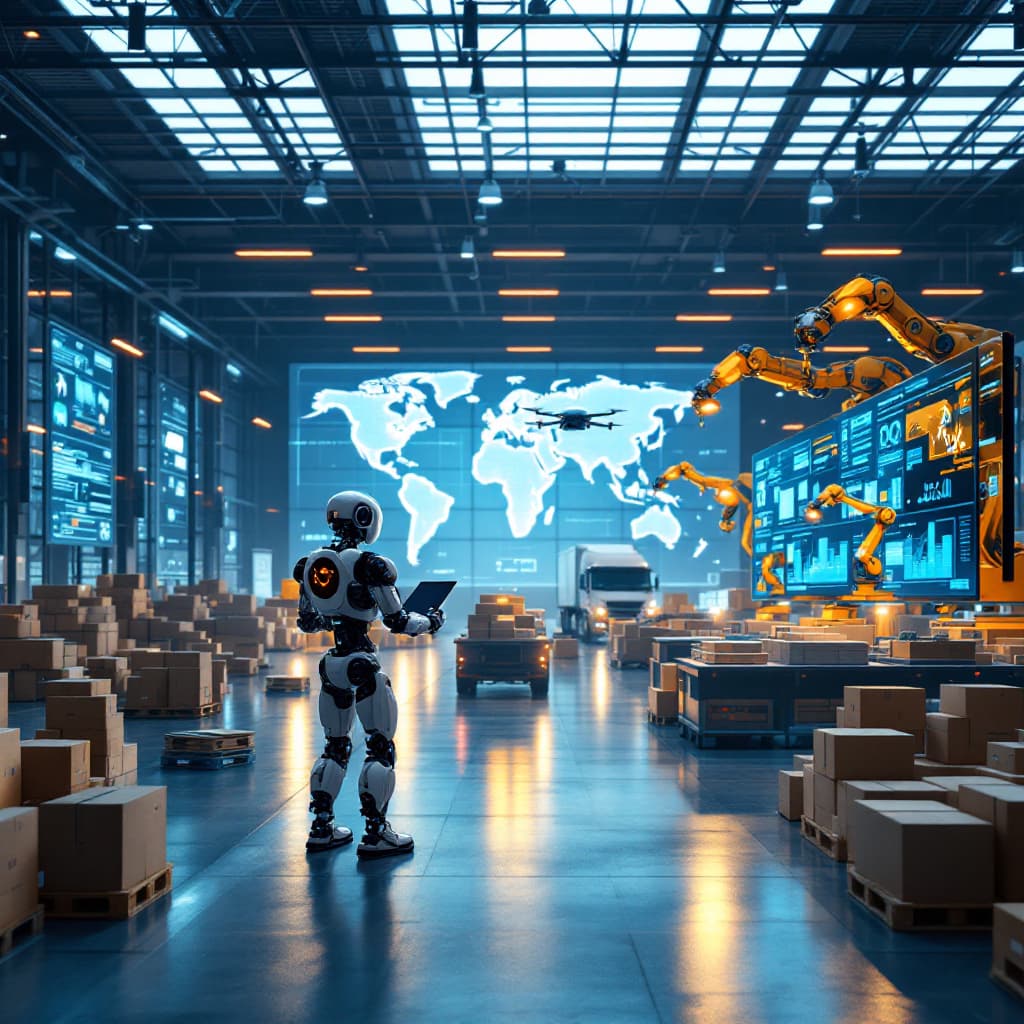
Artificial Intelligence (AI) is changing the logistics industry. It streamlines operations, cuts costs, and boosts efficiency. By integrating AI into logistics , companies can automate decisions, predict demand, and improve deliveries. Let’s look at how AI enhances logistics and supply chain management. 1. AI in Route Optimization AI systems optimize routes by analyzing real-time data. They consider traffic, weather, and historical trends to find the best delivery paths. Machine learning helps these algorithms adapt quickly, reducing fuel use and delivery times. Companies like Amazon and FedEx use AI to enhance last-mile delivery, ensuring goods arrive on time. 2. Warehouse Automation with

Internet of Things (IoT) in Logistics: How It Works
Modern logistics processes are complex and require speed and accuracy. The Internet of Things (IoT) enhances logistics efficiency by providing continuous monitoring and optimization throughout the supply chain. IoT consists of interconnected devices that transmit data in real time. In logistics, this includes IoT-enabled sensors, GPS trackers, RFID tags, and smart cameras. These tools help companies track the condition and location of goods, manage inventory, and optimize routes. Key Applications of IoT in Logistics Cargo and Transportation Tracking IoT allows companies to monitor the movement of goods in the supply chain. Sensors, GPS trackers, and RFID tags provide information about

Building a Transparent Supply Chain with Blockchain
In today's world, logistics faces many challenges. These include a lack of transparency, the risk of fraud, and the complexity of tracking goods at every stage of delivery. One effective solution to these problems is implementing blockchain technology in supply chain management. Blockchain creates a decentralized and secure accounting system that ensures complete transparency in the supply chain. 1. Principles of Blockchain Operation in Logistics Blockchain technology in supply chain management is a distributed ledger. Information is recorded in immutable entries. Each transaction is verified and stored in a chain of blocks. This process protects data from tampering. In logistics, all
Logistics and Technology: How They Are Interconnected
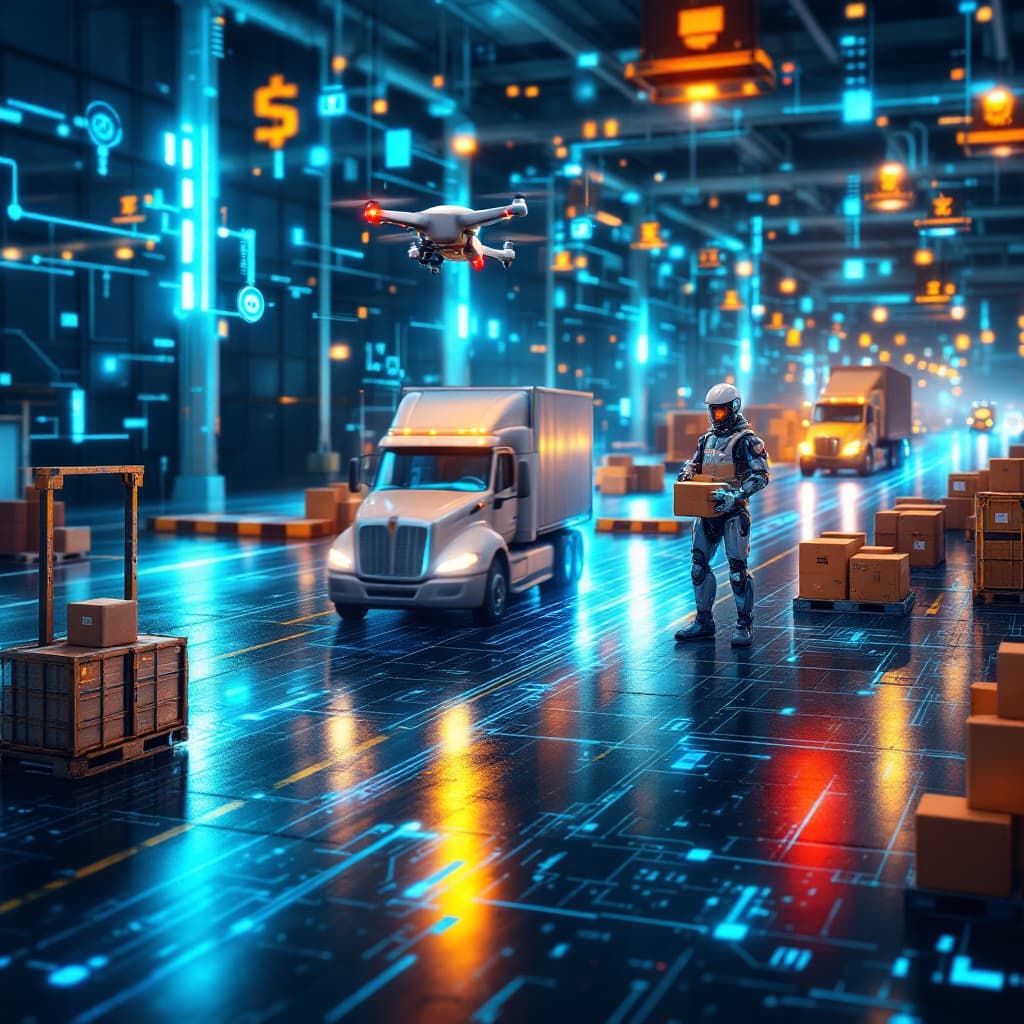
In today's business landscape, effective logistics is essential. It determines the speed, accuracy, and cost of product delivery. However, technology plays a crucial role in the evolution of logistics. Today, automation, digitalization, and innovative solutions make logistics processes more efficient and flexible. Let’s explore the key technologies that are transforming logistics. 1. Internet of Things (IoT) and Cargo Tracking The Internet of Things (IoT) enables companies to monitor the location and condition of cargo in real time. Sensors installed on vehicles and containers transmit data regarding temperature, humidity, and geolocation. This is particularly important for transporting

How to Choose a Logistics Operator: Business Tips
How to Choose a Reliable Logistics Provider: Essential Tips for Your Business Selecting the right logistics operator is crucial for your business. A dependable logistics provider can significantly impact your supply chain efficiency and customer satisfaction. In today’s fast-paced market, finding a trustworthy logistics partner is essential. Let’s explore the key points to consider when choosing a logistics operator. 1. Define Your Needs for Logistics Services First, understand what you need from logistics services. Analyze your cargo and delivery routes. Consider the type of products, shipment volumes, and geographical areas. Also, think about any additional services like temporary storage

International Maritime Transport: A Key Element of Global Logistics
International maritime transport is a vital component of the global economy. It facilitates the daily transportation of millions of tons of cargo. These services enable the delivery of goods from various parts of the world. This includes household appliances from China, automobiles from Germany, and coffee from Brazil. An efficient ocean freight system is essential for addressing transportation and logistics challenges. Advantages and Disadvantages of Maritime Transport Maritime transport offers several significant advantages: Cost Efficiency : Chartering a vessel for transporting large quantities of goods is often more economical than other modes. This makes maritime transport attractive

Key Metrics in Logistics: How to Use KPIs
Logistics is a complex system that requires careful monitoring and analysis. Companies use logistics KPIs to identify stages in the process that need improvement. In this article, we will explore the main logistics metrics and how to use them to enhance business efficiency. What Are Logistics KPIs? Logistics KPIs are measurable indicators that help companies track and improve their operations. These metrics vary by industry and the specific nature of the business. Determine which logistics KPIs are important for your company. Use them to assess your position in the industry and identify areas for improvement. Order Management Metrics Order management metrics focus on processing orders and

Supply Chain Issues: Challenges and Solutions
In the interconnected world of global commerce, supply chain issues can significantly impact businesses and consumers alike. These challenges disrupt the flow of goods and services, leading to delays, increased costs, and customer dissatisfaction. Understanding the common supply chain challenges and their potential solutions is essential for companies looking to thrive in today’s competitive landscape. What Are Supply Chain Issues? Supply chain issues refer to disruptions or inefficiencies in the sequence of processes involved in the production and distribution of goods. These issues can arise from various factors. A lack of raw materials can halt production. Labor shortages can slow down

Logistics Problems: An Overview of Challenges and Solutions
Logistics is crucial for modern commerce. It connects supply chains and ensures goods and services reach their destinations efficiently. However, this complex field has its challenges. Understanding the common logistics problems can help businesses navigate supply chain management. Here, we’ll explore these issues and discuss effective strategies to overcome them. 1. Resource Shortages Resource shortages pose a significant concern in logistics. A lack of transportation vehicles, containers, or labor can disrupt operations. Companies may find themselves unprepared during peak demand periods. This can lead to delays in service. Proactive planning is essential. Establishing relationships with

Warehouse Software: Understanding WMS
A WMS is software that helps companies manage and control daily warehouse operations. In today's fast-paced business world, a robust warehouse management system (WMS) is crucial. This system optimizes daily warehouse operations. It streamlines inventory management, order fulfillment, and shipping logistics. A well-implemented WMS enhances efficiency and accuracy. The Importance of Real-Time Data Modern warehouse management systems provide real-time data. Technologies like barcode scanning and RFID help businesses track product movement and stock levels. These tools ensure companies manage inventory effectively. Real-time insights are vital for supply chain planning and maintaining a

Delivery of consolidated cargo from China to Russia
Delivery of consolidated cargo from China to Russia is a convenient and cost-effective method for transporting goods. This approach is becoming increasingly popular among businesses. It allows shippers to share vehicle space, significantly reducing transportation costs. China is one of the largest exporters in the world. The delivery of consolidated cargo from China to Russia has many advantages. This method is versatile and suitable for various categories of goods. It includes items that require special temperature conditions, such as medical supplies or food products. Speed of Delivery The speed of delivery is crucial in the transportation process. Road transport provides faster delivery