Författare
James Miller är specialiserad på global logistik och leveranskedjans dynamik. Hans undersökande arbete utforskar komplexiteten i internationell handel, infrastrukturutmaningar och tekniska framsteg som formar modern handel. Han förespråkar hållbara metoder och transparens i leveranskedjans verksamhet.


January 2026 air cargo uptick in Asia‑Pacific: capacity, load factors and logistics implications
In January 2026 international air cargo demand from Asia‑Pacific carriers rose by 5.9% year‑on‑year in freight tonne kilometres (FTK), while offered freight capacity increased by 4.9%, lifting the regional average freight load factor to 56.1%.

Major operational, legal and AI-driven shifts reshaping logistics in late February 2026
Carrier reimbursement exposure, real-time execution gaps, and AI-driven headcount reductions dominated the week’s logistics headlines, forcing firms to reassess tariffs, inventory visibility, and decision automation in operational settings.

How AI Capacity and Cost Algorithms Are Changing Air Cargo Operations
Long‑haul carriers implementing AI-powered capacity allocation report potential uplifts in load factor of 5–9% on key lanes, with simulated route reassignments lowering block fuel consumption by roughly 4–7% per rotation while trimming turnaround delays at major hubs.

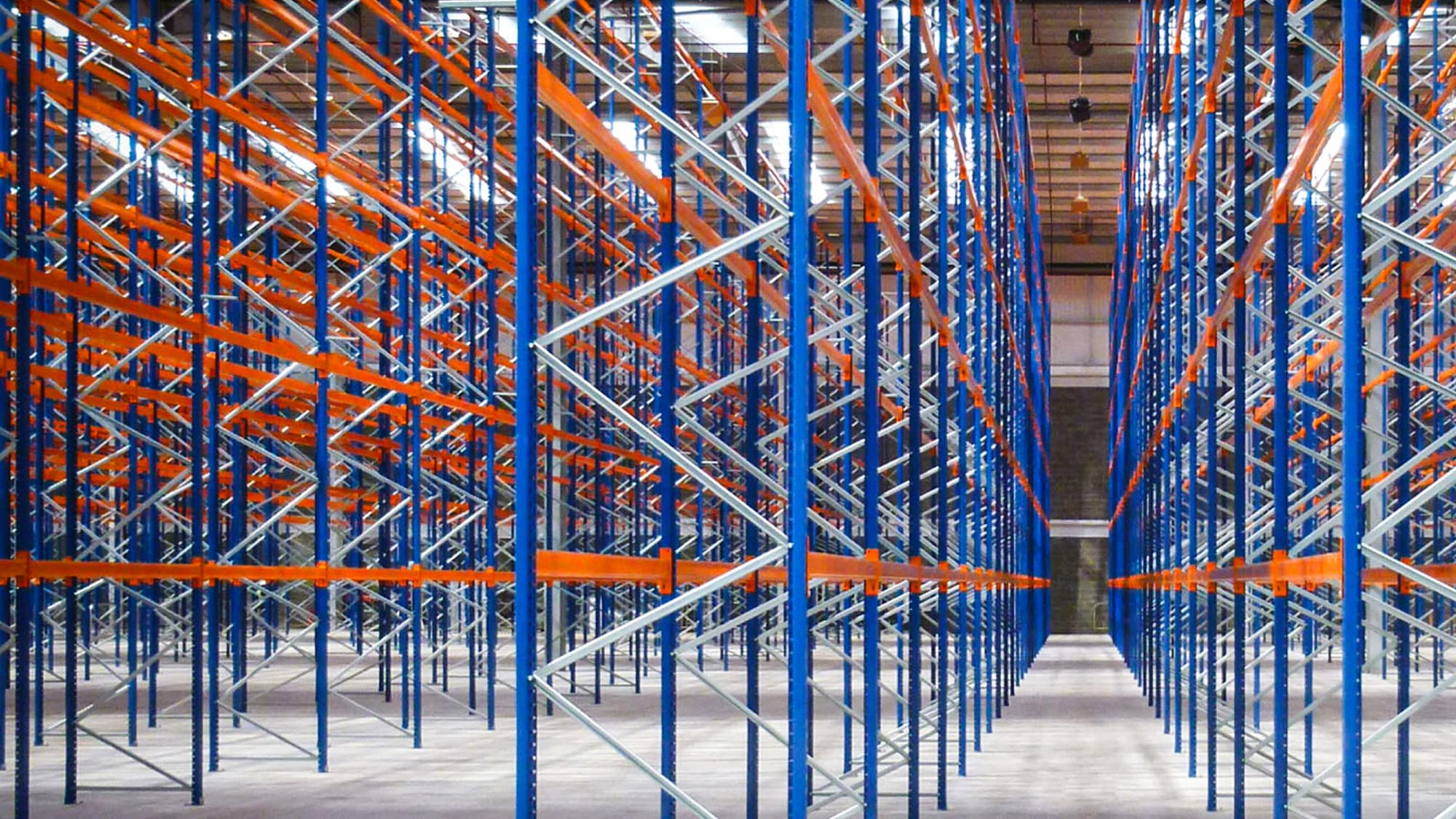
stow will present its complete range of racking, shelving and semi-automated warehouse systems at LogiMAT 2026, occupying Hall 3, Booth 3B77 at Messe Stuttgart from March 24–26, with Movu Robotics exhibiting alongside as part of the stow Group.

How Automation and ESG Will Reshape Air Cargo Performance Metrics over Five Years
Over the next five years automation and ESG metrics are expected to transition from pilot projects into primary performance indicators across the air cargo chain, a shift already signaled by measurable gains from paperless cargo programs.

How AI is transforming end-to-end visibility and smarter routing in air cargo
Airlines and forwarders are increasingly routing shipments using AI models that ingest live flight schedules, airport slot occupancy, warehouse throughput figures, customs ETA feeds and tariff updates to cut dwell times and avoid chain-wide congestion.

How Bixolon’s Label, RFID and Mobile Printers Could Streamline Warehouse Operations at LogiMAT 2026
Bixolon Co., Ltd presented at LogiMAT 2026 (stand 2C37) a lineup engineered for the throughput needs of modern warehouses and transport hubs: compact desktop units for station-based labelling, industrial printers rated for high-volume runs, and mobile RFID-enabled devices for on-the-move encoding.

DOL proposal would return motor carriers to a two-factor “economic reality” contractor test
Motor carriers that rely on owner-operators and brokered loads face a tangible regulatory pivot: the U.S.

Gordie Howe International Bridge Scheduled to Open — What Shippers Need to Know
Michigan Governor Gretchen Whitmer announced the Gordie Howe International Bridge will open later this year, a development that will immediately affect cross-border freight capacity and customs routing between Detroit and Windsor.

FMCSA has renewed the exemption allowing Wilson Logistics’ drivers holding a commercial learner’s permit (CLP) to operate as team drivers without a front-seat CDL holder for a limited period, with the renewal taking effect on February 24 and expiring on February 24, 2031.

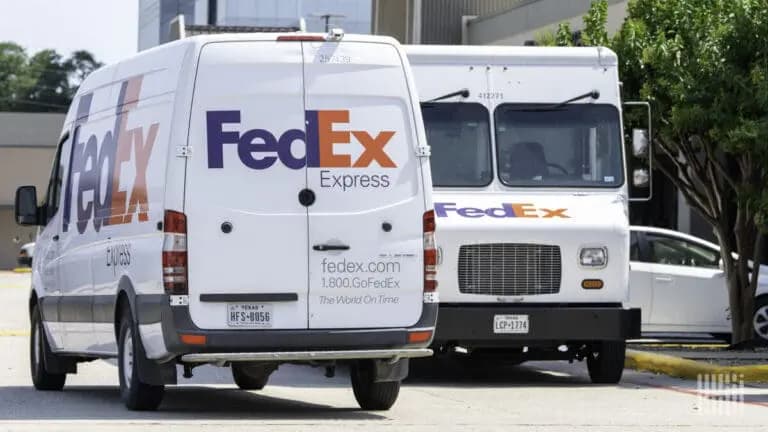
How FedEx’s decision to refund tariffs reshapes freight billing and shipper reconciliation
FedEx will return any tariffs refunded to the company back to the original shippers and customers who paid them, a move that immediately affects accounts payable processes, carrier reconciliations and short-term cashflow planning across parcel and freight networks.

DOL revives Trump administration independent contractor test, weighing control and profit heavily
The Department of Labor’s Wage & Hour Division published a proposed independent contractor (IC) rule that elevates control and the opportunity for profit or loss as the two core factors in determining a worker’s status, aligning closely with the Trump administration’s earlier 2021 regulation.