
Alexander Petrunin
نسب الإرث
يجمع هذا الأرشيف تسميات المؤلفين التاريخية. لم يتم التحقق من الهوية والتأليف بموجب عملية التحرير الحالية لدينا.
مقالات
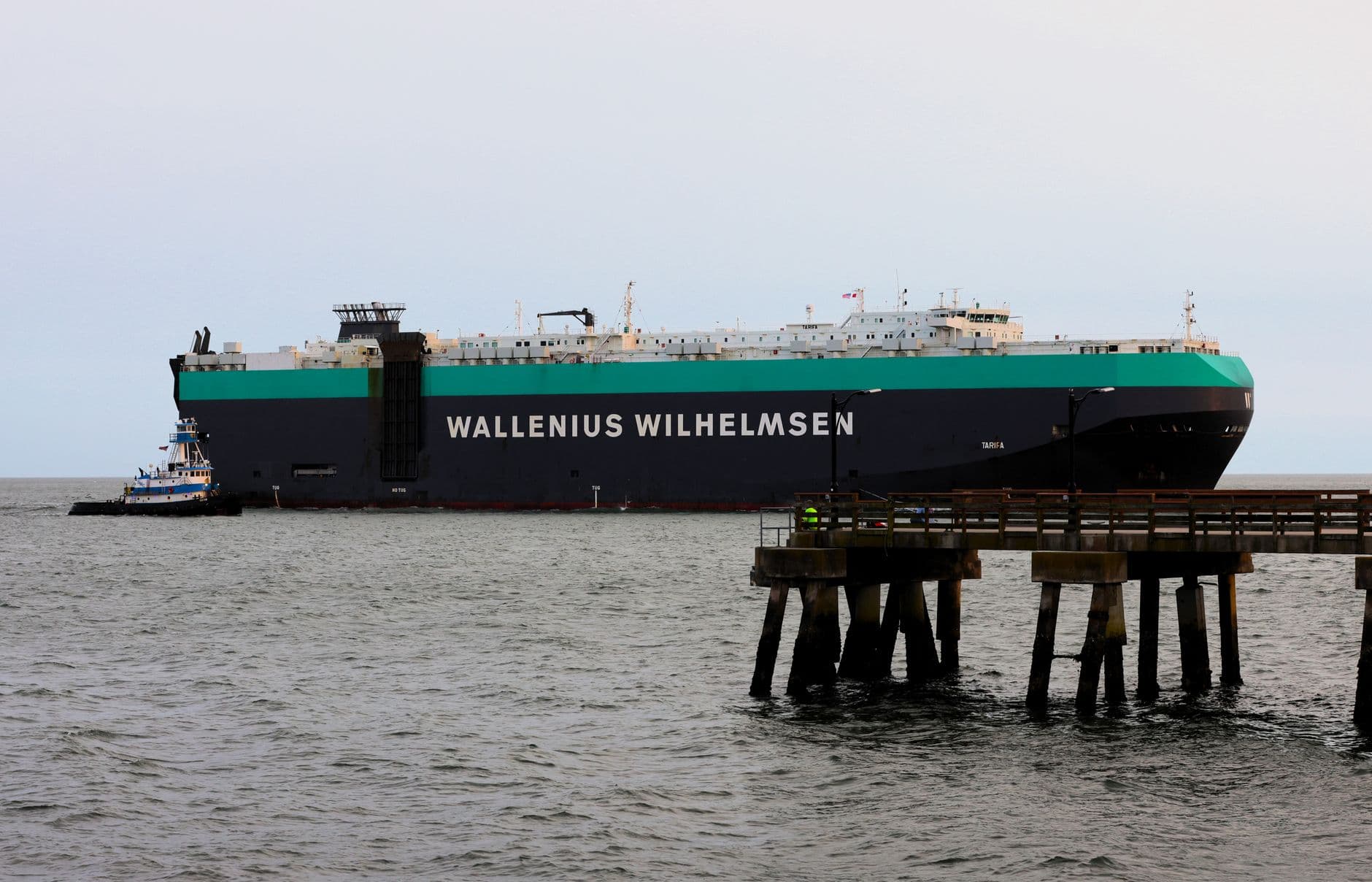
استيراد سيارة مستعملة إلى السعودية في 2026: قاعدة الخمس سنوات، سابر، وRORO
دليل مكتب الشحن لشحن سيارة مستعملة إلى المملكة العربية السعودية ودول مجلس التعاون الخليجي في عام 2026: قاعدة السنوات الخمس لطراز السيارة، ومواصفات القيادة باليد اليسرى واليورو 6b، وشهادة الامتثال SABER، وتصنيف الطاقة SASO، وحساب مفصل للرسوم وضريبة القيمة المضافة، وطريق الشحن البحري الحقيقي من جبل علي إلى الدمام.

الجزء الرابع من سلسلة شحن MCP: بمجرد حجز وكيل للشحنة، يجب أن تصل هذه الحجز إلى نظام السجل. تدفق مرجعي محايد للبائع لإعادة كتابة حجوزات الشحن في SAP TM و Oracle و NetSuite، وتعيين نماذج الكائنات لكل منها، وفخ التكرار الذي يحجز مرتين، وهويّة الخدمة المحددة، وما يجب أن يكشف عنه سوق MCP للحفاظ على السجل نظيفًا.
التوافق مع متطلبات دول مجلس التعاون الخليجي بما يتجاوز SABER: ECAS، SASO، G-Mark، ومن يحتاجها
سابر يغطي المملكة العربية السعودية فقط ولا شيء آخر. خريطة محايدة للموردين حول الامتثال في الخليج: سابر (SASO) مقابل ECAS وعلامة الجودة الإماراتية (MoIAT) مقابل علامة G-Mark (GSO) على مستوى دول مجلس التعاون الخليجي، بالإضافة إلى فخ فئة منتجات SFDA، في مصفوفة واحدة وقائمة تحقق ما قبل الشحن.

تأمين خادم Freight MCP: OAuth 2.1، تسميم الأدوات، وحالات التعرض
الجزء الثالث من سلسلة "Freight MCP": بمجرد أن يتمكن الوكيل من حجز حمولات حقيقية، كيف تمنعه من حجز الشيء الخطأ للشخص الخطأ؟ نموذج أمان محايد للبائع مقسم بين القراءة والكتابة، OAuth 2.1 مع PKCE لأدوات الكتابة، مشكلات تسميم الأدوات والكشف عن النسخ، وما يجب على خادم السوق فرضه والذي يمكن لشركة نقل واحدة تخطيه.

من 1 يوليو 2026، تمنح الاتحاد الاقتصادي الأوراسي تجارة التجزئة الإلكترونية عبر الحدود نظامًا جمركيًا محددًا (قرارات مجلس الاتحاد الاقتصادي الأوراسي): يظل الحد الأدنى 200 يورو لكل شحنة، ولكن فوقه تحمل الطرود رسومًا بنسبة 5% (على الأقل 1 يورو/كجم) بالإضافة إلى ضريبة القيمة المضافة بموجب القواعد الوطنية، حيث تبلغ ضريبة القيمة المضافة في كازاخستان الآن 16%. إليك القراءة التشغيلية: من يدفع عند الحدود، DDP مقابل DAP، ولماذا تصبح المستودعات التابعة للاتحاد ميزة تنافسية.
خوادم MCP للشحن في 2026: Warp، CargoMART وما يجب على خادم السوق الكشف عنه
تحليل جنبًا إلى جنب لخوادم MCP للشحن التي تم شحنها فعليًا في عام 2026 (Warp، CargoMART، freightutils، Easyship): أدوات الأسطح، وأماكن حجز البضائع، وفخ صلاحية عرض الأسعار، وstdio مقابل HTTP المستضاف، وما الذي يجب أن يكشف عنه خادم سوق متعدد شركات الشحن.
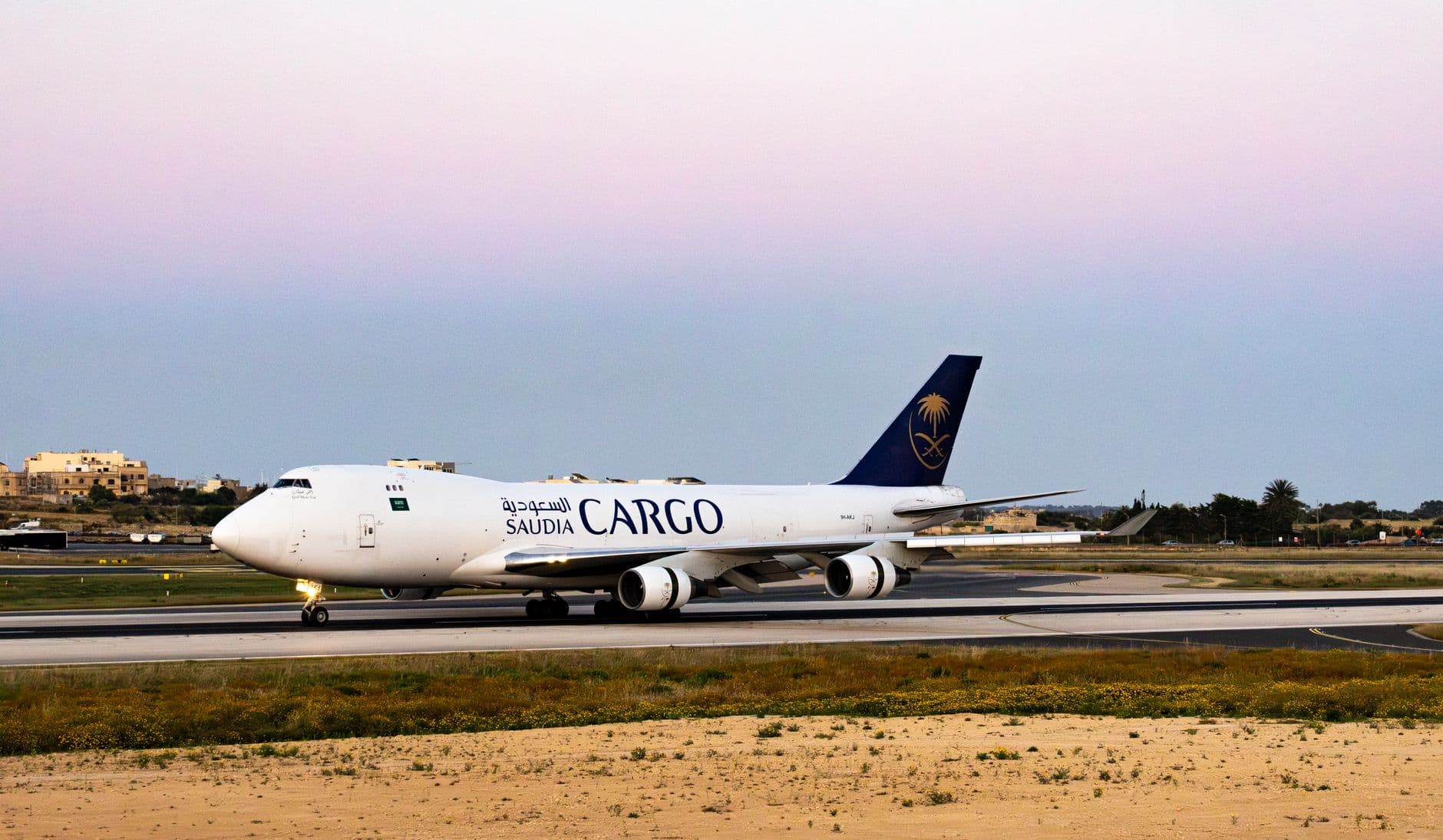
شرح SABER & FASAH: شهادة الاستيراد السعودية خطوة بخطوة
منذ أكتوبر 2025، لن يتم تخليص أي شحنة في الجمارك السعودية بدون شهادة "صابر". إليك كيف تعمل "صابر" و"فسح" معًا، والفرق بين شهادة مطابقة المنتج (PCoC) وشهادة المطابقة (SCoC)، والعملية خطوة بخطوة، وتغيير رموز النظام المنسق لعام 2026، وأهم أسباب رفض الشهادات.
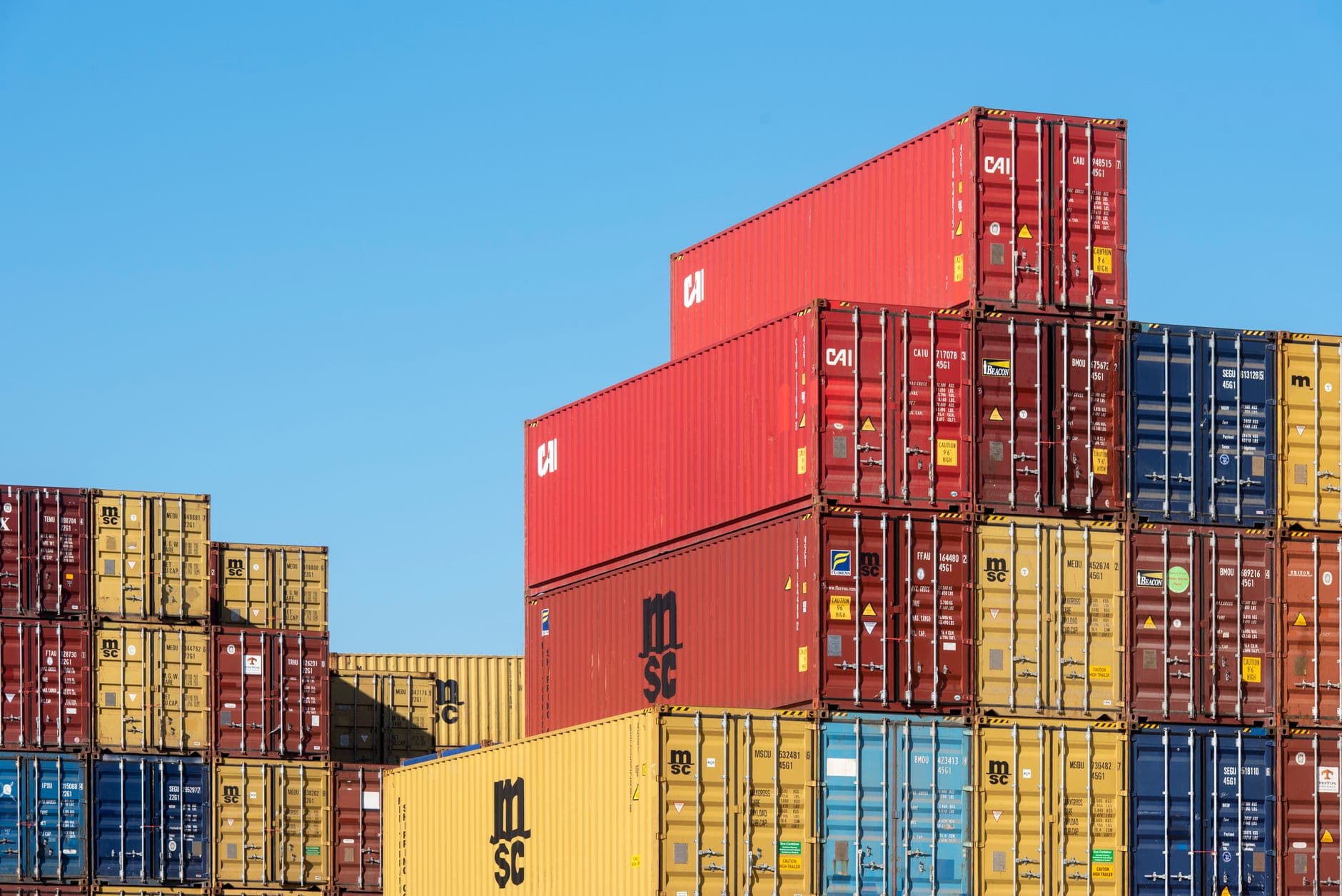
MCP في اللوجستيات: كيفية ربط وكلاء الذكاء الاصطناعي بواجهات برمجة تطبيقات الشحن
يسمح معيار مفتوح الآن لوكلاء الذكاء الاصطناعي باقتباس وحجز وتتبع الشحنات عبر تكامل API واحد. إليك كيفية عمل MCP، ومثال خادم بسيط، ومن يديره في عام 2026، وكيفية الحفاظ على أمانه.
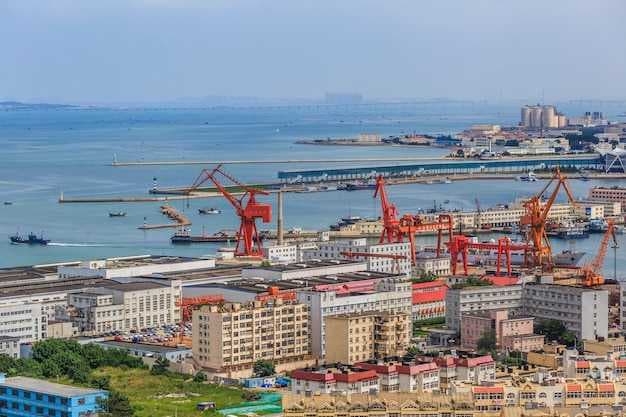
Portugal Freight Transport Trends and Logistics
Portugal’s freight transport sector is undergoing a transformation driven by globalization, e-commerce growth, and strategic investments in port infrastructure. The country’s Atlantic edge, access to the Iberian Corridor, and proximity to both European and African markets position it as a key node in multimodal supply chains. In recent years, ports such as Port of Lisbon , Port of Leixões , and Port of Sines have expanded capacity, diversified cargo profiles, and improved hinterland connections to support containerized, bulk, and Ro-Ro traffic. Shifts toward intermodal solutions are accelerating, aided by ongoing TEN-T corridor enhancements, improved rail-first shipping lanes, and
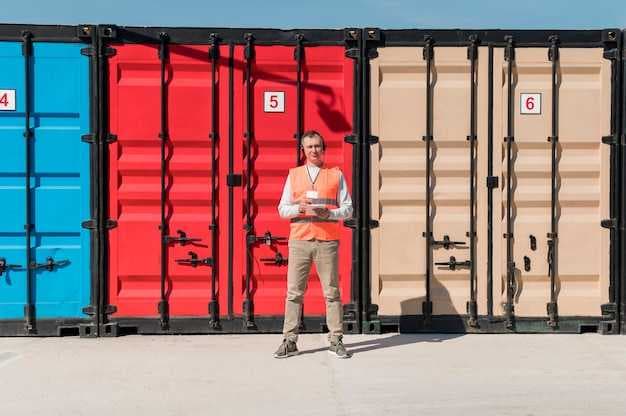
Freight Transport in Portugal Trends and Logistics
Portugal’s freight transport landscape is undergoing rapid change driven by port expansion, intermodal development, and digital logistics tools. Strategic coastal access and enhanced inland connections position the country as a pivotal gateway for Iberian and Atlantic trade, integrating regional supply chains with broader European networks. The Port of Sines , the Port of Leixões , and the Port of Lisbon form the backbone of the national hub system, each expanding capacity for containers, bulk goods, and energy cargo. Sines’ deep-water facilities enable larger vessels and broader trade lanes, while Leixões and Lisbon upgrade terminals to speed up cargo handling and intermodal transfers.

Portugal's freight transport system combines strong maritime gateways with growing road and rail capacity. Maritime corridors are pivotal for international trade, while road networks handle the majority of domestic and regional freight movements. The sector shows a trend toward modal balance, efficiency gains, and digitalization to reduce transit times and costs. Port hubs at Sines and Leixões anchor much of the country's container and bulk logistics, complemented by the Lisbon area logistics zone. Investments in port capacity, hinterland connections, and multimodal terminals enable faster transfer from ships to rail and road, supporting just-in-time supply chains and regional distribution.

Transport services in Portugal provide a comprehensive network that links urban centers, regional towns, and coastal resorts through efficient rail, road, air, and urban mobility options. The system prioritizes connectivity, reliability and safety for residents and visitors alike. The rail network is led by CP – Comboios de Portugal , offering Alfa Pendular high-speed services between Lisbon and Porto, as well as Intercidades and regional routes that reach the Algarve, the north, and the interior. This network provides daily, frequent connections for business and tourism, with modern trains, comfortable seating, and onboard Wi‑Fi on main lines. Urban and metropolitan transport includes