
Alexander Petrunin
نسب الإرث
يجمع هذا الأرشيف تسميات المؤلفين التاريخية. لم يتم التحقق من الهوية والتأليف بموجب عملية التحرير الحالية لدينا.
مقالات

Spain Freight Shipping Practical Guide
Spain freight shipping is a structured process that integrates international carriers, Spanish customs procedures, and local distribution networks to deliver goods reliably across the country. This practical guide outlines essential steps for planning, documenting, selecting carriers, and controlling costs when moving freight to, from, or within Spain. It covers sea, road, rail, and air options with a focus on compliance, visibility, and risk management throughout the supply chain. Major entry points for freight into Spain include the ports of Valencia , Barcelona , Algeciras , Bilbao , and Alicante . These hubs handle containerized cargo, roll‑on/roll‑off traffic, and consolidated
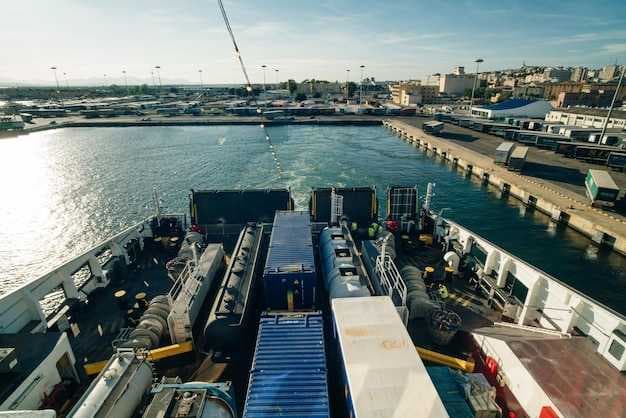
Spain sits at the crossroads of Europe, Africa, and the Mediterranean, offering a dense port network and integrated multimodal connections that make freight shipping efficient across Europe and beyond. Its most influential gateways– Algeciras , Valencia , and Barcelona –handle container traffic, bulk goods, and automotive flows, while a modern rail and road network links inland production hubs with these coastal hubs. For businesses, Spain represents a strategic entry point for European distribution and outbound trade to Southern Europe, North Africa, and Latin America. Successful shipping in Spain depends on a clear view of the regulatory framework, documentation, and risk management from

Freight Shipping in Spain A Practical Guide
Spain serves as a strategic gateway to Europe, with world-class seaports, robust road and rail networks, and a dynamic distribution landscape. From the Mediterranean hubs of Valencia and Barcelona to the Atlantic gateway of Algeciras, freight moves through Spain connecting global supply chains with Iberian markets. This context matters for planning routes, selecting ports, and estimating transit times. This guide delivers practical steps for planning and executing freight shipments to, from, and within Spain. It covers mode selection (sea, air, road, and multimodal options), port and corridor choices, and the regulatory basics, including VAT, duties, and customs procedures for intra-EU and
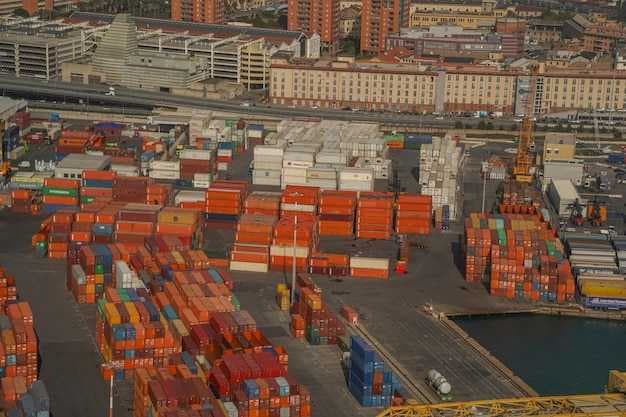
Spain Cargo Transport Infrastructure and Regulation
Spain's cargo transport infrastructure blends world-class ports, expanding rail freight corridors, and a dense road network to connect the Iberian Peninsula with Europe, North Africa, and global markets. The system is shaped by TEN-T corridors and national planning that prioritizes reliability, intermodality , and environmental performance, ensuring cargo can move efficiently across multimodal routes. Key port hubs such as Algeciras, Valencia, Barcelona, and Bilbao anchor the logistics system, offering extensive container, bulk, and roll‑on/roll‑off capacity and strong hinterland connectivity to inland terminals via rail and road. Port authorities coordinate operations while public and

Spain's cargo transport infrastructure comprises a dense network of ports, rail corridors, and road routes that connect the Iberian Peninsula with Europe, North Africa, and global markets. Strategic port gateways such as Algeciras , Valencia , and Barcelona handle containerized freight, bulk goods, and ro-ro traffic, forming the backbone of Spain's multi-modal logistics. Large-scale terminal operators and port authorities coordinate with national agencies to ensure cargo flows align with demand and security requirements. The rail and road network support cargo movement across major corridors. ADIF oversees rail infrastructure and freight corridors, while the Iberian gauge legacy lines and

Portugal's transport system offers a cohesive network spanning rail, road, air, sea, and urban mobility. This guide introduces the core services, how they fit together, and practical considerations for travelers and residents seeking reliable, efficient movement across the country. National rail service is provided by Comboios de Portugal (CP) , offering regional, intercity, and high-speed connections that link Lisbon, Porto, Coimbra, Faro, and the Algarve with frequent daytime and night services. Timetables are designed for cross-country coordination and seasonal demand. Intercity and urban travel is complemented by bus networks and private operators such as Rede Expressos for long

Portugal Transport Services Guide
Portugal offers a comprehensive and efficient transport framework that spans international gateways and local networks. This guide introduces the main services, from international flights to urban mobility, helping travelers navigate the country with confidence and ease. In practice, travelers will encounter major airports in Lisbon and Porto, with regional hubs in Faro and Sintra for access to the Algarve and central regions. The national rail service, Comboios de Portugal (CP) , connects Lisbon, Porto, Coimbra, and beyond with fast intercity trains and reliable regional services, while the Alfa Pendular and Intercidades routes deliver rapid links across the country. Urban transport

Freight transport in Portugal relies on a diverse multi‑modal system that links inland markets with European corridors and global supply chains. The country’s strategic Atlantic coastline, its geographic position on the Iberian Peninsula, and cross‑border links with Spain shape freight flows, port development, and modal choices across the economy. Road transport remains the dominant mode for freight in Portugal, carrying the majority of goods due to flexible last‑mile service and dense urban distribution. Major motorways such as the A1, A2, and A22 form the backbone of national freight corridors, while urban congestion and emissions drive logistics operators to optimize routes, schedules,

Spain is a strategic gateway for international trade, linking European markets with the Iberian Peninsula and connecting global supply chains to the Mediterranean and Atlantic corridors. Major port hubs such as Valencia, Algeciras, Barcelona, and Bilbao act as gateways for containerized freight, Ro-Ro, and bulk cargo, supported by a dense road and rail network to reach inland destinations. Geographic diversity and a well-developed hinterland enable efficient regional distribution and seamless access to European markets. Sea freight dominates Spain's logistics landscape, with modern container terminals and frequent liner services. Valencia and Algeciras are among the busiest ports, handling

Next Gen Freight Platforms for European Carriers
Next-gen freight platforms are digital ecosystems that connect European carriers, shippers, and logistics services through unified workflows and real-time data sharing. By integrating transport modes, customs compliance, and payment flows, these platforms create a seamless operating picture across the continent's diverse supply chains. They enable dynamic capacity matching , end-to-end visibility , and data-driven decision making , reducing manual touchpoints and accelerating tender cycles across cross-border corridors. For European carriers, benefits include lower empty miles , access to cross-border loads, improved on-time performance, and new revenue streams from value-added services
 رسوم توضيحية تحريرية بمساعدة الذكاء الاصطناعي
Future European Freight Platforms for Carriers
European freight markets are transitioning to platform-based ecosystems that connect carriers, shippers, and logistics providers on a single digital interface. Fragmentation across borders, languages, and regulatory regimes creates friction; next-generation platforms aim to consolidate capacity, pricing, and compliance, delivering visibility and speed to carriers. These platforms will be built on open data standards and an API-first design, enabling seamless data exchange across modes, customs authorities, insurers, and payments. Real-time capacity matching, dynamic pricing , and multi-leg routing reduce empty miles and improve utilization. Interoperability across European borders remains

Future Freight Platforms for European Carriers
Future freight platforms are reshaping the European carrier landscape by connecting shippers, freight forwarders, and operators through unified digital marketplaces. They reduce empty miles, sharpen real-time visibility , and enable cross-border coordination across road, rail, sea, and air. These platforms converge legacy IT systems into interoperable ecosystems based on open APIs, standardized data models, and digital documentation. Interoperability and data standardization are the core enablers, reducing friction at borders and speeding up operational cycles. In the European regulatory context, platform design emphasizes transparency, compliance, and sustainability. Regulatory alignment