Get The App


Author
James Miller specializes in global logistics and supply chain dynamics. His investigative work explores the intricacies of international trade, infrastructure challenges, and technological advancements shaping modern commerce. He advocates for sustainable practices and transparency in supply chain operations.

Indiana State Police remove 752 vehicles and 653 drivers from service in early 2026
Between Jan. 1 and Feb. 14, the Indiana State Police Commercial Vehicle Enforcement Division completed 6,455 commercial vehicle inspections and placed 653 drivers and 752 vehicles out of service for safety violations, while also recording 278 overweight and 49 oversize violations. Inspection snapshot: raw numbers that matter to carriers Those figures aren’t just bureaucratic noise — they drive decisions around route planning, fleet maintenance, and compliance budgets. When more than 10% of inspected vehicles are taken out of service, fleet managers feel it in downtime, rerouted loads, and sudden re-dispatch requirements. For a regional haulage operator, an OOS event can cascade into delayed

Why Canadian truckers’ duty hours and pay gaps are creating a logistics headache
Canadian rules allow a 16-hour on‑duty window with 13 hours of driving while the U.S.
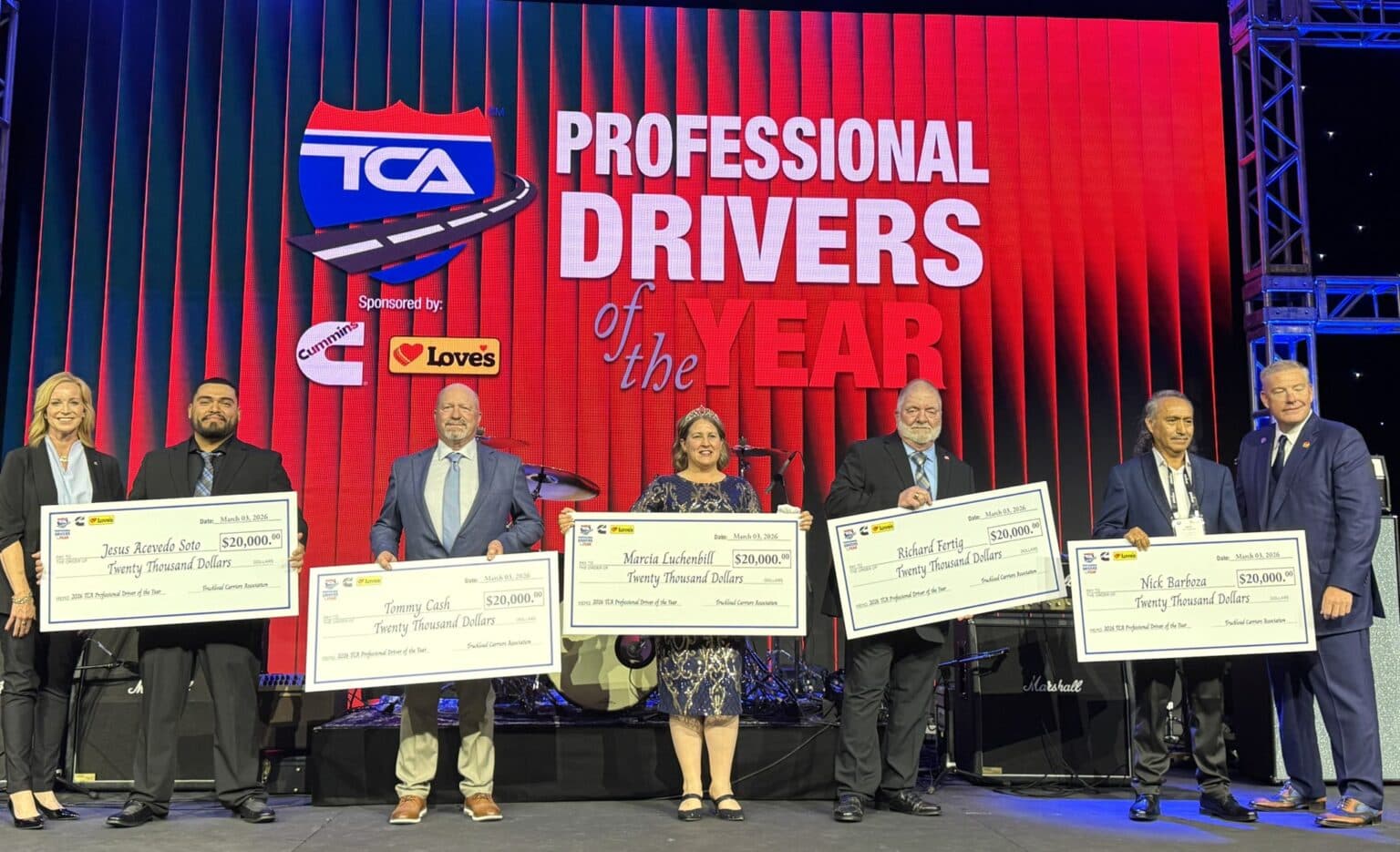
Inside TCA’s 2026 Professional Drivers of the Year: safety records, career miles and fleet impact
Five drivers representing Swift Transportation, Knight Transportation, CAST Specialty Transportation, Covenant Logistics Group and Smith Transport together account for more than 14 million career miles and a raft of elite safety distinctions — a quantifiable contribution to fleet uptime, risk exposure and insurance underwriting for their carriers.
Nearly 700 New Paid Student Placements to Boost Canada’s Trucking and Logistics Pipeline
Trucking HR Canada (THRC) has doubled the number of wage incentives in the Student Work Placement Program, unlocking capacity for roughly 700 additional paid student placements across Canada’s trucking and logistics ecosystem after an announcement by CEO Angela Splinter at the Women with Drive summit in Toronto on March 5.

Michelle Arseneau of GX Transport Honored by Trucking HR Canada at 2026 Women with Drive Summit
Michelle Arseneau of GX Transport was announced as the 2026 recipient of Trucking HR Canada’s Women with Drive Leadership Award during the 12th annual Women with Drive Leadership Summit in Toronto, a recognition that directly reflects decades of operational leadership and workforce development in Canadian freight transport.

States challenge the Section 122 10% global tariff and what it means for freight and supply chains
The sudden imposition of a 10% global tariff under Section 122 of the 1974 Trade Act immediately raises landed-cost calculations for importers, forces freight forwarders to reprice quotes and shifts container-routing decisions at major gateways — expect spot trucking rates and drayage capacity to tighten as ports and inland distribution centers receive adjusted manifests and revised instructions.
February spike in Class 8 orders and steady spot rates: logistics impacts and planning advice
Class 8 net orders climbed to 47,200 in February, the highest monthly intake since September 2022 — a 47% month-over-month jump and a 159% year-over-year increase, according to FTR.

DataDis has shifted its executive lineup by elevating an internal operations lead to vice president of operations, a move that will directly influence process optimization across fleet telematics, dispatch workflows and customer support for commercial fleets in Quebec and adjacent markets.
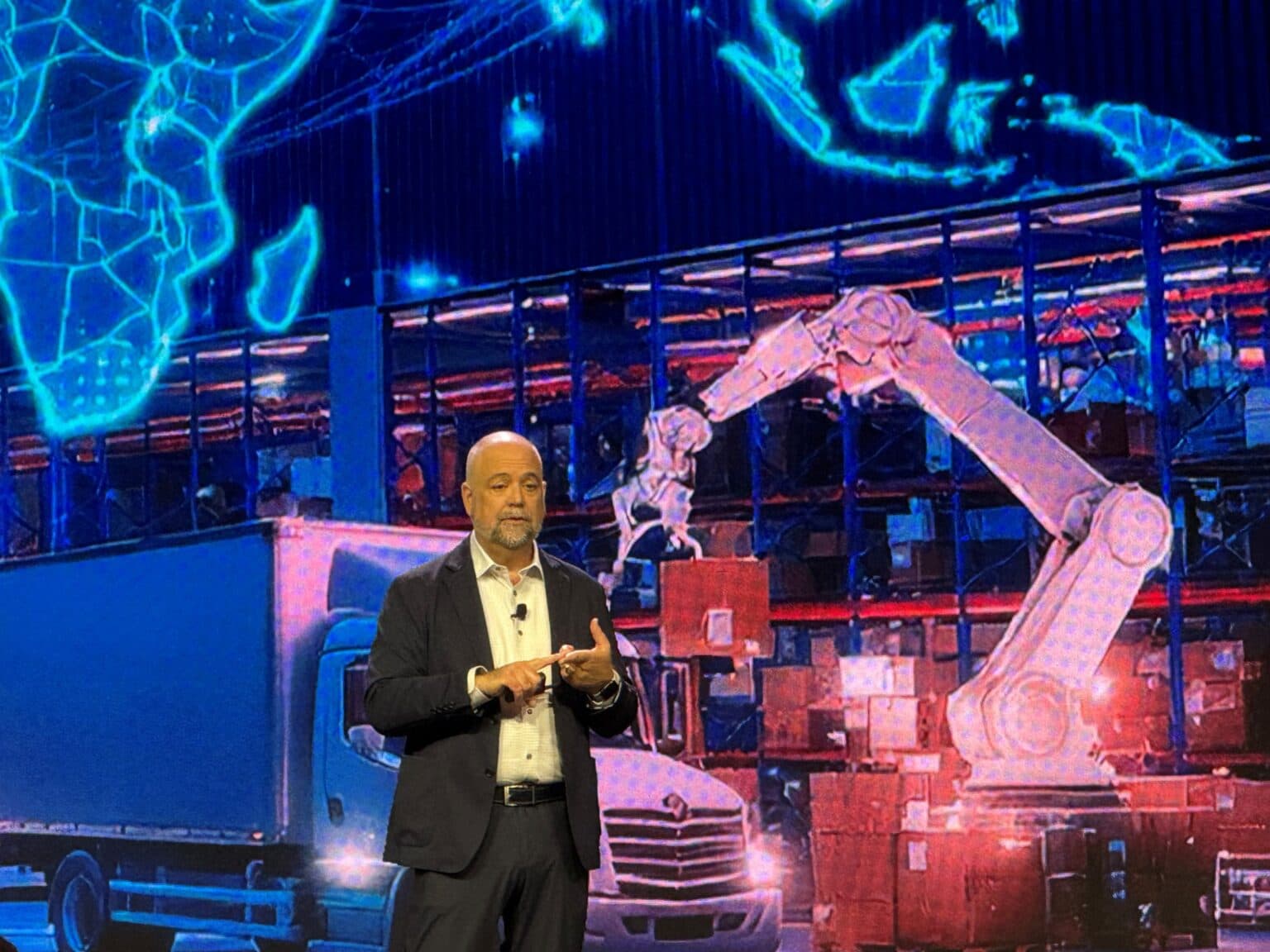
Bob Costello: trucking’s recovery is painfully slow because capacity—not freight—has shifted
Contract truckload shipments rose 1.4% in January 2026 (seasonally adjusted), the biggest monthly jump since October 2024, yet overall contract volumes still sit about 9.2% below the 2022 peak, illustrating a recovery that’s coming from the supply side rather than a surge in freight demand.
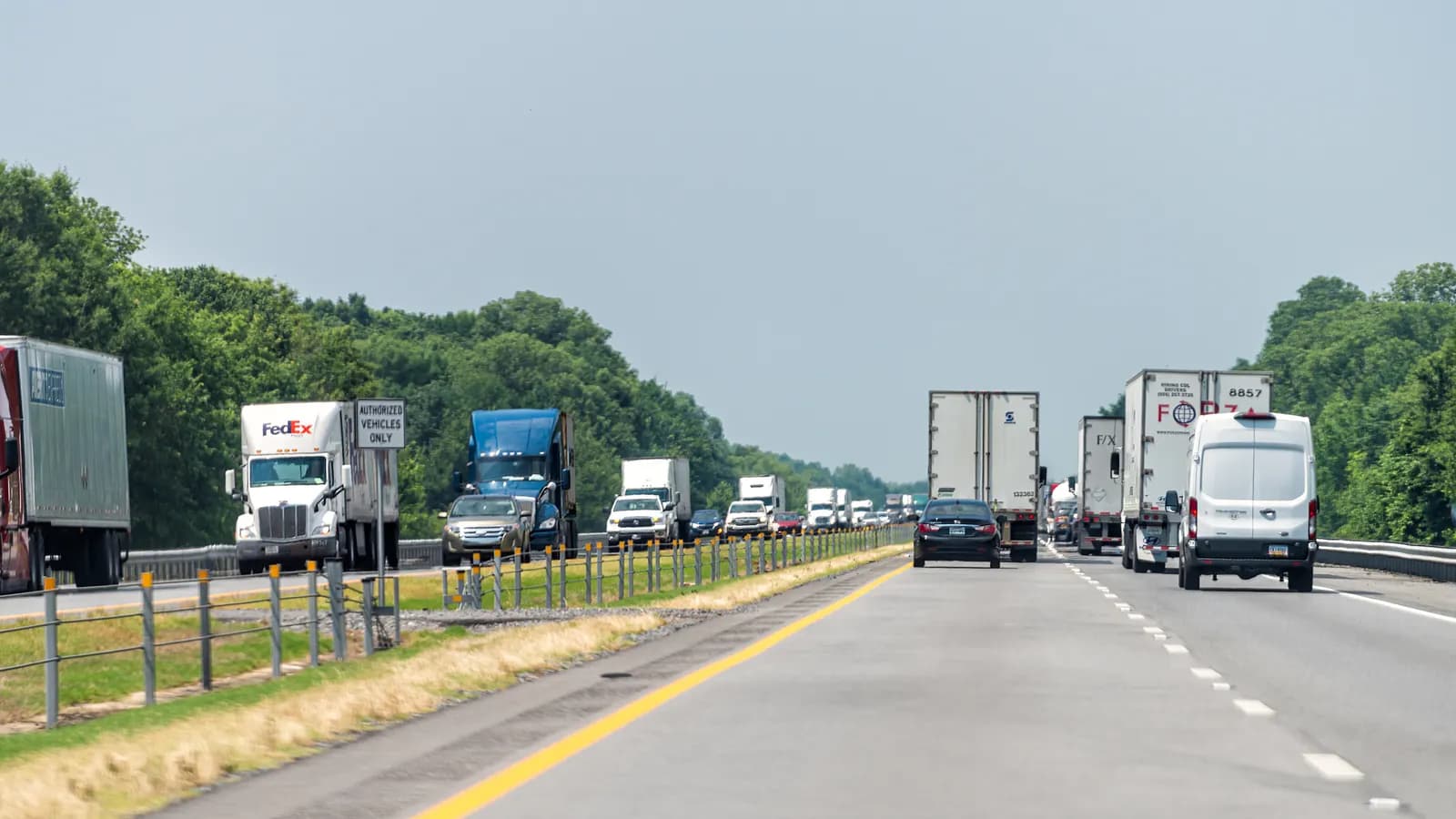
ATRI launched its annual Operational Costs of Trucking survey asking motor carriers to report 2025 metrics through April 24, requesting granular figures on driver pay, equipment payments, insurance premiums and key performance indicators such as revenue per truck per week.

AI competency and change management climb HR priority lists
Warehouse HR and transport operations teams are being asked to integrate AI-driven rostering, automate training playlists for seasonal hires, and guide organizational restructures to keep 24/7 supply chains moving — and LinkedIn’s Skills on the Rise highlights that AI literacy and organizational change management are among the fastest-growing HR skill sets.

Port 460 Logistics Center advances in Suffolk with A. Duie Pyle developing Building 5
The Port 460 Logistics Center occupies over 500 acres in Suffolk, Virginia, with a planned buildout of roughly 5 million square feet of industrial warehouse and distribution space.
