


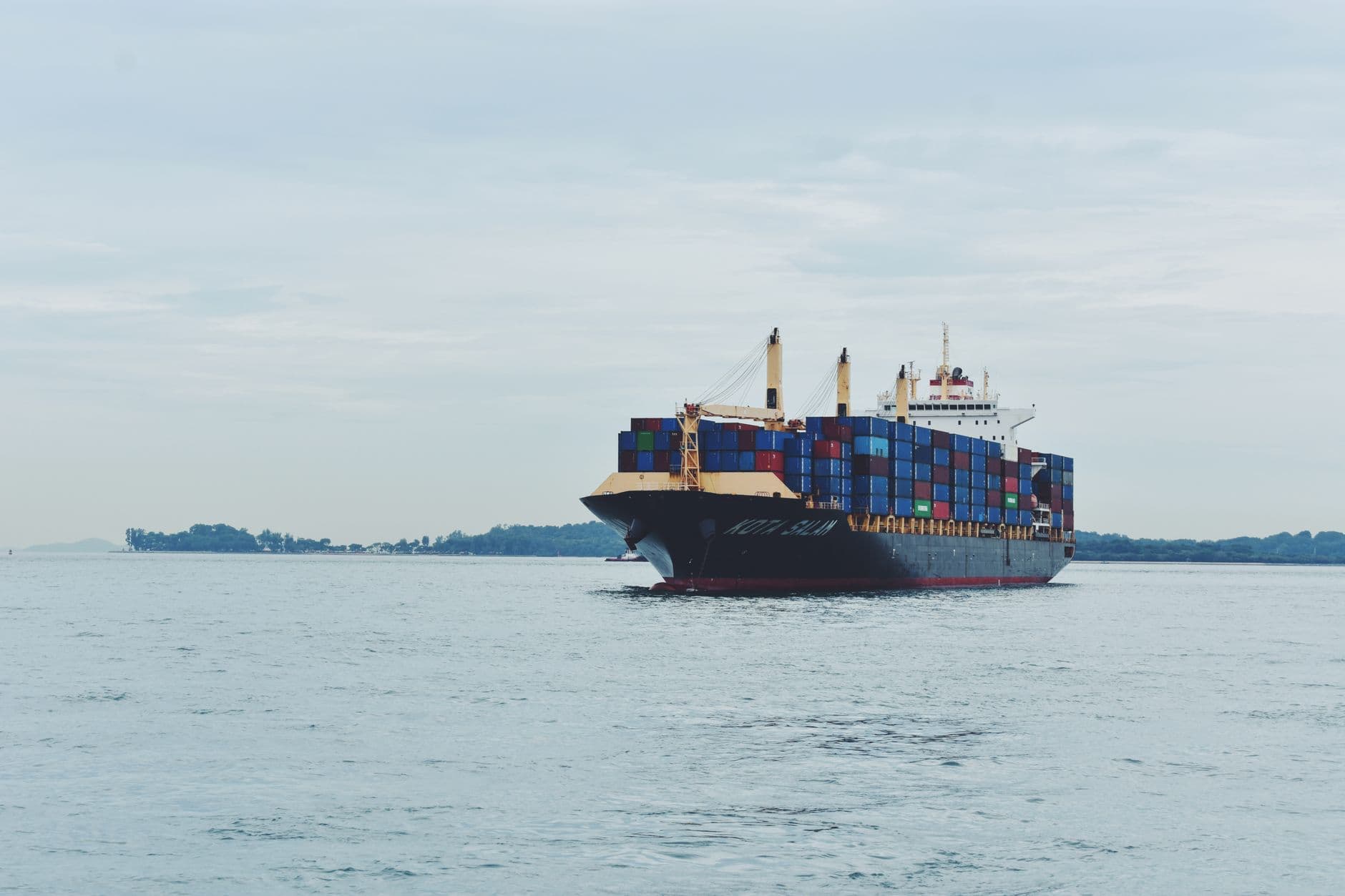

Od 1. května 2026 naše přepravní přepážka dostává stejnou otázku z obou stran Atlantiku. Exportér v Německu nebo Španělsku chce vědět, co nová dohoda EU-Mercosur udělá s náklady na prodej do Brazílie nebo Argentiny, a dovozce v São Paulu chce vědět, co změní v opačném směru. Upřímná odpověď lidi překvapí. Lodě stále plují stejnými trasami, přístavy se nepřesunuly a kontejnery vypadají stejně. Co se mění, je výpočet cla a dokumentace, která ho odemyká, a špatná dokumentace je nejrychlejší způsob, jak zaplatit plné clo za zboží, které mělo nárok na slevu.
GetTransport.com přepravuje náklad na trasách z EU do Jižní Ameriky, takže se jedná o provozní pohled na dohodu spíše než o politický. Titulky se roky zabývaly politikou. Majitel nákladu potřebuje něco konkrétnějšího: co bylo spuštěno, jak rychle sazby skutečně klesají, jaký doklad o původu musíte mít, a kdy je uplatnění preferenčního režimu hodno úsilí spojeného s dodržováním předpisů. Tento průvodce zůstává neutrální vůči dodavatelům i politice a drží se toho, co se týká zásilky.
Co bylo spuštěno 1. května 2026
1. května 2026 vstoupila v platnost prozatímní aplikace obchodní dohody mezi EU a Mercosurem. Prozatímní aplikace je právní mechanismus, který umožňuje, aby obchodní kapitoly vstoupily v účinnost předtím, než každý národní parlament ratifikuje celou dohodu, a v celních podmínkách to znamená, že preference jsou reálné od tohoto data. Mercosur zde představují čtyři zakládající členové, Argentina, Brazílie, Paraguay a Uruguay, které společně tvoří trh o velikosti přibližně 270 milionů lidí, jeden z největších, který EU kdy otevřela na preferenčních podmínkách.
Rozsah je široký. Na straně EU dohoda odstraňuje dovozní cla na více než 91 procent zboží vyváženého do Mercosuru, a to postupně v čase, zatímco zhruba 92 procent vývozu z Mercosuru do EU směřuje k bezcelnímu zacházení. Tyto procenta jsou odměnou, ale slovo, které je pro plánování nejdůležitější, je postupně. Velmi málo z toho je přepínač, který se zapne první den.
Snížení tarifů je postupné, ne jednorázové.
Největším nedorozuměním, které slýcháme, je, že 1. květen 2026 učinil obchod bezcelním. To se nestalo. Odstraňování cel probíhá podle harmonogramu až 10 let pro většinu produktů a až 15 let pro citlivé zboží, počítáno od vstupu v platnost. První den je prvním krokem na tomto schodišti, nikoli jeho vrcholem.
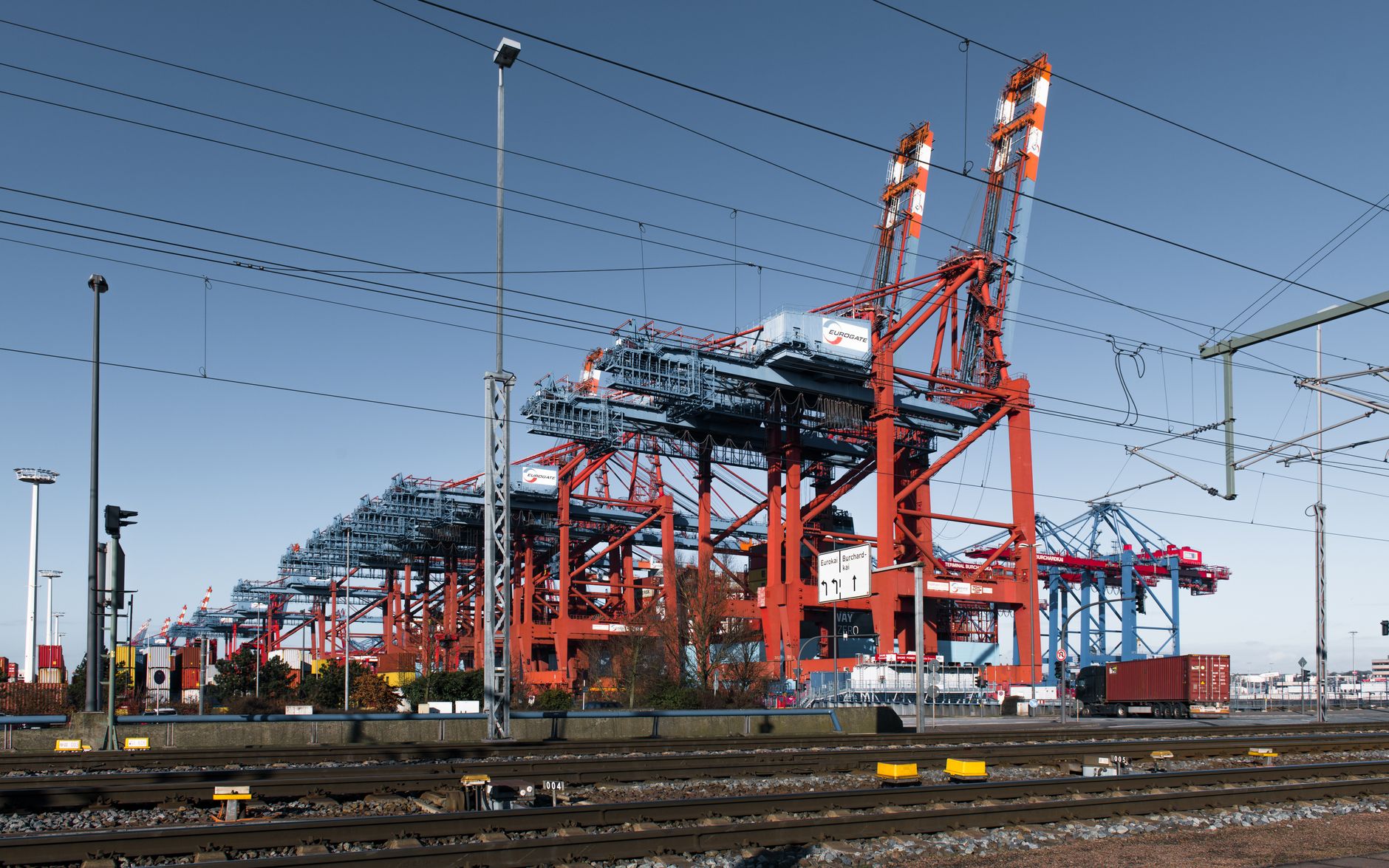
Sektor automobilů ukazuje, jak to funguje. Elektrická a hybridní vozidla EU vyvážená do Mercosuru zaznamenala okamžitý pokles cla z 35 procent na 25 procent a vozy se spalovacími motory z 35 procent na 17,5 procenta, přičemž obě sazby se budou během přechodného období dále snižovat. U spalovacího vozu za 30 000 eur představuje tento jediný krok rozdíl mezi zhruba 10 500 eury a 5 250 eury cla, což je změna o 5 250 eur na jednotku již od prvního dne, což je dostatečně velké na to, aby to změnilo celý importní plán na celý modelový rok. Textil, zdaňovaný 35 procenty, zahájil osmiletý přechod na nulu s prvním snížením o 3,9 procentního bodu již od prvního dne. U textilní zásilky za 100 000 eur představuje tento první krok zhruba 3 900 eur, což je ve srovnání s čísly u automobilů skromné, ale každým rokem, kdy harmonogram běží, se to sčítá. Správný způsob, jak dohodu číst, je tedy produkt po produktu v porovnání s jeho harmonogramem, protože clo, které můžete uplatnit dnes, je zřídka konečná sazba, a model nákladů na místě postavený na konečném čísle bude po řadu let chybný.
Pravidla původu jsou skutečná práce
Preferenční sazba je bezcenná, pokud nemůžete prokázat, že zboží splňuje podmínky pro její uplatnění, a tento důkaz je operačním jádrem dohody. Kapitola 3 dohody stanovuje pravidla původu a postupy a definuje, zda produkt skutečně pochází z EU nebo z Mercosuru, a nikoli zda byl přepraven z třetí země, aby se získala sleva.
Existuje přechodné období, jak to prokazujete. Po dobu až pěti let od vstupu v platnost bude EU akceptovat osvědčení o původu jako prohlášení, že zboží splňuje požadavky na původ, což dává vývozcům známý dokument, se kterým mohou pracovat, zatímco se systém registrovaných vývozců REX zaběhává. Praktickým úkolem dopravce je potvrdit status původu každého produktu podle jeho konkrétního pravidla, mít správnou dokumentaci a vést záznamy, protože celní orgány na obou stranách vás mohou požádat o doložení tvrzení i po propuštění zboží do celního režimu. Nárokování preferenčního zacházení, které nemůžete doložit, je horší než ho nenárokovat.
Co se ve skutečnosti mění pro nákladní dopravu
Tady je potřeba přehodnotit očekávání. Dohoda nic nepřesměrovává. Hlubokomořské trasy mezi severoevropskými přístavy a Santosem, Buenos Aires a Montevideem vedou přesně tak, jak vedly. Kontejner z Rotterdamu nebo Antverp do Santosu obvykle trvá asi 16 až 22 dní z přístavu do přístavu, do Buenos Aires blíže k 24 až 30 dnům, a žádný z těchto časů se kvůli dohodě nemění. Co se mění, jsou ekonomické podmínky, které se vážou k této přepravě.
Nižší cla mění náklady na dovoz, což mění, které produkty stojí za to dopravovat v jakém objemu, což v průběhu času posouvá mix a množství nákladu na těchto trasách, nikoli jejich geografii. Na trasách, které spárujeme, byla první reakce exportérů přepočítání modelů nákladů na dovoz u strojů, dílů vozidel a chemikálií, protože tyto komodity mají jak vysoká počáteční cla, tak stabilní objem přepravy z EU do Mercosuru. Pro osobu, která rezervuje přepravu, je nová práce klasifikace a původ, nikoli hledání nové plavby. Proto považujeme zásilku z EU do Mercosuru za dokumentační projekt s běžnou námořní přepravou, a nikoli naopak.
Které zboží to pocítí jako první
Protože je harmonogram rozložen, prvními vítězi jsou produkty s velkými slevami první den nebo krátkými přechodnými obdobími. Vozidla a díly vozidel z EU, stroje, chemikálie a některé textilie pocítí změnu nejdříve na vývozní noze do Mercosuru. V opačném směru se velká část zemědělských a surovinových vývozů z Mercosuru přesouvá k bezcelnímu přístupu do EU, ačkoli politicky citlivé zemědělské položky jsou řešeny prostřednictvím celních kvót namísto otevřeného přístupu. Hlavním příkladem je roční hovězí kvóta ve výši 99 000 tun s redukovaným dovozním clem ve výši 7,5 procenta v rámci kvóty, zaváděná postupně v prvních letech, spolu s řízenými kvótami pro drůbež, ethanol, cukr a med, které spadají do delšího 15letého přechodného období.
Pokud vozidla do regionu dovážíte, změna cla je dostatečně významná na to, abyste přehodnotili celou nákladovou strukturu, a mechanika jejich skutečného přesunu je popsána v našem průvodci mezinárodní přeprava aut v roce 2026. Položka celního sazebníku a dopravní linka jsou samostatná rozhodnutí a dohoda se týká pouze první z nich.
Když má přednost nárok uplatnit, a nástrahy
Claiming the preference je téměř vždy výhodné, když úspora na cle pokryje náklady na správné určení původu, což u pravidelného toku zboží, které splňuje podmínky, pohodlně zvládne. Méně zjevně výhodné to je pro jednorázovou zásilku s nízkou hodnotou, kde čas potřebný na splnění požadavků převáží malou předčasnou slevu, která ještě nedosáhla nuly.
Pasti jsou předvídatelné. Pokud předpokládáte, že první den znamená bezcelové dodávky, vede to k nesprávně oceněným nabídkám. Pokud předpokládáte, že produkt pochází lokálně, aniž byste zkontrolovali jeho konkrétní pravidlo původu, vede to k nároku, který se zhroutí při auditu. A zacházení s prozatímní aplikací, jako by byla plná dohoda ratifikována, ignoruje skutečnou právní výhradu, protože prozatímní aplikace může být v zásadě upravena, takže obezřetný přepravce uplatní preferenci a zároveň udržuje dokumentaci dostatečně pevnou, aby přežila pozdější přezkum.
Kontrolní seznam pro dodržování předpisů u zásilek EU-Mercosur
- Klasifikujte každý produkt a vyhledejte jeho konkrétní tarifní položku a harmonogram postupného zavádění, nikoli údaj 91 procent v záhlaví.
- Potvrďte pravidlo původu pro tento výrobek a zda vaše zboží toto pravidlo skutečně splňuje.
- Použijte cestu osvědčení o původu, dokud to pětiletý přechod umožňuje, a připravte se na systém registrovaného vývozce poté.
- Uchovávejte původní doklady připravené k doložení nároku, pokud je celní úřad požádá po proclení.
- Model přistávací náklady na aktuální fázované clo, nikoli na konečnou nulovou sazbu.
- Udržte rozhodnutí o rezervaci nákladu oddělené od rozhodnutí o sazbě, protože dohoda mění cenu, nikoli trasu.
EU-Mercosur je velkým otevřením, ale v praxi jde o dohodu o dokumentaci v obleku obchodní titulky. Lodě se nezměnily, celní sazebník a doklad o původu ano, a přepravce, který čte sazebník produkt po produktu a drží papíry o původu, je ten, kdo skutečně inkasuje úspory.
Často kladené otázky
Kdy vstoupila v platnost dohoda EU-Mercosur?
The EU-Mercosur Interim Trade Agreement vstoupilo do prozatímní aplikace 1. května 2026. Prozatímní aplikace umožňuje, aby obchodní kapitoly vstoupily v platnost před úplnou ratifikací každým národním parlamentem, takže celní preference a pravidla původu jsou použitelné od tohoto data. Mercosur v této dohodě znamená jeho čtyři zakládající členy, Argentinu, Brazílii, Paraguay a Uruguay.
Zavedla dohoda EU-Mercosur okamžitě bezcelní obchod?
No. Odstranění cel je postupné až po dobu 10 let u většiny produktů a až 15 let u citlivých, počítáno od vstupu v platnost. První den přinesl první snížení spíše než nulové clo. Například u spalovacích motorů v EU kleslo clo z 35 procent na 17,5 procenta a u elektrických a hybridních vozidel z 35 procent na 25 procent, zatímco textilie zahájily osmiletý přechod s 3,9 procentního bodu snížením první den.
Jaký doklad o původu potřebuji k uplatnění nižšího cla?
Musíte prokázat, že zboží splňuje pravidla původu v Kapitole 3 dohody. Po dobu až pěti let od vstupu v platnost EU akceptuje osvědčení o původu jako toto prohlášení, poté se uplatní systém registrovaných vývozců. Praktickým úkolem je potvrdit původ každého výrobku podle jeho konkrétního pravidla, uchovávat správnou dokumentaci a vést záznamy, protože celní orgány vás mohou požádat o doložení tvrzení po propuštění zboží.
Změní tato dohoda přepravní trasy mezi EU a Jižní Amerikou?
Ne. Hlubokomořské trasy mezi severoevropskými přístavy a Santos, Buenos Aires a Montevideo zůstávají nezměněny, na stejných službách a s stejnými přepravními lhůtami. Co se mění, je clo, a tím i konečné náklady, což v průběhu času posouvá objem a skladbu nákladu, nikoli jeho geografii. Pro osobu, která rezervuje přepravu, je novou prací klasifikace a dokumentace původu, nikoli hledání nové plavby.
Pokud jsou vozidla součástí vašeho obchodu s tímto regionem, spojte to s naším průvodcem mezinárodní přeprava aut v roce 2026, protože snížení cla a fyzický přesun jsou oddělená rozhodnutí a vy chcete mít obojí správně.