
Alexander Petrunin
Legacy-Zuordnung
Dieses Archiv fasst historische Autorenbezeichnungen zusammen. Identität und Autorschaft wurden nach unserem aktuellen redaktionellen Prozess nicht verifiziert.
Artikel

Absicherung eines Freight MCP Servers: OAuth 2.1, Tool Poisoning und offengelegte Instanzen
Teil drei der Serie über Freight MCP: Sobald ein Agent echte Frachten buchen kann, wie verhindert man dann, dass er das Falsche für die falsche Person bucht? Ein anbieterneutrales Sicherheitsmodell, unterteilt in Lese- und Schreibzugriff, OAuth 2.1 mit PKCE für Schreibwerkzeuge, die Probleme der Tool-Vergiftung und exponierter Instanzen sowie was ein Marktplatzserver durchsetzen muss, was ein einzelner Spediteur überspringen kann.

Neue EAWU-Zollregeln ab Juli 2026: Versand nach Kasachstan, Russland und in die Union
Ab dem 1. Juli 2026 erhält der grenzüberschreitende E-Commerce in der EAWU ein definiertes Zollverfahren (Beschlüsse des Rates der EAEU): Die Bagatellgrenze von 200 Euro pro Sendung bleibt bestehen, aber darüber hinaus werden Pakete mit einem Zollsatz von 5 % (mindestens 1 Euro/kg) zuzüglich Mehrwertsteuer nach nationalen Vorschriften belegt, wobei die Mehrwertsteuer in Kasachstan nun 16 % beträgt. Hier ist die operative Lesart: Wer zahlt an der Grenze, DDP vs. DAP, und warum ein Lager auf der Unionsseite zu einem Vorteil wird.

Fracht-MCP-Server im Jahr 2026: Warp, CargoMART und was ein Marktplatz-Server bieten muss
Ein nebeneinanderliegender Zerlegung der Fracht-MCP-Server, die tatsächlich im Jahr 2026 ausgeliefert wurden (Warp, CargoMART, freightutils, Easyship): Tool-Oberflächen, wo die Buchung gesperrt ist, die Quote-Validity-Falle, stdio vs. gehostetes HTTP und was ein Multi-Carrier-Marktplatz-Server freigeben muss.

SABER & FASAH erklärt: Saudi-Arabische Importzertifizierung Schritt für Schritt
Ab Oktober 2025 wird keine Sendung mehr den saudischen Zoll passieren, ohne ein SABER-Zertifikat. Hier erfahren Sie, wie SABER und FASAH zusammenarbeiten, den Unterschied zwischen PCoC und SCoC, den schrittweisen Prozess, die HS-Code-Änderung 2026 und die häufigsten Gründe für abgelehnte Zertifikate.
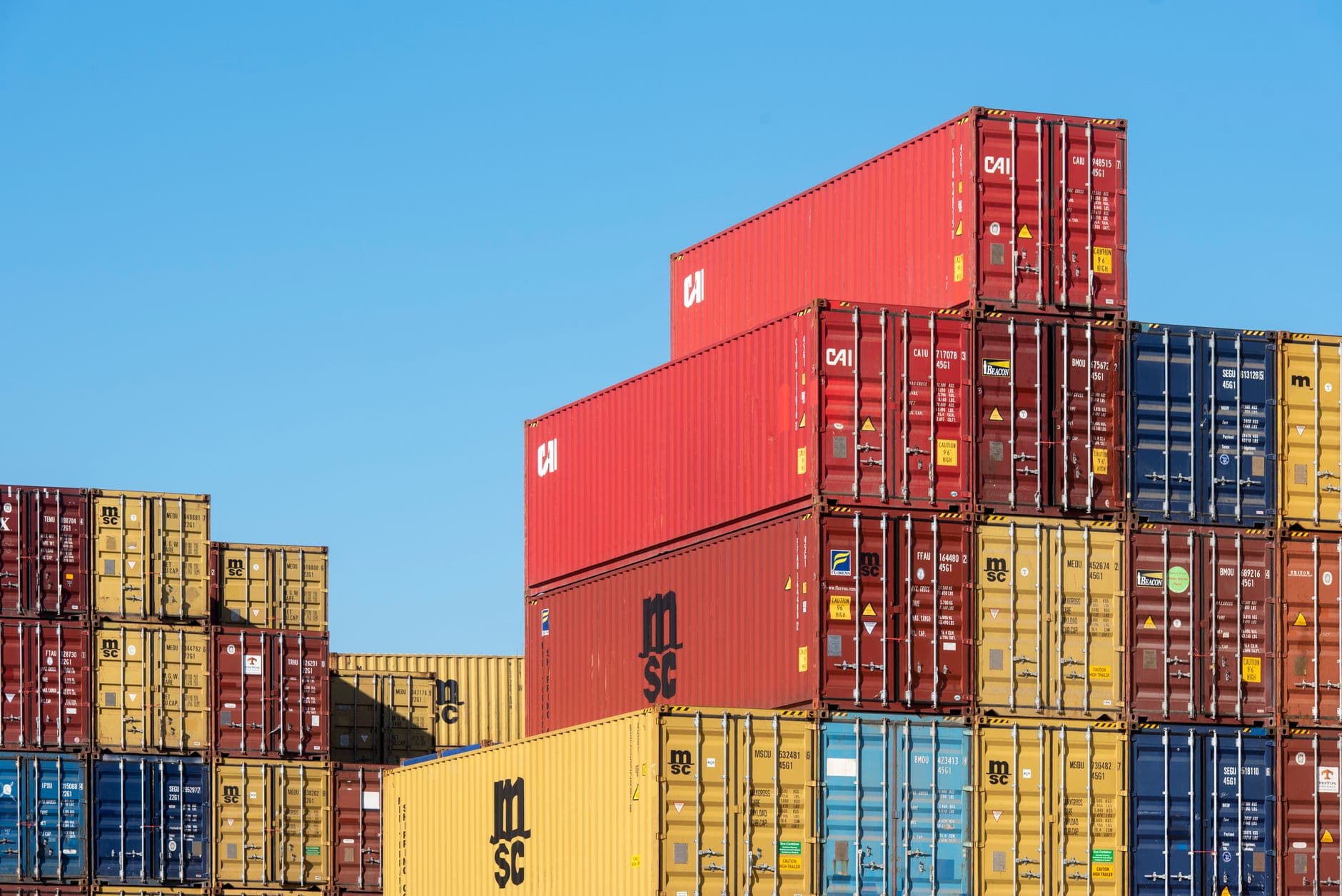
MCP in der Logistik: Wie man KI-Agenten mit Fracht-APIs verbindet
Ein offener Standard ermöglicht es KI-Agenten nun, Fracht über eine einzige API-Integration anzufragen, zu buchen und zu verfolgen. Hier wird erklärt, wie MCP funktioniert, ein minimales Serverbeispiel, wer es 2026 betreibt und wie es sicher gehalten werden kann.

Portugal Freight Transport Trends and Logistics
Portugal’s freight transport sector is undergoing a transformation driven by globalization, e-commerce growth, and strategic investments in port infrastructure. The country’s Atlantic edge, access to the Iberian Corridor, and proximity to both European and African markets position it as a key node in multimodal supply chains. In recent years, ports such as Port of Lisbon , Port of Leixões , and Port of Sines have expanded capacity, diversified cargo profiles, and improved hinterland connections to support containerized, bulk, and Ro-Ro traffic. Shifts toward intermodal solutions are accelerating, aided by ongoing TEN-T corridor enhancements, improved rail-first shipping lanes, and

Next Gen Freight Platforms for European Carriers
Next-gen freight platforms are digital ecosystems that connect European carriers, shippers, and logistics services through unified workflows and real-time data sharing. By integrating transport modes, customs compliance, and payment flows, these platforms create a seamless operating picture across the continent's diverse supply chains. They enable dynamic capacity matching , end-to-end visibility , and data-driven decision making , reducing manual touchpoints and accelerating tender cycles across cross-border corridors. For European carriers, benefits include lower empty miles , access to cross-border loads, improved on-time performance, and new revenue streams from value-added services
 KI-gestützte redaktionelle Illustration
Future European Freight Platforms for Carriers
European freight markets are transitioning to platform-based ecosystems that connect carriers, shippers, and logistics providers on a single digital interface. Fragmentation across borders, languages, and regulatory regimes creates friction; next-generation platforms aim to consolidate capacity, pricing, and compliance, delivering visibility and speed to carriers. These platforms will be built on open data standards and an API-first design, enabling seamless data exchange across modes, customs authorities, insurers, and payments. Real-time capacity matching, dynamic pricing , and multi-leg routing reduce empty miles and improve utilization. Interoperability across European borders remains

Future Freight Platforms for European Carriers
Future freight platforms are reshaping the European carrier landscape by connecting shippers, freight forwarders, and operators through unified digital marketplaces. They reduce empty miles, sharpen real-time visibility , and enable cross-border coordination across road, rail, sea, and air. These platforms converge legacy IT systems into interoperable ecosystems based on open APIs, standardized data models, and digital documentation. Interoperability and data standardization are the core enablers, reducing friction at borders and speeding up operational cycles. In the European regulatory context, platform design emphasizes transparency, compliance, and sustainability. Regulatory alignment

EU Carriers Marketplaces vs Traditional Brokers
The European freight market is shifting from traditional brokers to digital carrier marketplaces, platforms that directly connect shippers with a wide pool of carriers. These marketplaces optimize capacity along EU corridors, enable faster tendering, and standardize data flows, offering new options for both small and large shippers. Marketplace platforms deliver transparency , real-time capacity, dynamic pricing, and streamlined operations by aggregating quotes, tracking, and payments in a single interface. Shippers can compare routes, transit times, and service levels across multiple carriers, often with APIs that integrate to existing ERP or TMS systems. Traditional brokers still provide

EU Carrier Marketplaces vs Traditional Brokers
In the European freight market, carrier marketplaces bring shippers, carriers, and forwarders onto digital platforms that enable real-time capacity matching. Marketplaces deliver price transparency , rapid quotations, and standardized workflows, while traditional brokers rely on long-standing relationships, local knowledge, and bespoke risk management. Marketplaces scale by aggregating lanes across EU borders, enabling shippers to compare rates, transit times, and service levels in real time. Traditional brokers contribute lane expertise and customized solutions for complex shipments, including regulatory compliance, carrier vetting based on trust, and hands-on contingency planning for

Marketplaces vs Traditional Brokers for EU Carriers
EU Carriers Marketplaces are digital platforms that connect shippers with a network of carriers through real-time bidding, automated matching, and instant quotes, enabling a more fluid flow of capacity across the European Union. Unlike traditional brokers who manually source carriers and negotiate rates, marketplaces scale visibility and speed, reducing friction in cross-border shipments and enabling standardized workflows across multiple countries. These marketplaces improve price discovery and transparency by displaying carrier rates, transit times, and load histories in near-real time, allowing shippers to compare options without intermediaries. For carriers, the platforms offer access