


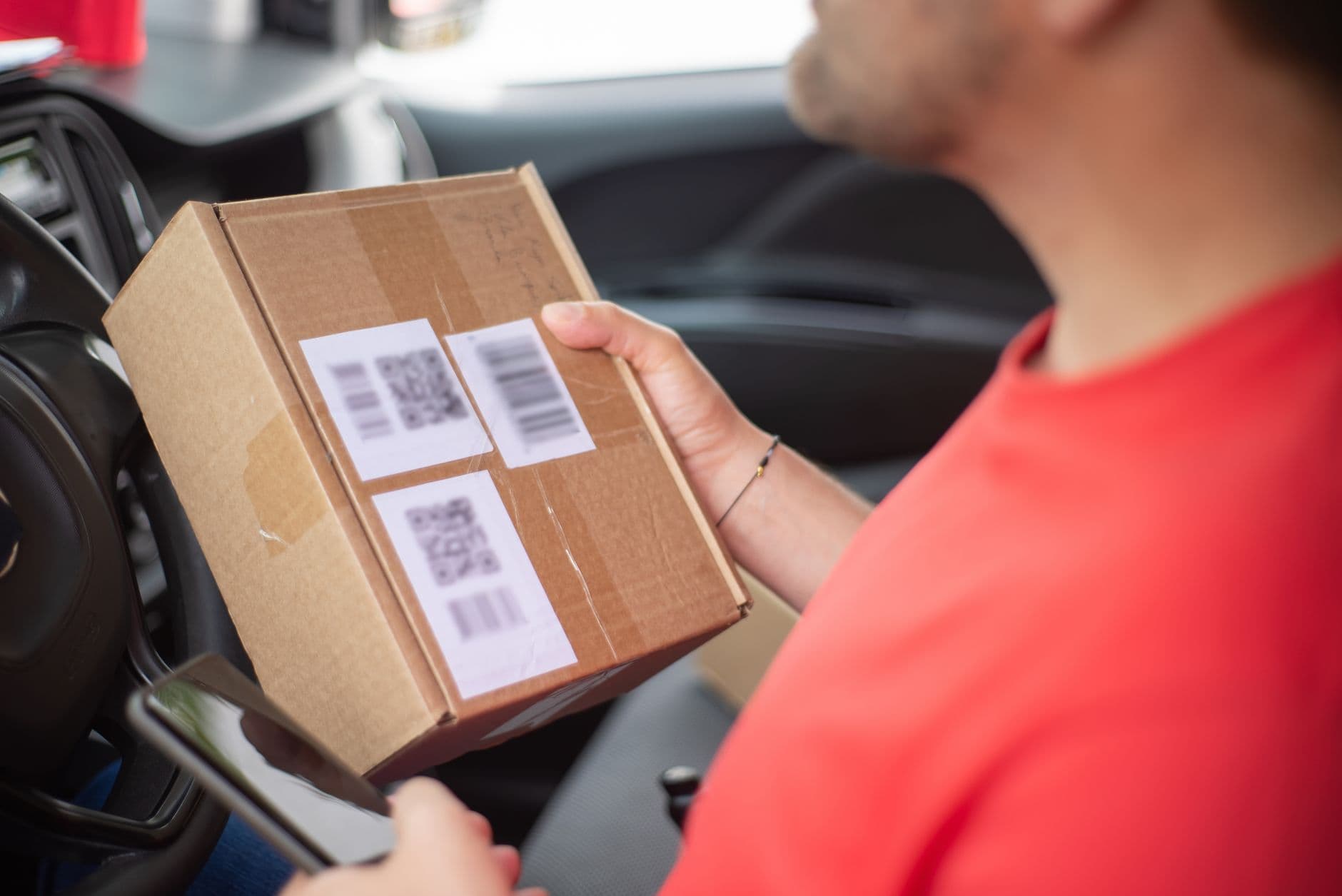

Das häufigste und kostspieligste Missverständnis, das wir beim EU Digital Product Passport sehen, ist die Annahme, dass er bereits gilt. Laut dem ESPR-Zeitplan ist das nicht der Fall – für die meisten Produkte tritt die Verpflichtung erst zwischen 2027 und 2029 in Kraft, wobei Batterien zuerst betroffen sind. Unserer Einschätzung nach bietet dies Importeuren ein Vorbereitungsfenster, keine Atempause, und im Folgenden legen wir dar, was jetzt aufgebaut werden muss und welche Fristen tatsächlich bindend sind.
Das regulatorische Umfeld für den globalen Handel verändert sich unter den Füßen jedes Importers und Logistikmanagers — doch ein Detail wird weit verbreitet falsch interpretiert, und der Fehler ist kostspielig. Die Ökodesign-Verordnung für nachhaltige Produkte (ESPR) ist 2024 in Kraft getreten, doch der verpflichtende Digitale Produktpass (DPP) gilt noch nicht für die meisten Waren. Die Anforderungen werden schrittweise nach Kategorien eingeführt, und für die meisten Produktgruppen treten sie erst 2027-2029 in Kraft. Der DPP ist eine strenge Compliance-Anforderung, kein freiwilliges Nachhaltigkeitsabzeichen — aber für 2026 ist das Zeitfenster eines der Vorbereitung, nicht der sofortigen Durchsetzung. Die richtige Haltung jetzt ist, sich an den bereits veröffentlichten technischen Standards zu orientieren, nicht davon auszugehen, dass Waren ohne Pass heute an der Grenze abgewiesen werden.
Verständnis des Kernmandats und Umfangs
Das Digital Product Passport ist das zentrale Nervensystem der neuen Kreislaufwirtschaftsstrategie der EU. Es verlangt, dass fast alle in der EU verkauften Produkte einen einzigartigen digitalen Datensatz aufweisen, der über einen einfachen Scan, wie z. B. einen QR-Code oder RFID-Tag, zugänglich ist. Diese Initiative soll die erhebliche Lücke zwischen der Verbrauchernachfrage nach Transparenz und dem aktuellen branchenweiten Mangel an zuverlässigen, überprüfbaren Produktdaten schließen. Die Vorschrift ist keine Empfehlung; sie ist eine gesetzliche Verpflichtung, die darüber entscheiden wird, ob ein Produkt legal auf den europäischen Markt gelangen kann.
Der Anwendungsbereich dieser Verordnung ist breit und ehrgeizig. Sie umfasst wesentliche Details, einschließlich einer eindeutigen Produktkennung, umfassender Konformitätsdokumentation und spezifischer Informationen zu besorgniserregenden Stoffen. Über die bloße Identifizierung hinaus muss der DPP Bedienungsanleitungen, Sicherheitshinweise und klare Anweisungen zur Produktentsorgung bereitstellen. Dieser digitale Datensatz verfolgt den gesamten Lebenszyklus des Produkts, von der Rohstoffgewinnung bis zur Entsorgung am Ende der Lebensdauer. Für Importeure bedeutet dies, dass die Beweislast für Umwelt- und Sicherheitsangaben direkt auf die Schultern des Markeninhabers und seiner Lieferkettenpartner verlagert wird.
Sobald die Anforderungen einer Kategorie in Kraft treten, können nicht konforme Produkte in dieser Kategorie am Zoll blockiert oder aus den Regalen genommen werden — aber diese Durchsetzung erfolgt nach einem gestaffelten Zeitplan und nicht auf einmal. Die Verordnung zielt darauf ab, das Lieferkettenmanagement zu verbessern und die Einhaltung von Vorschriften zu gewährleisten, indem Unternehmen gezwungen werden, Risiken in Bezug auf Authentizität und Umweltauswirkungen zu identifizieren und zu mindern. Es handelt sich um einen grundlegenden Wandel von papierbasierten Zertifikaten zu dynamischen, digitalen Datenströmen, die während des gesamten Produktlebenszyklus aufrechterhalten werden müssen. Das Verständnis sowohl der Breite dieser Vorgabe als auch ihres gestaffelten Zeitplans ist der erste Schritt, um kostspielige logistische Störungen zu vermeiden.
Der echte Einführungszeitplan
Da die Termine der am meisten missverstandene Teil des DPP sind, lohnt es sich, sie klar darzulegen. Sobald ein delegierter Rechtsakt für eine Produktgruppe verabschiedet wird, haben Unternehmen in der Regel etwa 18 Monate Zeit, bevor dessen Anforderungen gelten.
| Kategorie | Status / erwartete Verpflichtung |
|---|---|
| EV-, Industrie- und LMT-Batterien | Ab 18. Februar 2027 — die einzige Kategorie mit einem festen, unveränderlichen Datum (gemäß der separaten Batterieverordnung) |
| Textilien und Schuhe | Delegierter Rechtsakt voraussichtlich 2027; Verpflichtungen etwa 18–24 Monate später |
| Elektronik und Haushaltsgeräte | Indikativ 2028-2029 |
| Möbel, Eisen und Stahl, Aluminium | Indikativ 2028-2030, nach Prioritätsgruppe |
Das praktische Fazit: Importeure und Logistikteams haben je nach ihren Produkten ein bis drei Jahre Vorlaufzeit — aber die technischen Standards sind bereits festgelegt, sodass die Vorbereitungsarbeit jetzt beginnen kann und sollte.
Wichtige Datenanforderungen für Logistikteams
Logistics-Teams müssen sich auf eine deutliche Zunahme der Datenverarbeitungsverantwortlichkeiten vorbereiten. Der DPP ist nicht nur ein statisches Etikett; er ist ein dynamisches Informationsrepository, das genau und aktuell sein muss. Der Pass wird wesentliche Details wie die Herkunft des Produkts, die in seiner Herstellung verwendeten Materialien und seine gesamte Umweltauswirkung enthalten. Diese Daten müssen mit einer eindeutigen Kennung verknüpft sein, die das Produkt auf seinem Weg durch die Lieferkette begleitet. Für Logistikdienstleister bedeutet dies, dass jede Sendung von verifizierten digitalen Daten begleitet sein muss, nicht nur von physischen Waren.

Das Erfordernis von Informationen zu besorgniserregenden Stoffen ist besonders kritisch. Importeure müssen sicherstellen, dass ihre Lieferanten detaillierte Aufschlüsselungen der chemischen Zusammensetzungen und gefährlichen Materialien bereitstellen können. Diese Daten dienen nicht nur der Einhaltung von Vorschriften, sondern auch der Verbrauchersicherheit und den richtigen Entsorgungshinweisen. Der DPP wird auch Bedienungsanleitungen und Sicherheitshinweise in einem digitalen Format bereitstellen, um sicherzustellen, dass Endnutzer unabhängig von Sprachbarrieren Zugang zu kritischen Informationen haben. Diese digitale Zugänglichkeit verbessert die Sichtbarkeit des Produkts und unterstützt Nachhaltigkeitspraktiken, indem sie klare Anleitungen zu Reparatur, Wiederverwendung und Recycling bietet.
Außerdem unterstützt der DPP die Prinzipien offener Daten, indem er detaillierte Produktinformationen öffentlich zugänglich macht. Diese Transparenz erleichtert einen besseren Datenaustausch und die Zusammenarbeit in der Branche. Logistikteams müssen daher ihre Systeme in diese offenen Datenstandards integrieren, um einen nahtlosen Informationsfluss zu gewährleisten. Die Fähigkeit, diese Daten in Echtzeit abzurufen und zu überprüfen, wird zu einem wichtigen Wettbewerbsvorteil werden, der es Unternehmen ermöglicht, schnell auf regulatorische Änderungen und Verbraucheranforderungen zu reagieren. Die Vorbereitung auf diese Datenanforderungen jetzt wird später Engpässe verhindern.
Was sich 2026 änderte: Standards, das Register und eIDAS
Zwei Entwicklungen im Jahr 2026 verwandeln den DPP von einer abstrakten zukünftigen Verpflichtung in etwas, gegen das Teams jetzt entwickeln können. Am 27. Mai 2026 wurden die ersten sechs technischen CEN/CENELEC-Normen (die EN 18216-18223-Reihe) veröffentlicht, die das Datenformat (JSON-LD, RDF), den eindeutigen Identifikator, den physischen Datenträger (QR-Code oder RFID) und die API-Schnittstellen für den Datenaustausch festlegen. Die IT-Architektur kann nun nach einer festgelegten Spezifikation statt nach einem beweglichen Ziel aufgebaut werden.
Am 29. April 2026 wurde ein Entwurf für die Verordnung zum zentralen DPP-Register veröffentlicht — das System, in dem jeder Reisepass registriert werden muss. Für Nicht-EU-Unternehmen enthält es den am häufigsten übersehenen Schritt: Die Registrierung erfordert eine qualifizierte elektronische Signatur oder ein Siegel gemäß eIDAS, und Unternehmen mit Sitz außerhalb der EU (in den USA, China oder anderswo) müssen ein Fernidentifizierungsverfahren abschließen, das zwei bis drei Monate dauern kann. Dies bis zur letzten Minute aufzuschieben, ist genau der Grund, warum ansonsten konforme Waren 2027 an der Grenze feststecken.
Das gleiche Paket definiert ein geschichtetes Datenzugriffsmodell, das die von Unternehmen am lautesten geäußerte Sorge aufgreift. Der Zugriff ist gestuft: Verbraucher sehen Zusammensetzung, Anleitungen und Reparierbarkeit; Recycler sehen Demontage- und Gefahrenstoffdaten; Regulierungsbehörden erhalten vollen Zugriff; und kommerziell sensible Informationen — Lieferantenpreise, Verfahrens-Know-how — werden Wettbewerbern nicht offengelegt. Der DPP ist ein ausgewogenes Transparenzmodell, keine pauschale Offenlegung.
Strategische Vorbereitungsschritte für Importeure
Importeure müssen umgehend Maßnahmen ergreifen, um ihre Abläufe an die bevorstehenden DPP-Vorgaben anzupassen. Die Komplexität der Verordnung erfordert eine abgestimmte Zusammenarbeit zwischen Einkaufs-, Logistik- und Compliance-Teams. Einer der wichtigsten Schritte besteht darin, bestehende Lieferketten zu prüfen, um Lücken bei der Datenerfassung und -überprüfung zu identifizieren. Dies erfordert eine enge Zusammenarbeit mit den Lieferanten, um sicherzustellen, dass sie die erforderlichen Informationen für den digitalen Produktpass liefern können. Ohne diese grundlegenden Daten kann der DPP nicht erstellt werden, und Produkte können nicht in der EU verkauft werden.
- Audit-Lieferanten auf zwei Achsen, nicht nur einer: Können sie die chemische Zusammensetzung bereitstellen (insbesondere besonders besorgniserregende Stoffe, SVHC), und können sie diese maschinenlesbar (XML/JSON) liefern, nicht als PDF?
- Erhalten Sie jetzt eine qualifizierte eIDAS elektronische Signatur oder ein Siegel für Ihre juristische Person — ohne diese können Sie keinen Pass in das zentrale EU-Register eintragen, und die Fernidentifizierung für Nicht-EU-Firmen kann zwei bis drei Monate dauern.
- Investieren Sie in Software, die Produktdaten aus mehreren Quellen aggregieren und verifizieren kann und sie für rollenbasierten Zugriff (RBAC) strukturiert, sodass sie auf das gestufte Modell der EU für Verbraucher/Recycler/Behörden abgestimmt ist und gleichzeitig kommerzielle Geheimnisse schützt.
- Führen Sie einen Pilotversuch mit einer oder zwei Kategorien durch — Testen der QR-Code-Generierung und Registrierung im Registry-Sandbox, die voraussichtlich Ende 2026 bis Anfang 2027 erwartet wird — anstatt alles auf einmal zu versuchen.
- Establish klare Zeitpläne, beginnend mit Ihren Kategorien mit dem höchsten Risiko oder den batterienahen Kategorien, und schulen Sie Logistik- und Compliance-Mitarbeiter darin, während der gesamten Lieferkette genaue digitale Aufzeichnungen zu führen.
Ein weiterer entscheidender Schritt besteht darin, DPP-Daten in bestehende Lieferkettenmanagementsysteme zu integrieren. Dadurch wird sichergestellt, dass der digitale Pass nicht eine isolierte Information ist, sondern ein integraler Bestandteil der Produktreise. Importeure sollten auch die physischen Aspekte des DPP berücksichtigen, wie die Platzierung von QR-Codes oder RFID-Tags, um sicherzustellen, dass sie an verschiedenen Punkten der Lieferkette leicht zugänglich für das Scannen sind. Diese physische Integration ist essenziell, um die Integrität der digitalen Aufzeichnung zu wahren.
Zusammenarbeit ist der Schlüssel zur erfolgreichen Umsetzung. Importeure sollten mit Branchenverbänden und Technologieanbietern zusammenarbeiten, um bewährte Verfahren auszutauschen und über regulatorische Entwicklungen auf dem Laufenden zu bleiben. Durch die proaktive Bewältigung dieser Anforderungen können Unternehmen die Einhaltung von Vorschriften in einen Wettbewerbsvorteil verwandeln und ihr Engagement für Nachhaltigkeit und Transparenz unter Beweis stellen. Diese strategische Vorbereitung wird nicht nur die Einhaltung der Vorschriften sicherstellen, sondern auch den Ruf der Marke und das Vertrauen der Verbraucher auf dem europäischen Markt stärken.
Die Rolle von Open Data und Transparenz
Die Implementierung des DPP steht in enger Übereinstimmung mit den Open-Data-Prinzipien und markiert eine bedeutende Veränderung in der Art und Weise, wie Produktinformationen geteilt und abgerufen werden. Durch die öffentliche Verfügbarmachung detaillierter Produktinformationen unterstützt der DPP Initiativen, die Transparenz und Zugänglichkeit betonen. Dieser Ansatz ist darauf ausgelegt, die Sichtbarkeit von Produkten und Nachhaltigkeitspraktiken in der gesamten Branche zu verbessern. Für Importeure bedeutet dies, dass die öffentliche Schicht ihrer Daten für Verbraucher und andere Stakeholder sichtbar sein wird, während Regulierungsbehörden vollen Zugriff erhalten — aber kommerziell sensible Details werden durch ein gestuftes Zugriffsmodell geschützt, sodass es sich um strukturierte Transparenz handelt, nicht um eine pauschale Offenlegung. Die Erfüllung der öffentlichkeitswirksamen Anforderungen ist dennoch eine zentrale Bedingung für den Marktzugang.
Open Data erleichtert eine bessere Zusammenarbeit in der Branche, indem es einen gemeinsamen Rahmen für die Datenfreigabe bereitstellt. Dies kann zu einer verbesserten Effizienz der Lieferkette und Innovation führen, da Unternehmen gemeinsame Daten nutzen können, um Verbesserungsmöglichkeiten zu identifizieren. Für Logistikteams bedeutet dies, dass die Dateninteroperabilität immer wichtiger wird. Systeme müssen in der Lage sein, nahtlos miteinander zu kommunizieren, um sicherzustellen, dass Produktinformationen über verschiedene Plattformen und Gerichtsbarkeiten hinweg konsistent und genau sind.
Das Potenzial offener Daten in diesem Kontext kann nicht hoch genug eingeschätzt werden. Es ermöglicht Verbrauchern, fundierte Entscheidungen auf der Grundlage zuverlässiger Informationen zu treffen und die Nachfrage nach nachhaltigen Produkten zu steigern. Es ermöglicht auch Aufsichtsbehörden, die Einhaltung von Vorschriften effektiver zu überwachen, wodurch das Risiko von Greenwashing und Nichteinhaltung verringert wird. Für Importeure geht es bei der Anwendung von Open-Data-Prinzipien nicht nur darum, regulatorische Anforderungen zu erfüllen; es geht darum, Vertrauen und Glaubwürdigkeit auf dem Markt aufzubauen. Unternehmen, die transparent über ihre Lieferketten und Umweltauswirkungen berichten, werden langfristig besser positioniert sein, um erfolgreich zu sein.
Langfristige Auswirkungen auf das Supply-Chain-Management
Das DPP soll tiefgreifende langfristige Auswirkungen auf das Lieferkettenmanagement haben. Durch die Anforderung eines detaillierten digitalen Protokolls des Produktlebenszyklus zwingt die Verordnung Unternehmen dazu, neu zu überdenken, wie sie Daten verwalten und Beziehungen zu Lieferanten gestalten. Diese Verschiebung hin zu digitaler Transparenz wird wahrscheinlich zu einer stärkeren Konsolidierung in der Lieferkette führen, da kleinere Lieferanten möglicherweise Schwierigkeiten haben, die Datenanforderungen zu erfüllen. Importeure müssen ihre Lieferantenbasis sorgfältig bewerten und in Partnerschaften investieren, die das DPP-Mandat unterstützen können.
Zusätzlich wird der DPP das Risikomanagement verbessern, indem er eine größere Transparenz in die Lieferkette bietet. Unternehmen werden in der Lage sein, potenzielle Probleme in Bezug auf Authentizität, Umweltauswirkungen und regulatorische Compliance schneller zu erkennen. Dieser proaktive Ansatz im Risikomanagement kann dazu beitragen, kostspielige Unterbrechungen zu vermeiden und den Ruf der Marke zu schützen. Für Logistikteams bedeutet dies, dass Datenanalysen und Überwachungstools noch kritischer für das Management der Lieferkettenleistung werden.
Das Regelwerk fördert auch Innovation in der Produktgestaltung und -herstellung. Durch die Bereitstellung detaillierter Informationen zu Materialien und Umweltauswirkungen motiviert der DPP Unternehmen, nachhaltigere Produkte zu entwickeln. Dies kann zu neuen Geschäftsmöglichkeiten und Wettbewerbsvorteilen für Unternehmen führen, die frühzeitig nachhaltige Praktiken einführen. Importeure sollten den DPP nicht nur als eine Compliance-Belastung betrachten, sondern als eine Gelegenheit, Innovation voranzutreiben und die Widerstandsfähigkeit ihrer gesamten Lieferkette zu verbessern. Die Zukunft des globalen Handels wird von denen geprägt sein, die sich an diese neuen digitalen Realitäten anpassen können.
Häufig gestellte Fragen
Wann beginnt das Mandat für den Digitalen Produktpass offiziell?
Das ESPR trat 2024 in Kraft, aber die DPP-Verpflichtungen werden nach Kategorie schrittweise eingeführt. Batterien sind zuerst dran, mit einem festen Datum vom 18. Februar 2027; Textilien und Elektronik werden nicht vor 2028 erwartet, und andere Gruppen folgen bis etwa 2030. Es gibt kein einzelnes "Startdatum" für alle Waren — Sie müssen den delegierten Rechtsakt für Ihre spezifische Produktgruppe verfolgen, der einen Countdown von etwa 18 Monaten bis zur Durchsetzung auslöst.
Welche spezifischen Informationen müssen im DPP enthalten sein?
Das DPP muss eine eindeutige Produktkennung, Compliance-Dokumentation und Informationen zu bedenklichen Stoffen enthalten. Es bietet außerdem Benutzerhandbücher, Sicherheitshinweise und Anleitungen zur Produktentsorgung. Dieser umfassende Datensatz soll eine detaillierte digitale Aufzeichnung des Produktlebenszyklus bieten, die Transparenz erhöht und die Einhaltung gesetzlicher Vorschriften sicherstellt. Die genauen Datenanforderungen können je nach Produkttyp und Branche variieren.
Wie unterstützt der DPP Open-Data-Initiativen?
Der DPP macht eine definierte öffentliche Schicht von Produktinformationen über einen Scan zugänglich, während kommerziell sensible Daten unter einem gestuften Zugriffsmodell (Verbraucher, Recycler, Regulierungsbehörde) eingeschränkt bleiben. Diese strukturierte Transparenz ermöglicht einen besseren Datenaustausch, ohne Geschäftsgeheimnisse gegenüber Wettbewerbern offenzulegen, und hilft, die Lücke zwischen der Verbrauchernachfrage nach Transparenz und dem aktuellen Mangel an zuverlässigen Produktdaten zu schließen.
Schlussfolgerung
Das EU Digital Product Passport stellt einen grundlegenden Wandel im globalen Handel und Supply-Chain-Management dar. Für Importeure und Logistikteams ist das Mandat nicht nur eine regulatorische Hürde, sondern ein strategischer Imperativ. Die Anforderung nach umfassenden, transparenten und digital zugänglichen Produktdaten wird die Art und Weise, wie Unternehmen auf dem europäischen Markt agieren, neu gestalten. Unternehmen, die sich proaktiv auf diese Veränderungen vorbereiten, werden besser in der Lage sein, Vorschriften einzuhalten, Risiken zu mindern und das Vertrauen der Verbraucher aufzubauen.
Das Geheimnis des Erfolgs liegt in der frühen Vorbereitung und Zusammenarbeit. Importeure müssen ihre Lieferketten überprüfen, in die notwendige Technologie investieren und eng mit Lieferanten zusammenarbeiten, um die DatenGenauigkeit zu gewährleisten. Indem sie die Prinzipien der Transparenz und offener Daten annehmen, können Unternehmen die Compliance in einen Wettbewerbsvorteil verwandeln. Die Zukunft des nachhaltigen Handels ist digital, und diejenigen, die sich schnell anpassen, werden die Führung übernehmen. Beginnen Sie noch heute mit Ihrer DPP-Vorbereitung, um einen reibungslosen Übergang und langfristigen Erfolg auf dem EU-Markt zu sichern.