


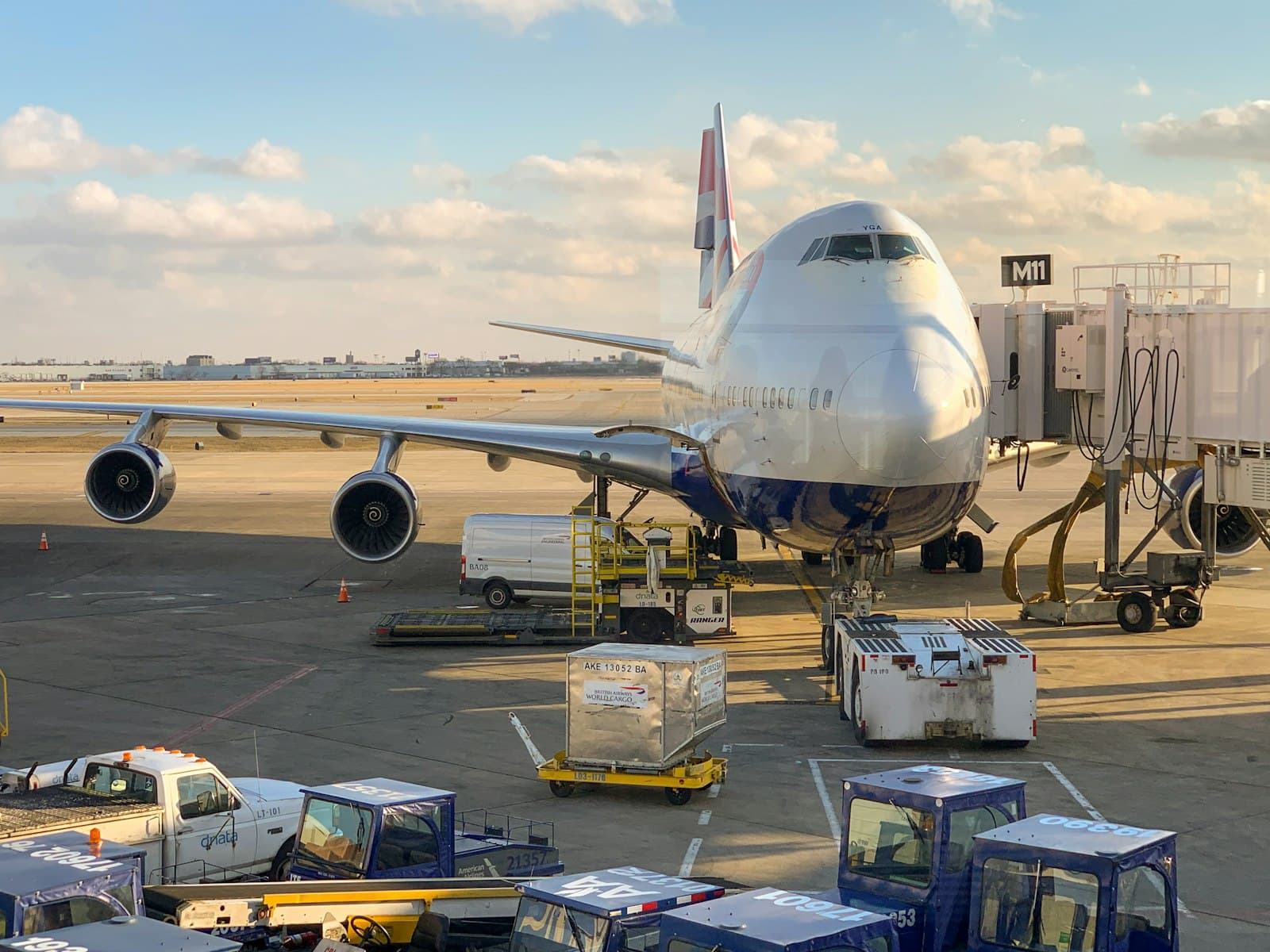
Η ερώτηση που δεχόμαστε συχνότερα εναέριες μεταφορές το 2026 είναι γιατί οι τιμές δεν θα σταθεροποιηθούν. Σύμφωνα με στοιχεία του κλάδου, η απάντηση είναι δομική: το de minimis έχει καταργηθεί, η συμμόρφωση με το ICS2 είναι υποχρεωτική, η χωρητικότητα των αεροσκαφών φορτίου είναι περιορισμένη μέχρι τις αρχές της δεκαετίας του 2030 και οι επιβαρύνσεις καυσίμων έχουν φτάσει το 47%. Κατά την άποψή μας, η προβλεψιμότητα, όχι η βασική τιμή, είναι πλέον το πραγματικό κόστος, και παρακάτω παρουσιάζεται ο οδηγός σχεδιασμού.
The global supply chain has shifted from a period of chaotic volatility to one of structured, regulatory-driven complexity. As we navigate 2026, the era of relying on low-cost, duty-free small parcels to bypass traditional customs hurdles is effectively over. The removal of the de-minimis exemption in key markets, particularly the United States and increasingly across the European Union, has fundamentally altered the economics of air freight. This is not merely a tariff adjustment; it is a structural realignment that demands a new approach to logistics planning. Companies that continue to treat air freight as a simple point-to-point service rather than a regulated trade compliance exercise are facing unexpected costs, border delays, and inventory stockouts.
The landscape of 2026 is defined by the collision of sustained capacity constraints and aggressive border security measures. Major carriers like Lufthansa Cargo and DHL Express are prioritizing high-density, high-value cargo while deprioritizing fragmented, low-value shipments that now require full customs documentation. For importers and exporters, the margin for error has vanished. A single misdeclared HS code can result in a shipment being held at a hub like Memphis or Frankfurt for weeks, incurring demurrage charges that quickly exceed the value of the goods themselves. This article provides a grounded, data-driven playbook for navigating these headwinds, focusing on rate transparency, capacity management, and the critical compliance shifts that define the current market.
Ο θάνατος της "de minimis" και το σημείο συμφόρησης συμμόρφωσης
The most significant variable in the 2026 air freight equation is the erosion of the de-minimis threshold. For years, businesses relied on the US $800 de-minimis exemption to ship small packages from overseas suppliers without paying duties or undergoing rigorous customs inspections. This loophole allowed for a surge in cross-border e-commerce, particularly from Asian manufacturing hubs. However, the political and economic pressure to close this gap has resulted in new legislation that treats these small parcels with the same scrutiny as bulk containerized freight.
In the United States, the implementation of stricter entry requirements means that even a single package valued under $800 now requires a full entry summary in many cases, or at least a significantly more detailed automated commercial environment (ACE) filing. This administrative burden has created a bottleneck at major air cargo hubs. Carriers are no longer willing to accept these shipments without pre-cleared documentation because the risk of rejection at the destination airport is too high. The result is a surge in "pre-clearance" services, where freight forwarders must process data days before the aircraft even lands.
This shift has disproportionately affected small and medium-sized enterprises (SMEs) that lacked the infrastructure to handle complex customs filings. Large multinationals, equipped with sophisticated trade compliance software like Descartes Systems or SAP GTS, have adapted more quickly. They have integrated customs data into their procurement cycles, ensuring that every SKU has a verified HS code and origin certificate before it leaves the factory floor. For smaller players, the cost of compliance has become a critical barrier. The administrative cost per shipment has risen from a negligible fraction of a cent to several dollars, negating the cost advantage of air freight for low-margin goods.
The European Union has followed a similar trajectory. Its Import Control System 2 (ICS2) has been fully operational across all transport modes since 1 January 2026, requiring carriers to submit entry summary declarations (ENS) well in advance of arrival, with inaccurate data resulting in immediate rejection. The EU is also removing its own €150 customs de-minimis exemption from 1 July 2026 — and the transition has already been disruptive enough that several European postal carriers, including Germany's DHL Parcel and France's La Poste, temporarily suspended some low-value shipments to the US because they could not yet comply with the new documentation rules. The synergy between US and EU regulations has created a global standard where "speed" is no longer just about flight time; it is about data accuracy. A shipment that is physically on the fastest plane but has incorrect paperwork will arrive last. This reality has forced a reevaluation of sourcing strategies. Many businesses are moving away from fragmented, direct-to-consumer models toward consolidated regional fulfillment centers, where goods are cleared in bulk and then distributed locally via ground transport.
Περιορισμοί χωρητικότητας και η προσαύξηση στην προβλεψιμότητα
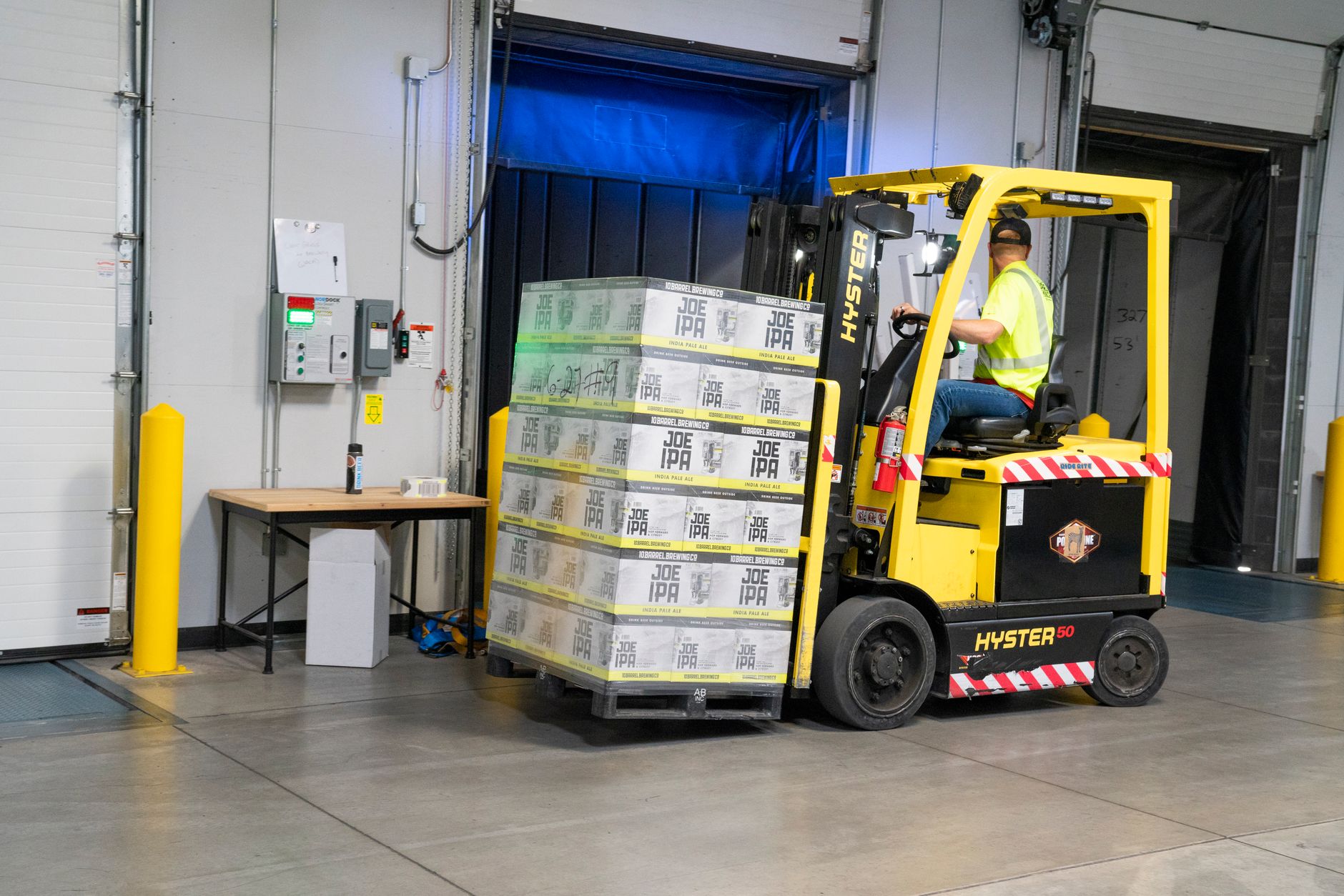
While regulations have tightened, physical capacity has not expanded at a commensurate rate. The aviation industry is still grappling with the aftermath of the pandemic-era fleet retirements and the slow rollout of new wide-body freighters. In 2026, the demand for belly cargo space on passenger flights remains robust, but airlines are increasingly prioritizing revenue density. A structural freighter shortage — the product of pandemic-era retirements and slow new-build delivery — is not expected to normalize until the early 2030s, so the squeeze is durable rather than seasonal. High-value electronics, pharmaceuticals, and fashion goods are getting first dibs on space; demand from AI hardware and semiconductors in particular is filling hubs like Taipei to capacity, while lower-margin commodities are bumped to less desirable flight times or routed through multiple hubs.
The concept of "predictability" has become the new premium. In previous years, shippers might have accepted a risk of delay in exchange for a lower rate. Today, the cost of a delay—whether it is a missed retail season, a production line stoppage, or a contractual penalty—far outweighs the savings of a cheaper rate. As a result, spot rates for air freight have remained elevated, but the spread between spot and contract rates has narrowed. Airlines are offering more stable contract pricing to loyal customers who can guarantee volume, while spot buyers face extreme volatility.
This capacity crunch is exacerbated by geopolitical tensions and route restrictions. Certain corridors, particularly those involving regions with ongoing conflicts or sanctions, have seen significant reductions in available space. Airlines are avoiding these routes to mitigate risk, leading to longer transit times and higher costs for alternative routing. For example, shipments that once moved directly from East Asia to Europe may now be routed through the Middle East or Africa, adding 24 to 48 hours to the transit time.
To navigate this, forwarders are leveraging digital platforms to secure space in advance. Tools like Freightos allow shippers to book capacity weeks ahead, locking in rates and space. However, this requires a shift in planning behavior. Shippers must forecast their needs with greater accuracy and commit to volumes earlier in the supply chain. The "just-in-time" model is being replaced by "just-in-case" buffers, where companies hold more inventory in transit or in regional warehouses to mitigate the risk of capacity shortages. This shift has increased working capital requirements but has also improved service levels and reduced the risk of stockouts.
Αξιολόγηση Μεταβλητότητας και Κρυφείς Δαπάνες Αεροπορικών Εμπορευμάτων
Understanding the true cost of air freight in 2026 requires looking beyond the base rate per kilogram. The base rate is only one component of a complex pricing structure that includes fuel surcharges, security fees, terminal handling charges, and currency adjustment factors. In the current market, these ancillary charges can account for a large share of the total landed cost — and the fuel surcharge alone can exceed 40%. FedEx's international fuel surcharge, for example, reached 47.75% in June 2026, up from around 29% in February, tracking a near-doubling of jet fuel prices. Spot air rates have moved with it, reaching about US$3.38 per kilo, up 26% year on year, with additional war-risk surcharges layered onto some lanes. When fuel spikes, the all-in rate can climb sharply within weeks.
Currency fluctuations also play a significant role. Most air freight contracts are denominated in US dollars, but local costs are incurred in euros, yen, or yuan. When the dollar strengthens, foreign carriers may raise their prices to maintain their margins, passing the cost on to shippers. Conversely, a weak dollar can provide temporary relief, but this is often short-lived. Shippers must monitor currency trends and hedge their exposure where possible.
Another hidden cost is the "peak season surcharge." Historically, these surcharges applied only during the holiday season, but in 2026, they are being applied more broadly to any period of high demand. This includes new product launches, promotional events, and even seasonal shifts in weather. Forwarders are increasingly using dynamic pricing models that adjust rates in real-time based on demand and capacity. This means that the rate quoted today may not be valid tomorrow.
To manage these costs, shippers are adopting a total landed cost approach. This involves calculating the full cost of the shipment, including duties, taxes, insurance, and inland transport, before making a decision. By comparing the total landed cost of air freight versus ocean or rail, shippers can make more informed choices. For high-value, time-sensitive goods, air freight remains the only viable option. For lower-value, less urgent goods, ocean or rail may be more cost-effective, even if the transit time is longer. The key is to align the mode of transport with the value and urgency of the goods.
Ένα Στρατηγικό Εγχειρίδιο Σχεδιασμού για τον Σχεδιασμό Εφοδιαστικής Αλυσίδας για το 2026
Navigating the 2026 air freight landscape requires a proactive, data-driven strategy. Reactive measures are no longer sufficient. Shippers must integrate logistics planning into their broader business strategy, considering regulatory changes, capacity constraints, and cost volatility. The following playbook outlines key actions to optimize air freight operations.
- Υλοποιήστε μια στιβαρή λύση λογισμικού εμπορικής συμμόρφωσης για την αυτοματοποίηση των τελωνειακών δηλώσεων και τη μείωση του κινδύνου σφαλμάτων. Εργαλεία όπως το Descartes ή το SAP GTS μπορούν να ενσωματωθούν με το σύστημα ERP σας για να διασφαλίσουν ότι κάθε αποστολή έχει τους σωστούς κωδικούς ΔΣ και την απαιτούμενη τεκμηρίωση πριν φύγει από το εργοστάσιο.
- Διαφοροποιήστε τη βάση των μεταφορέων και των προωθητών σας για να μετριάσετε τους κινδύνους χωρητικότητας. Μην βασίζεστε σε έναν μόνο πάροχο. Συνεργαστείτε με πολλούς προωθητές που έχουν πρόσβαση σε διαφορετικά δίκτυα και κόμβους μεταφορέων. Αυτό σας επιτρέπει να αλλάζετε γρήγορα παρόχους εάν κάποιος αντιμετωπίσει προβλήματα χωρητικότητας ή ρυθμιστικά προβλήματα.
- Υιοθετήστε ένα μοντέλο συνολικού τελικού κόστους για όλες τις αποφάσεις μεταφοράς εμπορευμάτων. Υπολογίστε το πλήρες κόστος της αποστολής, συμπεριλαμβανομένων όλων των συμπληρωματικών χρεώσεων, δασμών και φόρων. Συγκρίνετε αυτό με εναλλακτικούς τρόπους μεταφοράς για να διασφαλίσετε ότι επιλέγετε την πιο οικονομικά αποδοτική επιλογή για κάθε αποστολή.
- Εντάξτε αποθέματα ασφαλείας στην εφοδιαστική σας αλυσίδα για προστασία έναντι ελλείψεων δυναμικότητας και καθυστερήσεων. Διατηρήστε μεγαλύτερα αποθέματα σε περιφερειακές αποθήκες για να μειώσετε την ανάγκη για επιταχυνόμενες αεροπορικές μεταφορές. Αυτό αυξάνει το κυκλοφορούν κεφάλαιο, αλλά μειώνει τον κίνδυνο εξαντλήσεως των αποθεμάτων και τις υψηλές δαπάνες αεροπορικών αποστολών της τελευταίας στιγμής.
- Διαπραγματευτείτε μακροχρόνιες συμβάσεις με μεταφορείς και διαμεταφορείς για να «κλειδώσετε» τιμές και χωρητικότητα. Ενώ οι τιμές spot μπορεί να φαίνονται ελκυστικές, παρουσιάζουν μεγάλη αστάθεια. Οι μακροχρόνιες συμβάσεις παρέχουν σταθερότητα και προβλεψιμότητα, κάτι που είναι κρίσιμο στην τρέχουσα αγορά.
These strategies require investment in technology and process changes, but the return on investment is significant. By reducing compliance errors, optimizing mode selection, and securing capacity in advance, shippers can lower their total logistics costs and improve their service levels. The key is to start now. The window for adaptation is closing, and those who wait will face higher costs and greater risks.
Συχνές Ερωτήσεις
Πώς επηρέασε η κατάργηση των ορίων de minimis το κόστος αερομεταφοράς για μικρές επιχειρήσεις;
Η κατάργηση των απαλλαγών de minimis έχει αυξήσει το διοικητικό κόστος ανά αποστολή έως και 300% για τις μικρές επιχειρήσεις. Τα παλαιότερα δωρεάν δέματα απαιτούν πλέον πλήρη τελωνειακή τεκμηρίωση, οδηγώντας σε υψηλότερες χρεώσεις για μεσιτεία και εισαγωγή δεδομένων. Αυτό έχει μειώσει το πλεονέκτημα κόστους των αεροπορικών μεταφορών για αγαθά χαμηλής αξίας, αναγκάζοντας πολλές ΜΜΕ να ενοποιήσουν τις αποστολές τους ή να στραφούν σε πιο αργούς, φθηνότερους τρόπους όπως οι θαλάσσιες μεταφορές.
Ποιος είναι ο τρέχων μέσος χρόνος διέλευσης για αεροπορικές εμπορικές μεταφορές από την Ασία στην Ευρώπη;
Λόγω περιορισμών χωρητικότητας και επαναδρομολόγησης, ο μέσος χρόνος μεταφοράς για αεροπορικές εμπορευματικές μεταφορές από την Ανατολική Ασία προς τη Δυτική Ευρώπη έχει αυξηθεί σε 5-7 ημέρες, από 3-4 ημέρες τα προηγούμενα έτη. Αυτή η αύξηση οφείλεται κυρίως στη χρήση ενδιάμεσων κόμβων και στην προτεραιότητα που δίνεται σε εμπορεύματα υψηλής αξίας, η οποία μπορεί να καθυστερήσει τις αποστολές χαμηλότερης προτεραιότητας. Οι αποστολείς θα πρέπει να σχεδιάσουν αυτόν τον επιπλέον χρόνο στα μοντέλα της εφοδιαστικής τους αλυσίδας.
Είναι πιθανό οι προσαυξήσεις καυσίμων να παραμείνουν υψηλές το 2026;
Οι χρεώσεις καυσίμων αναμένεται να παραμείνουν ασταθείς και γενικά υψηλές καθ' όλη τη διάρκεια του 2026, ακολουθώντας τις παγκόσμιες τιμές καυσίμων αεροσκαφών. Με τις γεωπολιτικές εντάσεις και την αυξημένη ζήτηση για καύσιμα αεροσκαφών, οι τιμές είναι απίθανο να μειωθούν σημαντικά. Οι αποστολείς θα πρέπει να προϋπολογίσουν χρεώσεις καυσίμων που θα είναι πολύ πάνω από τις ιστορικές νόρμες το 2026 — η διεθνής χρέωση καυσίμων της FedEx έφτασε το 47,75% τον Ιούνιο — και να εξετάσουν στρατηγικές αντιστάθμισης κινδύνου για να μετριάσουν αυτόν τον κίνδυνο.
Πώς μπορούν οι αποστολείς να αποφύγουν τις καθυστερήσεις στα τελωνεία σε μεγάλους κόμβους;
Ο πιο αποτελεσματικός τρόπος για να αποφύγετε καθυστερήσεις στα τελωνεία είναι να διασφαλίσετε 100% ακρίβεια δεδομένων στις δηλώσεις προ-εκτελωνισμού. Χρησιμοποιήστε αυτοματοποιημένο λογισμικό συμμόρφωσης για να επαληθεύσετε τους κωδικούς HS, τα πιστοποιητικά προέλευσης και τα δεδομένα αποτίμησης πριν από την αποστολή. Συνεργαστείτε με μεταφορείς που διαθέτουν εξειδικευμένες ομάδες τελωνειακών στα κύρια κέντρα όπως το Μέμφις, η Φρανκφούρτη ή το Ντουμπάι για να επιταχύνετε τον εκτελωνισμό. Ο προ-εκτελωνισμός δεδομένων 48-72 ώρες πριν την άφιξη είναι κρίσιμος.
Συμπέρασμα
The air freight market in 2026 is defined by regulation, scarcity, and complexity. The days of cheap, easy air shipping are over. Success in this environment requires a shift from tactical execution to strategic planning. By embracing compliance technology, diversifying carrier relationships, and adopting a total landed cost perspective, shippers can navigate these challenges and maintain competitive advantage. The key takeaway is simple: start planning today. Do not wait for the next crisis to force your hand. Build a resilient, compliant, and cost-effective air freight strategy now, and you will be prepared for whatever the future holds. Begin by auditing your current customs documentation process; this single step can uncover immediate savings and reduce your risk of border delays.